WB085: Book Off
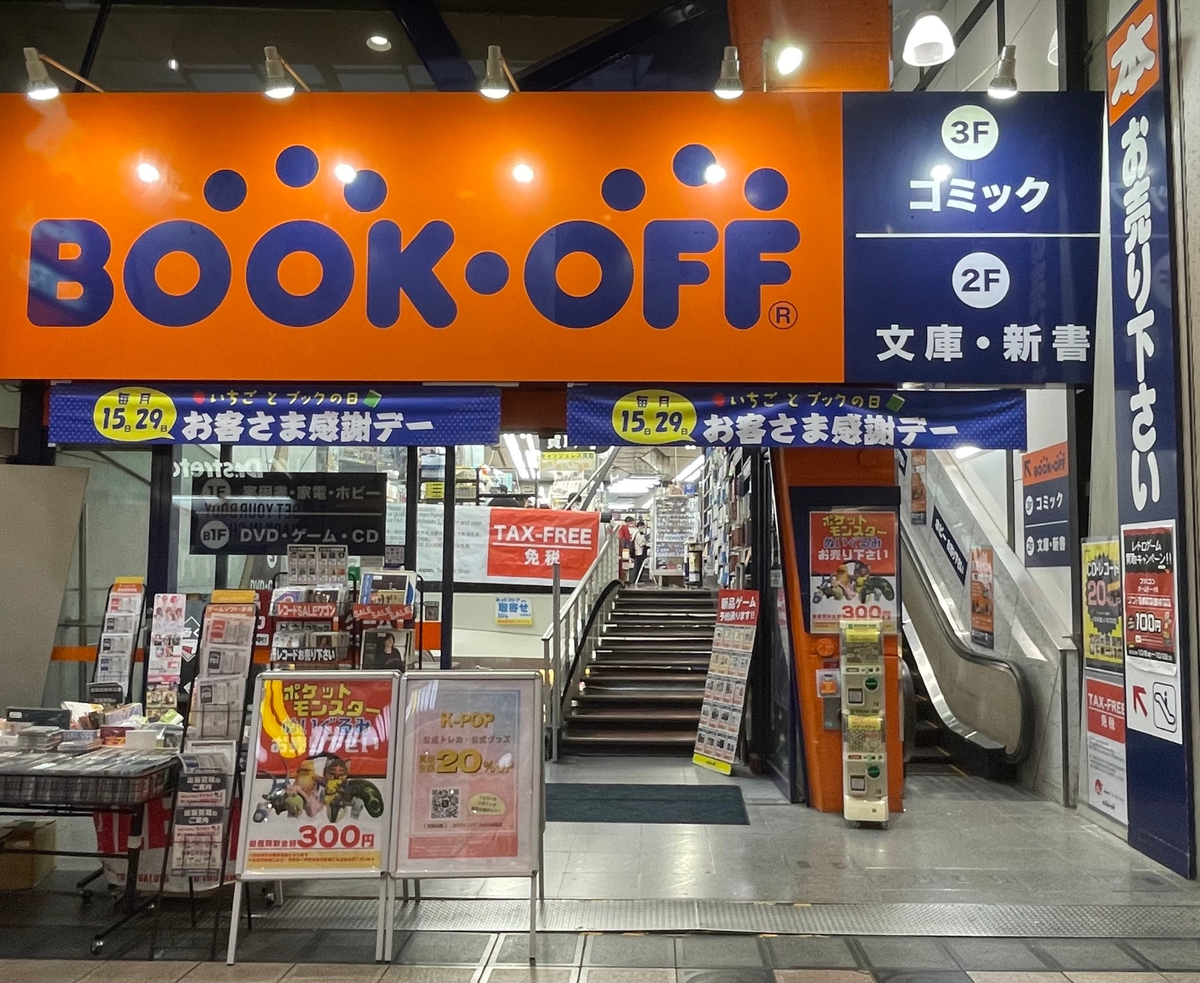
A few weeks ago I visited Book Off, a popular used-books chain owned by Bookoff Group Holdings (TYO: 9278) ("Bookoff Group").
Bookoff Group is listed on the Tokyo Stock Exchange. The company has a market capitalisation of JPY34 billion (~US$210 million) and about 850 stores around Japan. The stores are either directly- or franchisee-owned.
Since starting out as a used-books store in 1991, Book Off has greatly expanded its product offering. It now sells other used items like CDs, DVDs, gaming consoles, clothes and electronic goods.
And yes, in Japan there is still an end-consumer market for CDs and DVDs despite being virtually extinct elsewhere.
Book Off also buys used-items from consumers looking to monetise their clutter. This part of the business provides the company with a reliable source of inventory.
As a matter of fact, I visited Book Off as I had some old books that I wanted to dispose off but did not want ending up in the rubbish tip.
Selling used items is fairly simple in Book Off. You head to the drop-off counter, register your identity and drop-off what you want to sell. It takes about 20 or so minutes for the staff to assess the condition of your goods and value them.
To be clear, the goods must be in good condition. You don't get a whole lot of money back, but something is better than nothing and this is a bonus if your main aim is to declutter.
While waiting for the value of my books to be assessed, I browsed the store's collection of used Japanese comics, called manga (Japanese: 漫画). I was taken aback as there were endless shelves of manga.
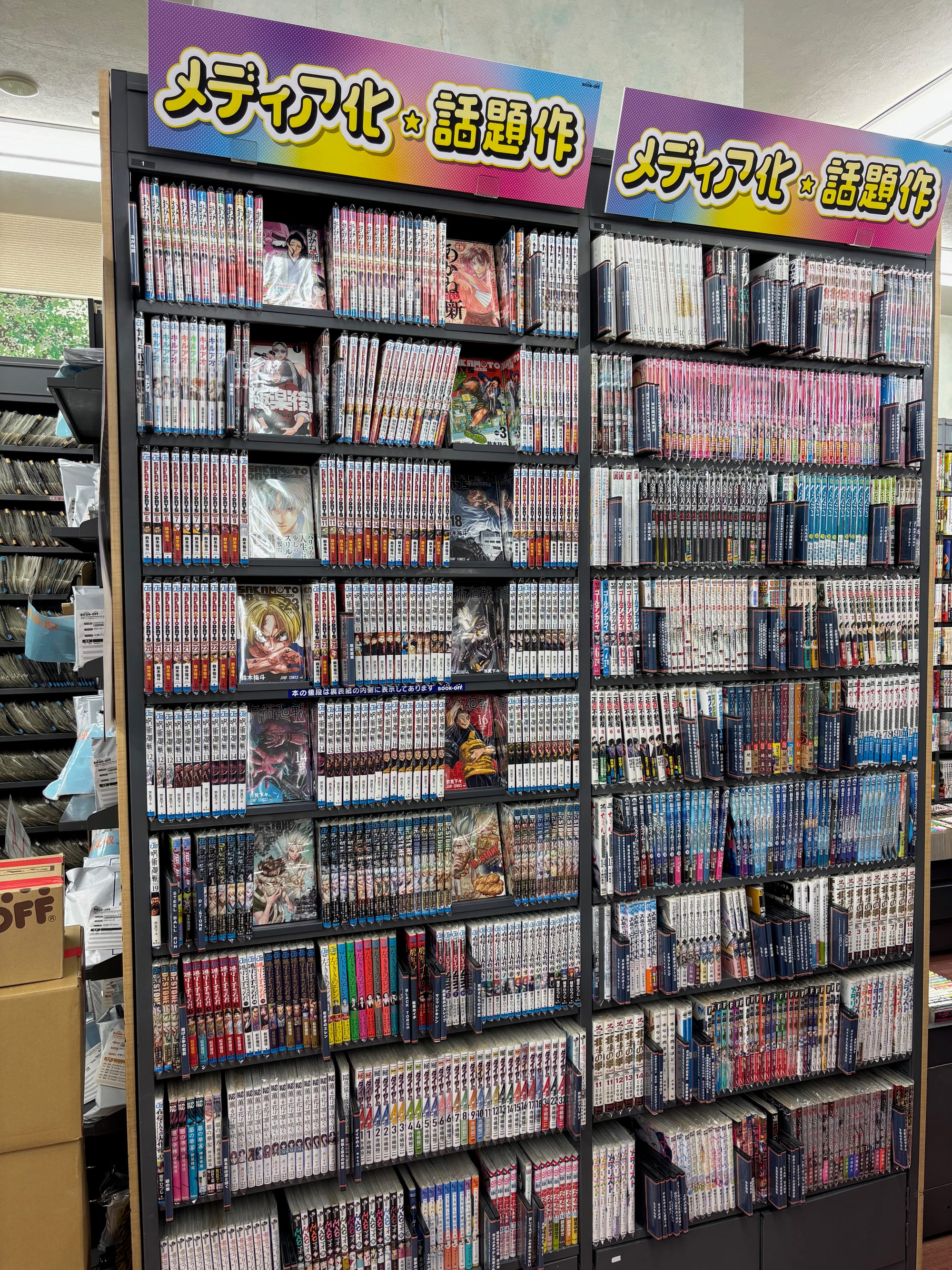
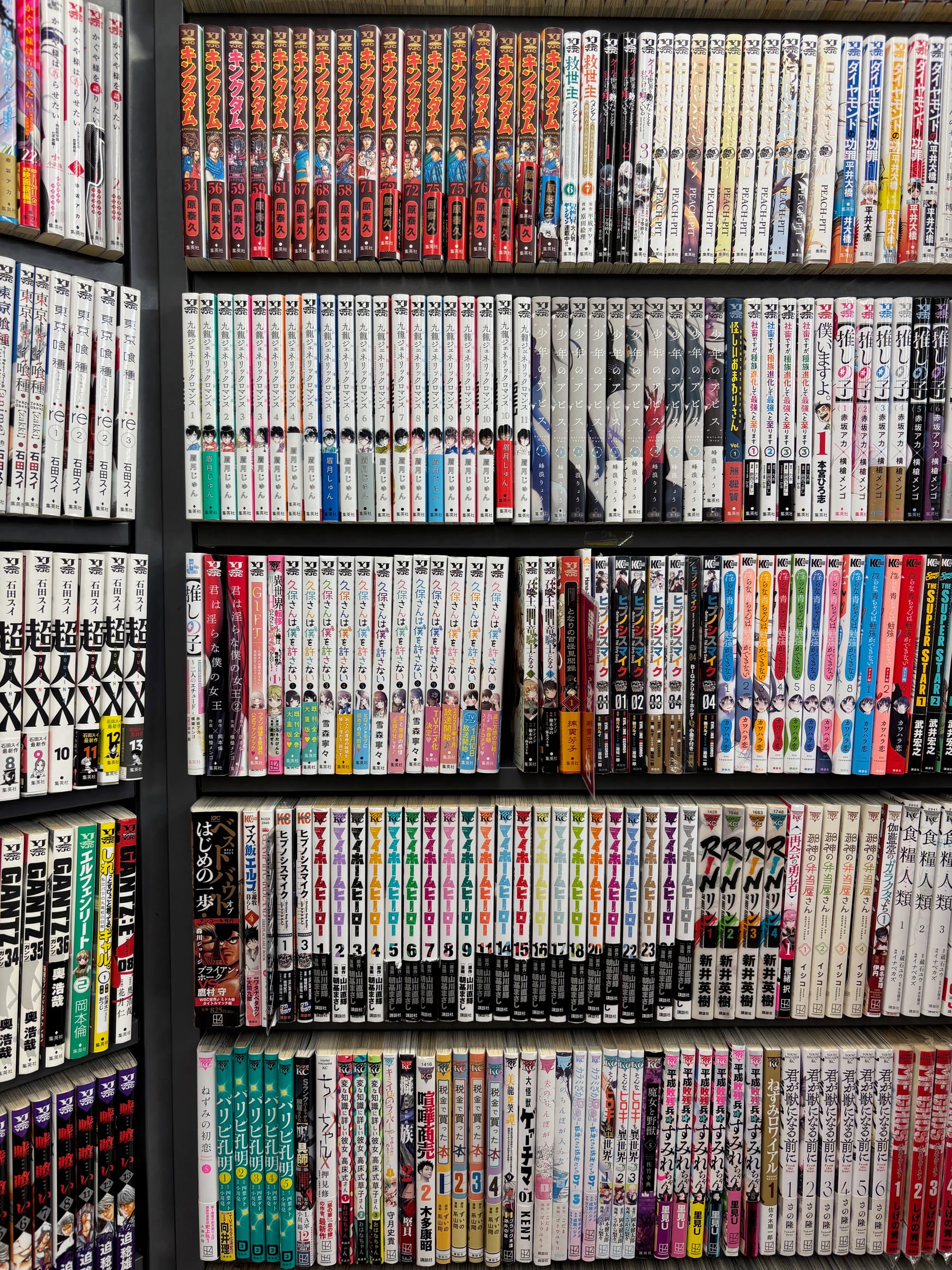
Endless Shelves of manga
Did Book Off have The Way of the Househusband (Japanese:極主夫道) - a manga about a yakuza-turned househusband I started reading last year?
It sure did!
Better still, the cost of one volume was only JPY110 (US$0.69), cheaper than the JPY195 (US$1.22) I paid for a copy (also used) on an e-commerce website. For context, the original retail price is JPY600 (US$3.74).
Used-book stores are also a good hunting ground for publications that are no longer in print. In Book Off, I found the first 20 or so volumes of a very popular manga called The Drops of God (Japanese: 神の雫), which ran from 2004 to 2014.
Part of my motivation to attain Japanese proficiency is to consume Japanese manga, as very few are translated into English.
When The Drops of God was first published, it became a huge hit amongst wine aficionados for its story and educational knowledge of wine. What I find impressive is that the authors - Yuko and Shin Kibayashi - are not wine experts.
In the opening scene of the very first volume, a customer is furious that the bottle of a well-known wine he ordered does not taste good despite the price.
However, after the main protagonist steps in to decant the wine - in a rather exaggerated manner I should say - the flavour of the wine opens up, leaving the customer stunned yet happy.
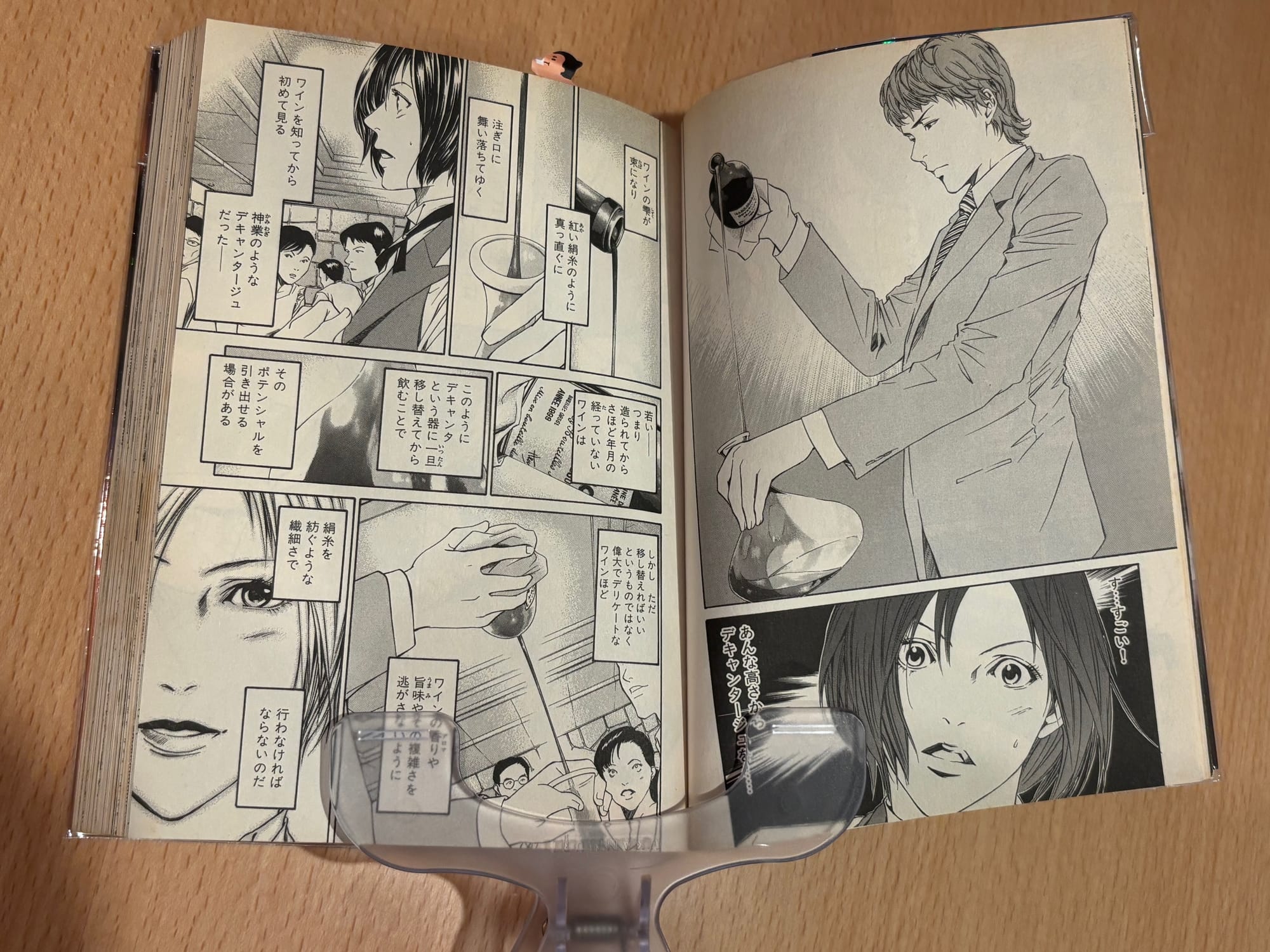
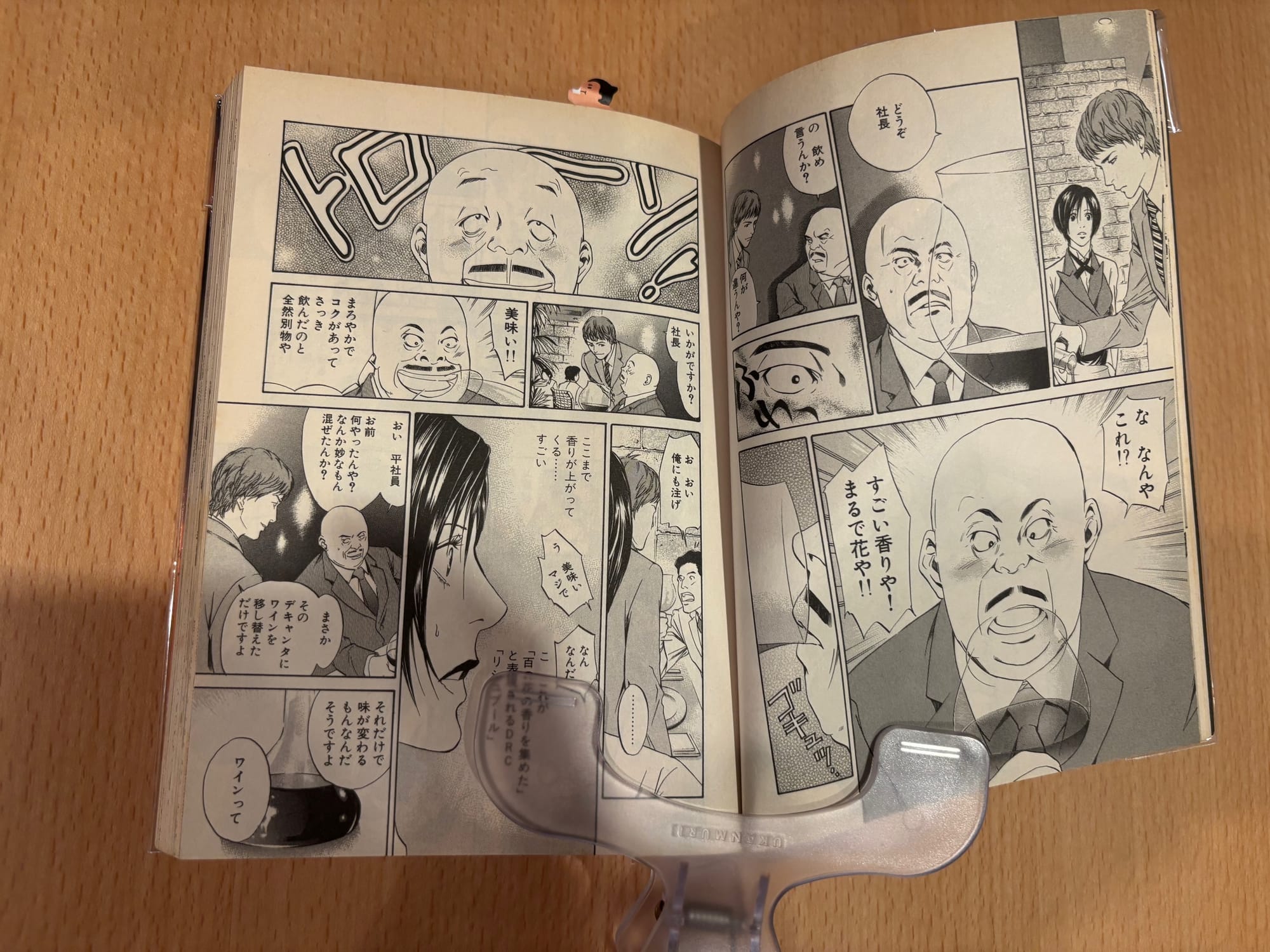
(R) I doubt this is how a sommelier decants a bottle of wine in real life.
Drops of God was so influential and widely-followed that prices of wines mentioned in the manga rose.
Such is the influence of Japanese manga.
--Ends