WB090: Learning about Japan's Universal Health Coverage
Enrolment in some form of health insurance is mandatory for all long-term residents of Japan. This applies regardless whether you are a Japanese citizen or a non-citizen resident.
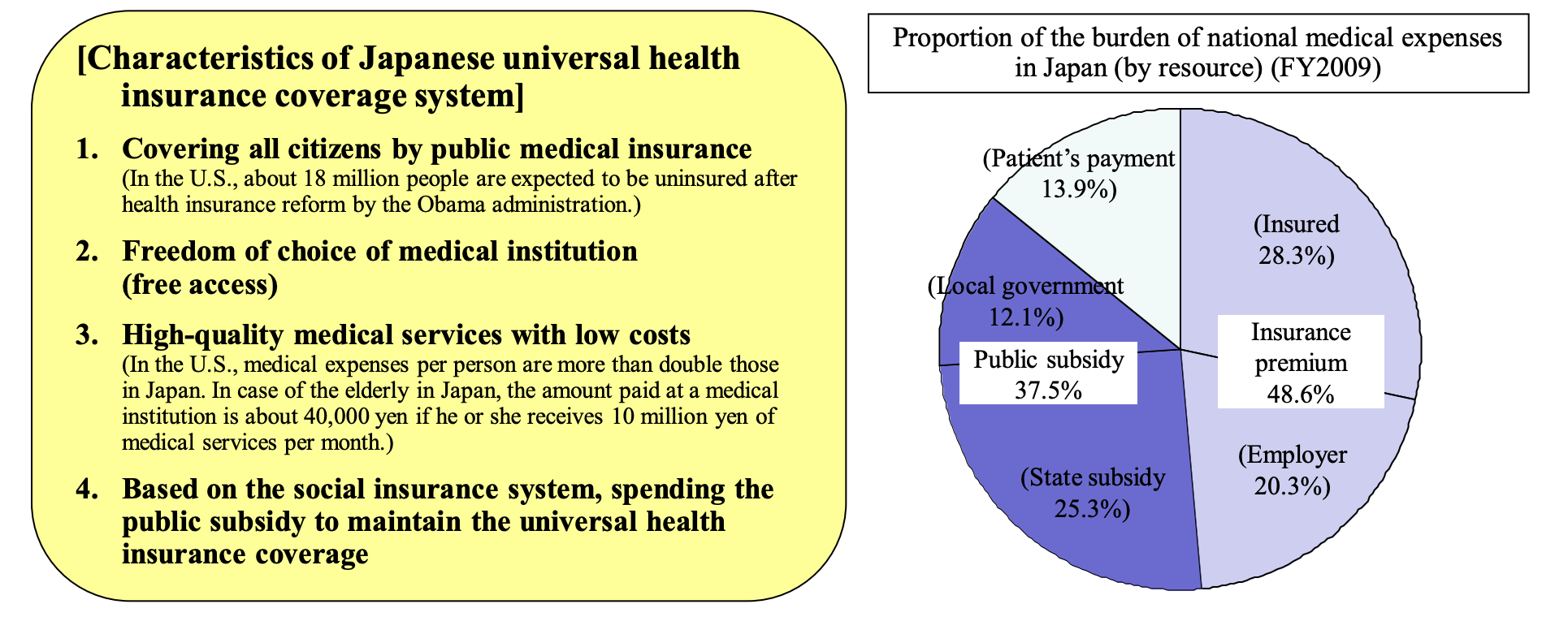
Japan has a Universal Health Coverage ("UHC") system funded by a combination of insurance premiums paid by members, government subsidies and member co-payments when a healthcare service is consumed.
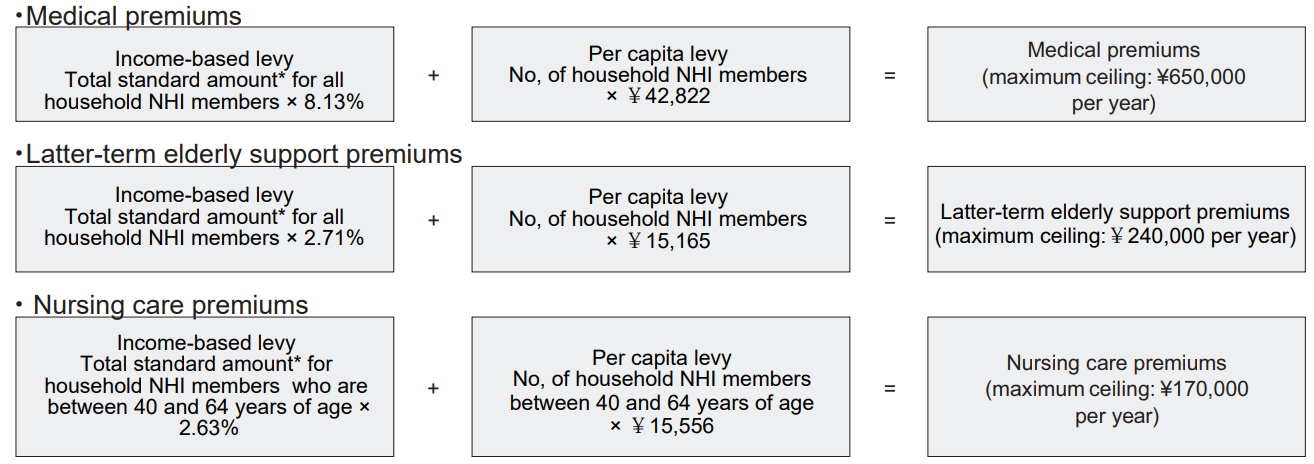
I am currently enrolled in the National Health Insurance ("NHI") system, called kokumin kenkou hoken (Japanese: 国民健康保険). My annual NHI premium is works out to about 11% of my taxable income. This premium comprises three portions:
- Medical premiums
- Elderly support premiums
- Nursing care premiums
The formula for calculating the annual premium is transparent and published each year. There is also an upper limit for a household's annual premium, which is equivalent to just under JPY1, 100,000 (US$6,773).
In addition to the NHI premiums, I also pay Resident Tax (flat 10% of taxable income), National Income Tax (income-dependent) and contribute to the National Pension System.
These four mandatory social contributions are part of a long-term resident's living costs.
It took me a while to get used to paying 11% of my taxable income every month to fulfil my NHI obligations. Reason being, the benefits were not entirely apparent to me and this was a tangible, direct cost that I could "feel".
In Malaysia, the public healthcare system is funded by the government's tax revenues instead of direct member contributions. So you don't really feel the monthly pinch, unless you subscribe to private medical insurance.
In Singapore, between 8% and 10% of your income is automatically deducted at source and funnelled into MediSave, the city state's national medical savings scheme. This way, you don't really feel the actual outflow of cash.
That being said, whether a country's healthcare system is funded directly or indirectly, the tax payer is the one paying for it.
My mindset towards paying NHI premiums shifted after visiting a clinic this year. When it came to settling the bill, I only needed to pay 30% of the total cost. The same cost structure applied to the prescription medication I bought at a nearby pharmacy.
With the co-payment model, the patient only settles his share of the bill while the balance is paid to the medical service provider by the medical insurer. This ensures a frictionless experience for patients.
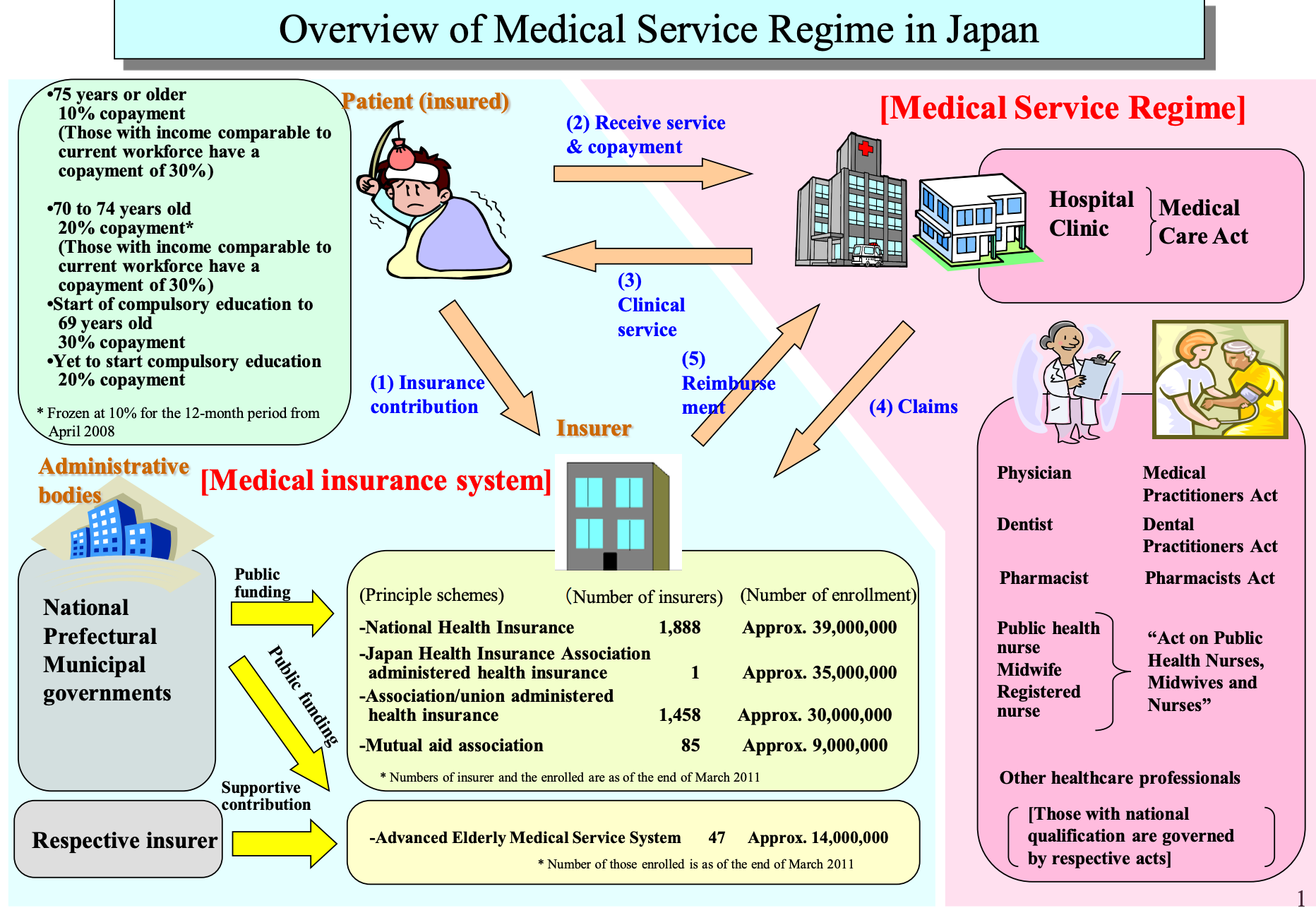
What I also found quite useful with Japan's UHC system is being able to pick any clinic and pharmacy, instead of being restricted to specific government-run healthcare providers.
So why are co-payments still necessary even though NHI members pay premiums?
Well, I think the co-payment model minimise abuse of the healthcare system. When a service is provided for free, people tend to value it less and be more wasteful. And with a finite resource like healthcare services, this is a recipe for disaster, for both patients really in need of help and healthcare workers who strive to maintain a high level of care.
Japan is not spared from such abuse.
Case in point, there have been rising cases of people calling for an ambulance despite only having minor ailments, simply because it is a free service and it costs money to call a taxi or take a bus. It is unfortunate when the selfish side of humans negatively impacts an important resource like healthcare.
So far, I am a happy contributor to the NHI. That being said, I'd much prefer to stay healthy over trying to maximise the value of my insurance premiums.
--End