WB014: Saphir Odoriko
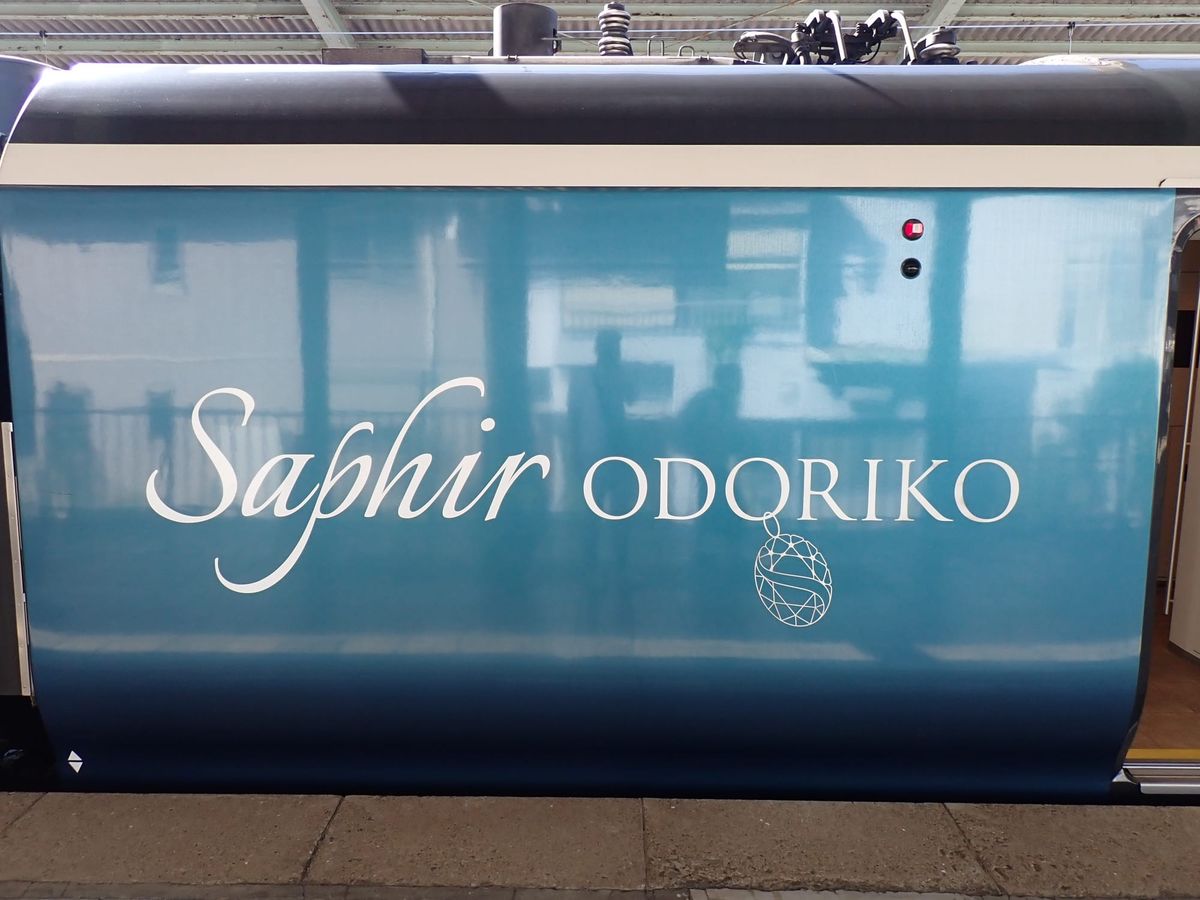
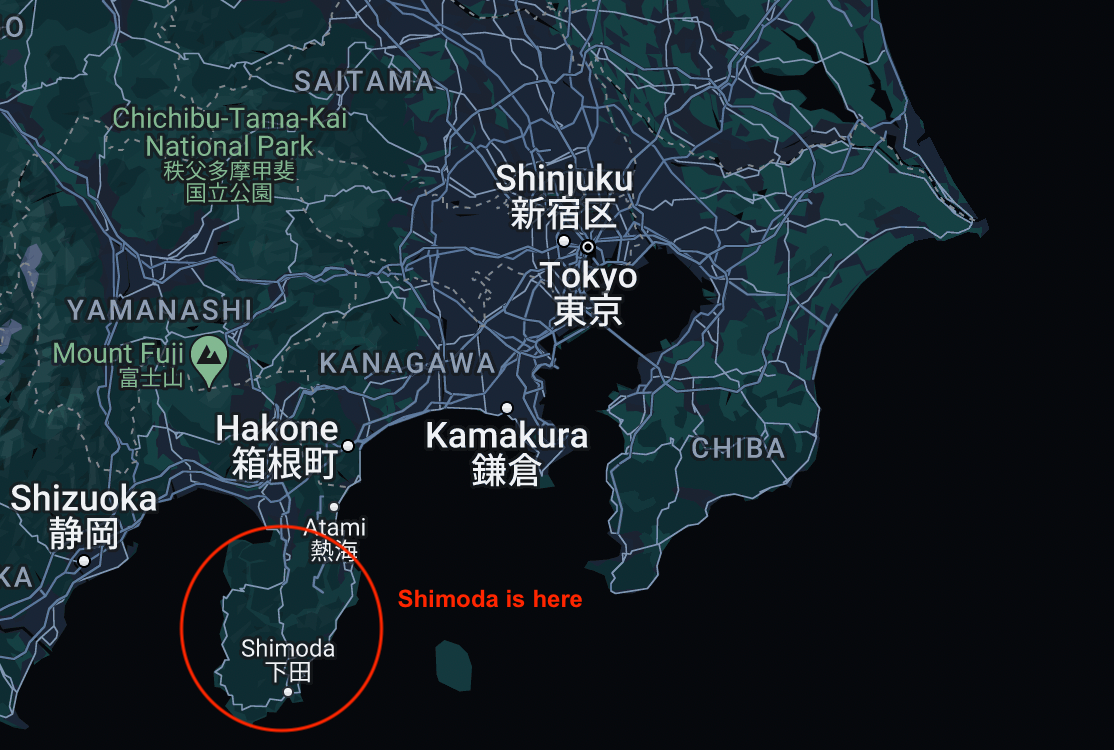
Two weeks ago, I took the Saphir Odoriko train to Shimoda (Japanese: 下田), a city located in the southern tip of the Izu Peninsula (Japanese: 伊豆半島).
Saphir Odoriko is a Limited Express train operated by East Japan Railway Company (TYO: 9020)("JR-East"), an entity under the Japan Railways Group ("JR Group").
JR-East's market capitalisation of JPY3.35 trillion (~US$22.5 billion) makes it the largest of the seven JR Group companies.
Saphir Odoriko debuted in Mar 2020 and is a more deluxe model of the Limited Express Odoriko trains that ply the Tokyo - Izu Peninsula route. The train departs from either Tokyo Station (daily) or Shinjuku Station (Saturdays, Sundays & Public Holidays).
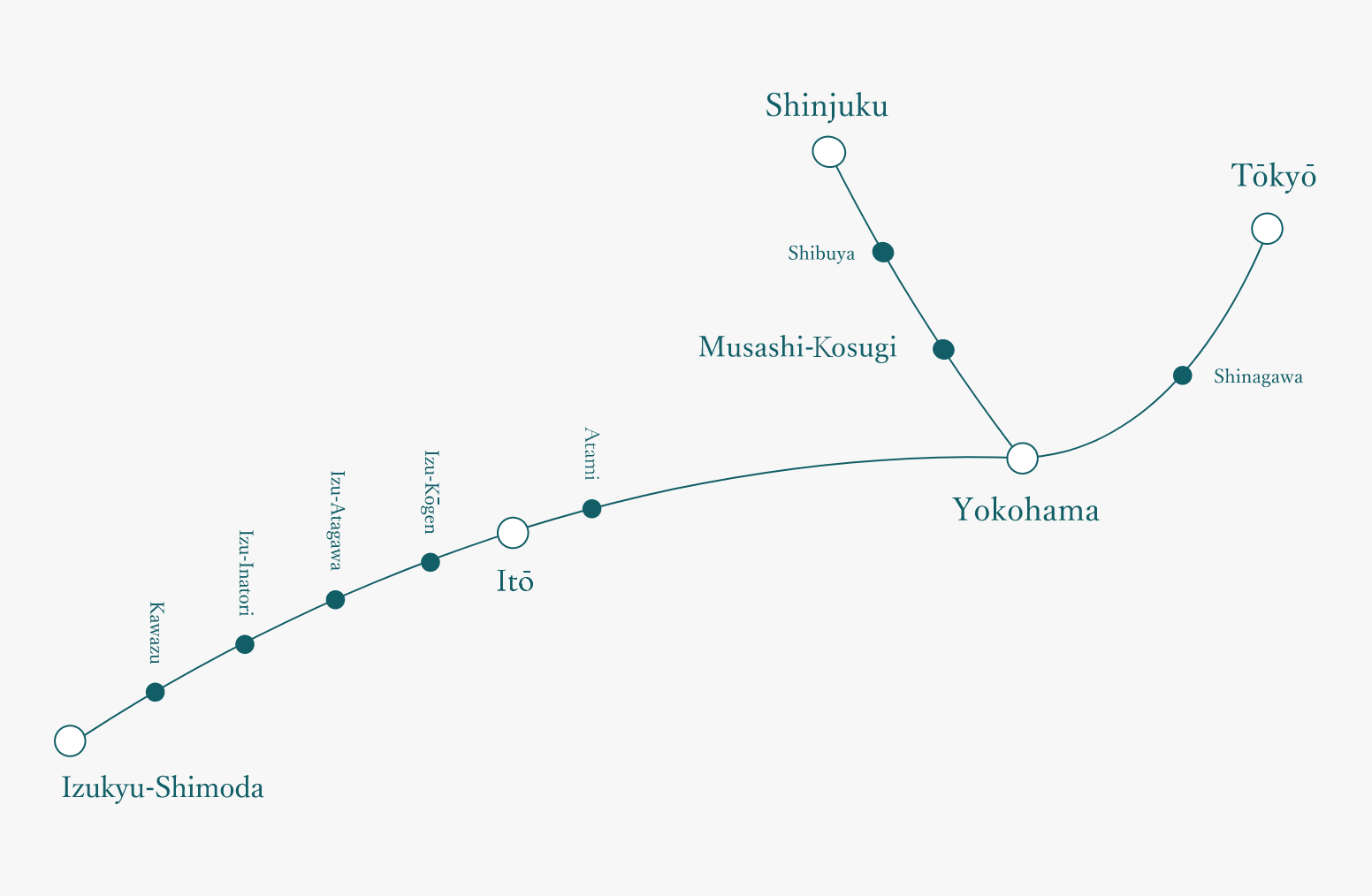
Our train ride to & from Shimoda
We departed Shibuya Station at 1230PM on Saturday, with the journey taking about three hours. For lunch, we grabbed bento boxes at a food hall and ate them on the train. I prefer eating on the train to an airplane, as you don't have to worry about your meal being disrupted by turbulence.
I have always wondered how Japanese rail operators consistently keep their trains clean. During the journey, I got my answer after seeing an automatic train wash system at one of our stops. It is basically a large version of an automatic car wash system.
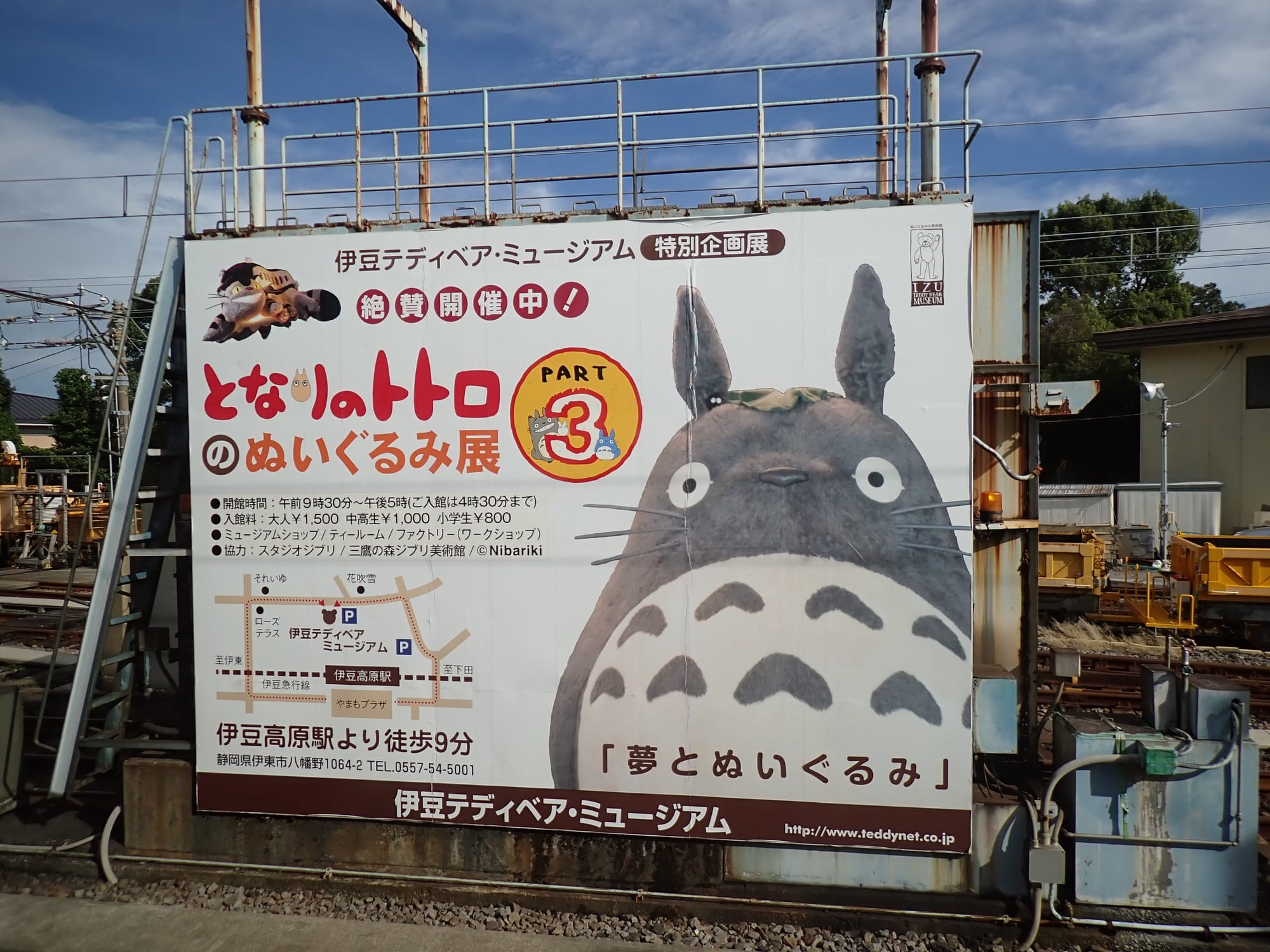
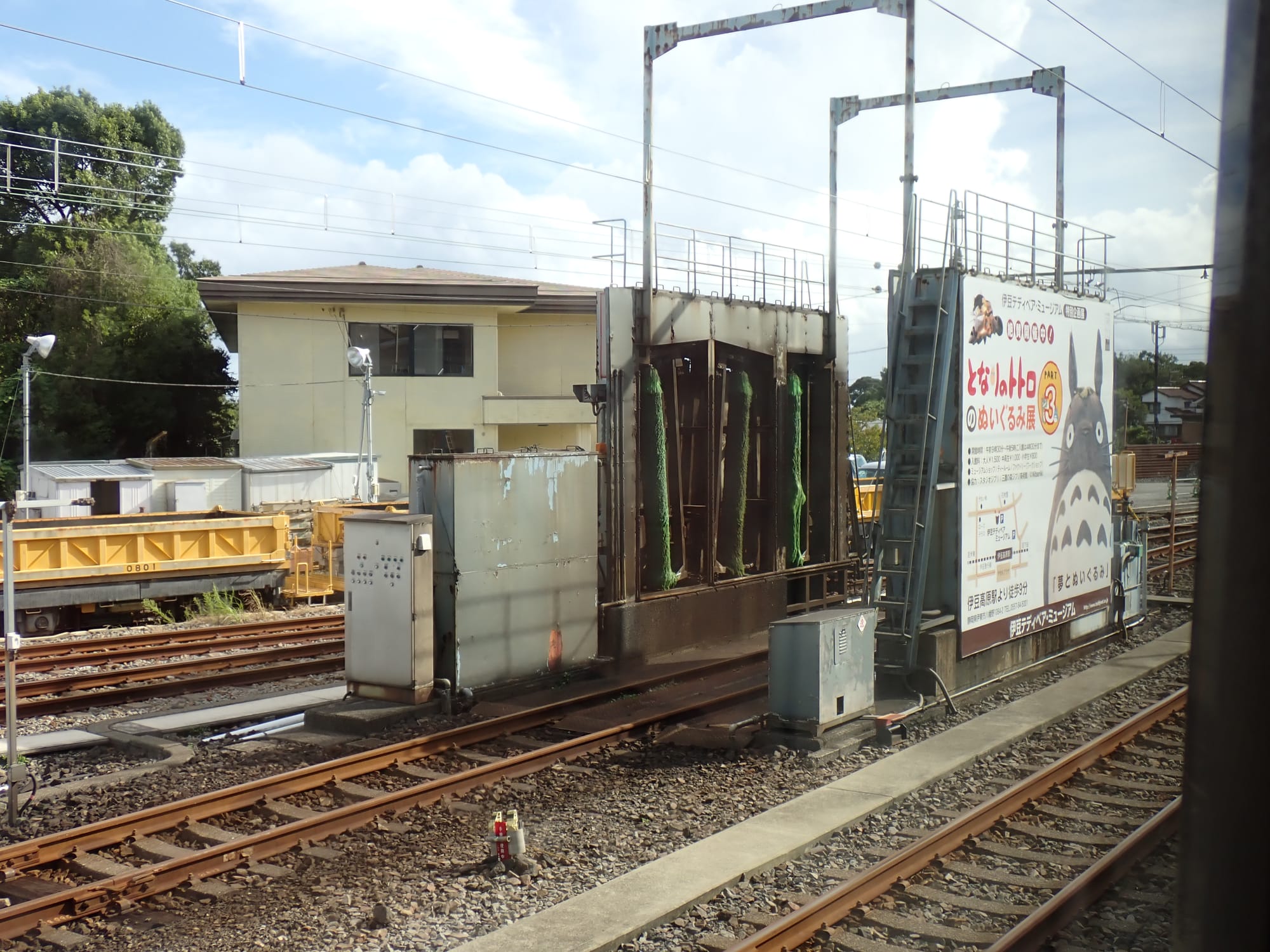
Automatic Train Wash System
We also passed Atami (Japanese: 熱海), a city full of natural hot springs and beaches that is popular for company retreats. The city's mascot is Atsuo (Japanese: あつお), a middle-aged, genderless fairy.
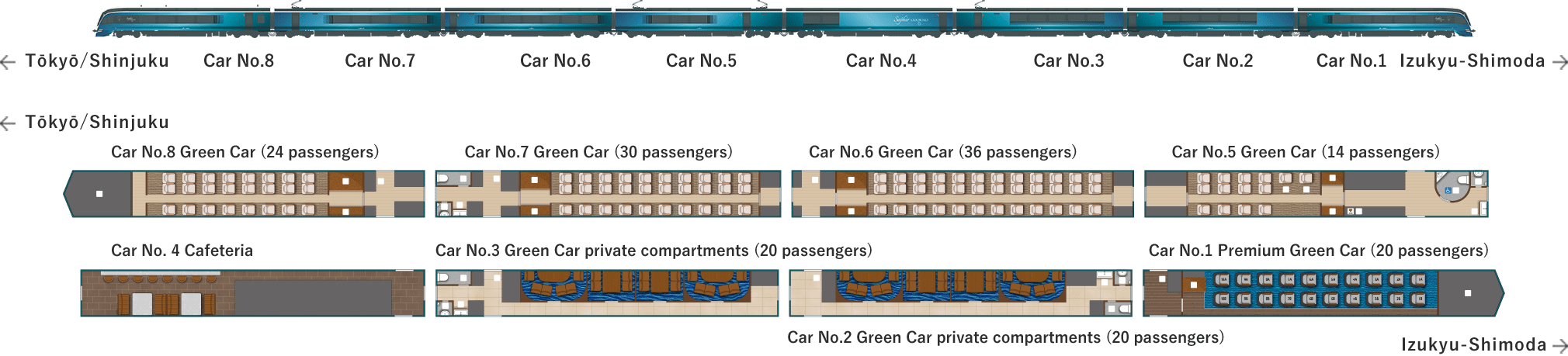
The Saphir Odoriko has eight carriages with three seating arrangements.
Car No. 1 is designed to bring in a lot of sunlight and has Premium Green Seats that are really comfortable. The seats can be rotated so you can look out the window. This explains how the seats can be made to face the train's direction of travel, as opposed to "reversing" the whole train.
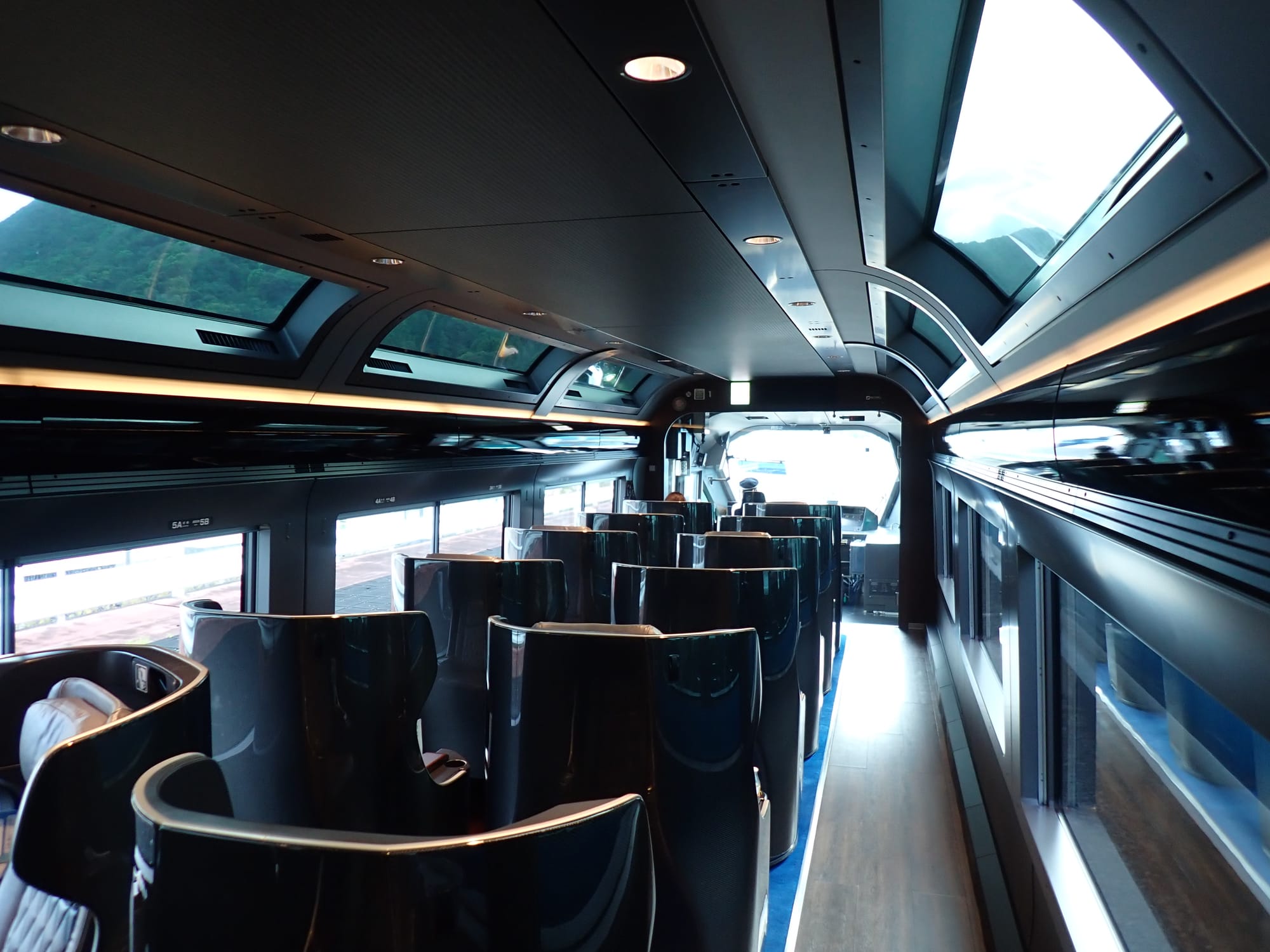
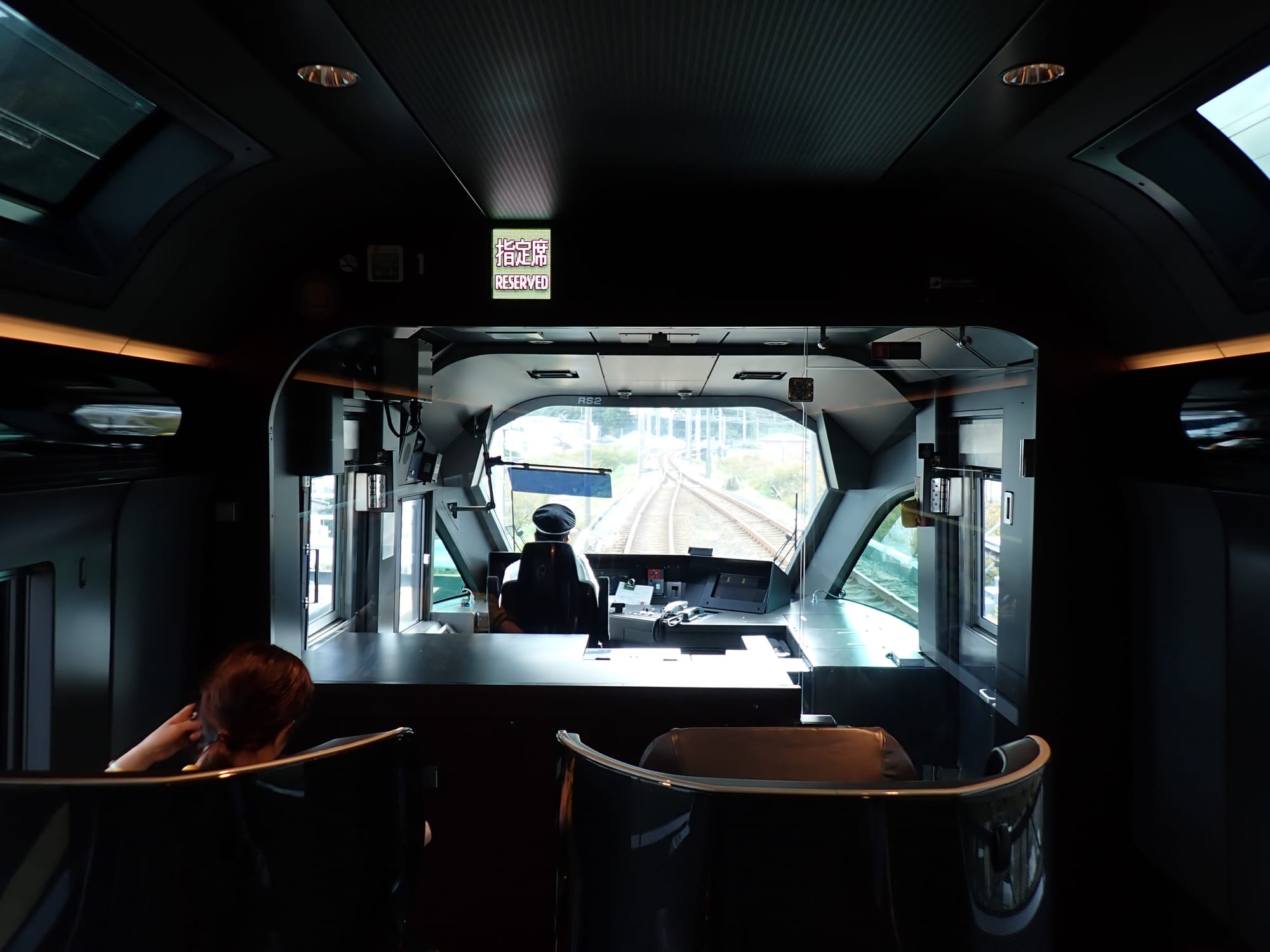
Car No. 1
The driver's cabin is in Car No. 1 for the Tokyo to Izukyu-Shimoda leg. This makes it the perfect experience for train geeks. For the return leg, the driver's carriage is in Car No. 8 (at the other end of the train).
Car No. 2 & No. 3 have private compartments that accommodate groups of between four and six people. The sofa-like seats and small dining table give the compartment a communal feel and is ideal for groups of families or friends. While walking past a few of the compartments, we saw groups of passengers having a good time eating, drinking and being merry.
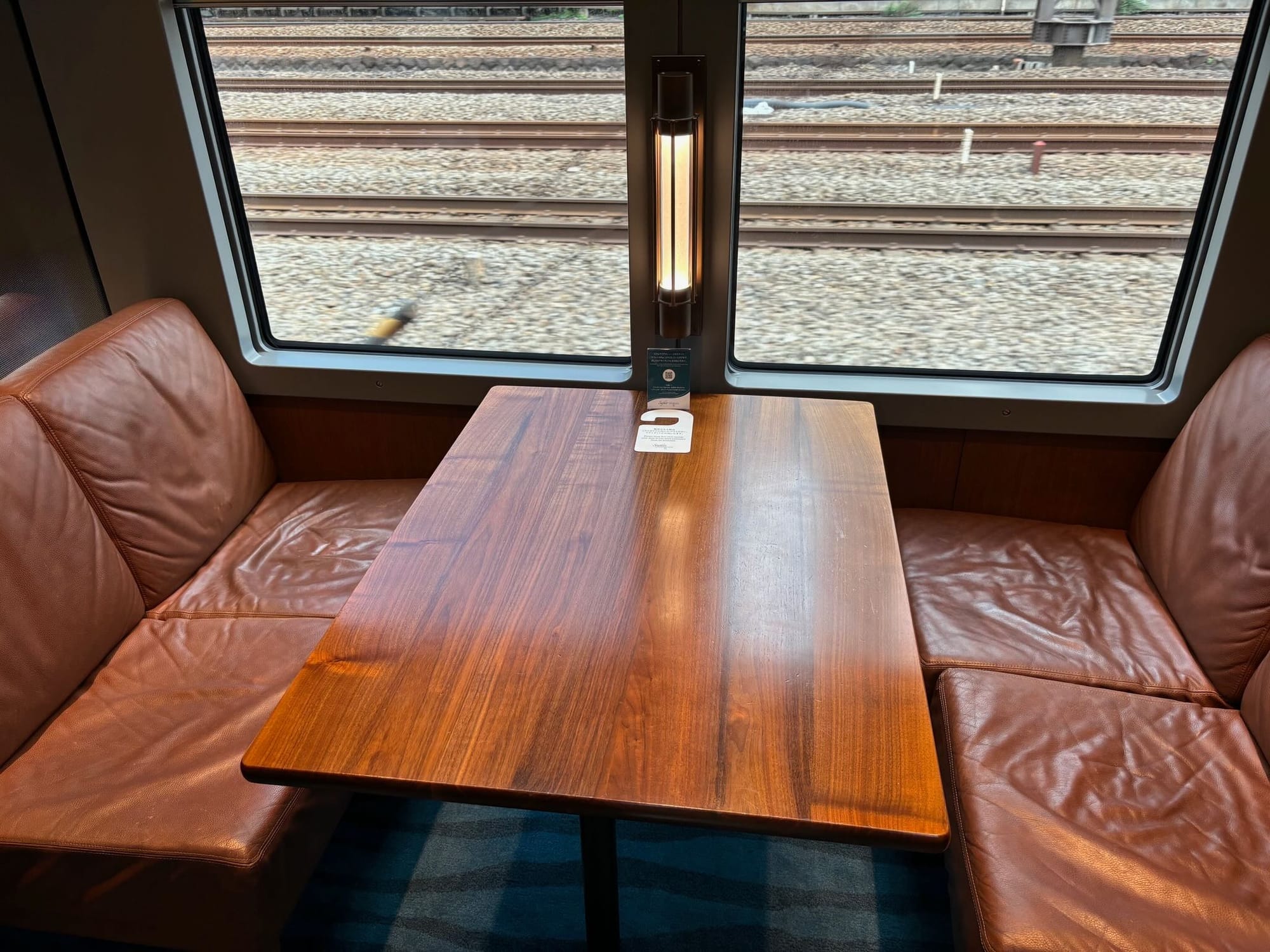
Car No. 5 to No. 8 have Green Seats that are better value for money, as they are cheaper than Premium Green yet quite comfortable. We booked these seats for our return journey.
Car No. 4 is where the train's cafeteria is located. There is a full-fledged kitchen with a chef and kitchen staff. Unfortunately, we did not get a chance to eat there as it was quite crowded.
What's behind a name?
According to JR-East, "SAPHIR is the French word for sapphire. We decided on this name because we wanted to evoke the sparkling, bright sapphire blue of Izu’s ocean and sky, and add a touch of high-class luxury to your journey."
Sure enough, we could see the blue Izu ocean on the journey through the Izu Peninsula. I did not manage to get a good shot as the train was moving.
Meanwhile, Odoriko (Japanese: 踊り子) is Japanese for "female dancer". The Limited Express Odoriko trains were named as such because of a novel called Izu no Odoriko (Japanese: 伊豆の踊り子) by Nobel Prize-winning author Yasunari Kawabata (Japanese: 川端 康成).
The novel's title means The Dancing Girl of Izu and is set in the Izu Peninsula. During the trip, I saw a statue of The Dancing Girl of Izu while hiking in the Kawazu Nanadaru (Japanese: 河津七滝) trail. The hike is not terribly difficult and I highly recommend it if you have time.
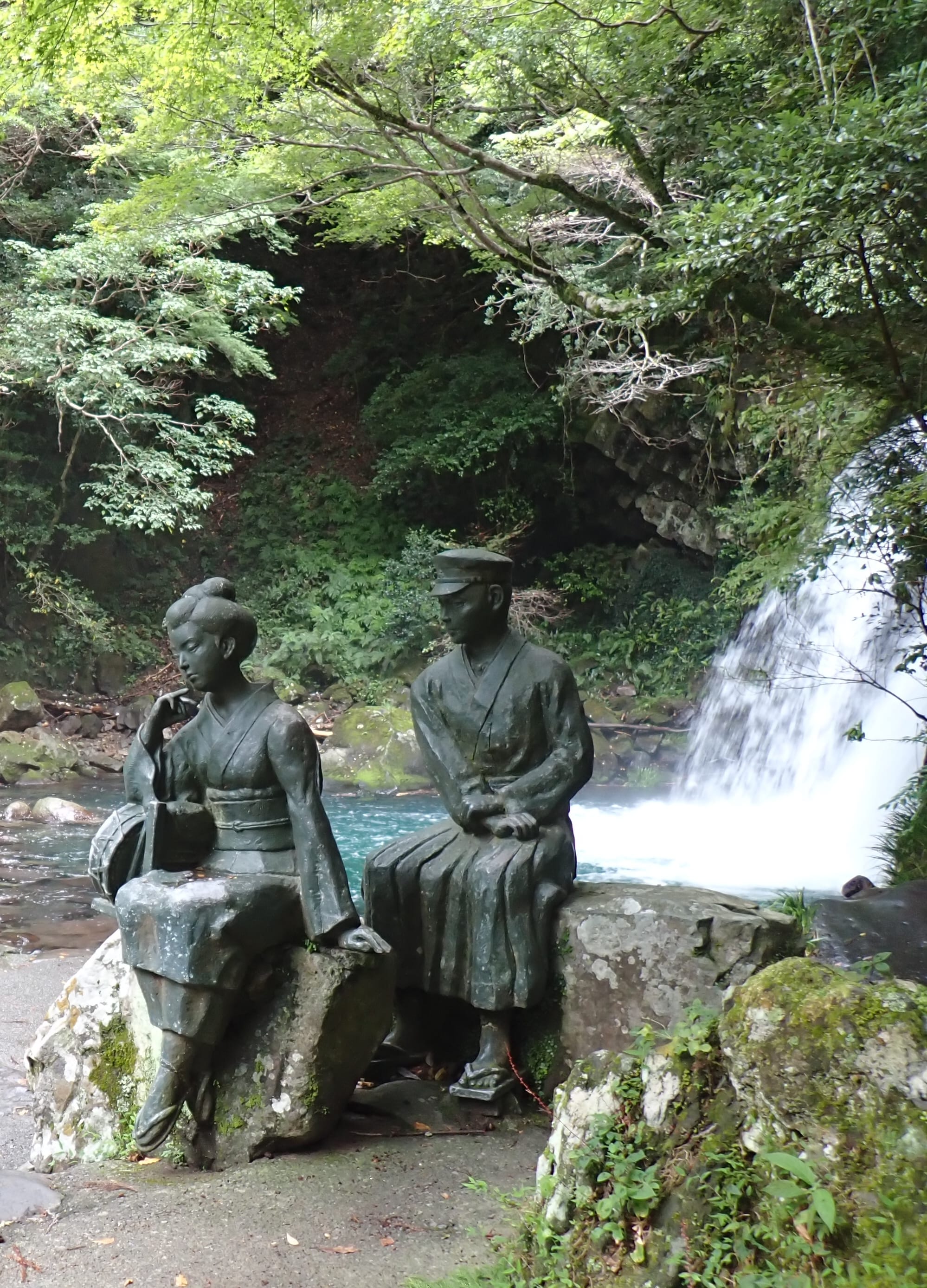
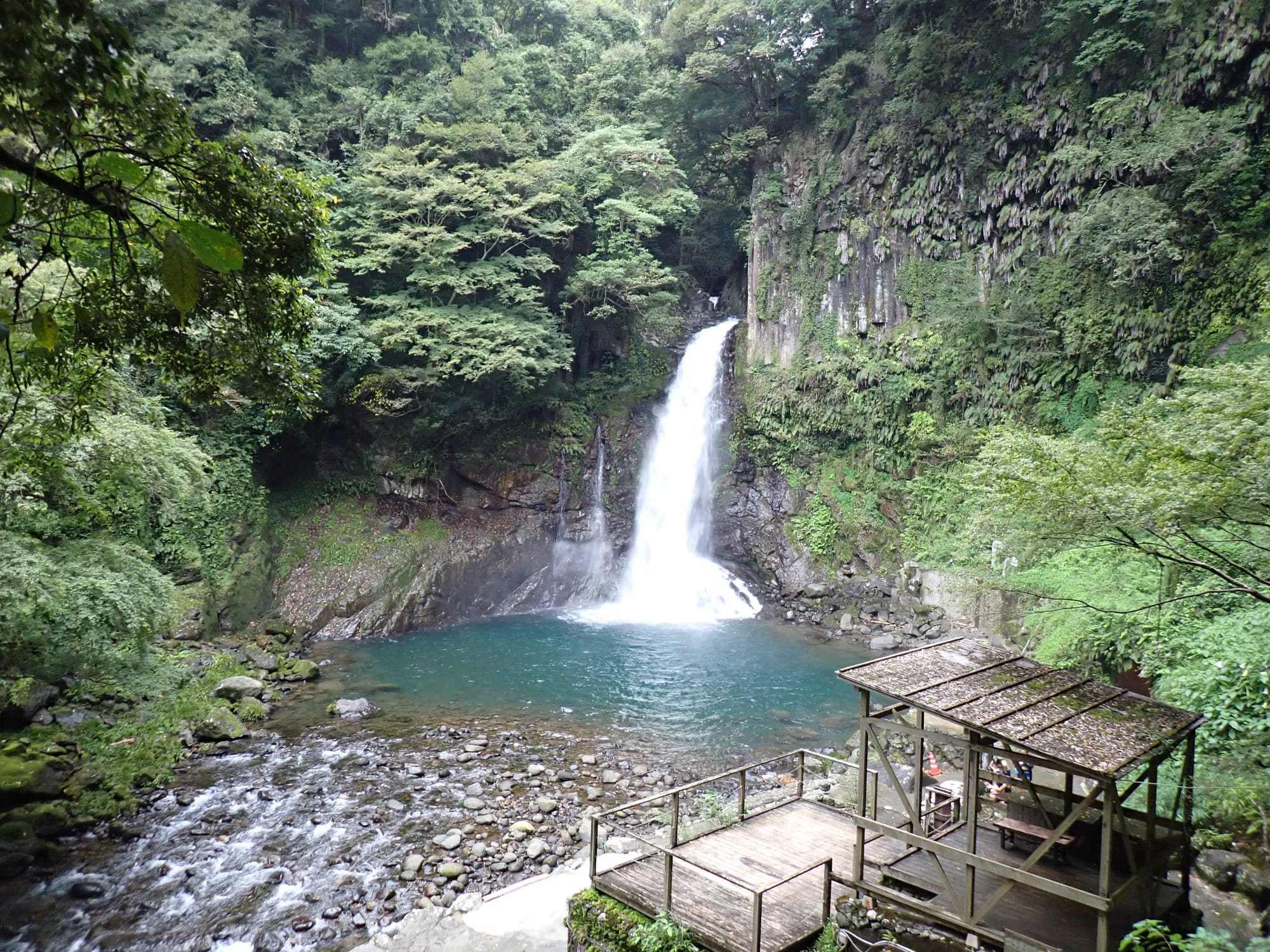
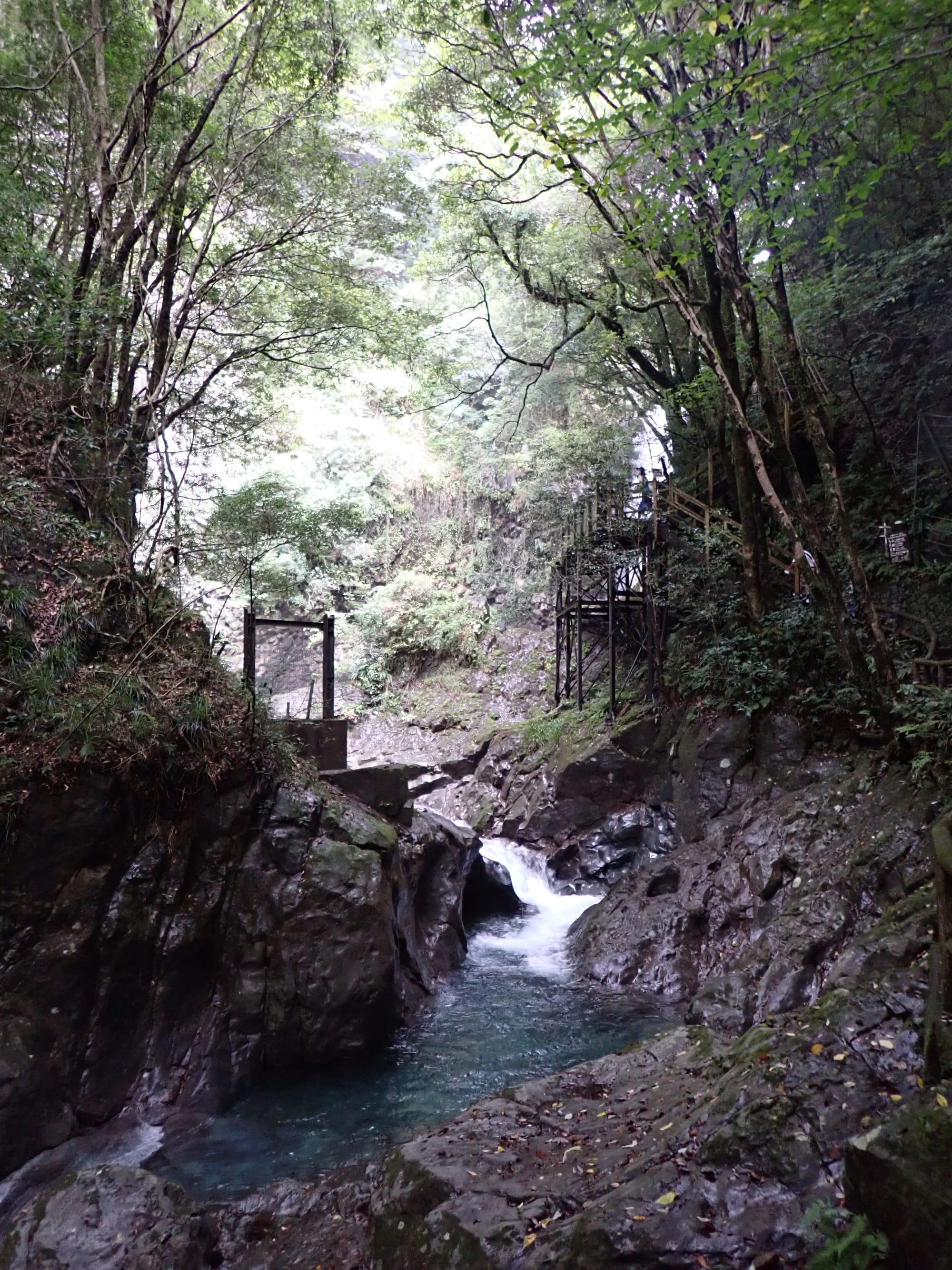
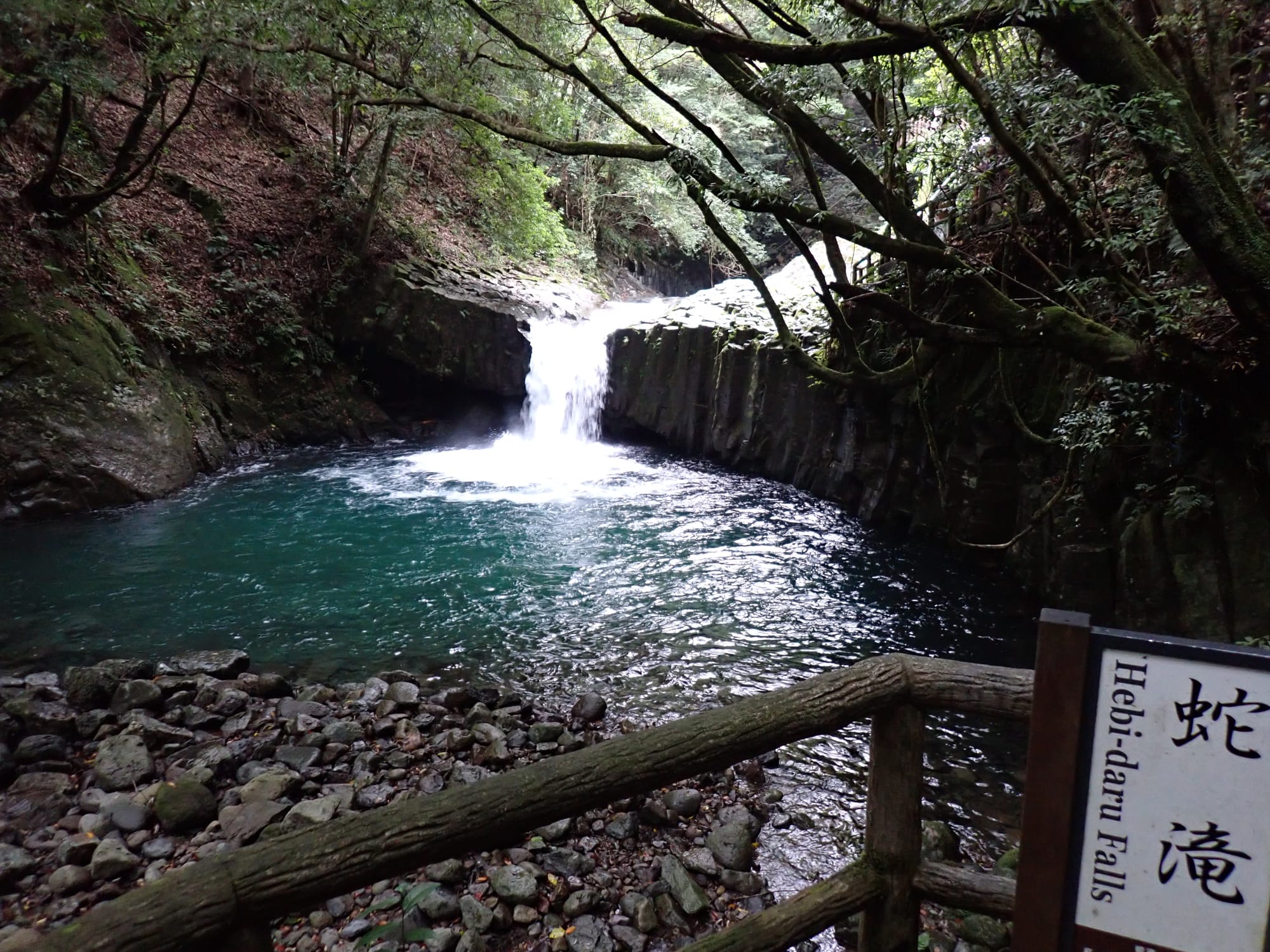
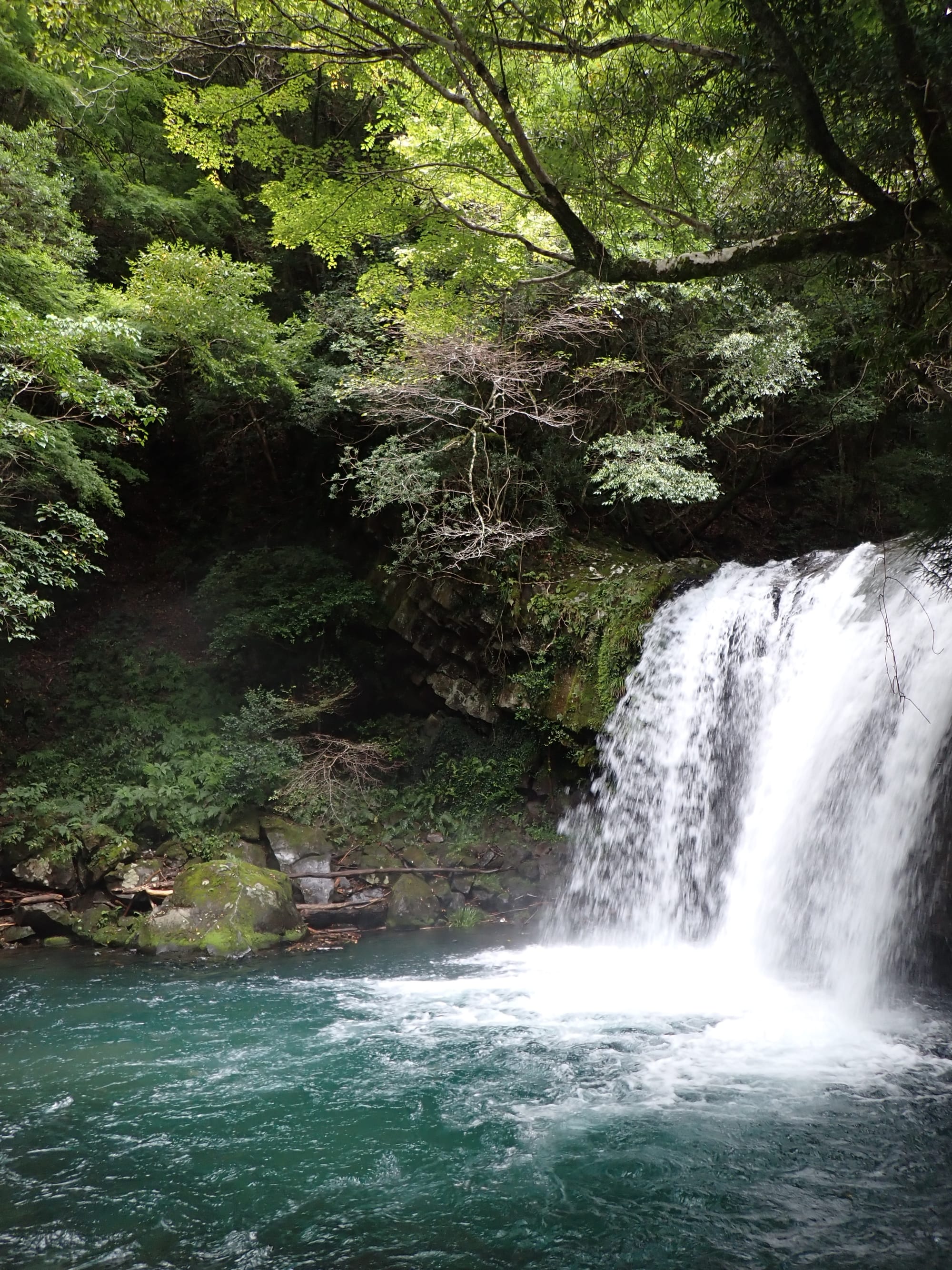
The Dancing Girl of Izu statue and waterfalls in Kawazu Nanadaru
--Ends