WB078: Geeking out in Akihabara
When I was in high school, I studied a subject called Design & Technology ("DT") where did hands-on projects like woodwork and assembling basic electronic circuits.
While STEM ("Science, Technology, Engineering & Mathematics") subjects like Applied Mathematics, Chemistry and Physics were also fun, what I found most satisfying was tinkering with and building things in DT.
There was a real sense of achievement, whether it be a wooden, handmade lamp or a battery-powered printed circuit board made up of Light-Emitting Diodes (LEDs) and resistors.
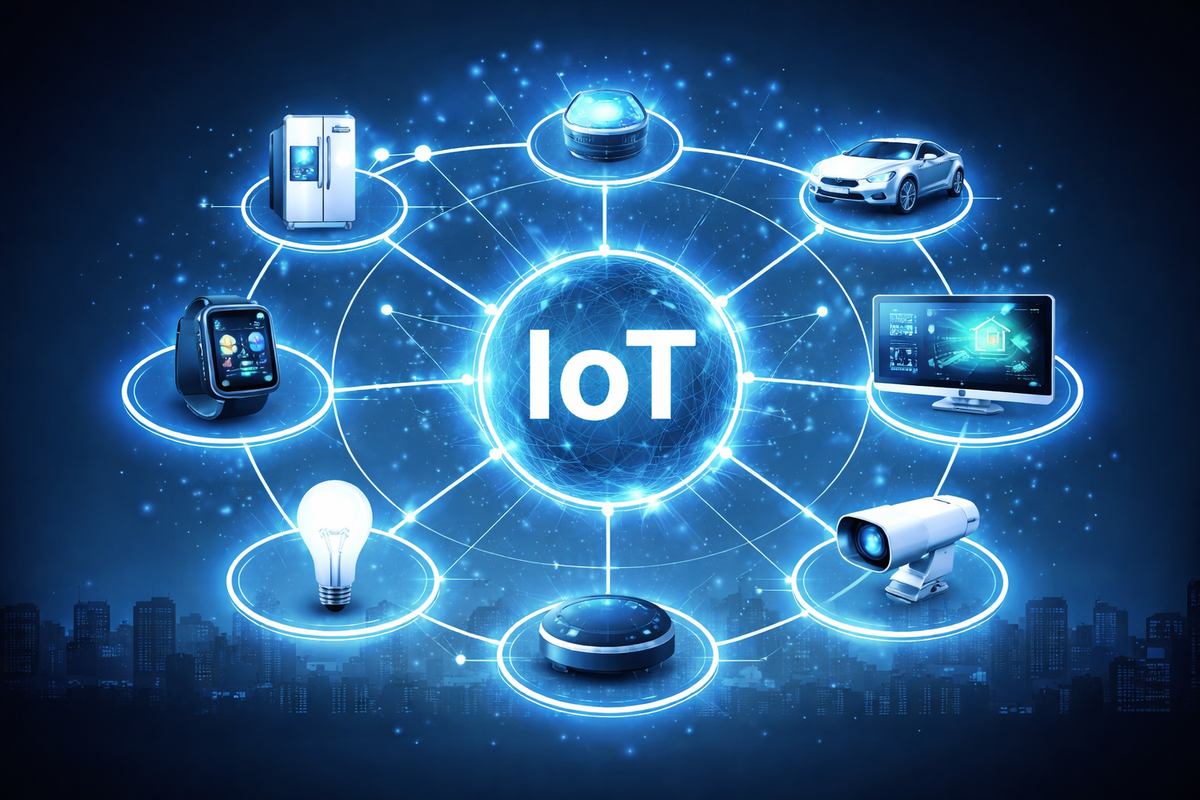
These days, basic electronic circuits like what I got to build in DT can now be turned into software-enabled Internet of Things (IoT) devices that can interact with other devices and systems via the internet.
Examples of real-life IoT devices are a baby monitor that remotely transmits video to your mobile phone. Or a wireless sensor that triggers an alert on your mobile app when it detects movement.
IoT devices are built on top of software and hardware. You need the software side of things to communicate the logic for the hardware to execute.
For me at least, there were always two significant barriers to building an IoT device: the requisite knowledge and availability of the hardware.
I speak of these barriers in the past tense.
The first barrier has been overcome with the help of AI chatbots like Claude AI and ChatGPT. With the right prompt, you can get pretty good guides on how to build an IoT device, along with recommended parts.
The second barrier - finding the hardware - is no longer an issue after I recently discovered Akihabara (Japanese: 秋葉原), a district in Tokyo famous for its massive electronics retailers, DIY hobby shops and specialized anime/figurine shops.
It's a geek's paradise.
Strangely, this area also has many maid-themed cafes, where waitresses dressed as maids serve food and drinks while treating customers like royalty in a playful atmosphere.
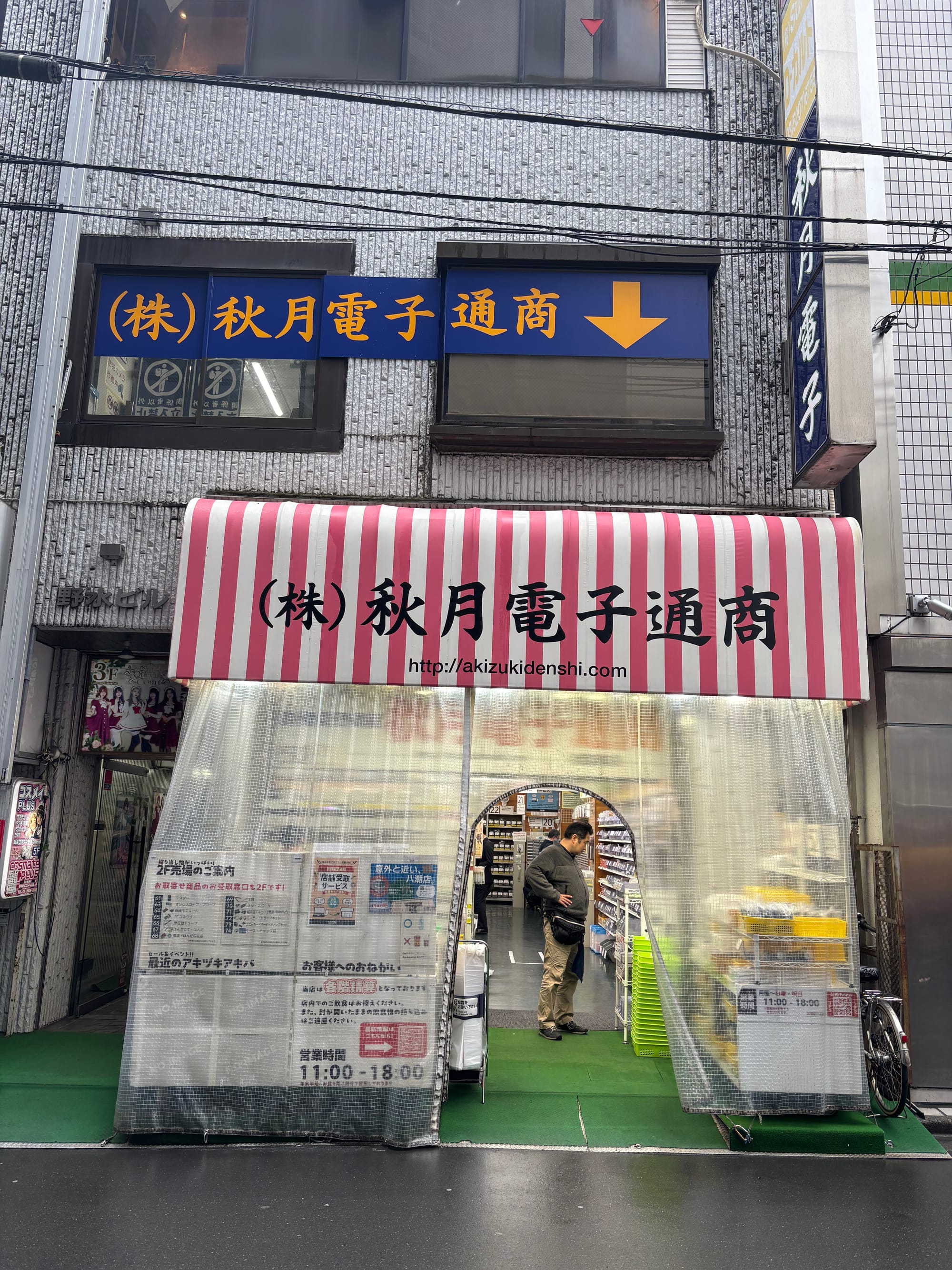
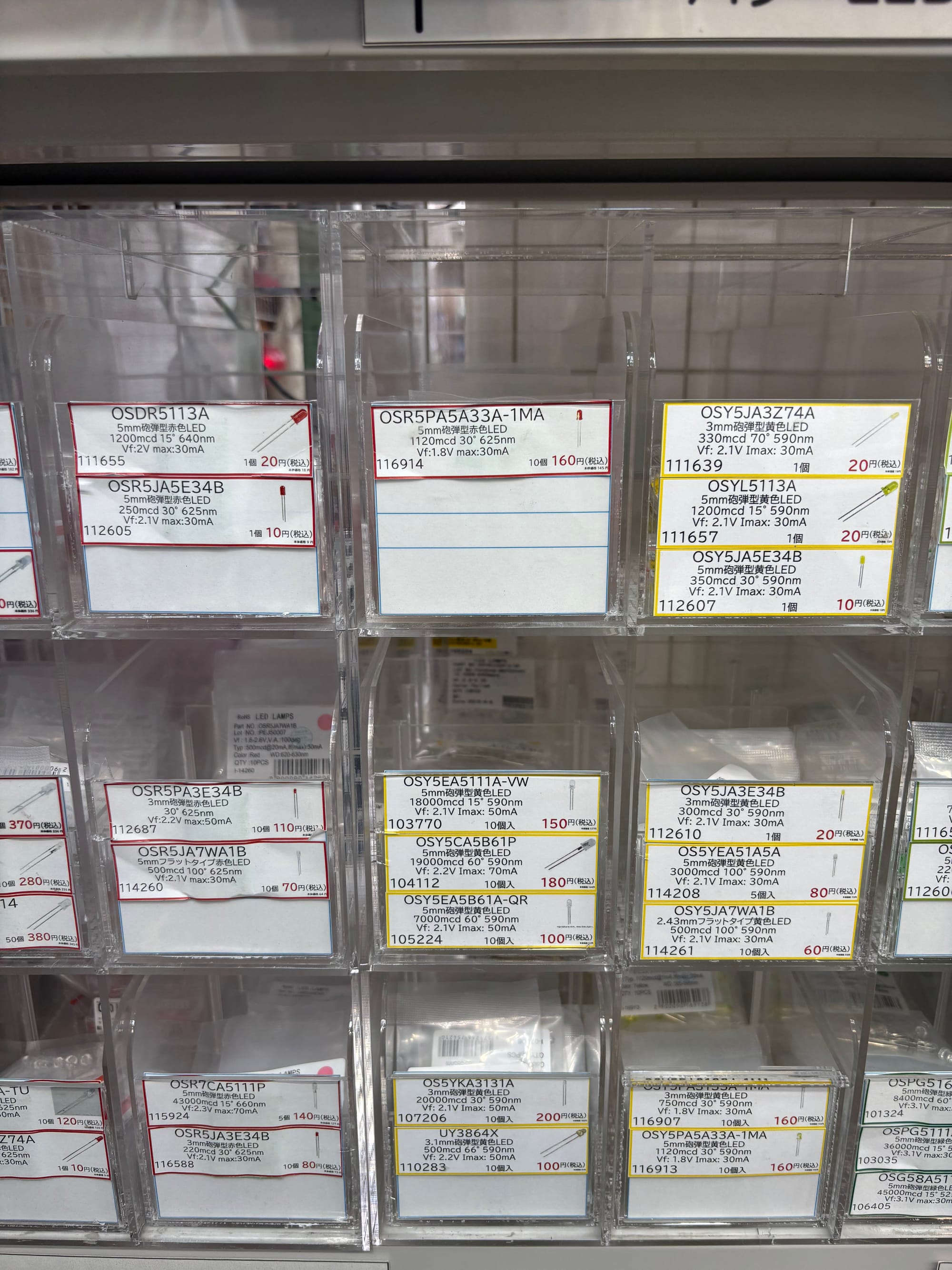
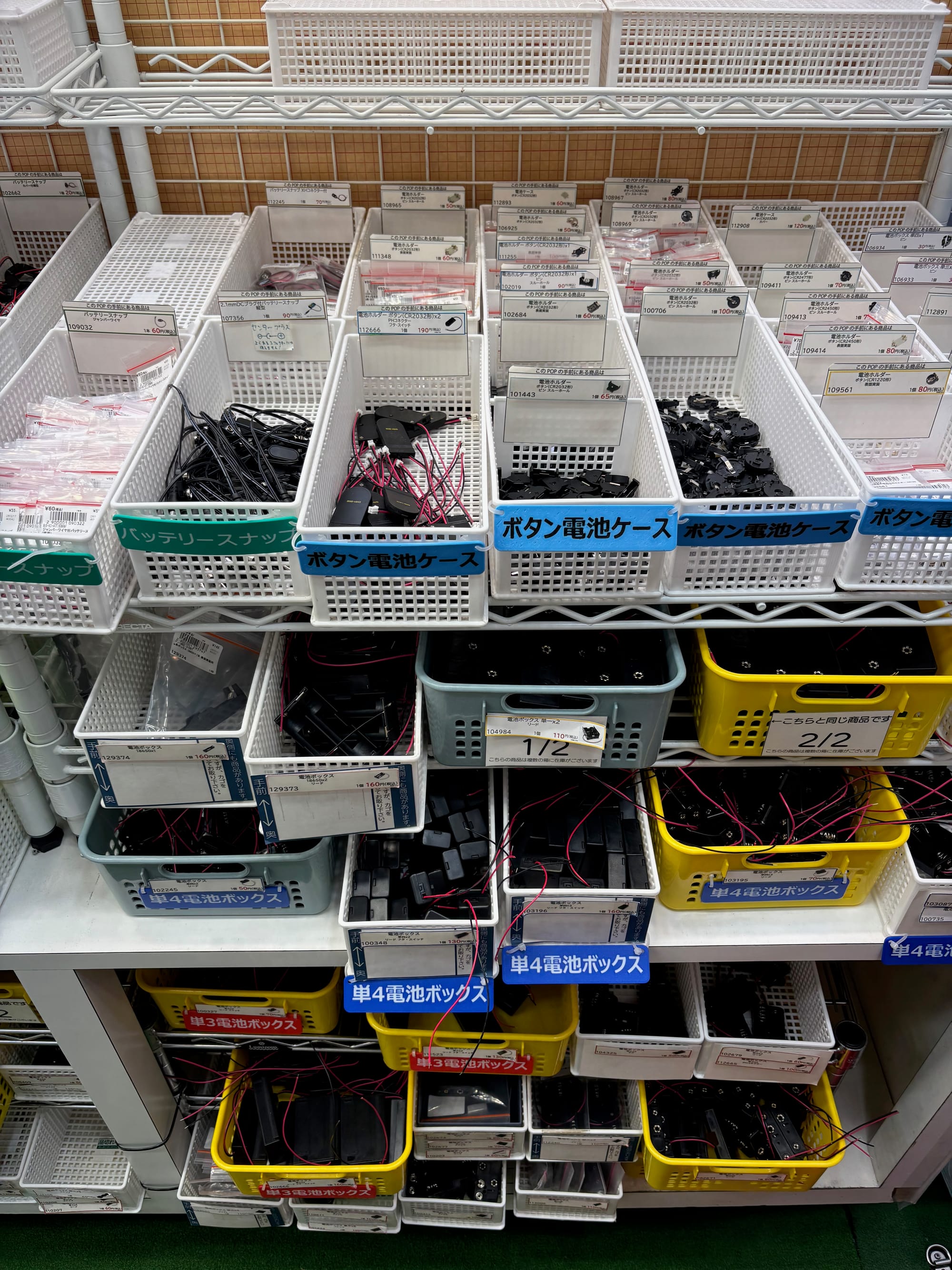
Akizukidenshi - an electronic hobbyist's paradise
So what IoT device do I have in mind?
For the longest time, I have always watered my plants based on observation. And when told why they die or aren't growing well, I get an inconclusive answer like "Oh, you gave your plant too little or too much water".
Conceptually, an IoT device that automatically waters a plant based on the soil's moisture levels will be ideal. If the soil is dry, water the plant. If it's moist, let it be. Such a device will also be a great help when I am away on holiday.
The IoT device should also store the data of the soil's moisture levels in the cloud. It will be quite interesting to plot out how the soil's moisture levels change during the seasons. And maybe, the data might shed some light on things to improve upon.
To keep things simple, I will first start by building an IoT device that measures soil moisture and transmits the data via Wifi to a spreadsheet. These are the components I bought from an electronics store called Akizukidenshi (Japanese: 秋月電子) the other day:
- Microcontroller: The "brains" of the IoT device that can be programmed using your own code. This device has a Wifi chip that allows it to connect to any Wifi network
- Capacitive Soil Sensor: Measures moisture levels based on the soil's capacitance
- 3 x 1.5V AA Battery Holder: To power the IoT device
- Breadboard: A board to hold all the electrical parts
- Jump Wires: To connect the various parts
Now comes the hard part - learning how to put the hardware together and writing the right code that will achieve the first iteration of this IoT device.
--Ends