WB080: "Ting Xie" Practise
I find reading comprehension or doukai (Japanese: 読解) one of the more challenging sections of the Japanese Language Proficiency Test (JLPT).
The doukai questions are multiple choice format, with each question having four choices to pick from. The questions are based on short, medium and long opinion-style excerpts from published books and articles.
More often than not, the questions centre around comprehending the author's main message. Or the point of view being conveyed by a specific section.
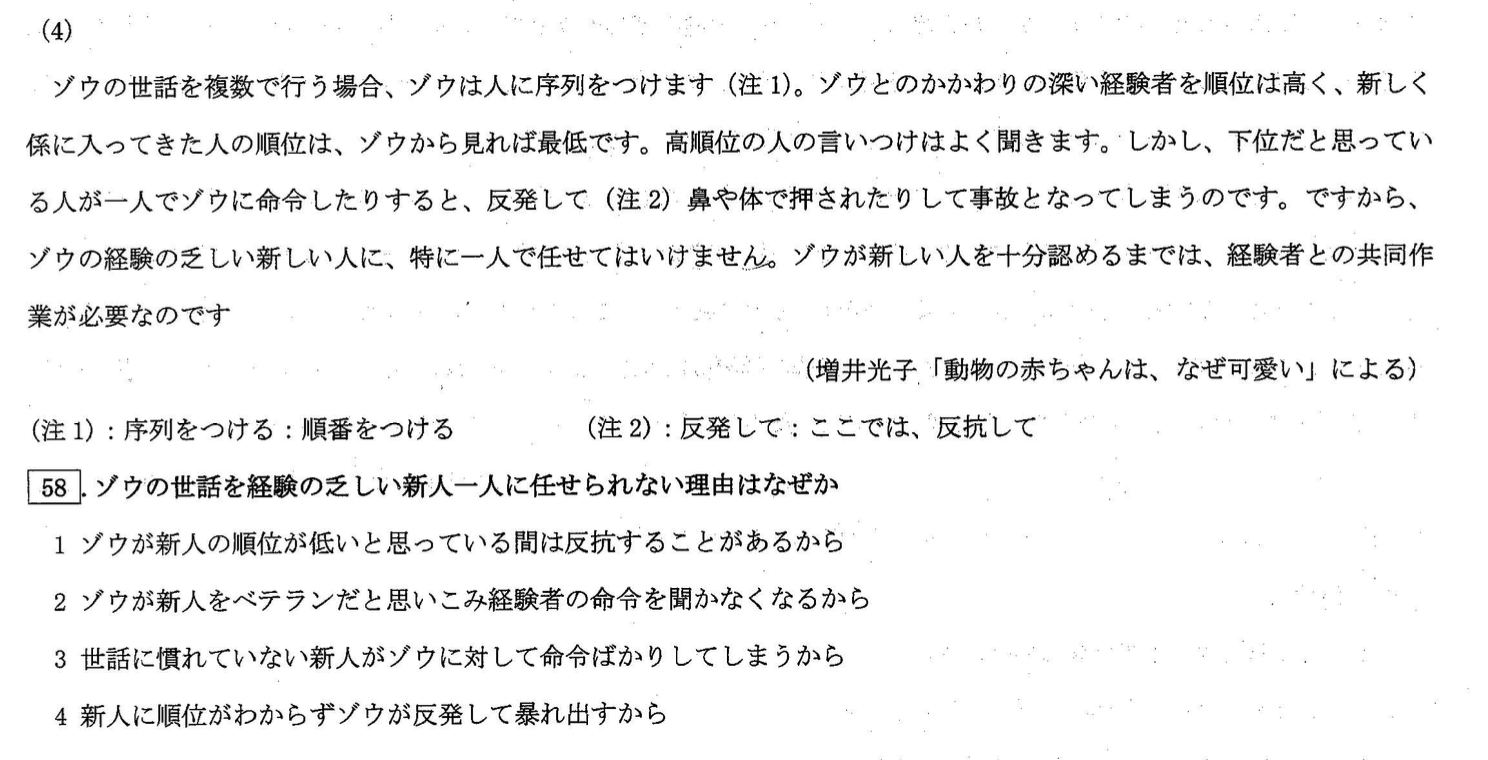
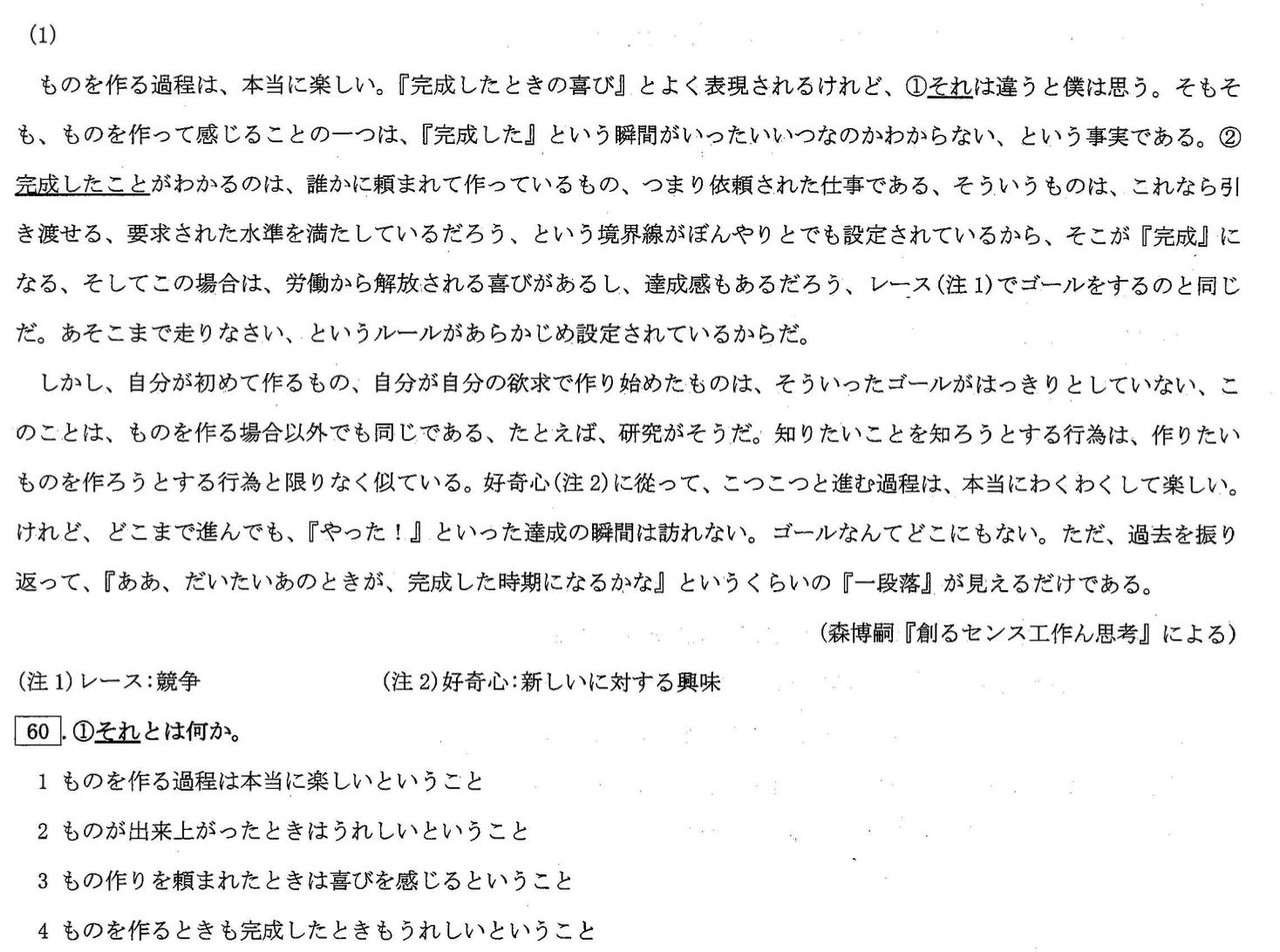
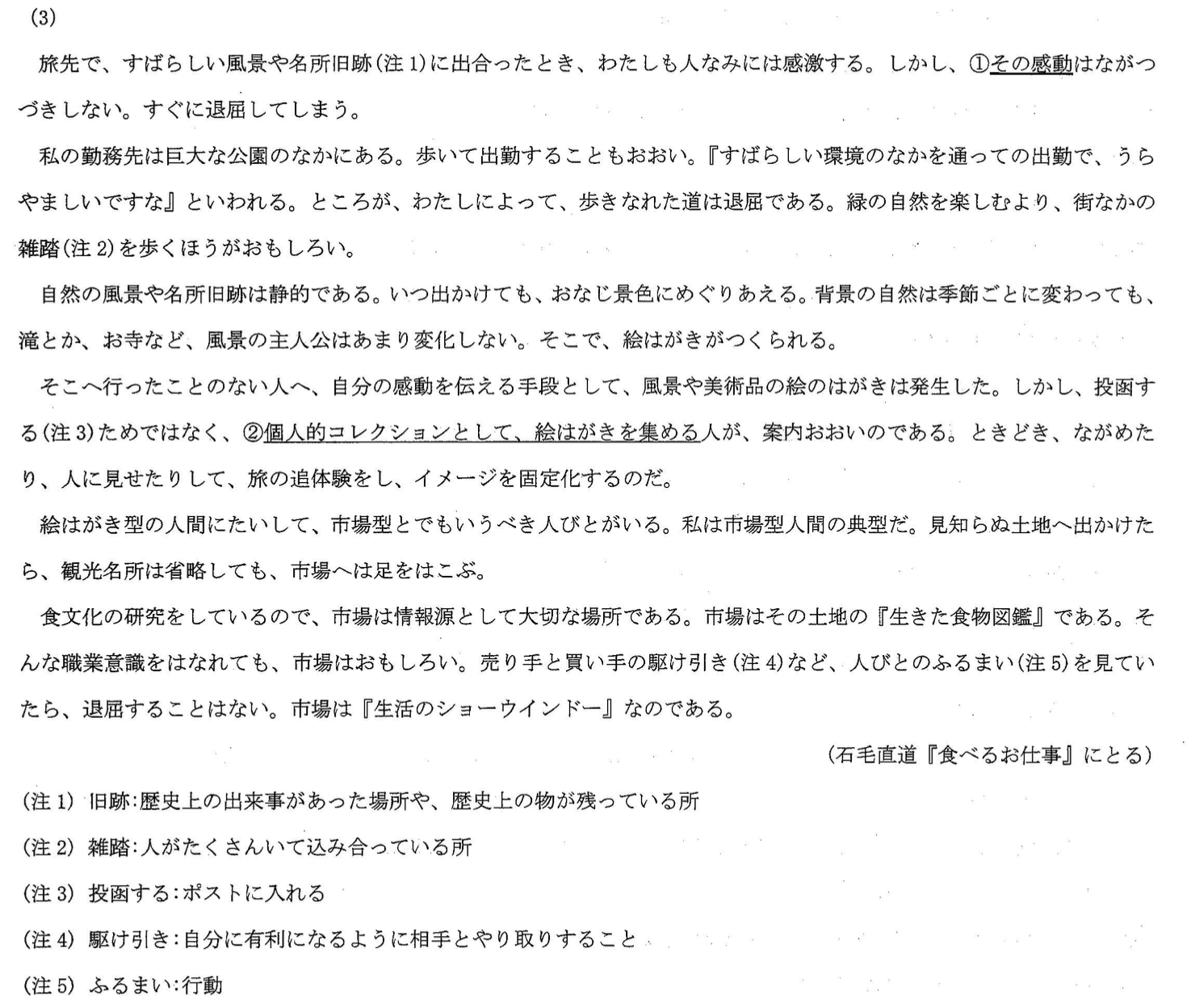
Reading comprehension!
For non-native level candidates, there is a recommended strategy to efficiently tackle the doukai section. First, read the questions and choices. Next, quickly search for the right answer in the passage.
The purist in me finds this counter-intuitive. Shouldn't you first read the passage, comprehend its meaning, then answer the question(s)?
Theoretically, yes. But in reality, this approach takes too much time. And you don't score extra points for doing more than what is needed.
Putting strategy aside, having a solid foundation in vocabulary (nouns, verbs and adverbs) and grammar is critical. Equally so is the ability to quickly retrieve information from your memory bank.
I have spent a fair amount of time experimenting with different educational software tools and recommended learning methods, especially those that promise quick returns for the least effort.
At the end of the day, I have concluded that there are no shortcuts to learning properly. One simply has to set aside enough time to read and proactively learn new vocabulary along the way.
Reading broadly better prepares you for the random writing styles you will encounter in doukai. Some authors string many ideas into long-winded sentences, while others convey their messages in a very subtle, indirect manner.
Being proficient in vocabulary is the bedrock to understanding what a sentence means, as the nuance easily gets lost when the meaning of one or two words is not clear.
Speaking of learning vocabulary, I find that ting xie (Chinese: 听写) - the equivalent of a Chinese spelling tests - is a fairly effective method.
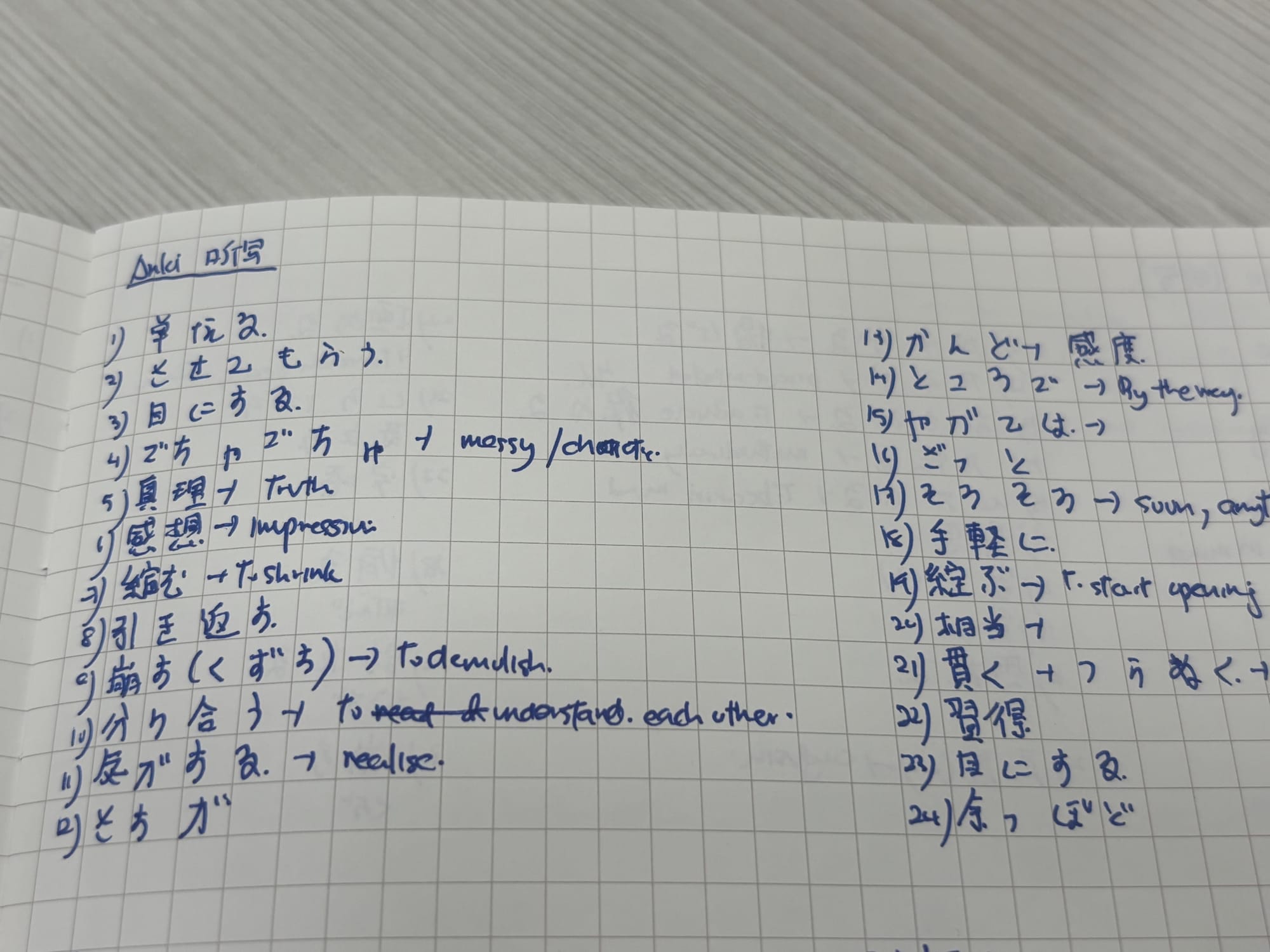
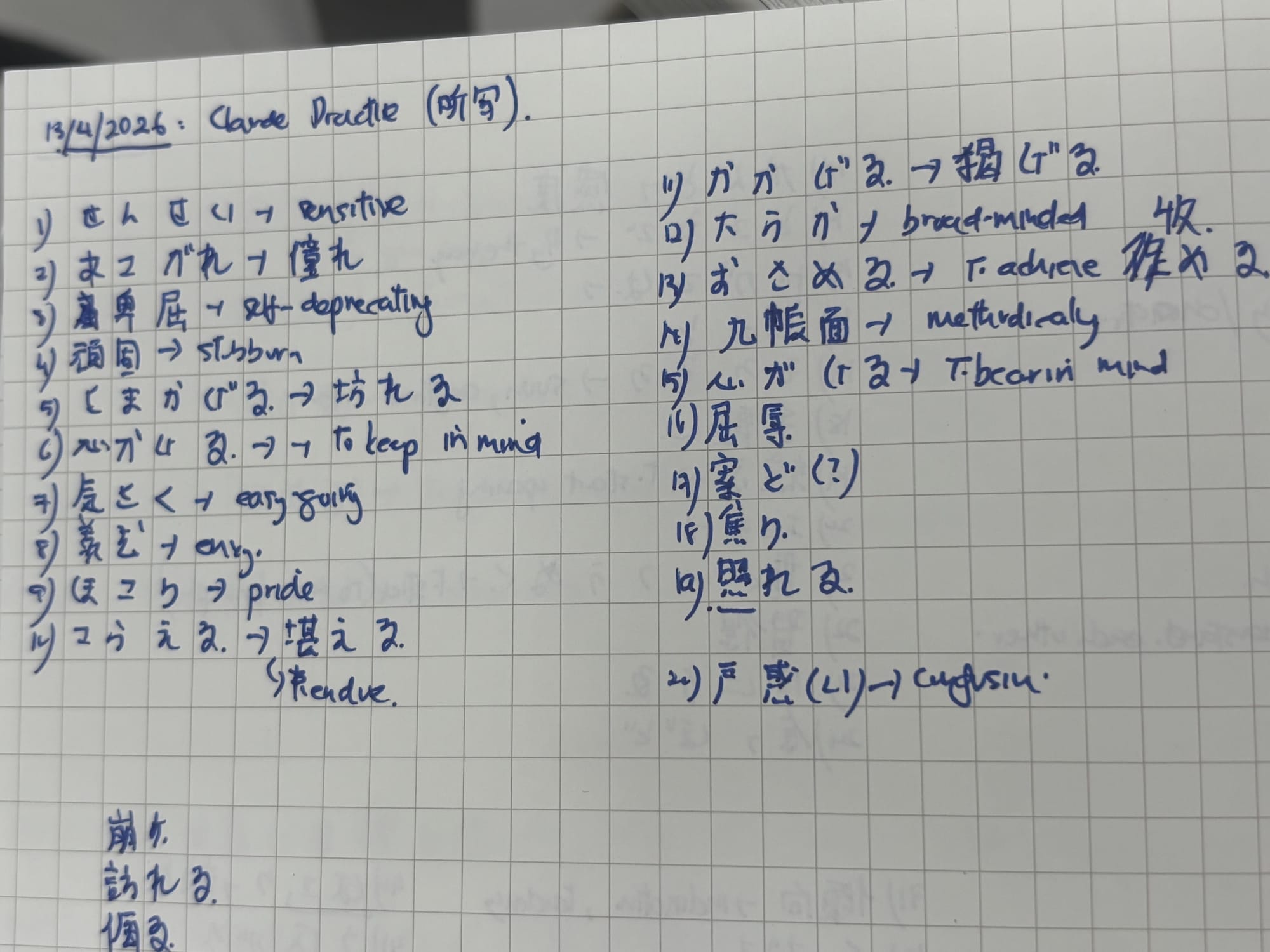
Back to basics - ting xie.
I used to have a Chinese ting xie test every other day in school, which I dreaded. The test took a lot of effort to prepare for and it was quite frustrating having to re-write characters that were difficult to commit to memory multiple times.
I don't know much about the scientific basis behind the effectiveness of ting xie, but something about the audio-to-orthographic (sound to text) repetition and doing these exercises with pen and paper help with memory retention.
Today, educators and parents probably consider ting xie an ineffective, old-school form of rote-learning. While this may well be the case, I am quite convinced that some form of rote learning is required.
The brain, after all, is a muscle that needs to be exercised. And tapping away on a screen does not really engage the brain, I feel.
Though ting xie is more tedious compared to learning apps, a part of me reasons that learning is supposed to be a time-consuming process, where the painful journey is just as beneficial as the outcome.
--Ends