WB079: Visiting Choshi
In Japan, inaka (Japanese: 田舎) refers to the rural countryside, conjuring an image of a place far removed from the bright lights and bustling sounds of the big city.
I like visiting inaka to explore the local sights, sounds and smells. Who knows, you might also stumble upon a novel and memorable experience. I think it is also important to visit and support these lesser-known areas, as they see very little of the tourist dollars that come to Japan's big cities.
We recently visited Choshi (Japanese: 銚子), a small coastal town I consider an inaka that is situated in Chiba Prefecture (Japanese: 千葉県).
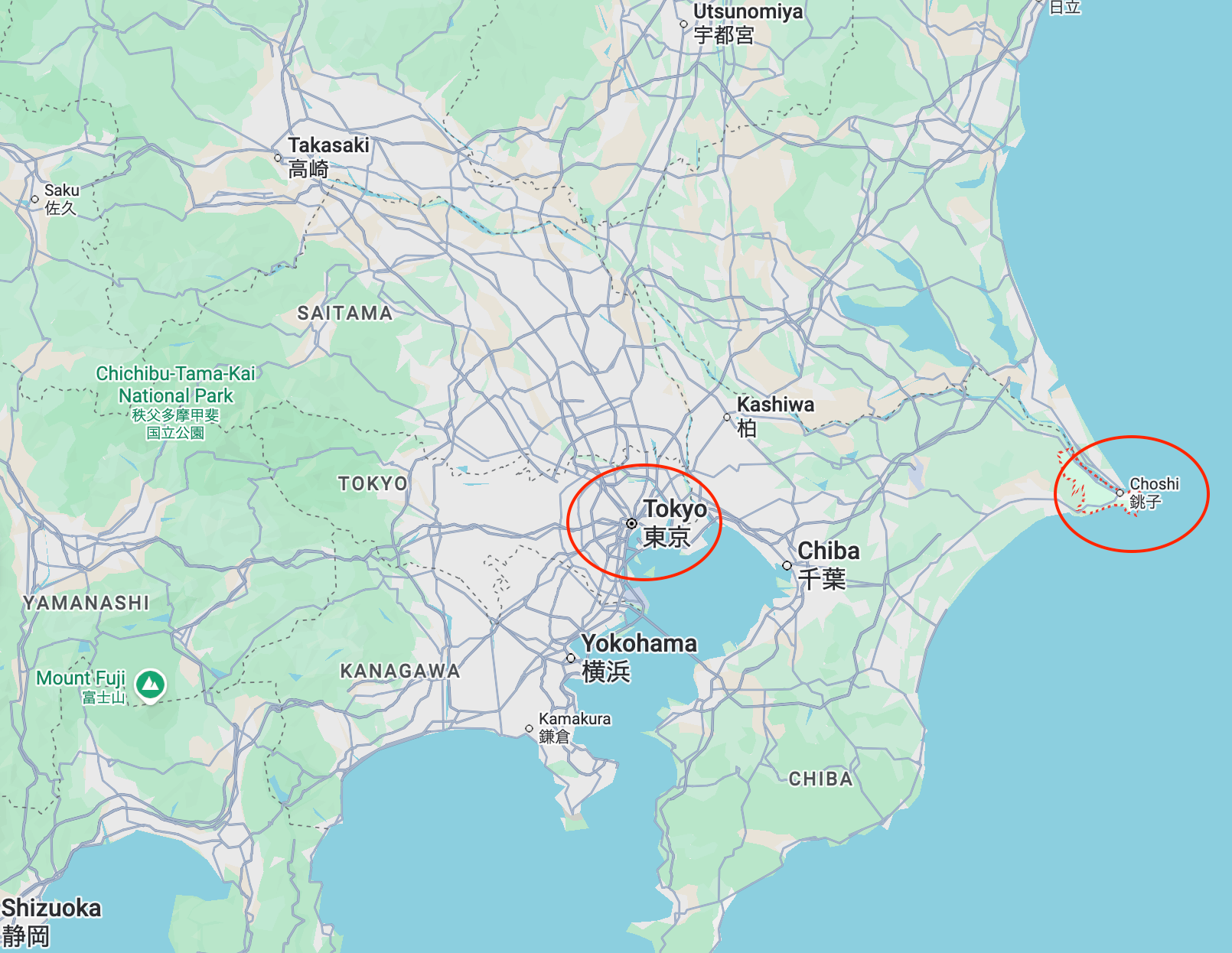
The journey was about a two-and-a-half hour long bus ride from Tokyo Station (Japanese: 東京駅). For the return leg, we hopped on a train that took about two hours. Both transport options were comfortable.
Most people associate Chiba Prefecture with Narita International Airport (Japanese: 成田空港) or Tokyo Disneyland. These places aside, I don't think Chiba features heavily in many travel itineraries of foreign tourists.
Choshi is even lesser-heard of. A relatively small city with a population of just under 60,000 people, its economy is mainly driven by the agriculture and fishing industries.
To locals, Choshi is best known for being the city in the easternmost point of the Kanto (Japanese: 関東) region. This means it gets the region's first sunrise. The city is also home to two well-known shoyu (Japanese: 醤油, English: soy sauce) makers called Yamasa (Japanese: ヤマサ) and Higeta (Japanese:ヒゲタ), which have histories dating back to the Edo (Japanese: 江戸) period (1601 - 1868).
Prior to our trip, I made mention of our Choshi plans to a couple of people. I got the same response:"Choshi? That is far! Why do you want to go there?".
Truth be told, we were curious about visiting Choshi as a local izakaya (Japanese: 居酒屋) we frequent proudly sources its seafood from there. The izakaya's seafood dishes are always fresh and priced very reasonably.
The space also has a fun, laid-back vibe to it - an Ikea BLÅHAJ soft toy shark is hung up whenever the place is open for business.
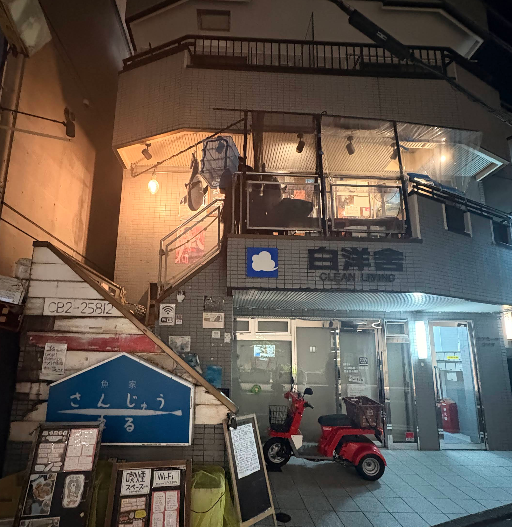
Source: Google. Look out for the Ikea shark soft toy!
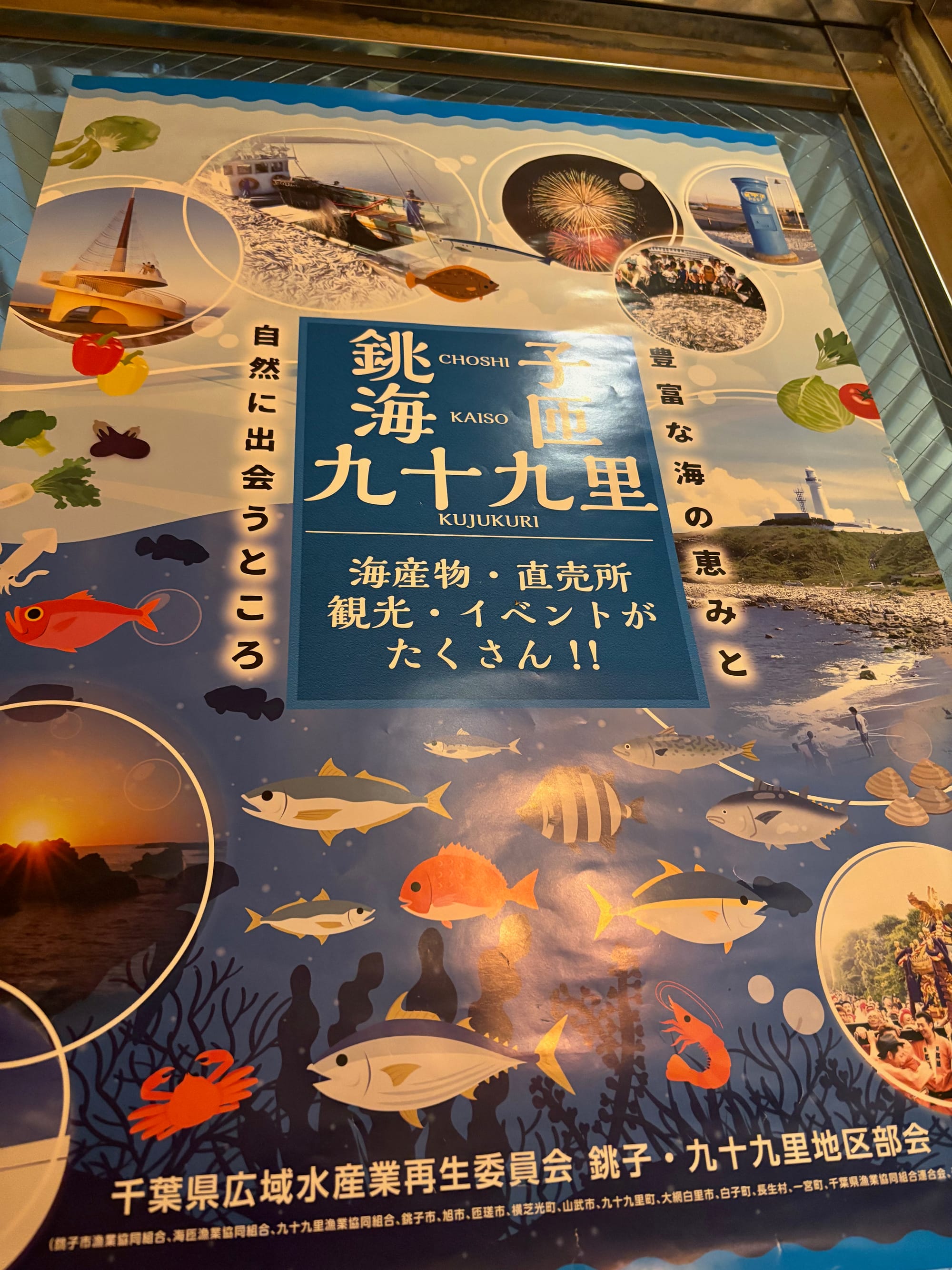
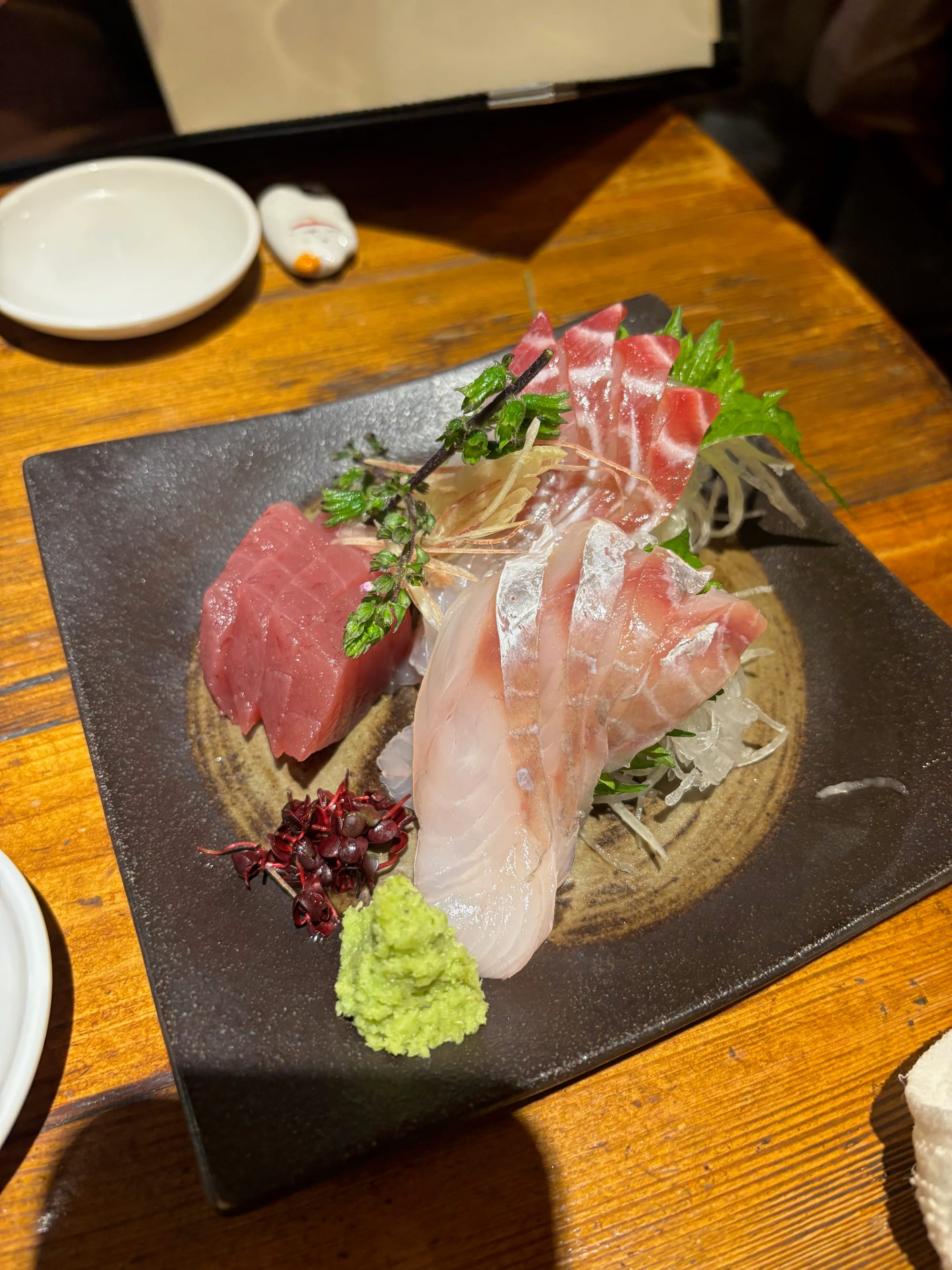
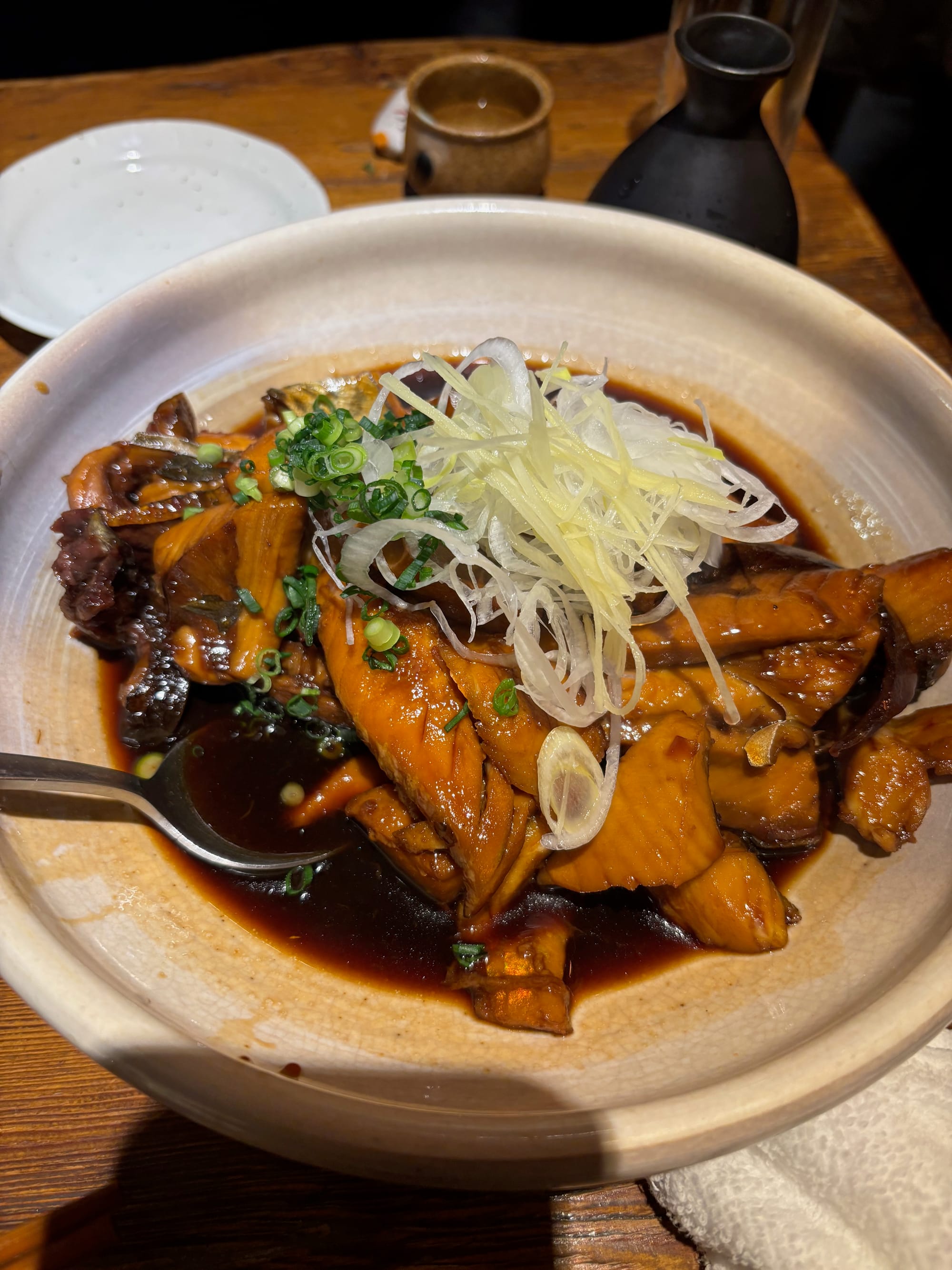
Fresh and delicious seafood, and Choshi advertising material.
Despite the less-than-enthusiastic response from the people I spoke to, I found Choshi to be a pleasant inaka that makes for a great weekend retreat.
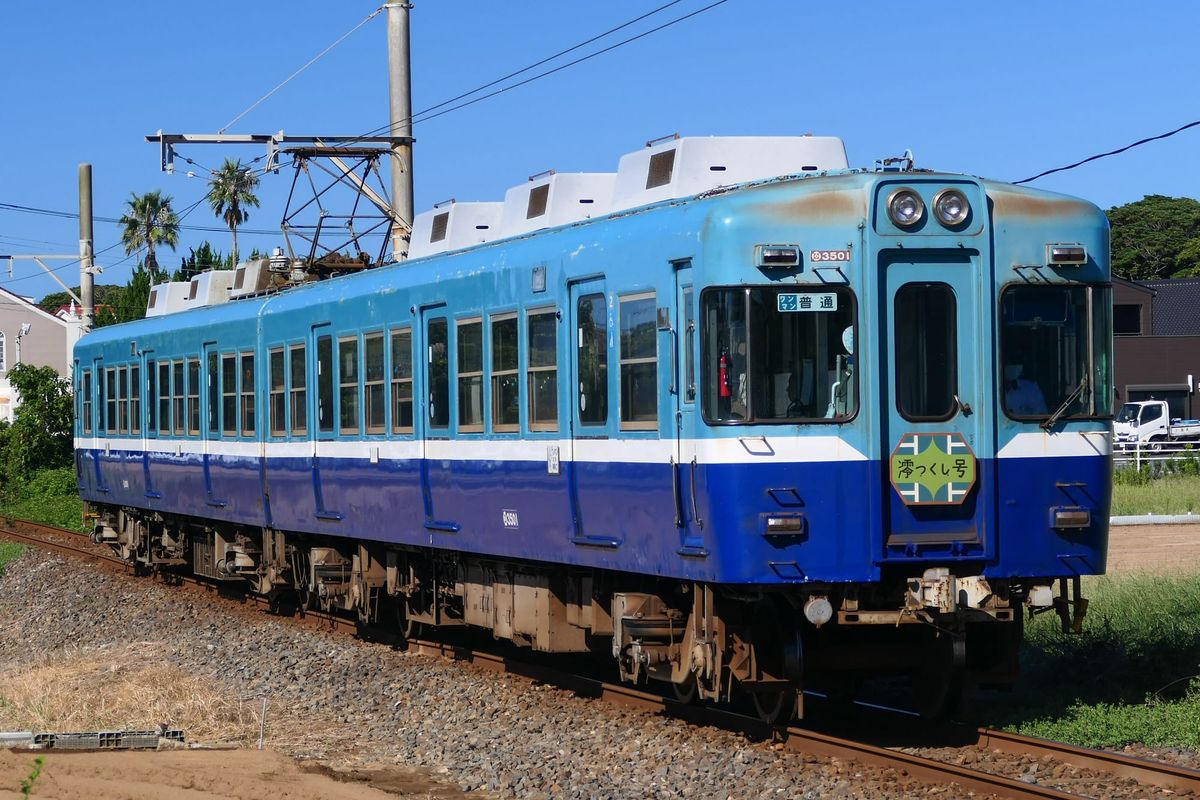
The highlight of our trip was riding the 6.4km Choshi Electric Railway Line (Japanese: 銚子電気鉄道線), owned and operated by privately-held Choshi Electric Railway ("Choshi Electric").
Choshi Electric has a peculiar business division that manufactures and sells its own-branded nuresenbei (Japanese: ぬれ煎餅), which are rice crackers soaked in soy sauce.
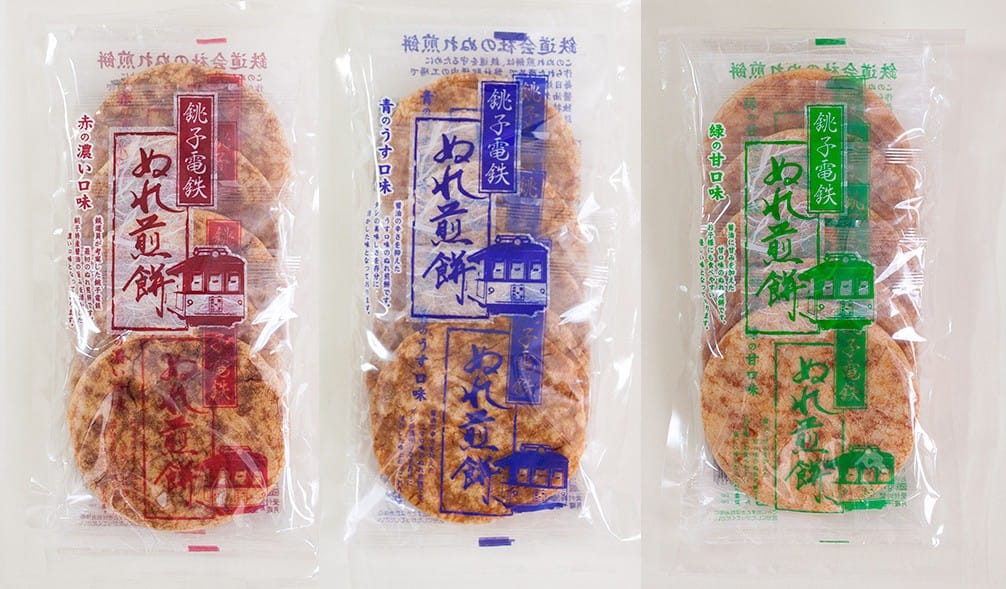
There is a sad, yet feel-good story behind the company's move to venture into the snack business.
Due to rapid depopulation and falling tourist numbers, Choshi Electric's ticket sales declined precipitously. As a result, the company faced the prospect of insufficient funds to cover its operating expenses, along with the necessary capital expenditures to maintain its tracks.
According to Choshi Electric, annual ridership in the 1950's was around 2.5 million passengers. By the 1990's, this had dropped to below 1 million.
Matters were made worse due to a JPY100million (US$630,000) embezzlement scandal in 2006 involving its then president. This material loss threatened the existence of the railway company.
Faced with the prospect of bankruptcy and shutting the railway line for good, Choshi Electric came up with the idea to market its nure-senbei - a product launched as a side project a few years earlier - as a means to save the company.
The product thankfully received strong support and Choshi Railway was able to continue operating. You can read more about this story here.
For a more novel adventure next time, try and pay a visit to an inaka like Choshi!
--Ends