WB006: The SPACIA X experience
Growing up, I had a toy train track I'd spend hours arranging and re-arranging. I don't recall having the actual toy train to "run" on the track, but I still had a lot of fun.
Trains are mechanically fascinating, as they efficiently and reliably (if operated well, of course) transport large volumes of people and goods.
Throughout history, the railway train has been a key enabler in modernising and boosting economies around the world.
If there's one country that takes its trains seriously, it's Japan! In addition to the Japan Railways Group, there are 16 major private railway companies in Japan.
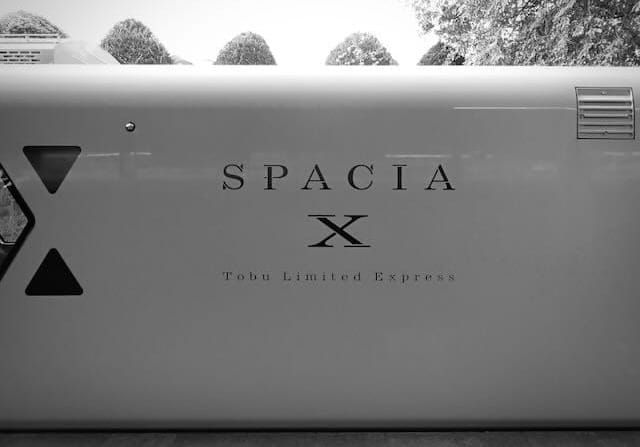
A major highlight of this year's summer break was taking the SPACIA X Limited Express train to Nikko (Japanese: 日光). Nikko is located in the Tochigi Prefecture (Japanese: 栃木県) and about 150km to the north of Tokyo.
According to my trusty Frommers guide, Nikko means "sunlight" and is most famous for being the resting place of Tokugawa Ieyasu, a powerful real-life shogun of the 1600s.
More on Nikko another time. For now, back to the SPACIA X.
What is SPACIA X?
Owned and operated by Tobu Railway Co., Ltd. (Tobu Railway)(TYO:9001), SPACIA X is the company's latest and most advanced product offering.
On July 15th, SPACIA X celebrated its first anniversary.
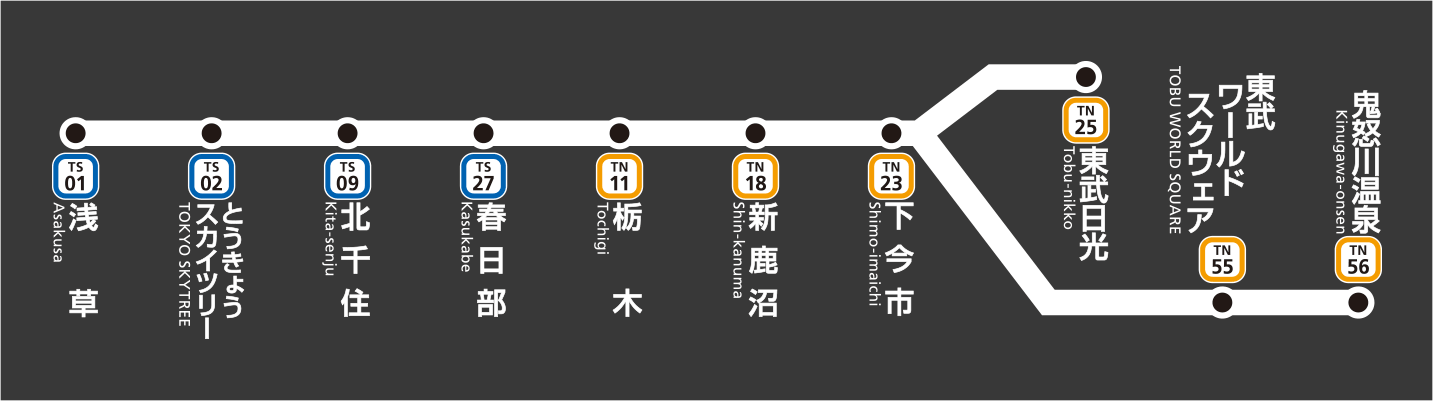
SPACIA X starts at Asakusa Station (Japanese: 浅草) and ends at either Tobu-nikko (Japanese: 東武日光) Station or Kinugawa-onsen (Japanese: 鬼怒川温泉) Station. Our travel time (to Tobu-nikko) on the SPACIA X train was around two hours.
The train has six carriages with six seating configurations: Cockpit Lounge, Cockpit Suite, Premium Seat, Standard Seat, Box Seat and Compartment. We used the Cockpit Suite service for the outbound leg and the Premium Seat service for the inbound leg.
The SPACIA X experience
For train lovers, the Cockpit Suite is worth the experience: large, see-through glass panels separate the cockpit from the passenger compartment, giving passengers a clear view of the train captain navigating the railroad ahead.
There were many excited passengers - both adults and kids - who stopped by the cockpit to take photos.
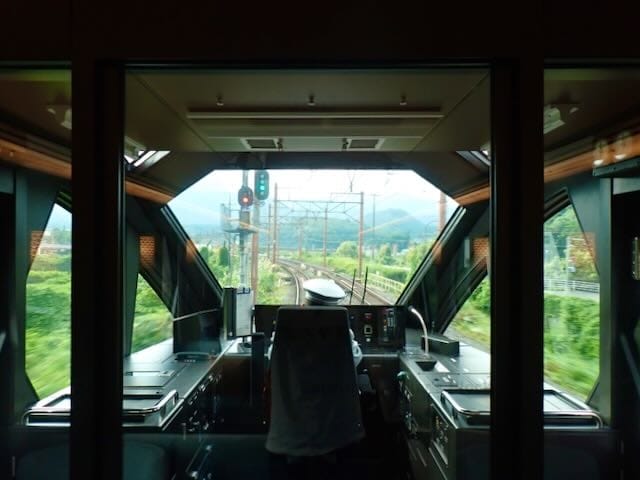
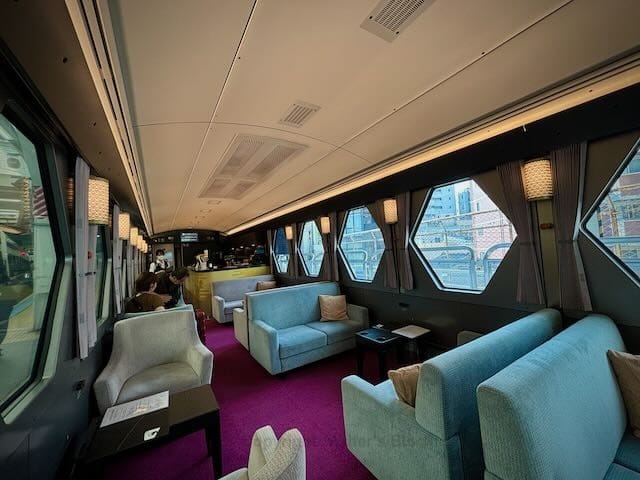
The Cockpit Suite experience
The experience reminded me of the pre-September 11 days, when pilots allowed passengers (usually kids) to enter an airplane's cockpit. I believe these are valuable experiences that inspire children to dream big.
Completing the SPACIA X experience, was the availability of food & beverage manufactured by Tochigi Prefecture-based companies
This is a great marketing initiative that highlights the quality products of independent, smaller businesses. A short background explaining each product also entices customers (like me) to spend a little.
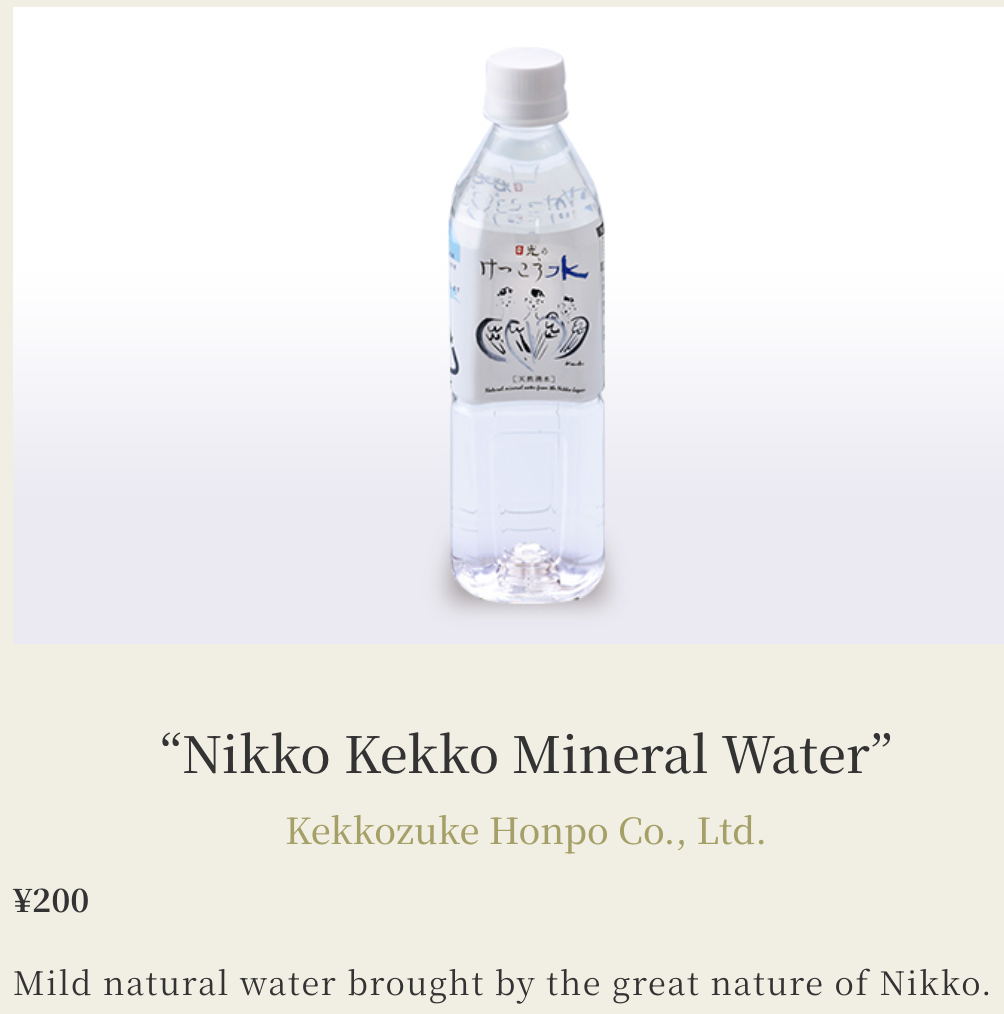
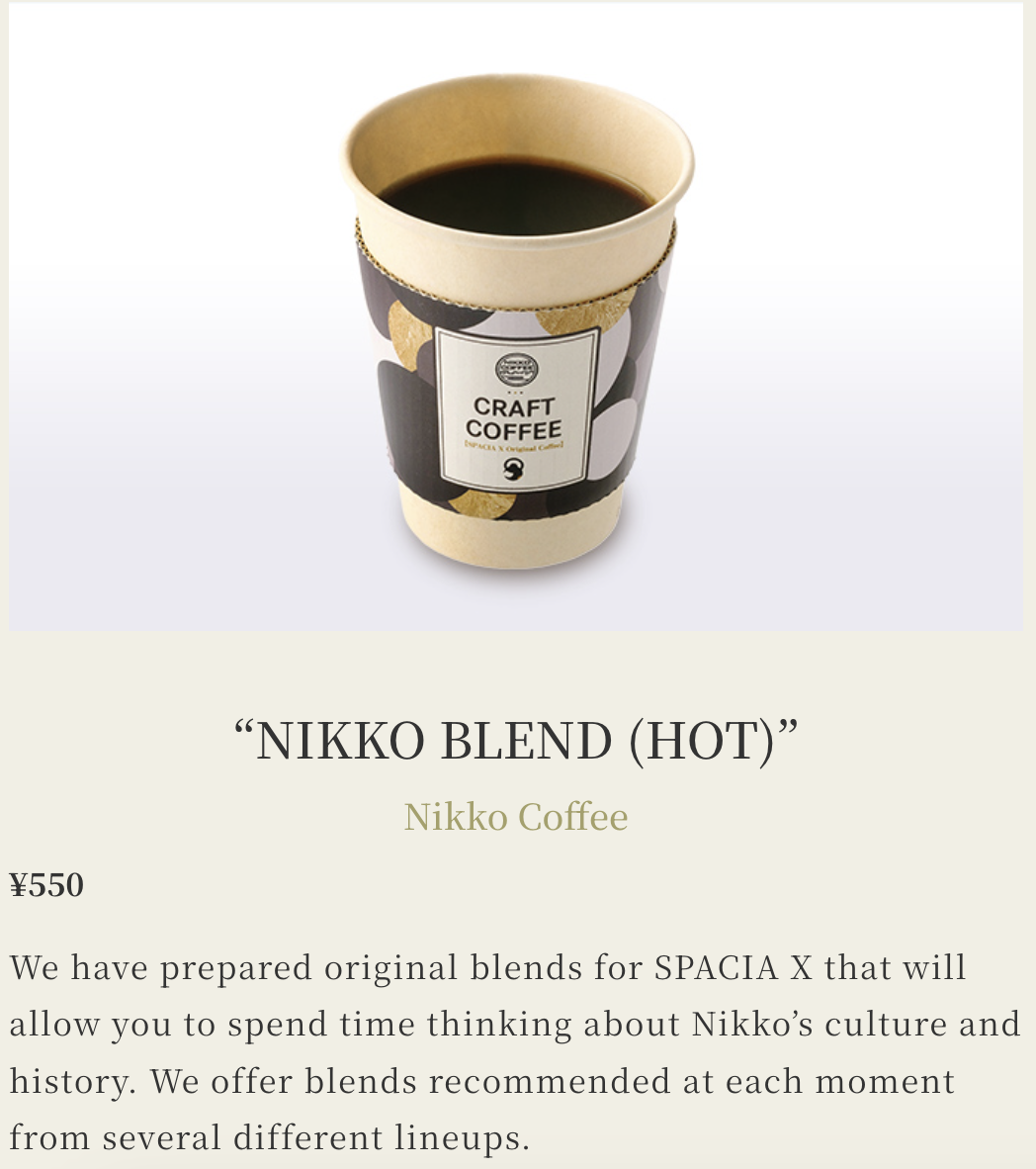
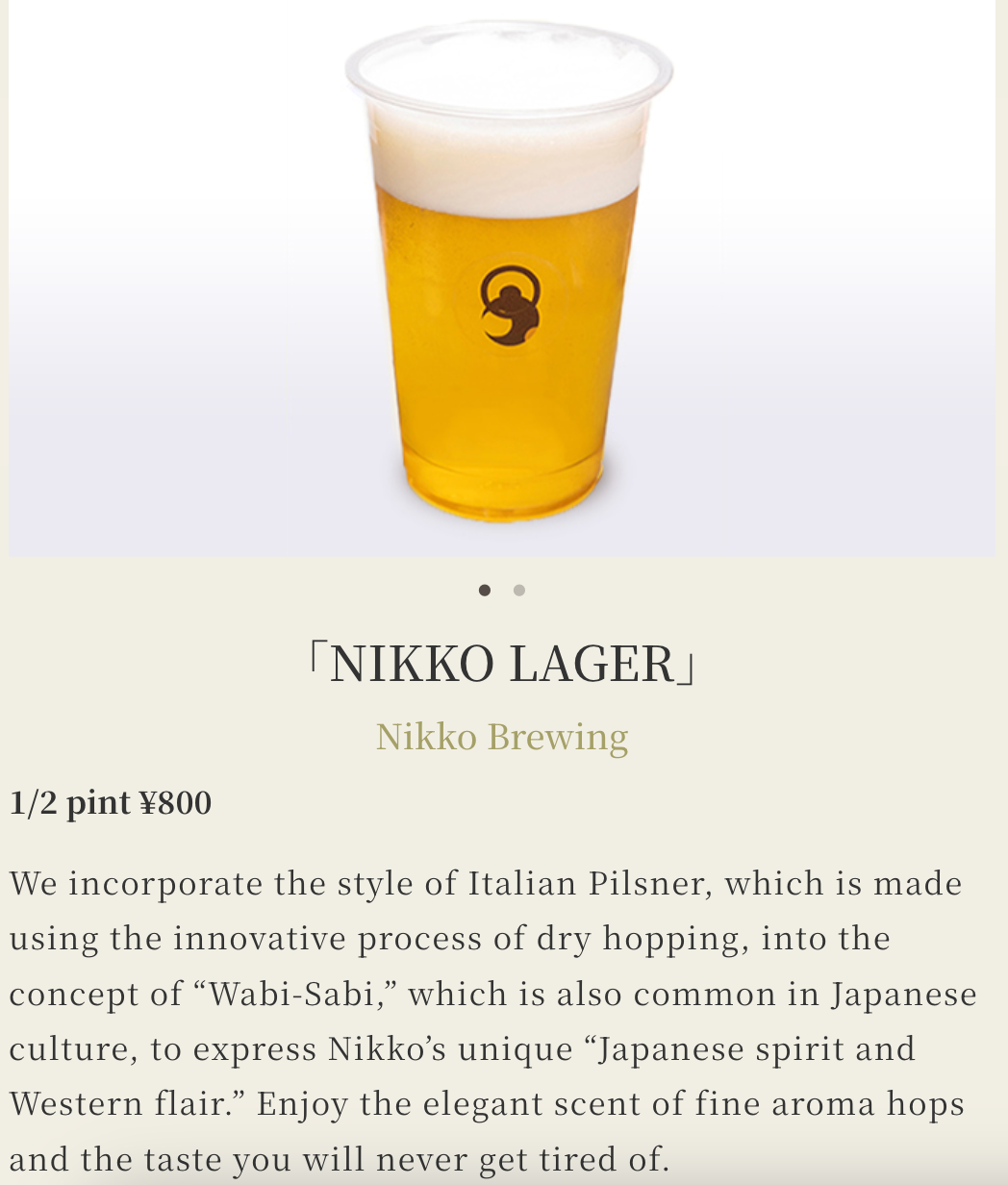
Gentle, hard-sell
A rare experience
For the return leg, we took a local train from Tobu-nikko Station to Shimo-imaichi (Japanese: 下今市) Station, where we boarded the Tokyo-bound SPACIA X.
This station is a worthwhile stop for train enthusiasts, as the Shimo-imaichi Station is home to the steam locomotive-powered SL Taiju (Japanese: 大樹) train1. SL stands for "steam locomotive". These days, it is increasingly rare to see or ride a steam locomotive train, says Tobu Railway.
Shimo-imaichi Station also houses a steam locomotive depot and turntable. To the left of the turntable, is a viewing area for train enthusiasts to experience the SL Taiju being redirected using the turntable.
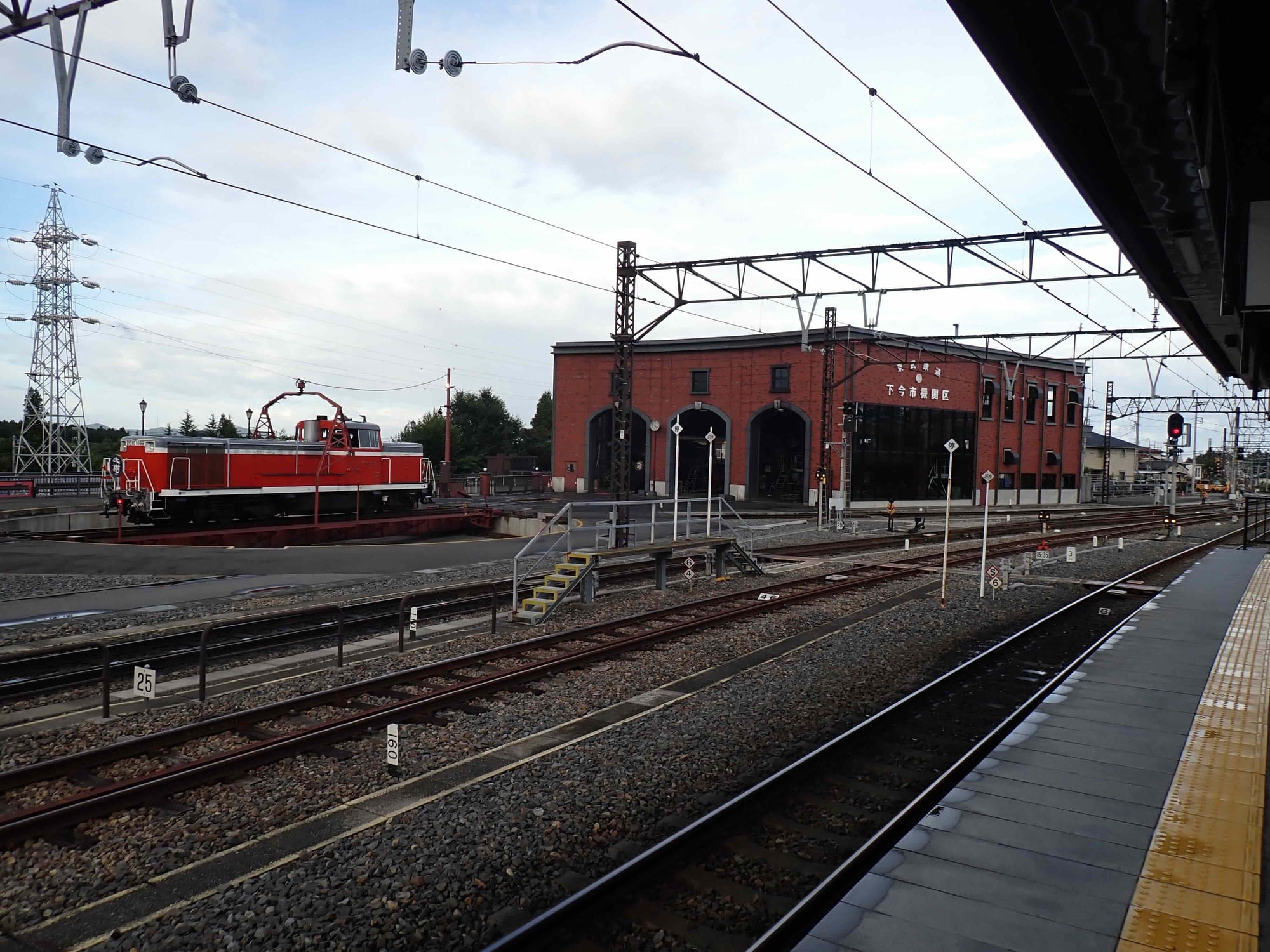
SL Taiju's journey ends at Kinugawa-onsen Station, with a stop along the way at Tobu World Square Station.
Tobu World Square, a theme park featuring 1/25-scale, famous architecture and heritage sites from around the world, is located at this station. As the name suggests, Tobu World Square is owned and operated by Tobu Railway.
This got me wondering: why does a railway company own a theme park? And what other businesses does Tobu Railway engage in?
Kanto's largest private railway operator
Tobu Railway is the Kanto region's largest private railway operator, owning 463.3km of railway. The company is listed on the Tokyo Stock Exchange and has a market capitalisation of around JPY520 billion (US$3.5 billion).
Tobu Railway's business units are broken into Transportation, Leisure, Real Estate, Retail Distribution and Other. On the whole, the company is profitable.
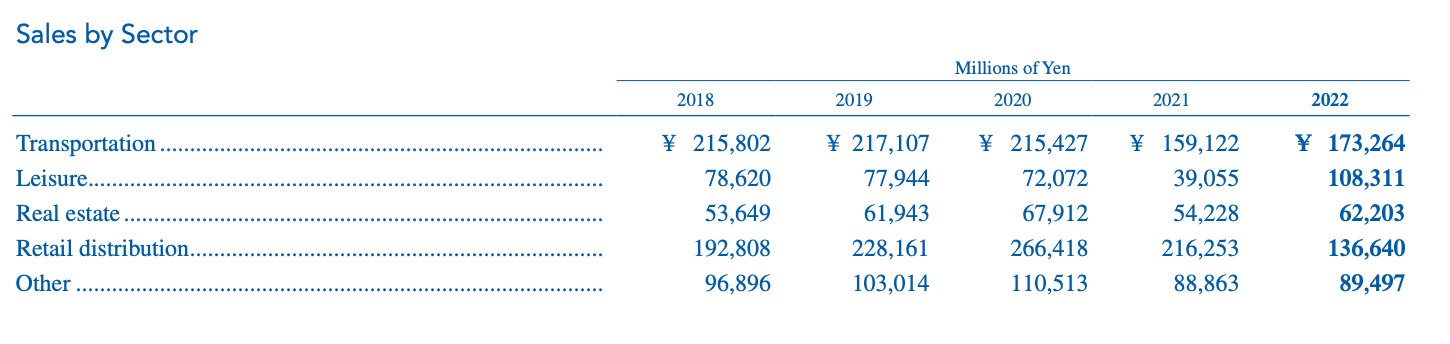
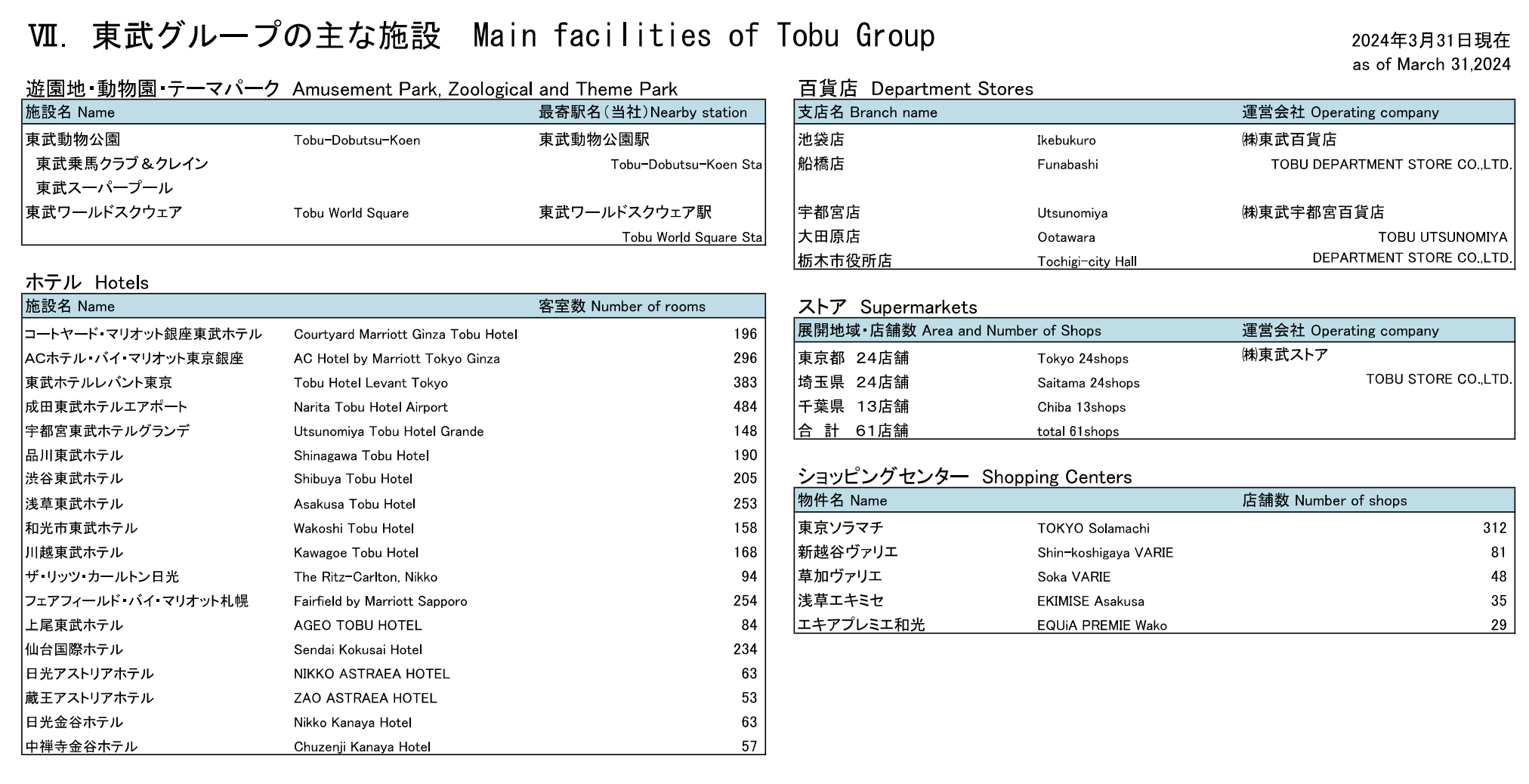
What's interesting is that other Japanese railway companies - such as Tokyu Corporation (TYO: 9005) and Seibu Holdings (TYO: 9024) and Japan Railway group of companies - also anchor property-related businesses around their rail operations.
Provided your company is competent, I think this business model makes a lot of sense. After all, if you're in the business of moving people between stations, why not monetise the area around these stations by building malls, hotels and apartments?
In another post, I will talk more about the Nikko Kanaya Hotel (Japanese: 金谷ホテル), the oldest Western-style hotel in Japan founded in 1873.
This hotel is (surprisingly or unsurprisingly) majority-owned by Tobu Railways.
--Ends
1 According to Tobu Railway, "The name SL Taiju, with SL meaning "steam locomotive" and "Taiju" meaning "great tree," was chosen in honor of the celebrated shogun Tokugawa Ieyasu whose mausoleum is located in Nikko Toshogu Shrine, one of the shrines and temples of comprising the World Heritage Site. Ieyasu was also referred to by the name Taiju."