WB010: Reading my first Japanese book
Reading regularly is an important habit to cultivate. It trains our concentration, improves our knowledge and strengthens our grammar & vocabulary. It is therefore important to cultivate the habit of reading regularly when you're young.
I remember being pushed to read more Mandarin books and newspapers when I was growing up. But I felt this was a chore because there were so many unfamiliar words and I was lazy to look them up in a dictionary.
A vicious cycle soon developed: the less I read, the harder it became to catch up. And as time and tide wait for no man, my Mandarin did not progress.
Since moving to Japan, I have made a conscious effort to improve my Japanese. Part of this effort involves regularly reading Japanese content, such as NHK's News Web Easy.
Now that I am able to easily read 1 - 2 articles day, I have been on the look out for longer-form content like a book.
Reading about life in olden day Japan
One day, I was browsing the children's section in the Setagaya Library and came across a book written by Shunpūtei Shōta (Japanese: 春風亭 昇太) called "Mukashi no kurashi, mukashi no dougu, korenaani?" (Japanese: 昔の暮らし昔の道具 これなあに?).
The literal translation of this title is "Life in the old days, Tools of the old days, What is this thing?".
As the title suggests, the author gives readers insights into life in olden day Japan and recounts the technological advancements in everyday tools such as rice cookers, lamps and cooking stoves.
It turns out Shōta-san is a well-known comedian in Japan - all the locals I showed the book to recognised him. His portrait on the book cover is similar to how he looks in real life.
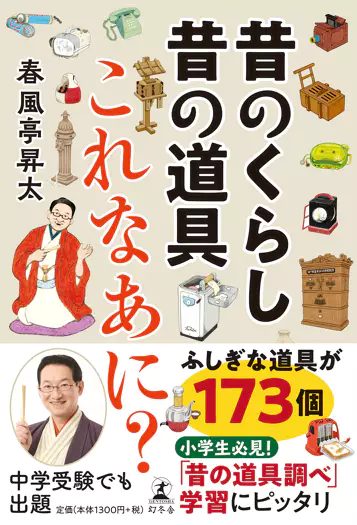
I am currently about 40% into this book and it has been a challenging, yet fulfilling journey so far.
The harder you try, the less hard it gets
In the beginning, I found the book difficult to read.
Firstly, I did not recognise a lot of vocabulary. And secondly, Japanese sentences are a string of characters with no spaces, making it hard to separate nouns, verbs and particles.
For example, "日本人は弥生時代から米を食べてきました." (Translation: Japanese people have been eating rice since the Yayoi period)
Thankfully, by forcing myself to power through and using a dictionary, my journey has improved.
It has become easier to recognise commonly-used particles and conjunctions, simplifying the task of understanding the context of each sentence. Is the author explaining the reason for a given scenario? Is he listing out a sequence of actions? Or is he stating a fact?
Secondly, pictorial illustrations showing the tools being talked about help me anticipate the meaning of the chapter. As a result, the scope of known unknowns is more limited.
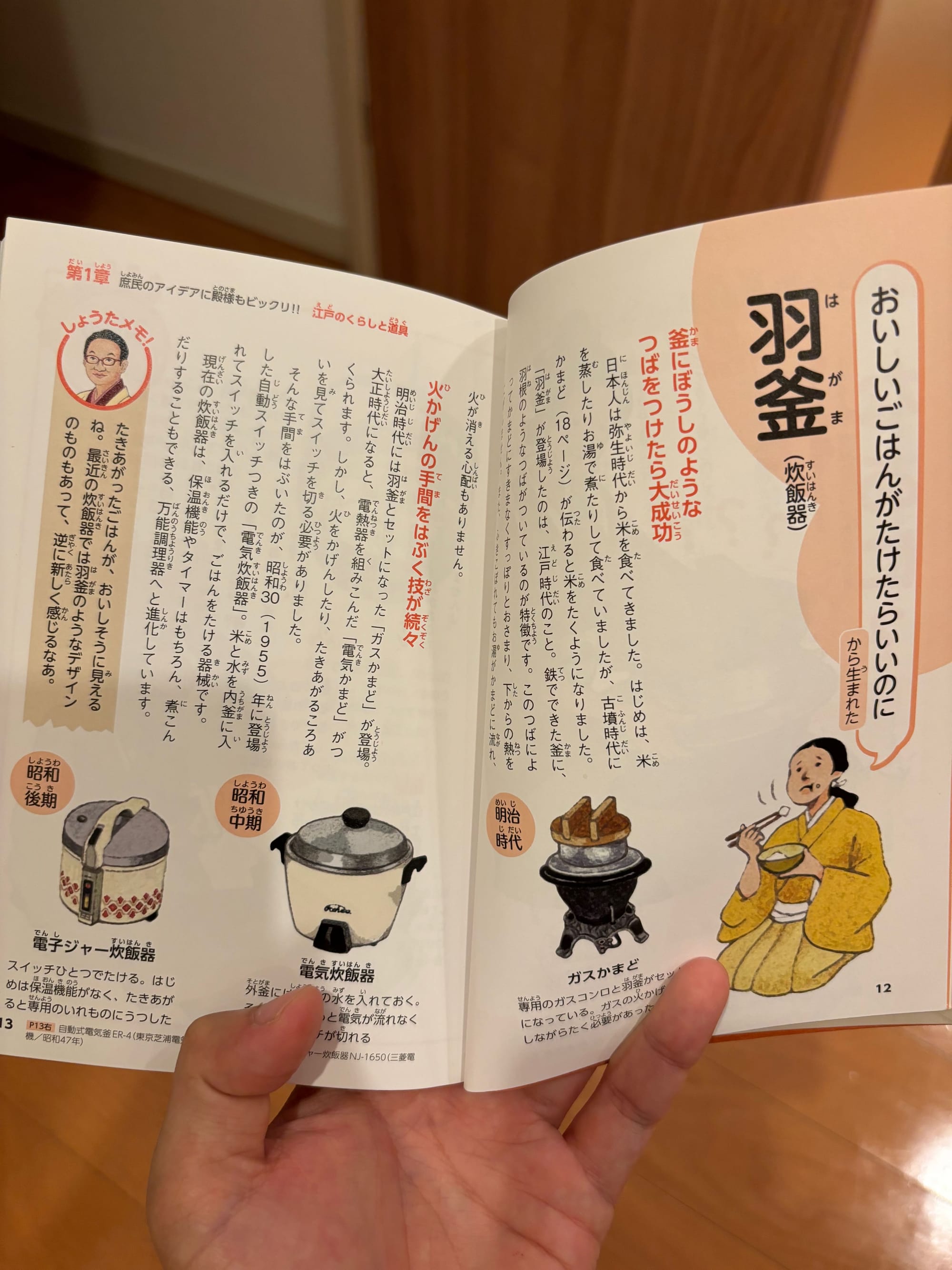
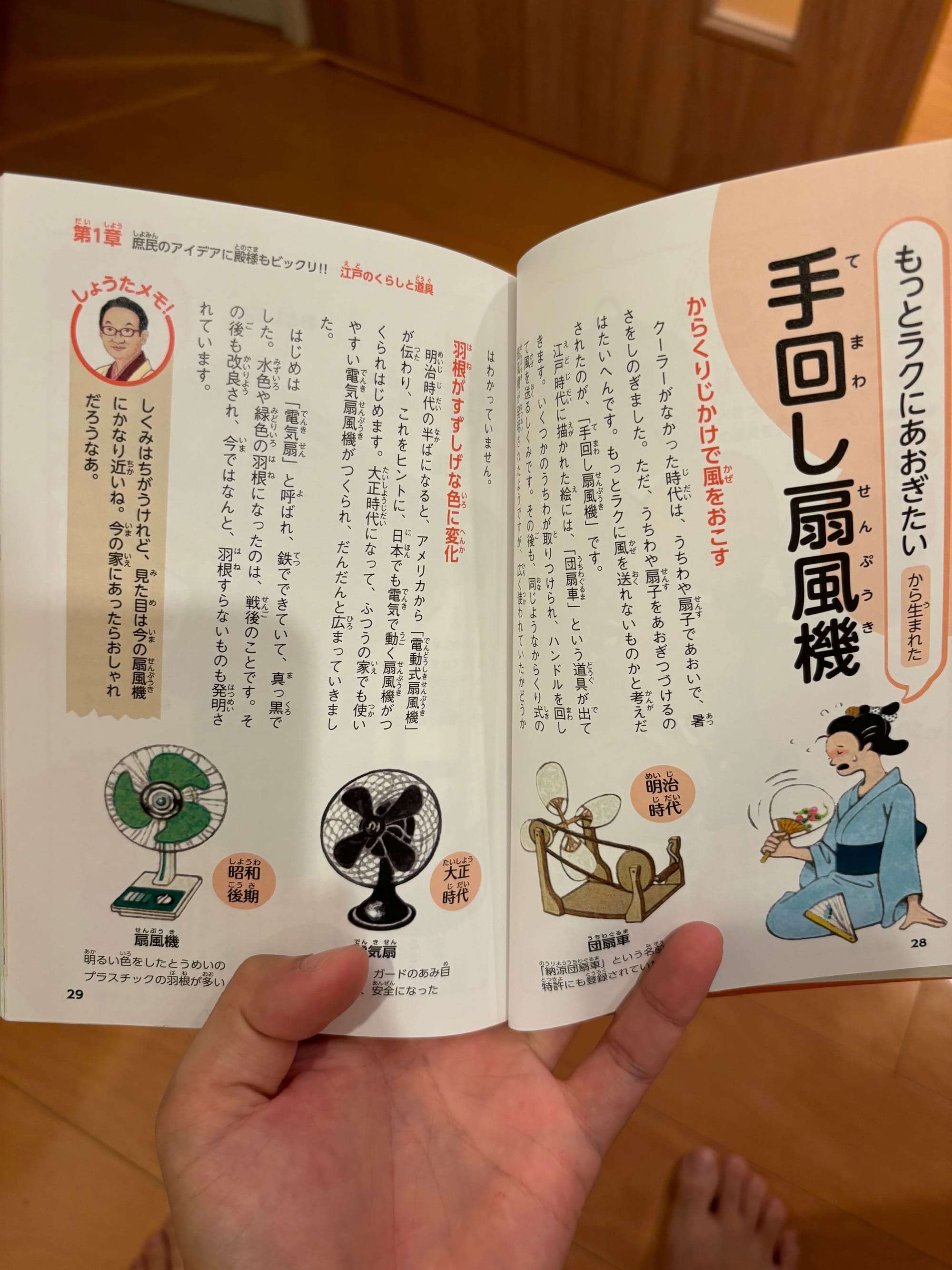
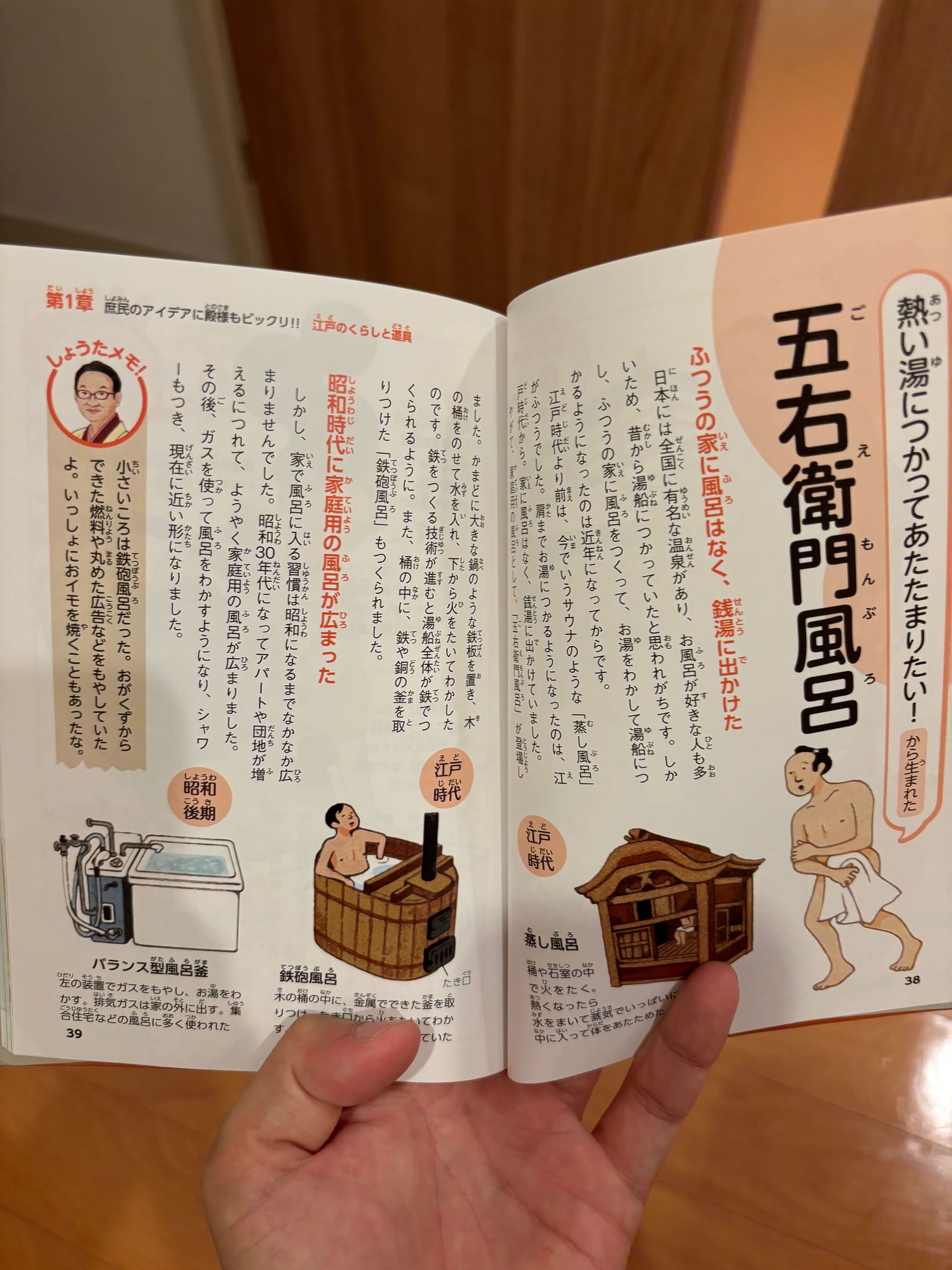
Pictorial illustrations help a lot!
Finally, I find the ratio of kanji and hiragana characters to be within my level of proficiency.
When you learn Japanese, you'll find that a sentence with too much hiragana is difficult to comprehend, as all you see is a string of Japanese characters. On the other hand, a sentence with too much kanji is also difficult to comprehend, as you wouldn't know how to pronounce a lot of the words.
In life, there's a first for everything. And I anticipate this book will be the first Japanese book I finish.
--Ends