WB015: Nihongo volunteer class
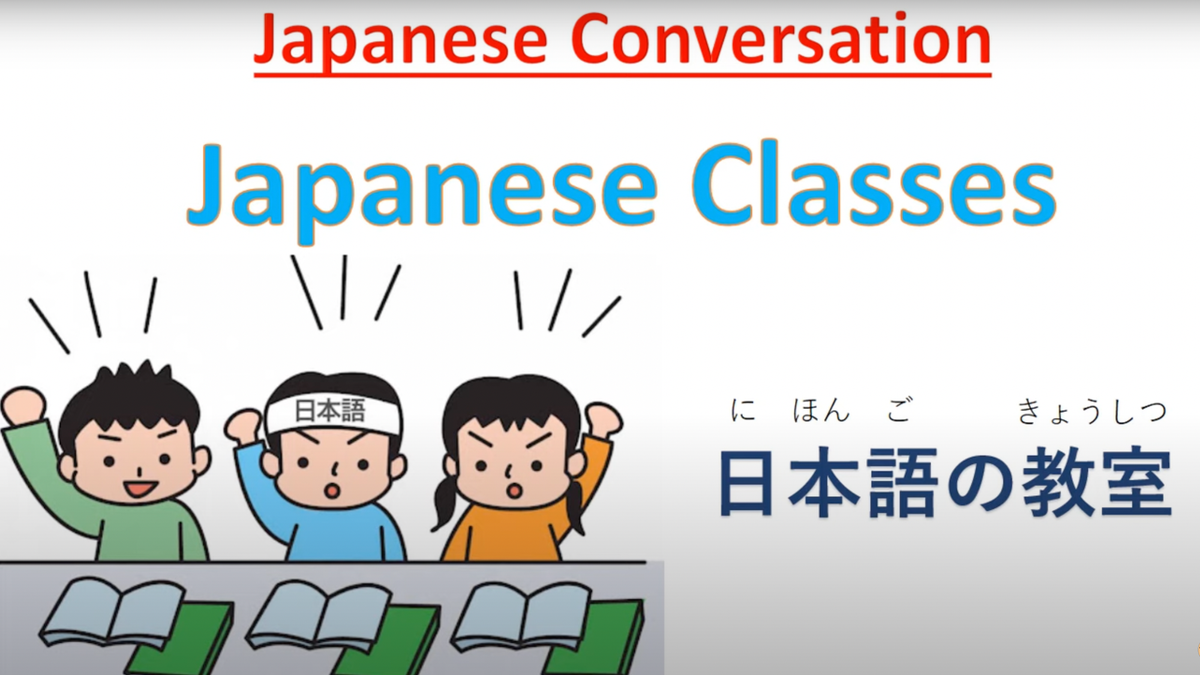
I have been regularly attending volunteer-run Japanese conversation classes to improve my proficiency.
Finding a suitable class is not difficult. You can use the Tokyo Nihongo Volunteer Network website to look for groups by district. Each group has its own set of volunteers.
The participants are usually foreigners who moved to Tokyo for these reasons: to study in university or a Japanese language school, to work full-time, or because they are a spouse of a Japanese citizen.
I've met participants from China, the UK, Germany and South Korea.
Once you've sent an application (usually a Google Form), you will be notified if there is a vacancy. Out of the 10 volunteer groups I reached out to, two had immediate vacancies, and I signed up to them.
Nihongo Danwa Shitsu
Run by a group of five senior Japanese ladies, Nihongo Danwa Shitsu ("Danwa Shitsu")(Japanese: 日本語談話室)(English: Japanese Conversation Classroom) is held every Friday from 1000AM to 1130AM at the Daita Kumin Centre (Japanese: 代田区民センタ).
The classes are free.
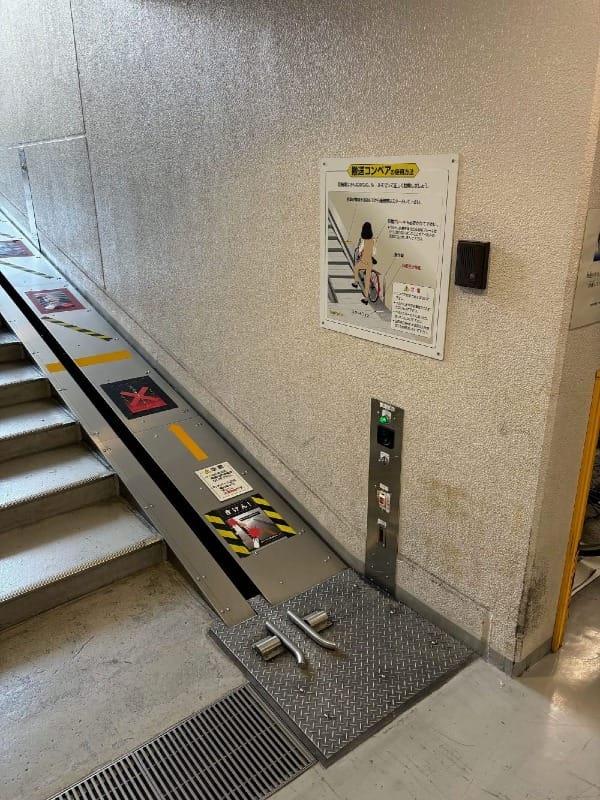
The Daita Kumin Centre is owned by Setagaya City and houses the Setagaya City Daita Library. Judging by the fresh look and modern amenities, I'd say the building is fairly new. For example, the underground bicycle parking has a conveyor belt that makes it easier to bring your bicycle up to the ground floor.
Danwa Shitsu has six to eight regular participants, who are separated into two groups before the start of each session. Participants are encouraged to converse with each other in Japanese, regardless of the topic. This, I find, helps me learn new vocabulary and improve my listening & conversational skills.
Volunteers are stationed at each group to facilitate conversations and introduce new things to talk about. The most senior volunteer of the group, Nakayama-san, does one on one sessions with new participants or participants who are new to Japanese.
Nihongo Salon
Organised by Japanese volunteers from the Minato International Association ("MIA"), Nihongo Salon (Japanese: 日本語サロン) runs free classes every Wednesday, Thursday and Saturday in five-week blocks.
I go to the Saturday session held at Roppongi Junior High School (Japanese: 六本木 中学校) and recently signed up to the Thursday session at Shibakoen Residents' Collaboration Space (Japanese: 芝公園区民協働スペース).
There are usually around 30 participants and 10 local volunteers. Each group comprises three participants and one volunteer.
MIA schedules topics and activities each week that are designed to "break the ice" and encourage participants to actively engage with each other.
This week, we played a traditional Japanese board game called Sugoroku (Japanese: 双六)(English: Double Six) that is similar to Snakes and Ladders.
Each square you land on has a question you need to answer (in Japanese), such as "What did you do last weekend?" or "What is your favourite song?". I felt this was a great activity as participants of varying levels of proficiency could easily participate.
What makes for a good Nihongo Kaiwa session?
To date, I believe several factors make for an enjoyable Japanese kaiwa (Japanese: 会話)(English: Conversation) class.
First, as each participant has a different proficiency level, it is important for the group to find a common level of Japanese to speak in. If not, the disconnect makes it difficult to hold a fluid conversation. This then leads to sounds of silence.
Experienced local volunteers play a key role in diffusing these situations, and helping calibrate a level so that all participants can talk to each other.
Second is discussing topics that everyone can easily relate to and discuss in Japanese. An example of a topic that does not fit this bill, is talking about whether your country politically leans left or right.
More easy-going topics are about favourite foods, activities and where to go for holiday in Japan. I feel this is an area where each participant can contribute by bringing fresh topics to the table based on their experiences in Japan, rather than being a passive spectator.
And finally, participants having the EQ and mindfulness to include everyone in the discussion and not "hog the limelight". Again, local volunteers play a key role in ensuring all participants get an equal amount of "airtime" so that there is variety in the conversation.
Joining these classes has been a rewarding experience. Apart from learning the language, these classes bring me to parts of Tokyo I would not usually go to. In addition, the well-built and well-maintained public facilities in these districts at least give me the impression that taxpayer monies are being put to good use.
--Ends