WB021: Hope for the best, prepare for the worst
Each year, Japan gets hit by about 1,500 earthquakes that range from small ones that can be barely felt to major ones that cause widespread damage.
The frequency of earthquakes is because Japan is located where four of the Earth’s tectonic plates converge. Japan is also home to about ten percent of the world’s active volcanoes. Examples of well-known earthquakes are:
- 1923: Great Kantou Earthquake
- 1995: Great Hanshin Earthquake
- 2011: Great East Japan Earthquake or Touhoku Earthquake
- 2024: Noto Earthquake
Since 1960, September 1 has been designated as Bousai no hi (Japanese: 防災日, English: Disaster Prevention Day). This day commemorates the 1923 Great Kantou Earthquake and is a yearly reminder to Japanese residents to be prepared for the inevitable.
The public sector dedicates a lot of resources to promoting a culture of disaster awareness and preparedness. Doing so empowers each individual to care for themselves in a major disaster so that vital resources can be channeled to those really in need.
One thing the Covid pandemic taught me is that nothing is worse than having to deal with healthy but complacent and ill-prepared people who can't handle themselves.
Trip to the Ikebukuro bousaikan
This week, I visited the Tokyo Fire Department's bousaikan (Japanese: 防災館 , English: Disaster Prevention Hall) in Ikebukuro (Japanese: 池袋).
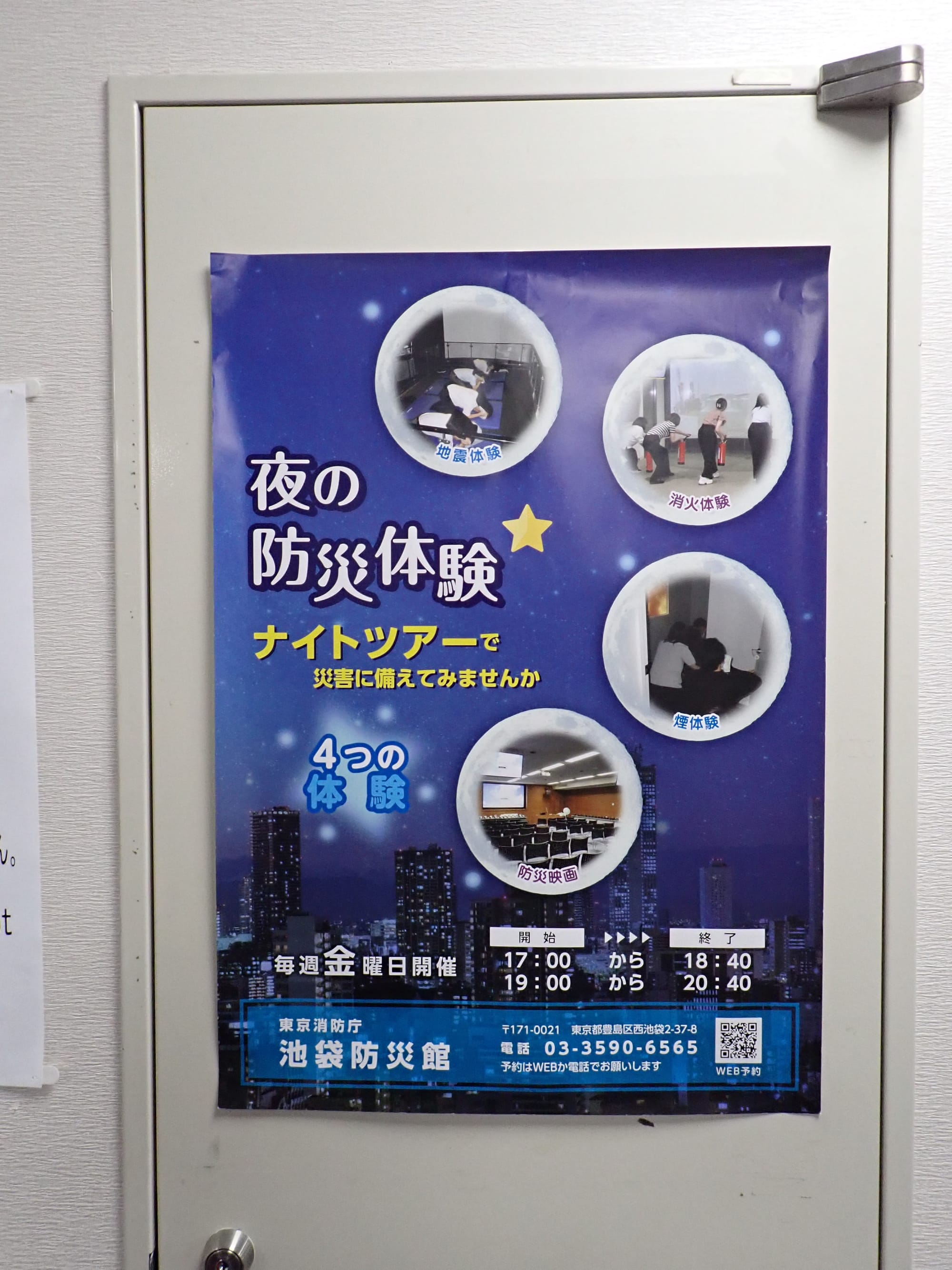
The Ikebukuro bousaikan is open to the public most days of the month. Admission is free. My visit was organised by the Japanese language volunteer group I participate in.
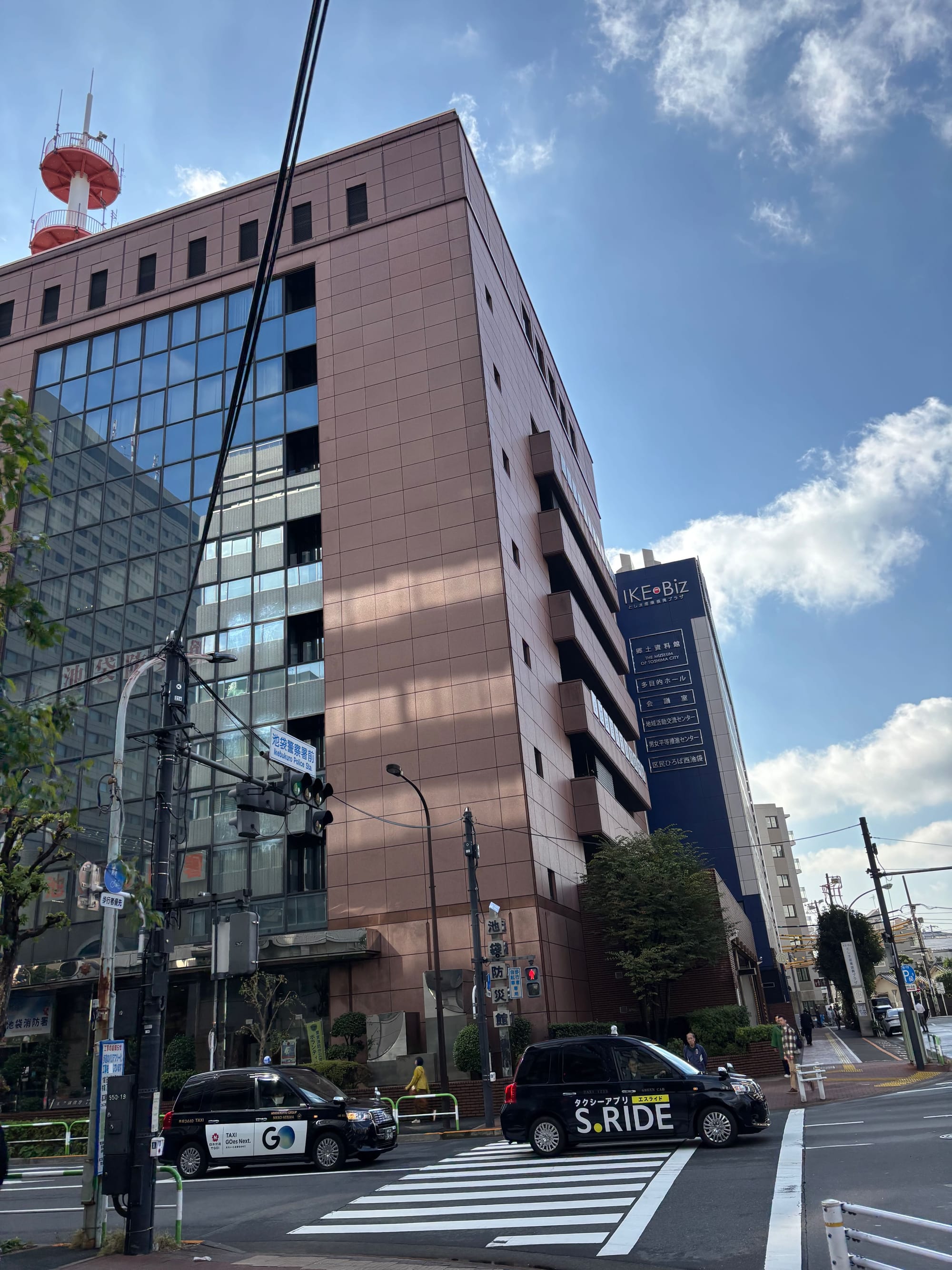
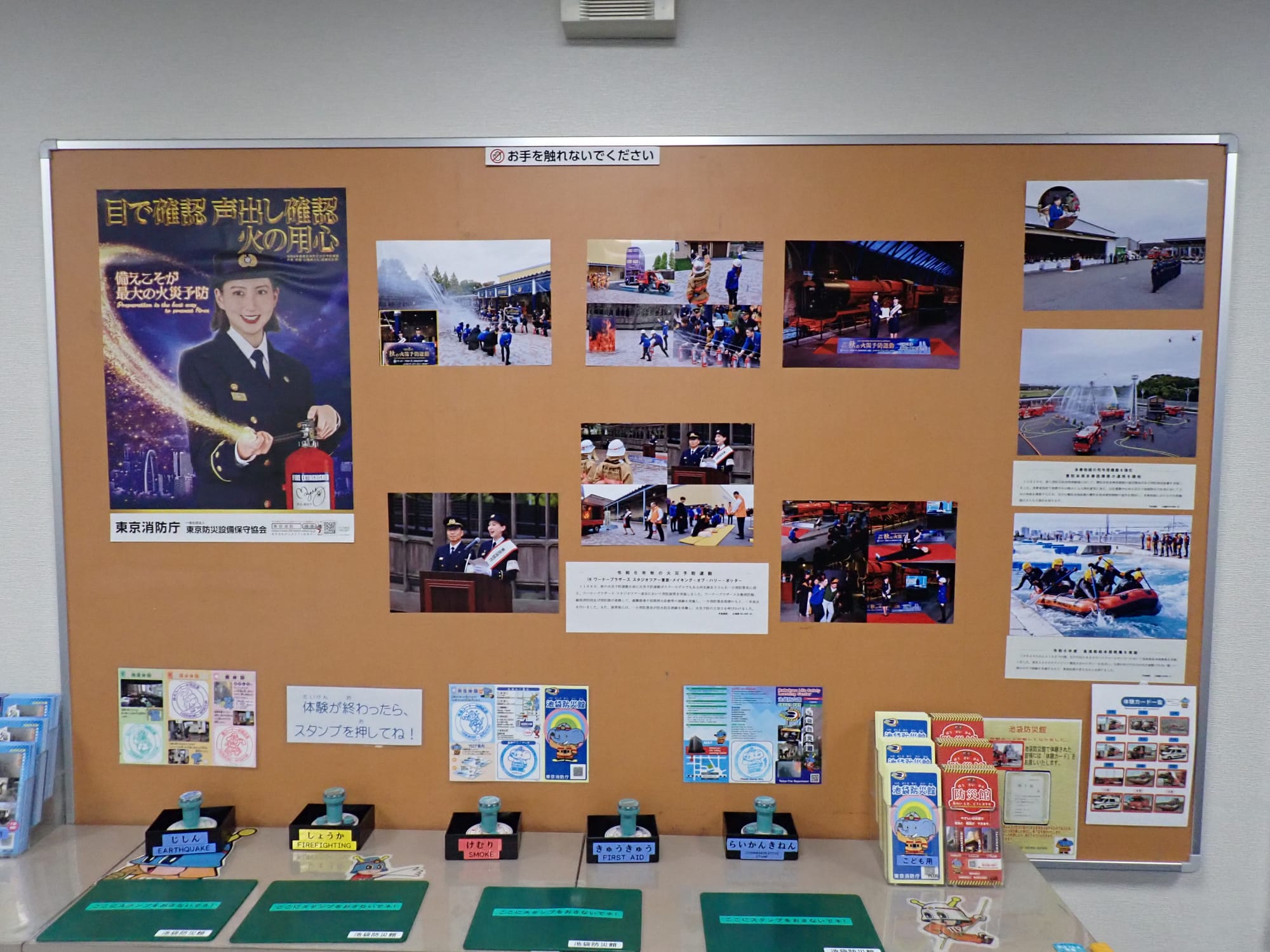
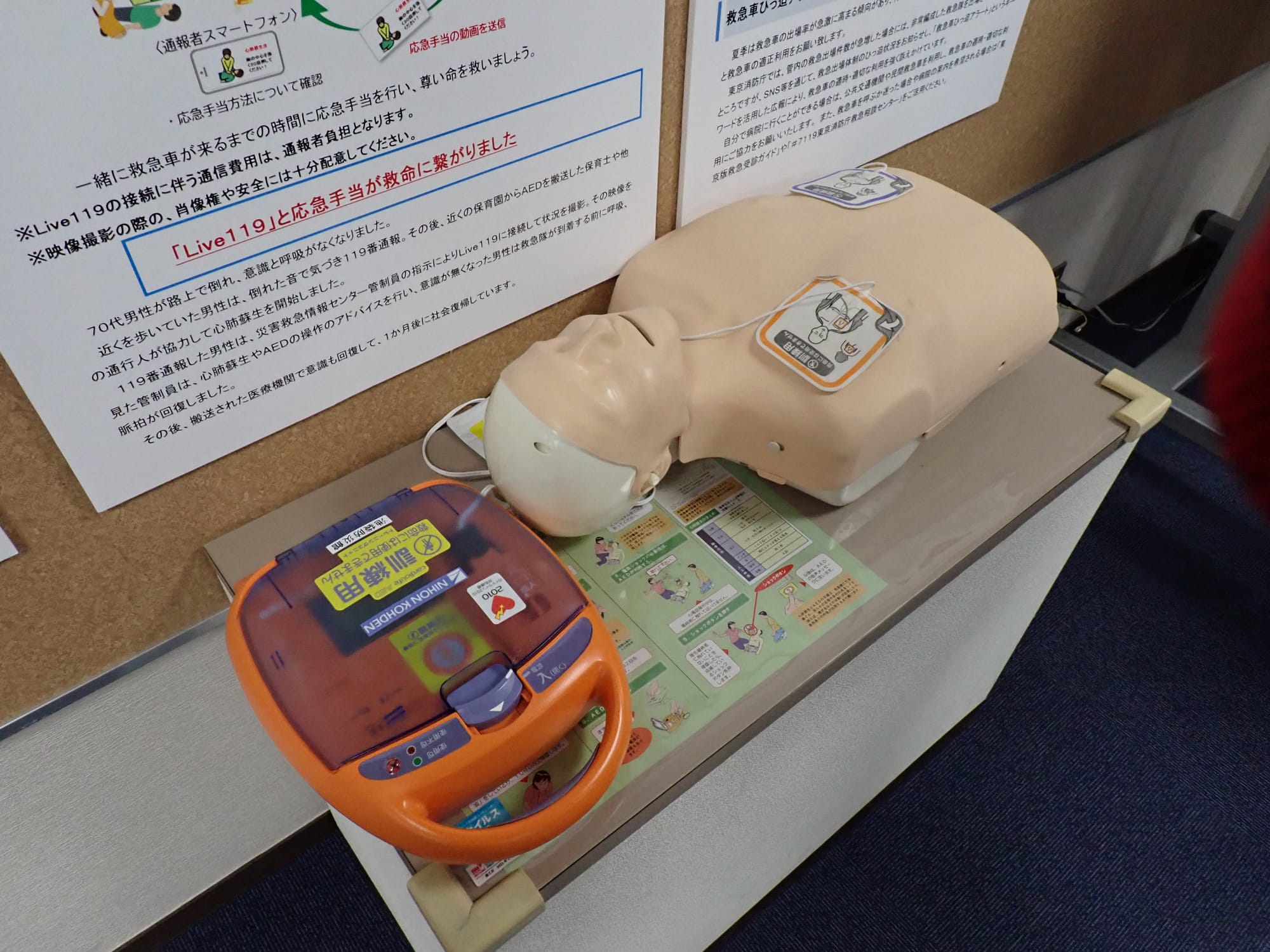
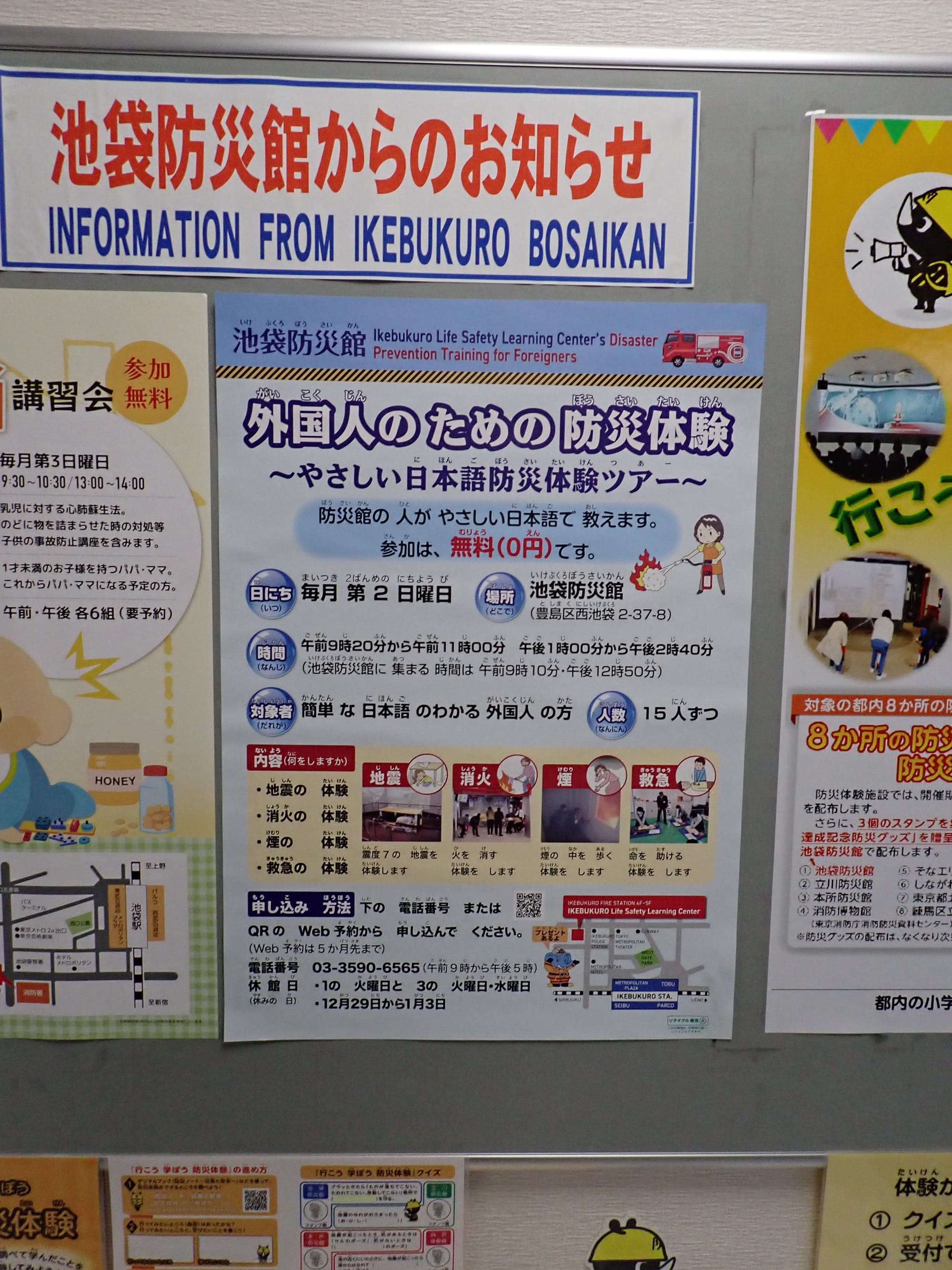
(Top Left) The bousaikan is the brown-ish building
The tour was very educational - whether or not you are a resident of Japan. Locals are recommended to go periodically to refresh their disaster prevention knowledge. There are also programs tailored to foreigners who may not be familiar with Japanese.
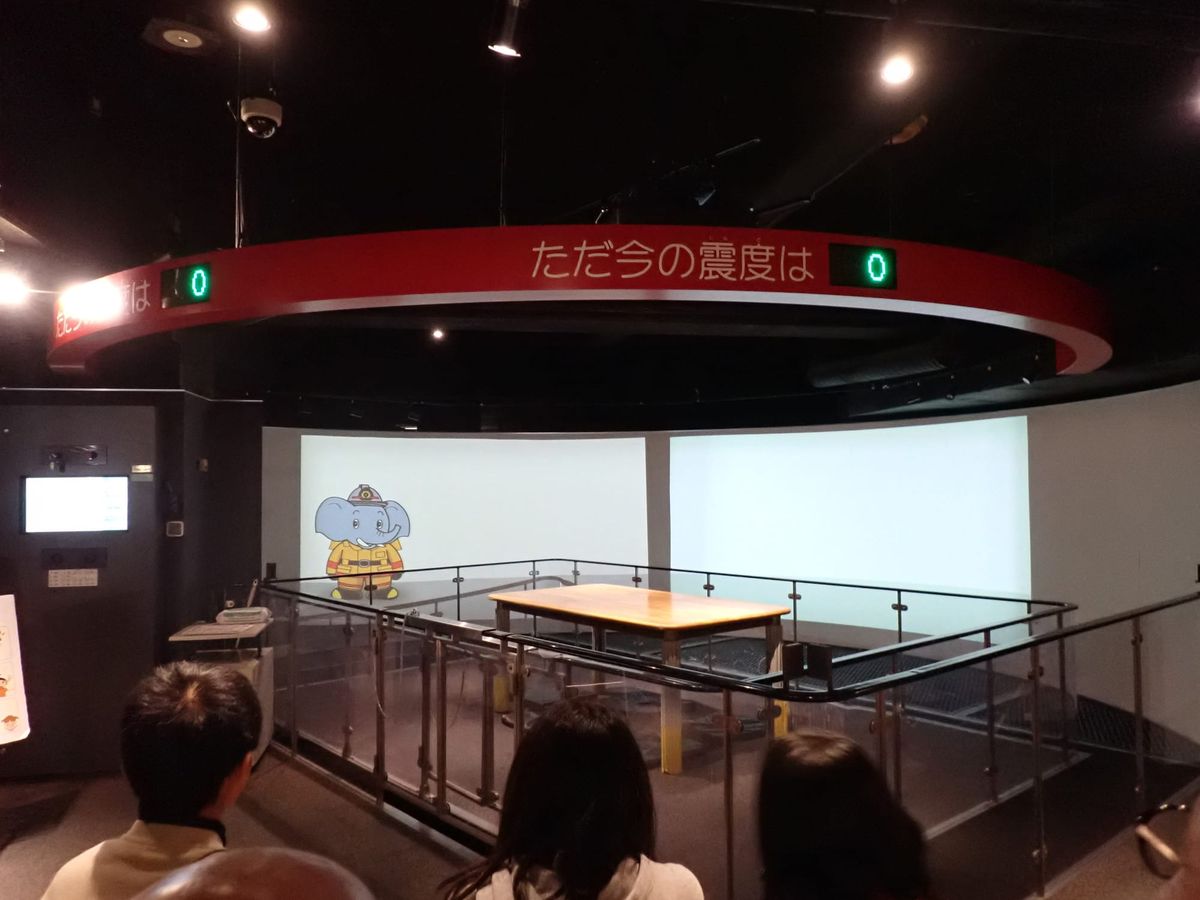
The highlight of the trip was using an earthquake simulator to practise what to do during an earthquake. Japan's earthquake scale is called shindo (Japanese: 震度), which ranges from zero to seven. Shindo is different from the more commonly-used Richter scale
The simulator was adjusted to shindo level no. 7 - the same level as the 2011 Touhoku Earthquake. The video recording (of another group) below gives you an idea of the experience.
If you're at home during an earthquake, you're recommended to seek shelter under a table and hold on to the highest part of the table's leg. This way, you're less likely to be injured by falling debris.
This sounds simple in theory. But in reality, I found it quite challenging as the table kept sliding back and forth due to the movements.
I have heard many stories of how strong the shaking in Tokyo was during the 2011 Touhoku Earthquake. Public transport services were down, so many office workers had to either walk home or seek shelter.
Disaster Prevention Quest
In September, the Minato Nihongo Salon Japanese language group I participate in arranged a Disaster Prevention Quest.
This was a great initiative to educate new residents like me - who have only experienced man-made disasters like financial debacles and landslips caused by deforestation - on natural disasters.
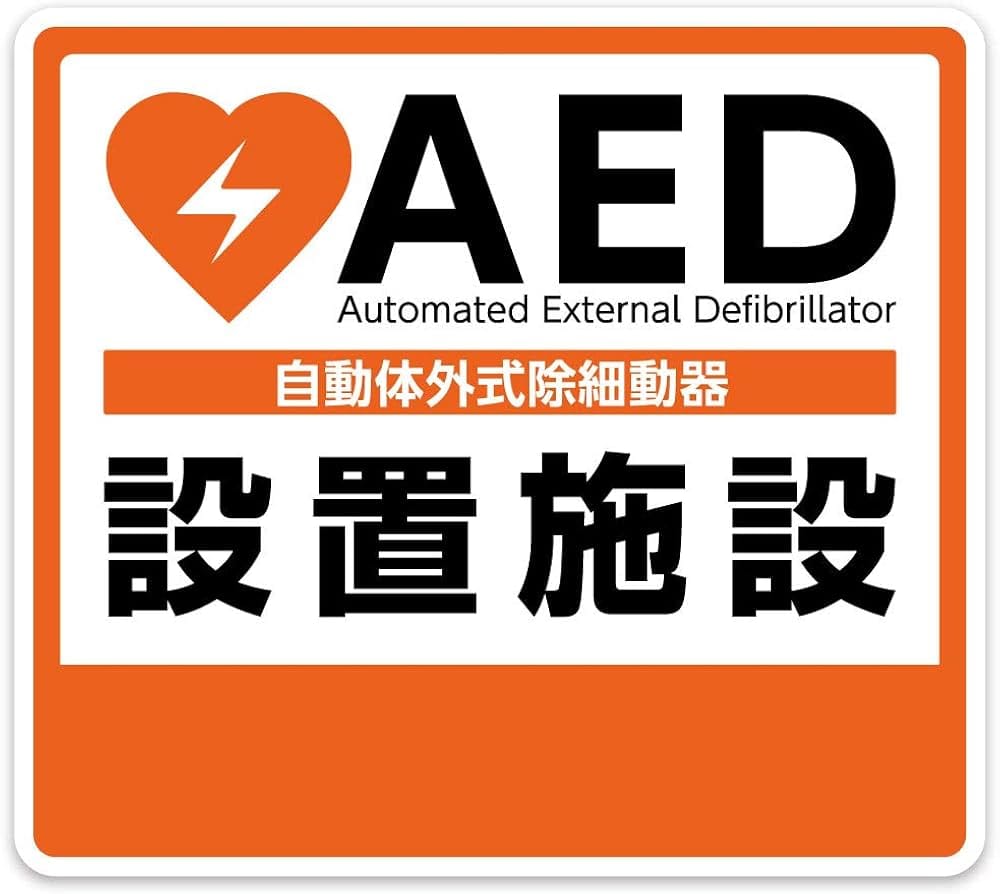
As part of the Quest, we did a walkabout around the Minato-Ku (Japanese: 港区) area to identify street fire extinguishers, locations of automated external defibrillators ("AED") and emergency evacuation zones.
I learned that most modern vending machines in Japan have a sticker with the machine's address printed. This is especially handy during an emergency if you need to be located. And given there are just under 4 million vending machines in Japan, it is a really practical idea.
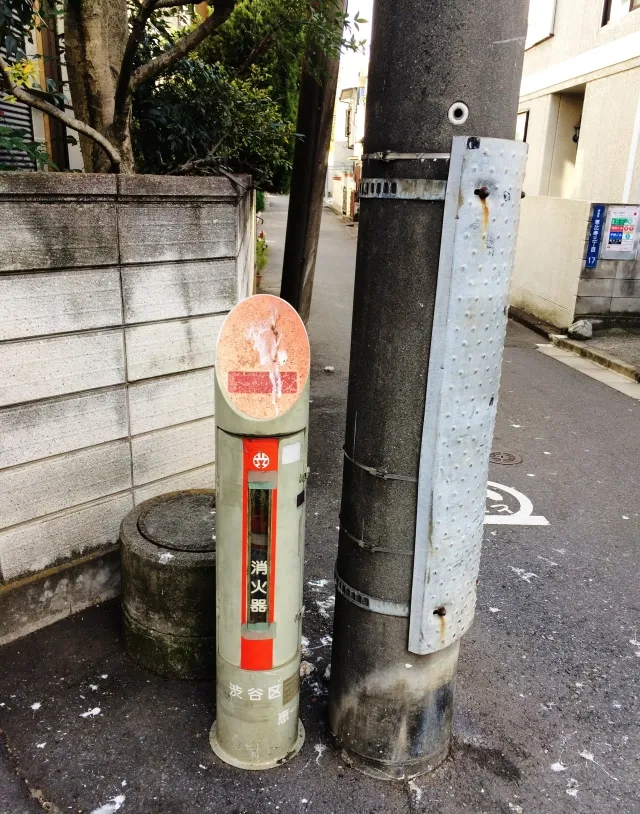
Preparation starts at home
Disaster prevention kits are a recommended must-have for every household. The kits are meant to contain important survival essentials including but not limited to first aid kits, gloves, towels, torch lights and portable toilets that can tide you over the first few days of a major disaster.
Pre-packaged kits are widely sold. Some districts even hand out basic kits for free. Some kits, like Muji's emergency kit, are designed to be easily stored on your bookshelf.
The sky is really the limit in what you want to include, though one thing to be mindful of is the need to regularly check the kit to ensure everything is working properly. Nothing is worse than being prepared but caught short when it matters most.
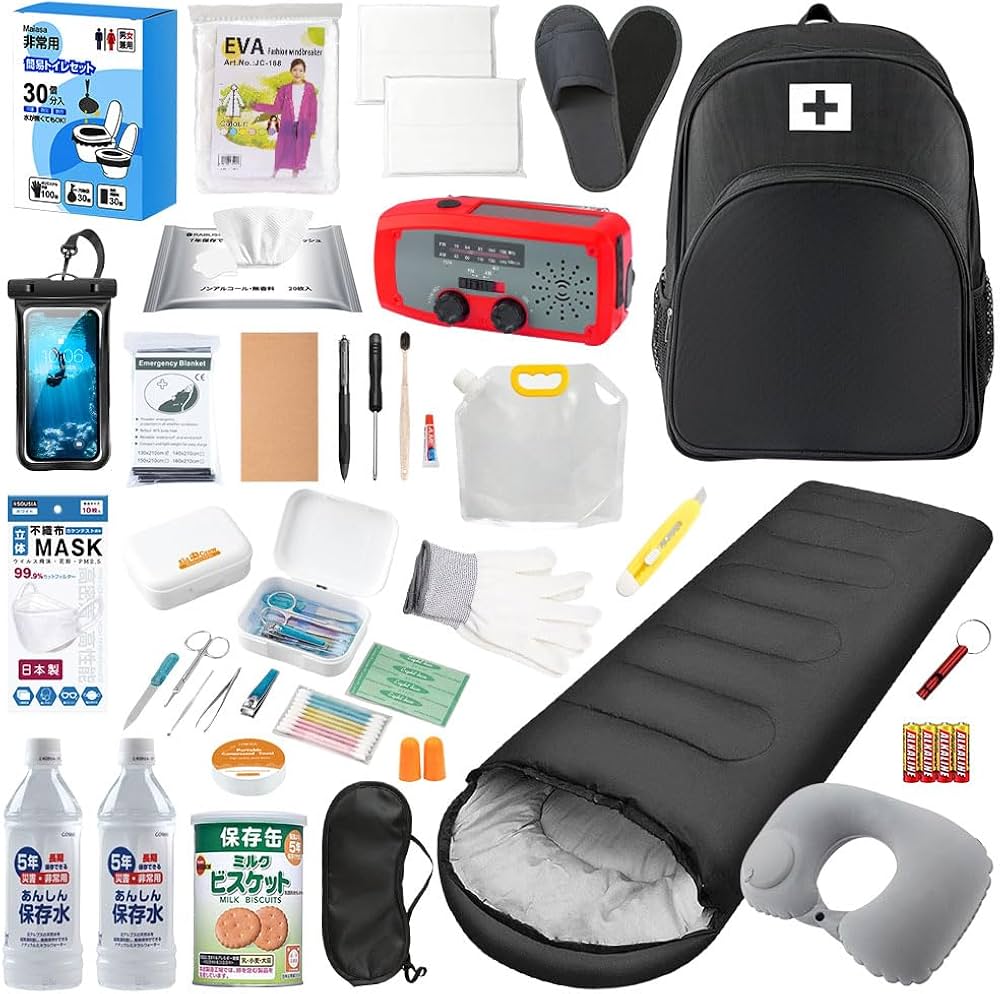
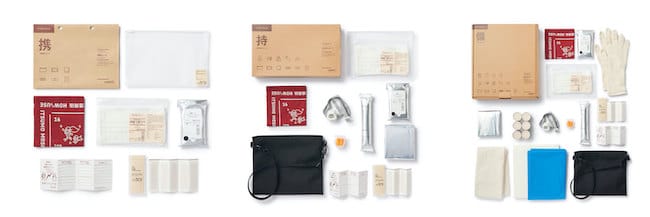
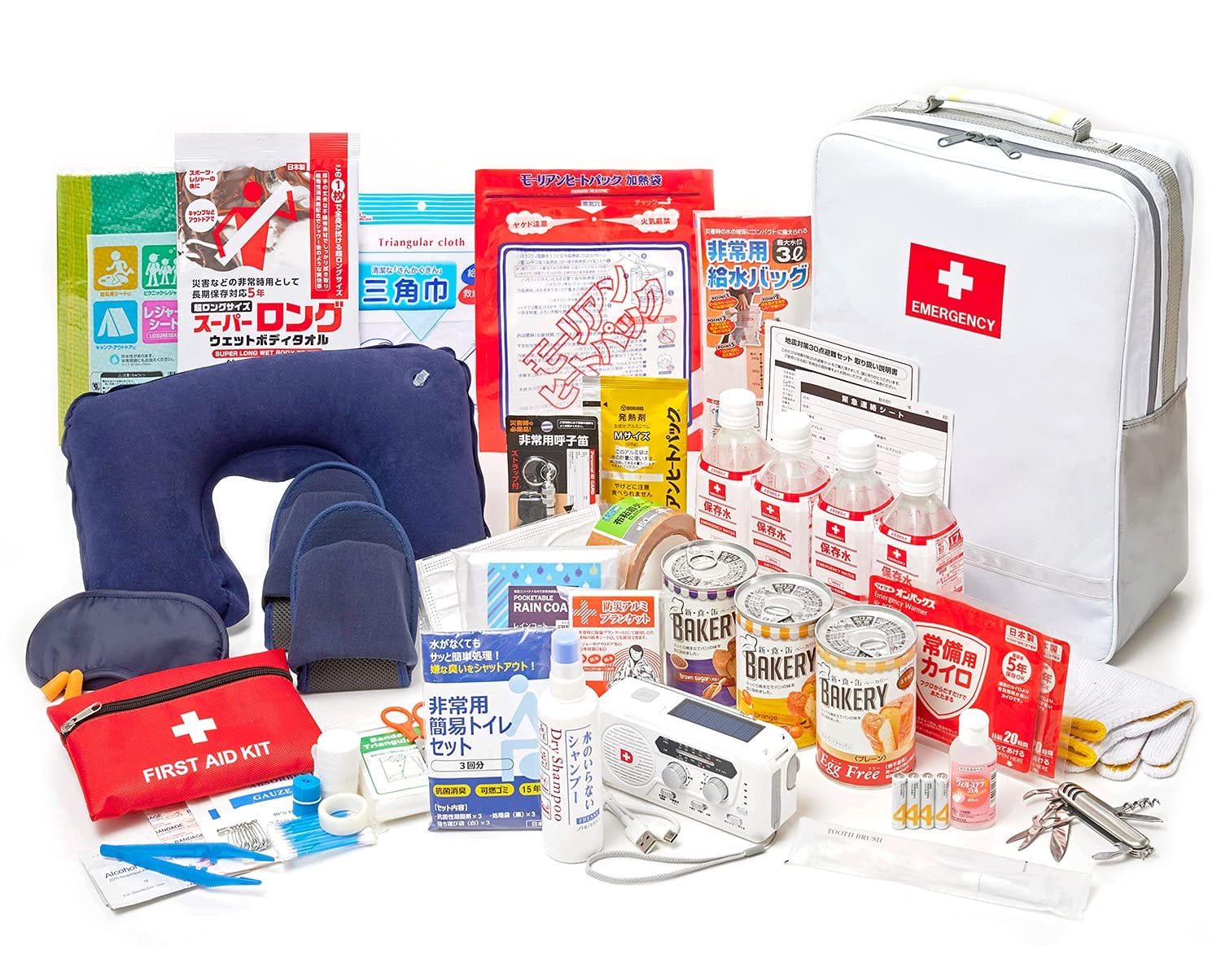
Various pre-packaged disaster kits
I am currently in the midst of preparing my kit, and am referring to the Tokyo Fire Department's informational document on what to include. The Department recommends the kit along with emergency food & water be kept near your house entrance so they can be easily accessed in a disaster.
--Ends