WB023: Trying the art of Bonsai
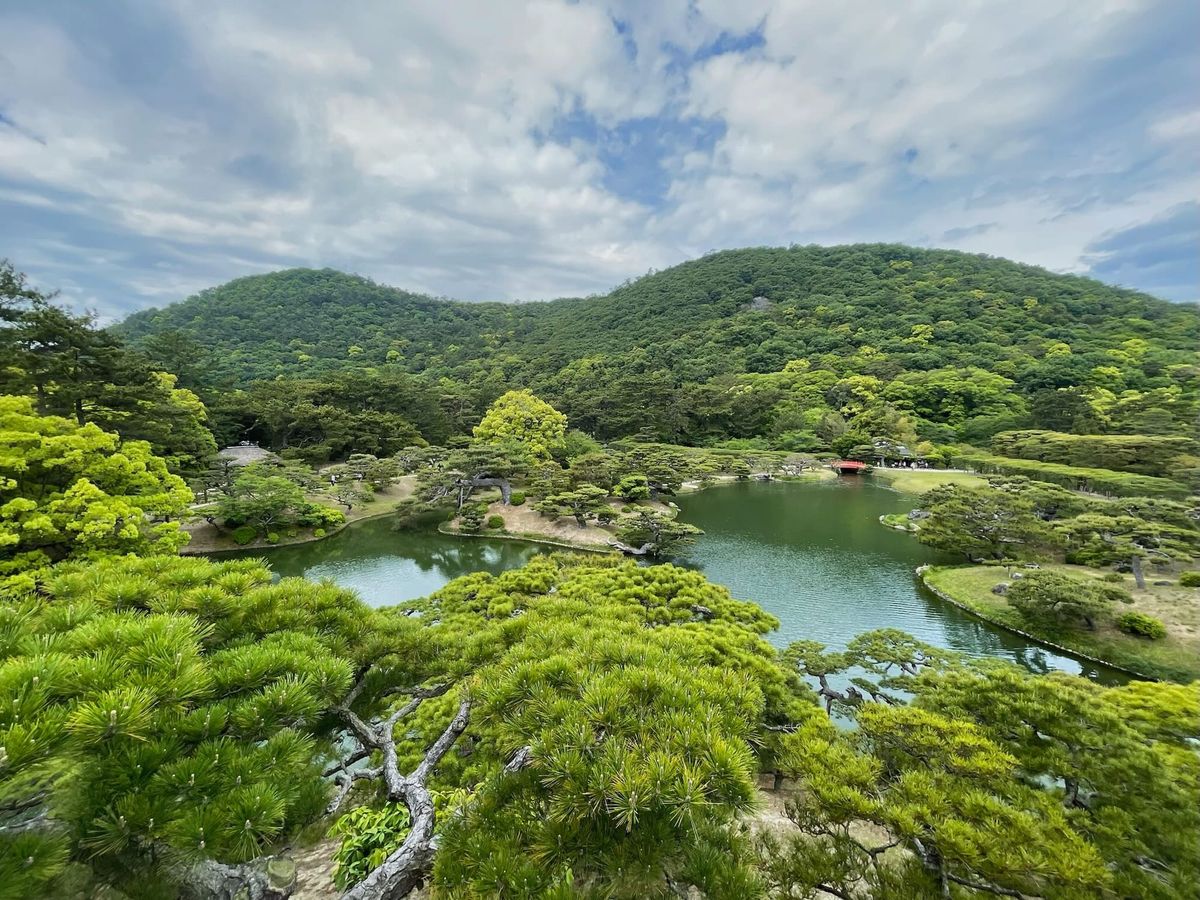
Bonsai (Japanese: 盆栽, lit: "planted in a container") is the Japanese art of growing and shaping plants in a container.
Because the plant is always growing, I guess bonsai is an art that is never complete. Everyday, you theoretically get a newer version of the original art piece.
I like looking at well-crafted bonsai plants because they are aesthetically pleasing and have a calming quality. I also appreciate the fact that it takes years of continuous care before you see the results of the building blocks put in place today. That is, if you even manage to keep the plant alive for that long.
What if you've been painstakingly cultivating a bonsai for 10 years, only for it to die all of a sudden?
Starting our bonsai journey
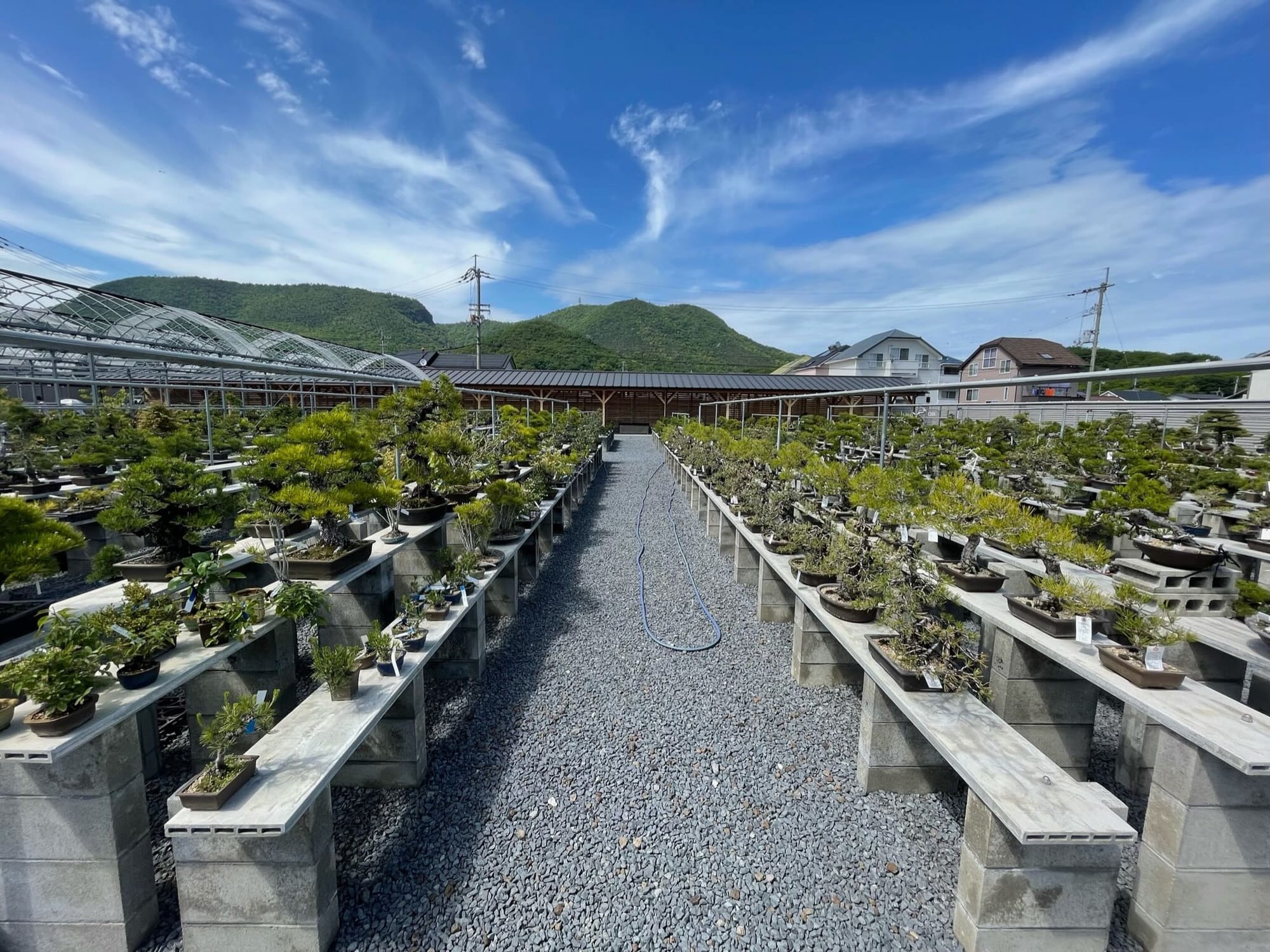
Last year, we visited the Takamatsu Bonsai Village in Takamatsu City (Japanese: 高松市), a port city located in Japan's Kagawa Prefecture (Japanese: 香川県).
Takamatsu is one of Japan's best locations for growing matsu bonsai, which are both sold locally and exported overseas.
We saw bonsai plants in various shapes, sizes and species. As these plants grow quite slowly, the larger plants must be quite old (and expensive). The bonsai experts must also have put in a lot of care into cultivating these larger plants.
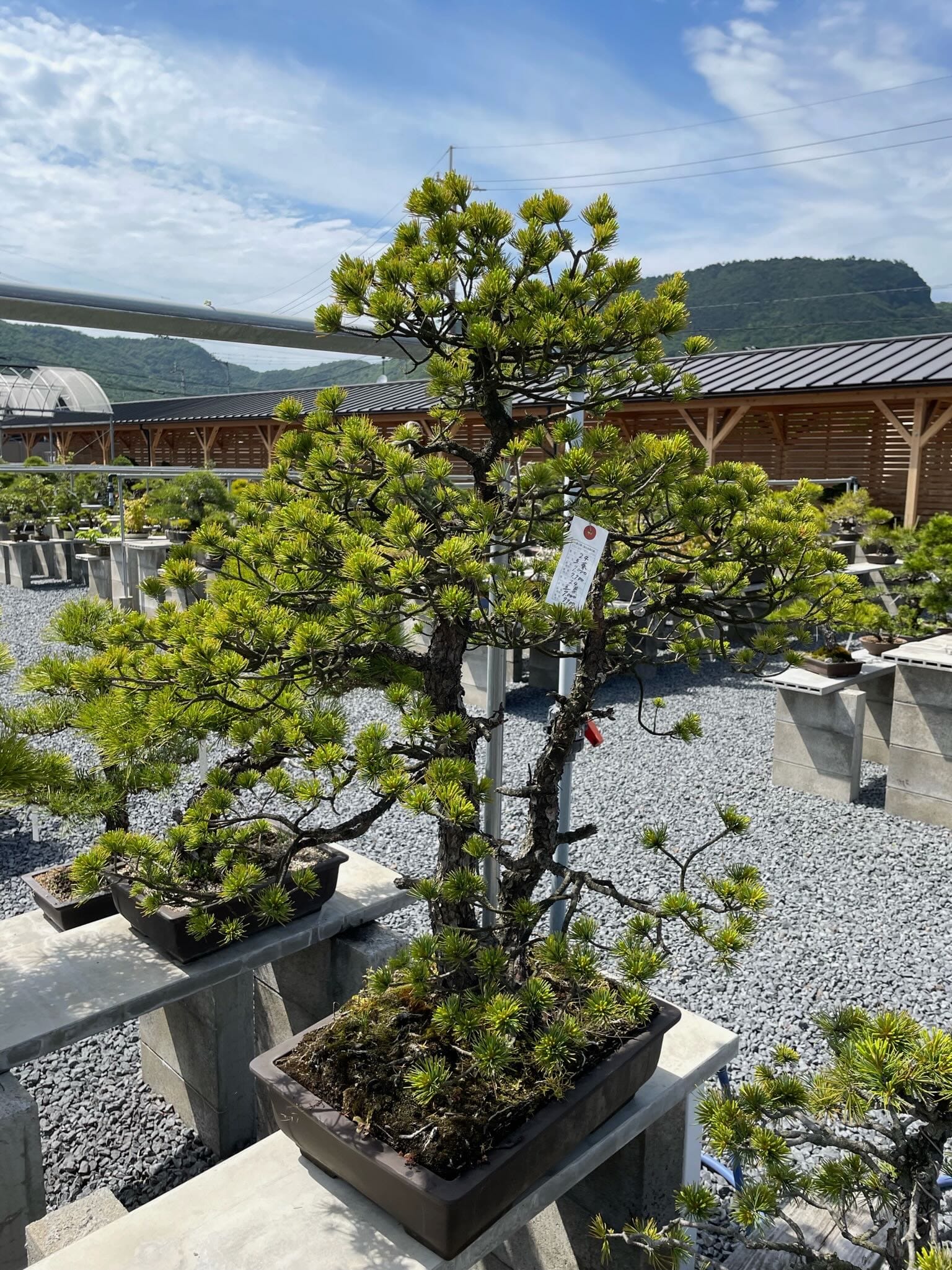
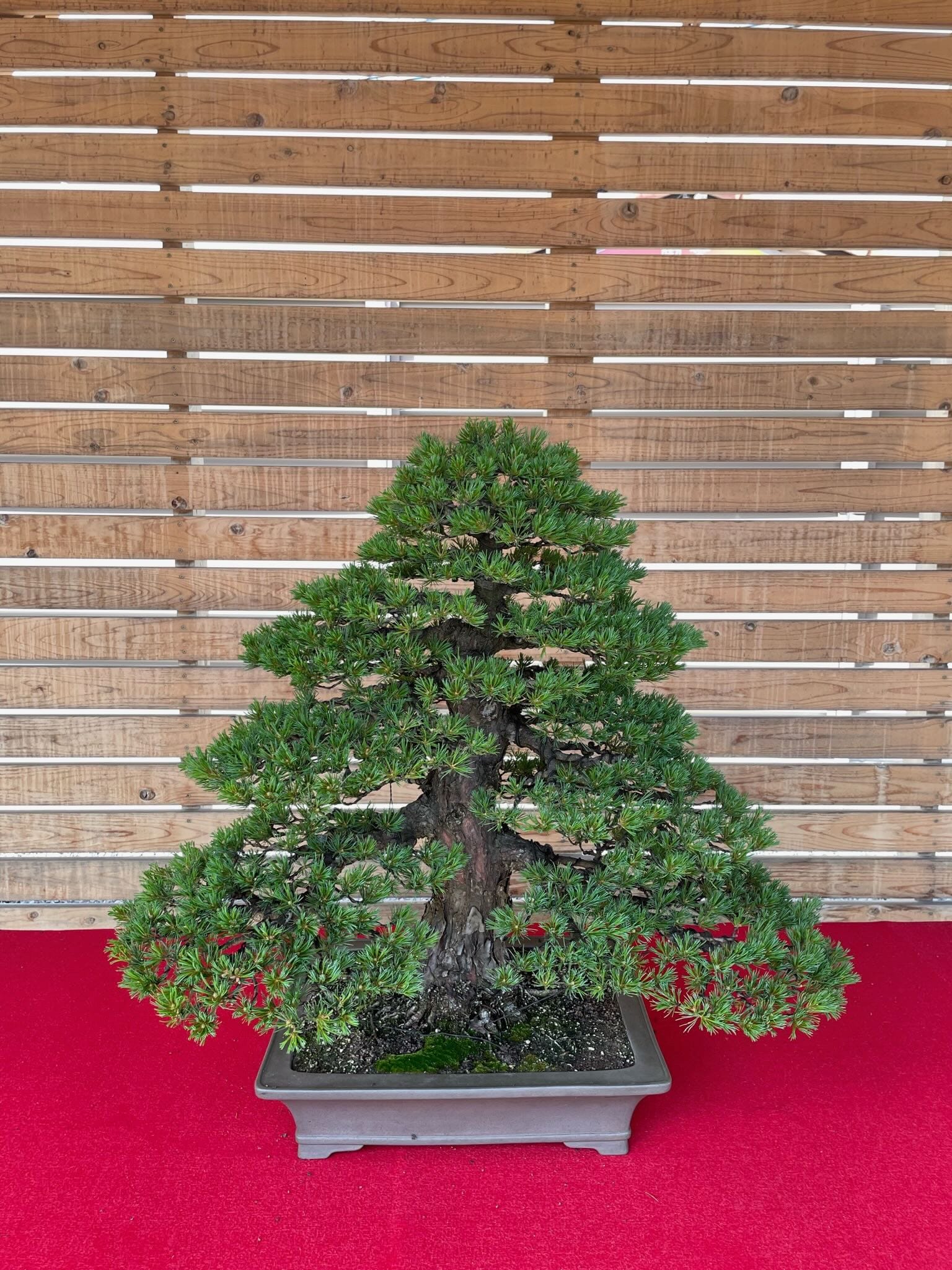
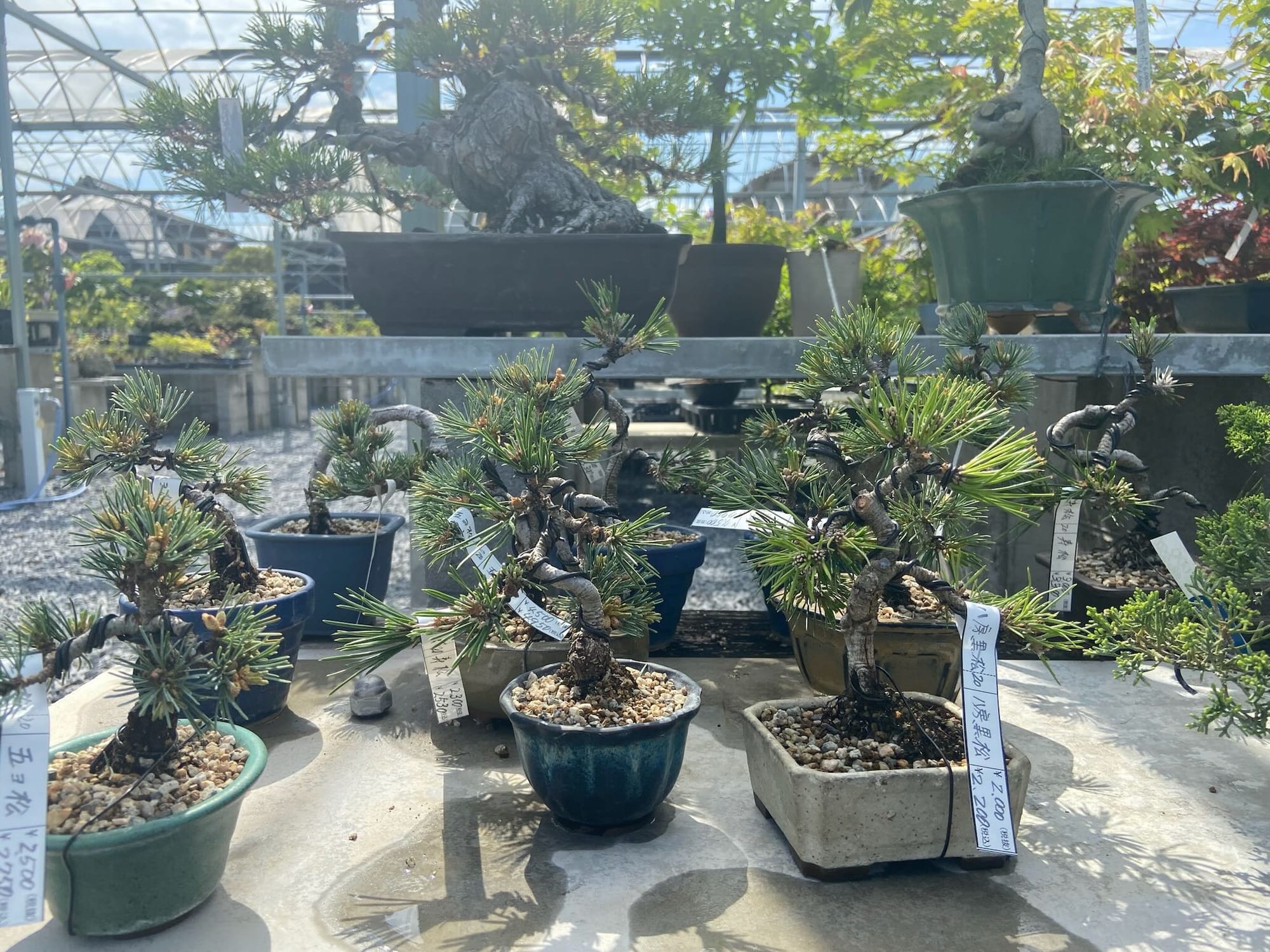
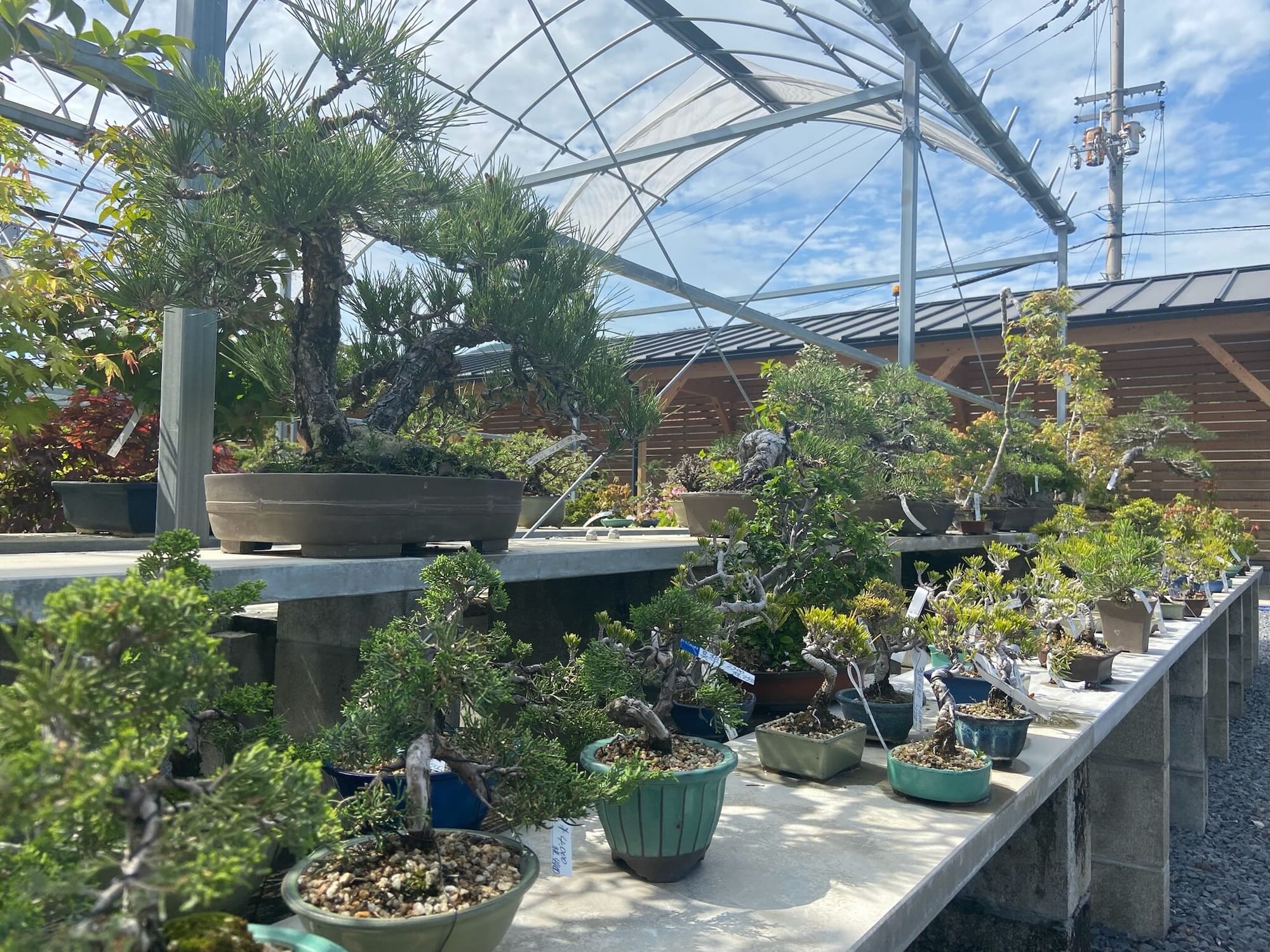
As we were quite excited about caring for and growing a bonsai plant, we bought a and brought small bonsai plant all the way back to Tokyo. We named our plant "Goyomatsu" (Japanese:五葉松, English: Pinus parviflora), after it's species.
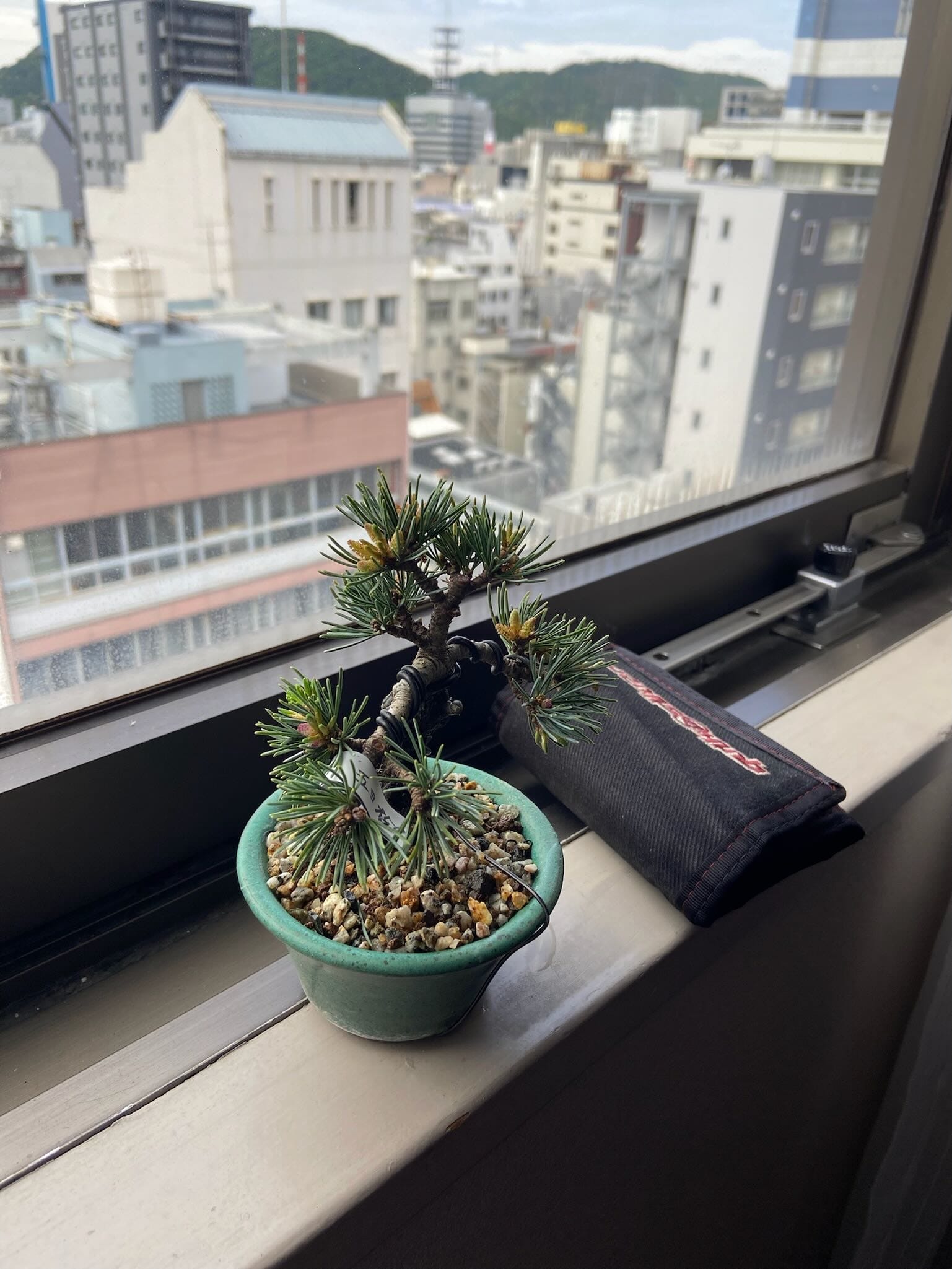
Sadly, a few months after we brought Goyomatsu back to Tokyo, his leaves became more and more brown. Eventually, Goyomatsu did not make it beyond his first birthday, despite our best efforts.
As to why this happened, we're told it was either "too little water or too much water"! Ever since this tragic episode, we've been hesitant to buy another bonsai plant.
The journey continues
Mr. Otake is my Japanese language volunteer group teacher who is also a student of bonsai.
This week, Otake-san arranged for students from the language group to join the bonsai class he participates in. This was also an opportunity to introduce a traditional Japanese art to the language group's students, who are all foreigners.
The bonsai class is held twice a month in a nearby public hall. The students are mainly retired, senior citizens.
Seeing these senior folks trimming and pruning their bonsai plants while chatting with each other was a really cute sight. It was also heartening to see them making the effort to stay active despite being in their golden years.
The cost of participation was around JPY1,000, which covers the cost of materials, pot and plant - a Japanese Alpine Juniper (Japanese: いぶき).
According to the bonsai teacher, the plants were sourced from a kengai (Japanese: 懸崖, English: "hanging cliff") in the Northern Alps between the Niigata (Japanese: 新潟) and Toyama (Japanese: 富山) prefectures
The plant was already potted by the bonsai teacher, who also partially wrapped wires around the branch. Our first step was to continue twisting the wire around the entire main branch.
This makes the second step easier: shaping the plant by bending the plant's branch.
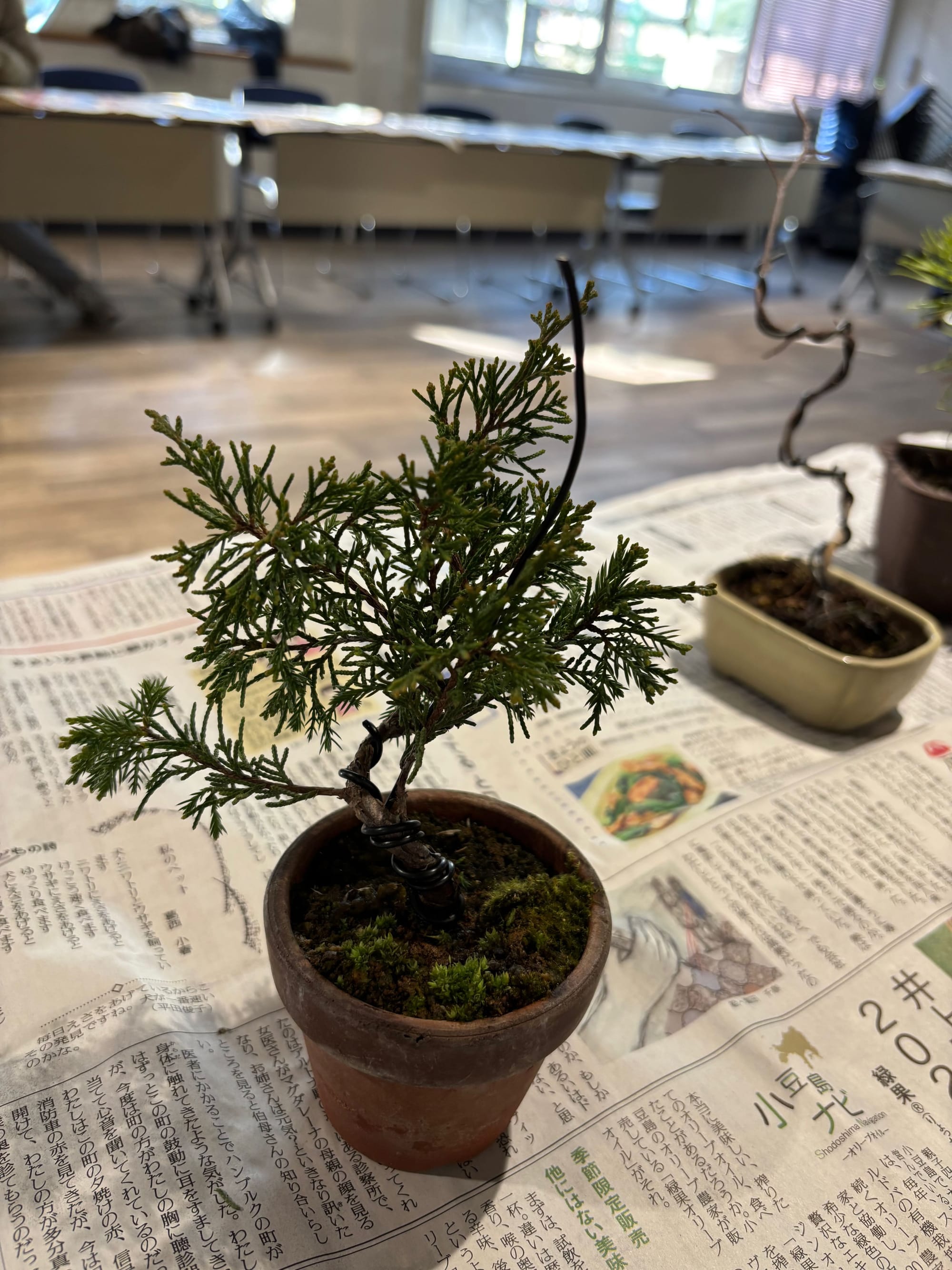
What shape should the plant take?
The bonsai teacher explained that we could take inspiration from the environment the plant grew up in, i.e. on a hanging cliff. This influenced me to bend the plant's branch at a nearly 90 degree angle from its original position.
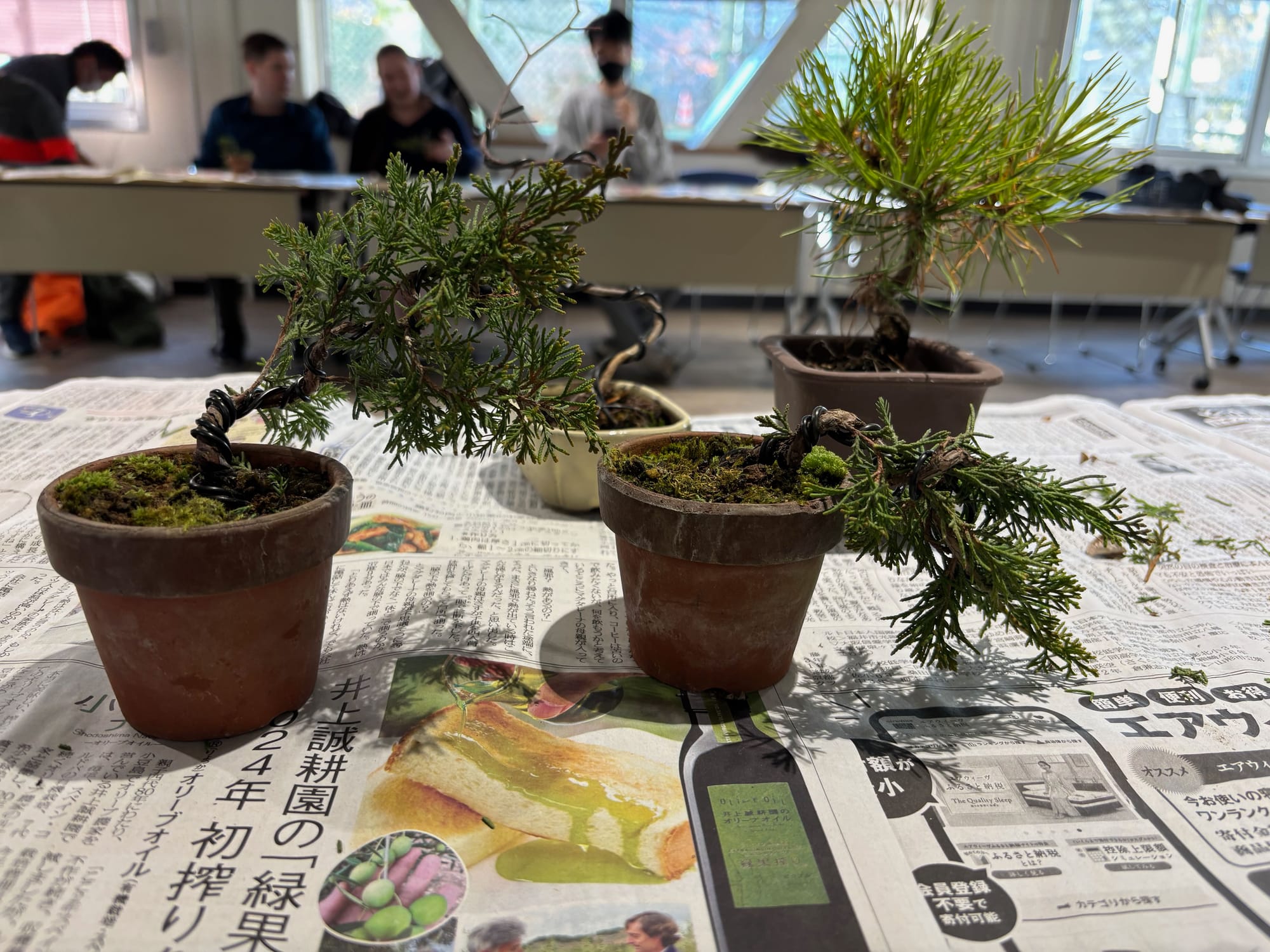
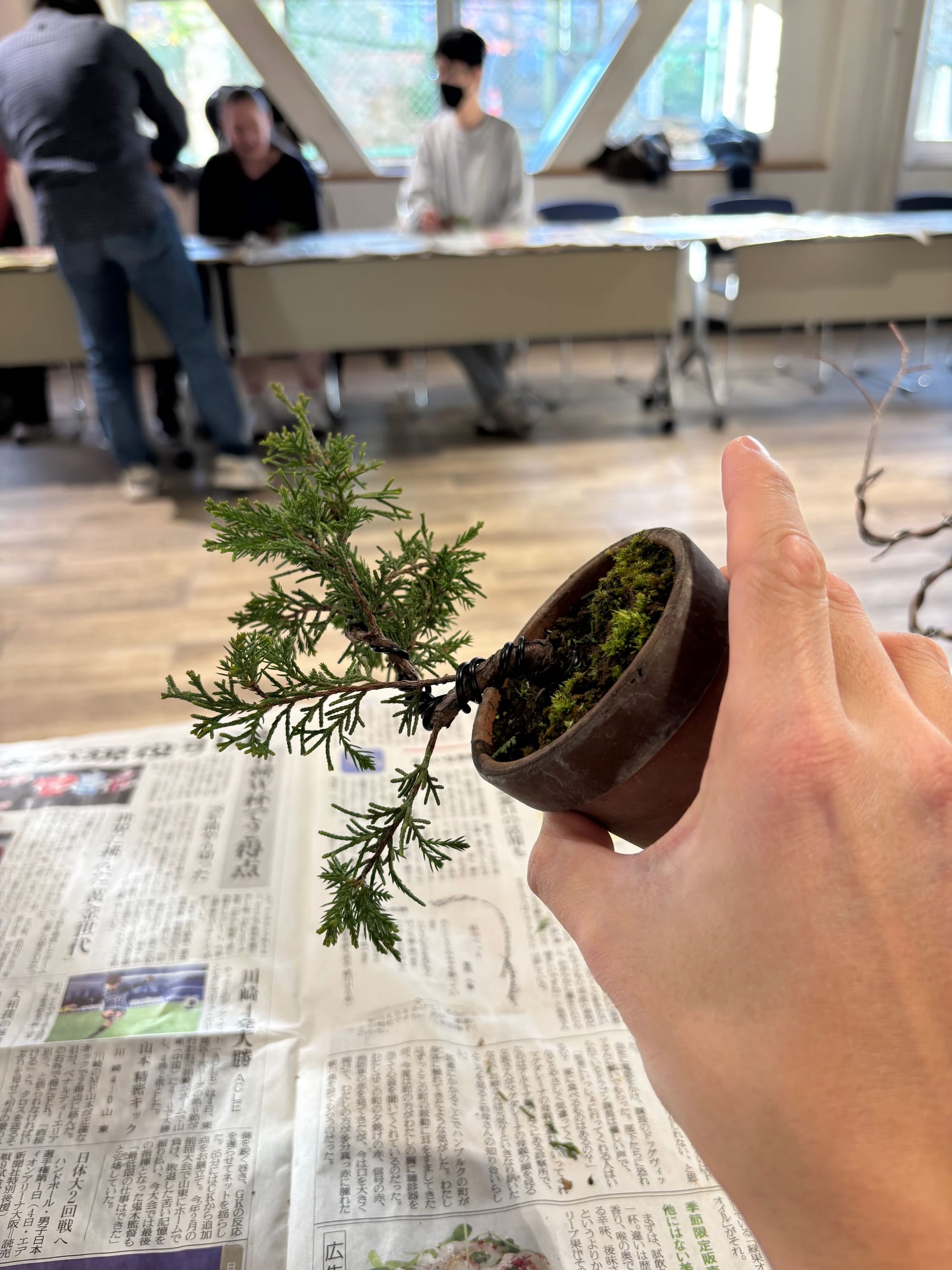
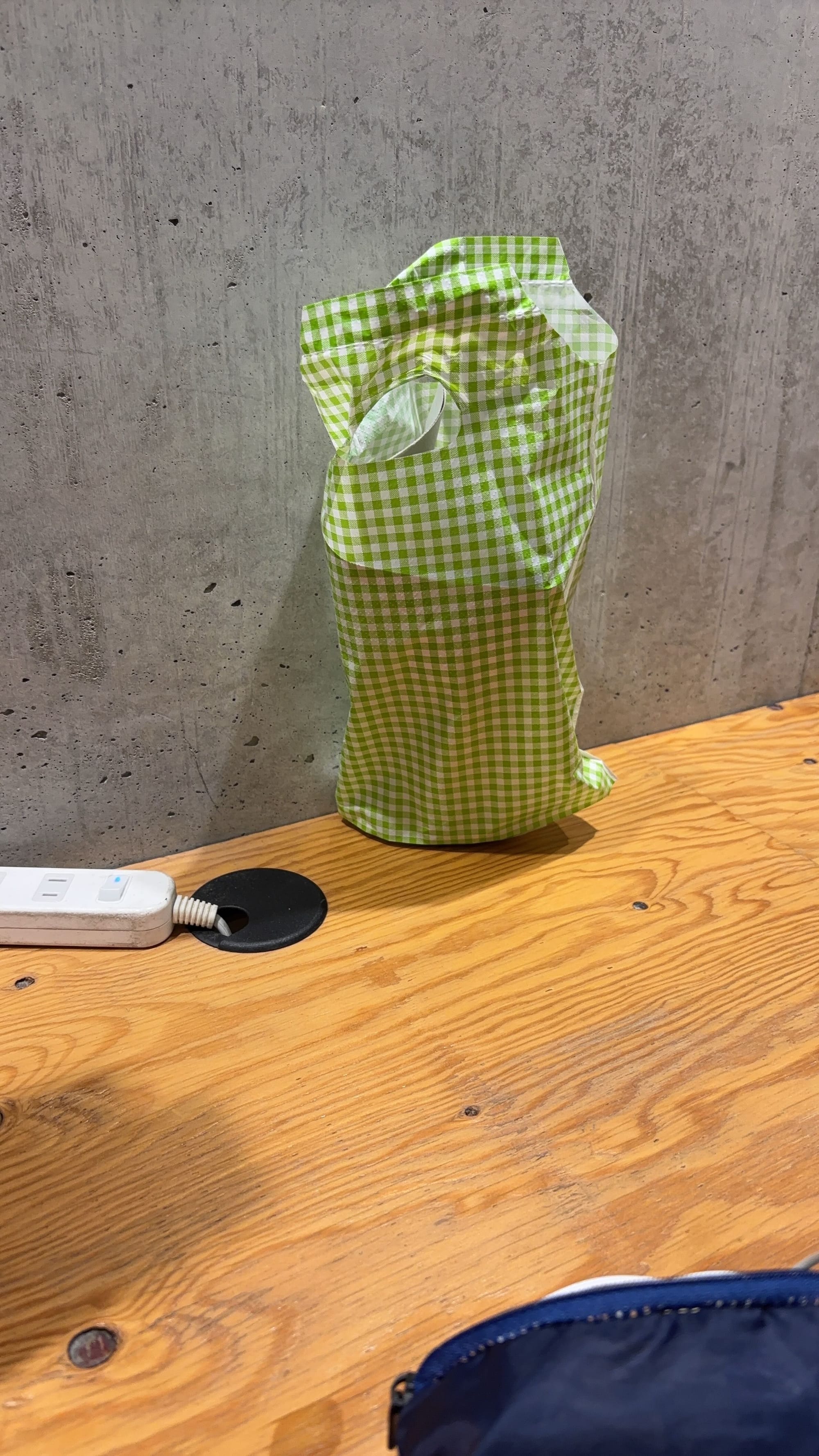
(L) Second step: bend the branch (M) I imagine the plant grows like this on the side of a cliff (R) A little bag to takeRiti the bonsai homeRitr
Surprisingly, the branch is quite strong and did not break. I guess this explains why mountain trees and plants can survive in harsh environments having strong wind and snow.
The next part of the journey is to change the wires after six months and redo the wiring process. This is to ensure the wires don't become too tight as the branch grows over time.
But first, I need to keep this plant alive for the next six months!
--Ends