WB026: Joining a Japanese reading club
Twice a month, the Japanese language group I participate in runs a reading club.
I was encouraged by Mr. Otake - my Japanese teacher - to participate in this club as it would benefit my learning. He added that the level of Japanese used would be much higher, though I should not worry too much.
At first, I was slightly hesitant because I've never joined a reading club, let alone a Japanese one.
But I decided to take up his offer because I thought it would be impolite to say "No". And sometimes, these opportunities present themselves as a sign from the universe to get out of your comfort zone.
Reading club 101
The reading club goes through a collection of 50 fictional stories called Bokko-chan (Japanese: ボッコちゃん English: Miss Bokko) written by Japanese novelist Shinichi Hoshi (Japanese: 新一星) in 1958.
This is the link to his official website: https://hoshishinichi.com/
Each session focuses on one short story, which is around six to seven pages. The club's volunteers - four of them - each take turns reading aloud three to four sentences. Some read fast while some read very fast.
After each volunteer finishes his / her reading, the main volunteer explains the meaning of selected vocabulary and grammar.
The entire session takes 1.5 hours, with everything conducted in Japanese. This means I get a three hour dose of Japanese from this volunteer group every second week - 1.5 hours with Mr. Otake and 1.5 hours of reading club.
Not a bad deal for JPY500 per month.
Challenges galore
Bokko-chan is a native-level text. Being fictional makes it doubly hard for me to tease out the author's message and intentions.
I attempted to "prepare" for the first class beforehand by reading and writing down (in the book) the meaning of the words I did not understand. Doing this, I envisioned, would make me look more intelligent and "connected" to the story.
Half a page in, I realised this was a terrible idea because the page became full with my scribblings as there were a lot of words I did not understand.
Mission aborted.
I took this as a clear indication that I have a long way to go in my Japanese language journey. And it would have been a better idea to use a separate notebook to jot things down.
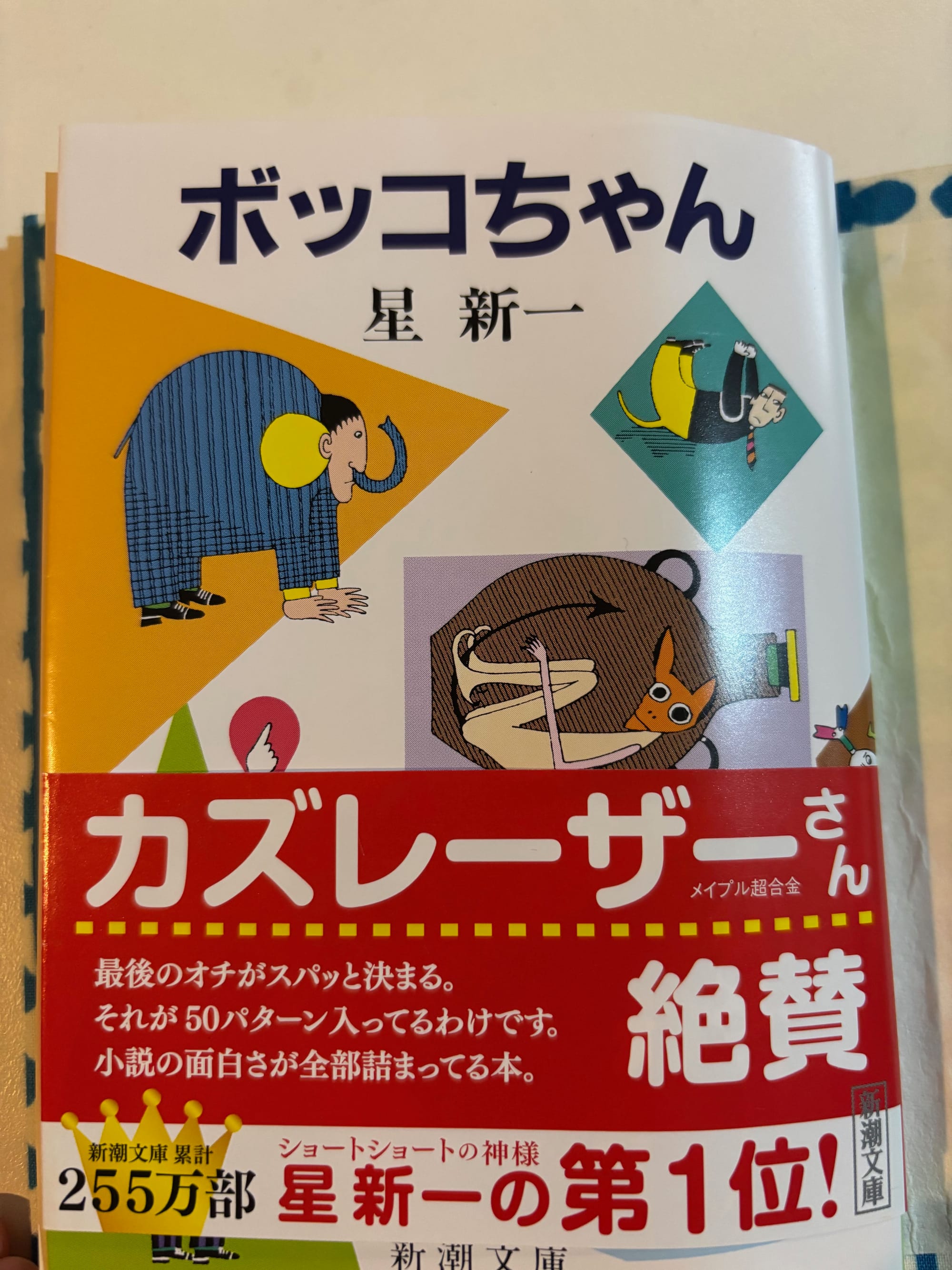
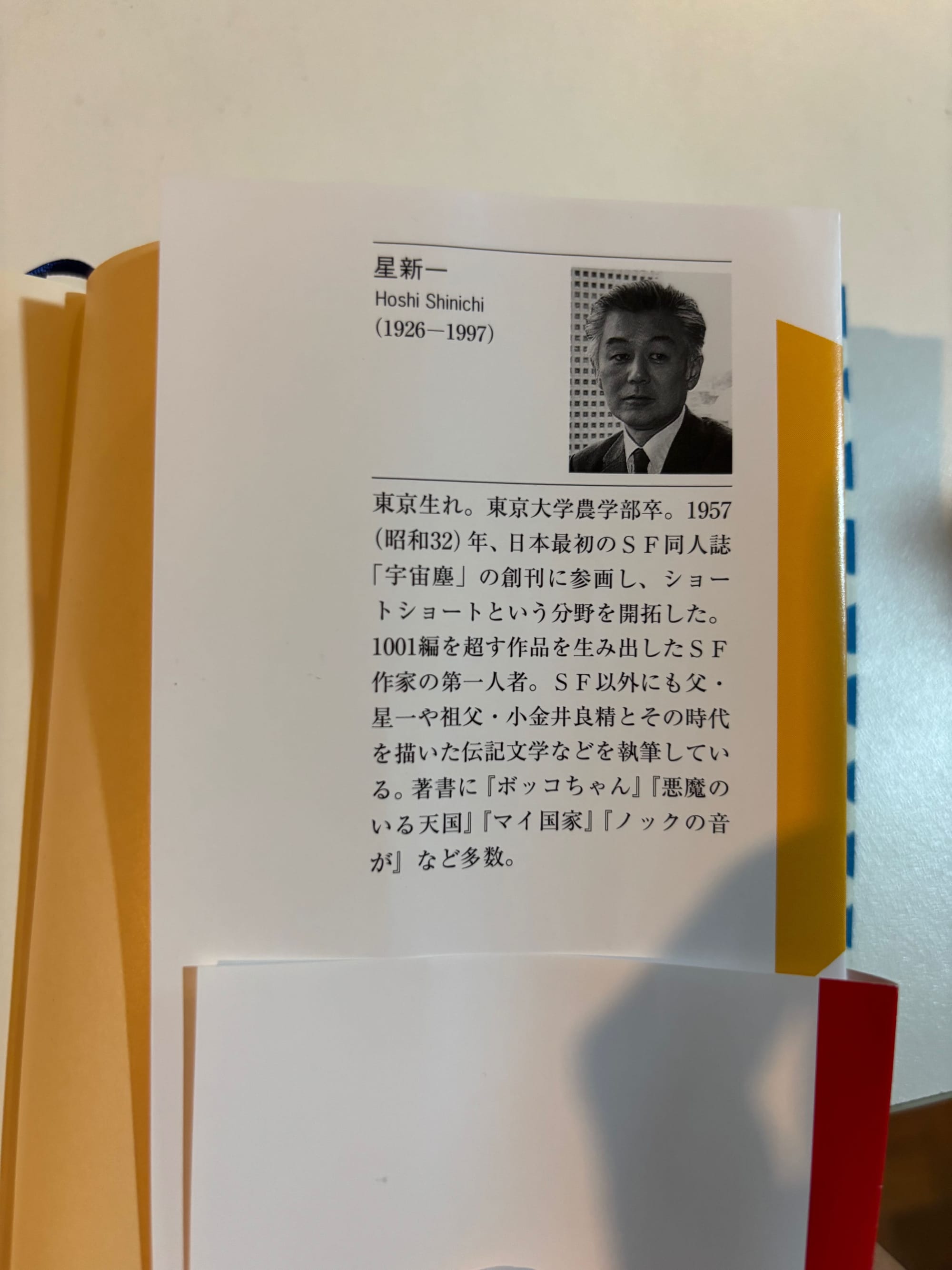
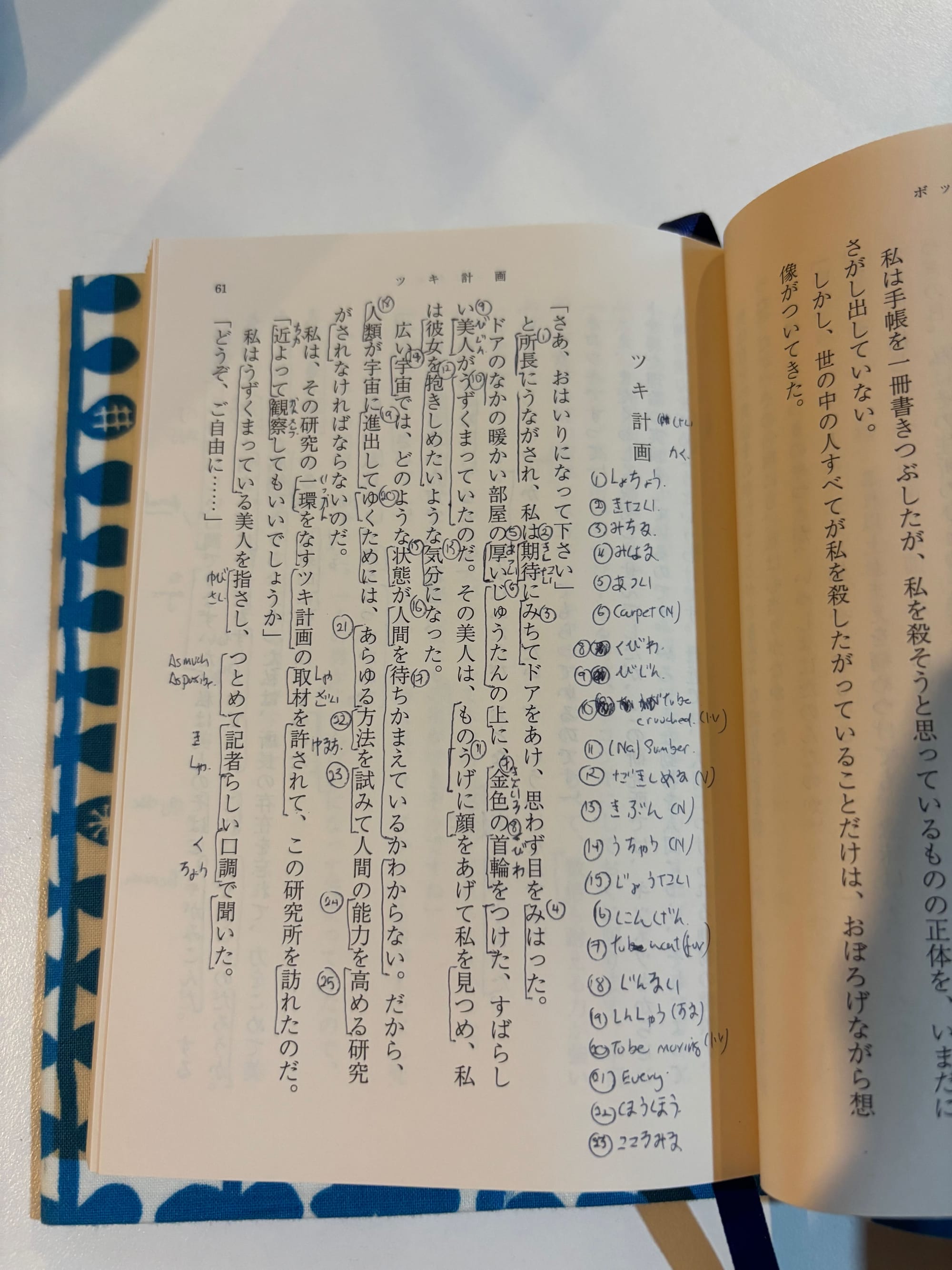
My Bokko-chan bunkobon. Not an ideal place to make notes.
On the bright side, I found the learnings from my Japanese textbook helped me understand some of the grammar and vocabulary. It's always reassuring when what you learn in theory gets applied in real life.
Language issues aside, I realised it was equally important to stay focused and not day dream during the reading session, as I risked losing track where we were at. I am quite sure stopping the reader mid-way to check is a big faux pas in any reading club.
At the end of the session, I did not really know what the short story was about. I did, however, leave with a newfound appreciation for reading clubs and will definitely continue participating in it.
Bunkobon basics
My Bokko-chan book is printed in a small format called a bunkobon (Japanese: 文庫本). This format exists for its space-saving characteristics and affordability - they are cheaper than full-sized books. My paperback Bokko-chan bunkobon cost around JPY700 (~US$4.50).
You will often see Japanese commuters reading a bunkobon-format book during their daily commute to and from work, as it is easy to hold with one hand.
Because bunkobon are more or less the same size - 10.5 cm x 14.8 cm - you can buy bunkobon covers to wrap the book you're currently reading. How practical!
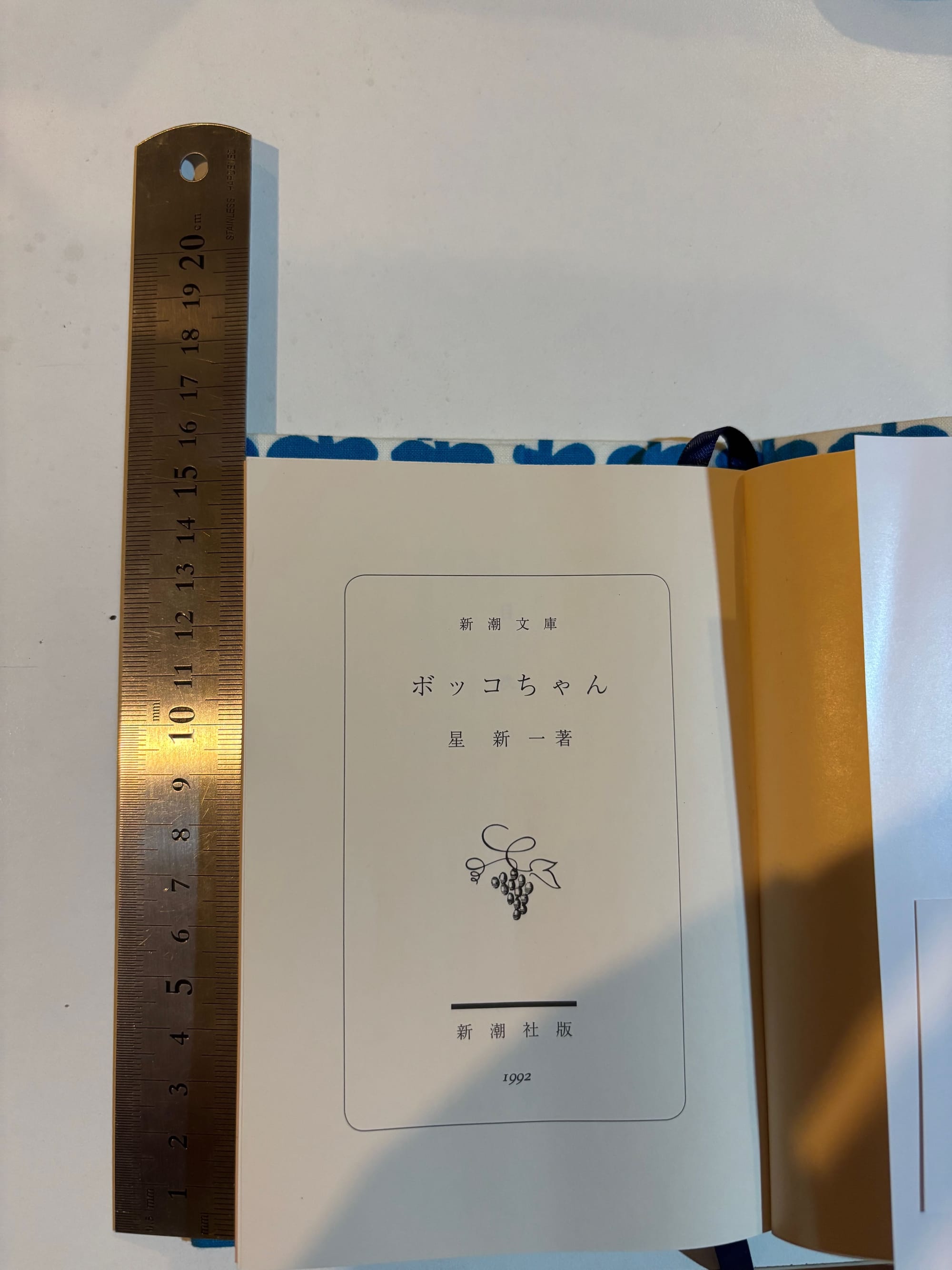
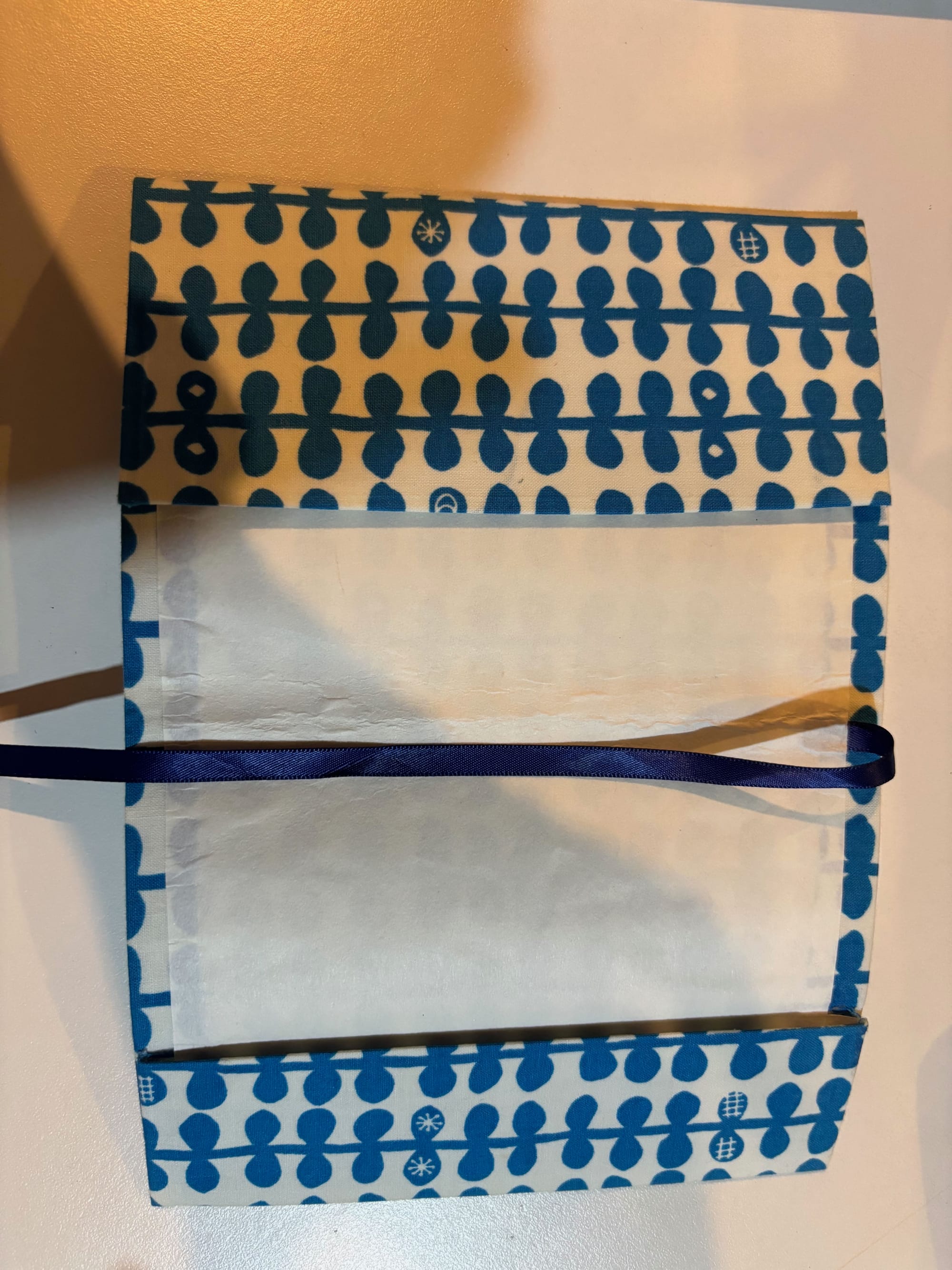
My compact bunkobon and its cover
--Ends