WB030: Small discoveries, impactful changes
"Less alcohol and more vegetables", advised the doctor as he scanned the dietary questionnaire I submitted before my health consult last November.
The medical report that followed one month later confirmed a niggling suspicion: I had gotten complacent in managing my cholesterol levels.
This wake-up call has since motivated me to find a sustainable and balanced solution to improving my cholesterol levels, without resorting to medication.
First, what is cholesterol?
According to the Mayo Clinic, "Cholesterol is a waxy substance found in your blood. Your body needs cholesterol to build healthy cells, but high levels of cholesterol can increase your risk of heart disease."
There are no symptoms to high cholesterol - a blood test is the only way to confirm your levels. And because it's painful and not practical to do a test every day, the only thing you can do is regular exercise and having a balanced diet by eating more vegetables.
Discovering the link between vegetables & cholesterol
Admittedly, beyond "vegetables are good for you", I did not know the science behind this, so I dug a little deeper.
It turns out dietary fibers in vegetables help your body absorb and eliminate low-density lipoprotein ("LDL") cholesterol, i.e. the "bad" cholesterol. I was always under the impression that fiber's only role was to help you poo better.
I enjoy vegetables, especially a good salad. But they haven't featured much in my daily diet as I'm not great at preparing them - I always end up with a soggy, tasteless mess.
Understanding the "why" has motivated me to consciously boost my daily vegetable intake, which in Japan is 350 grams. I don't think there's a hard science behind this figure, but it sounds like a win-win if I achieve this target.
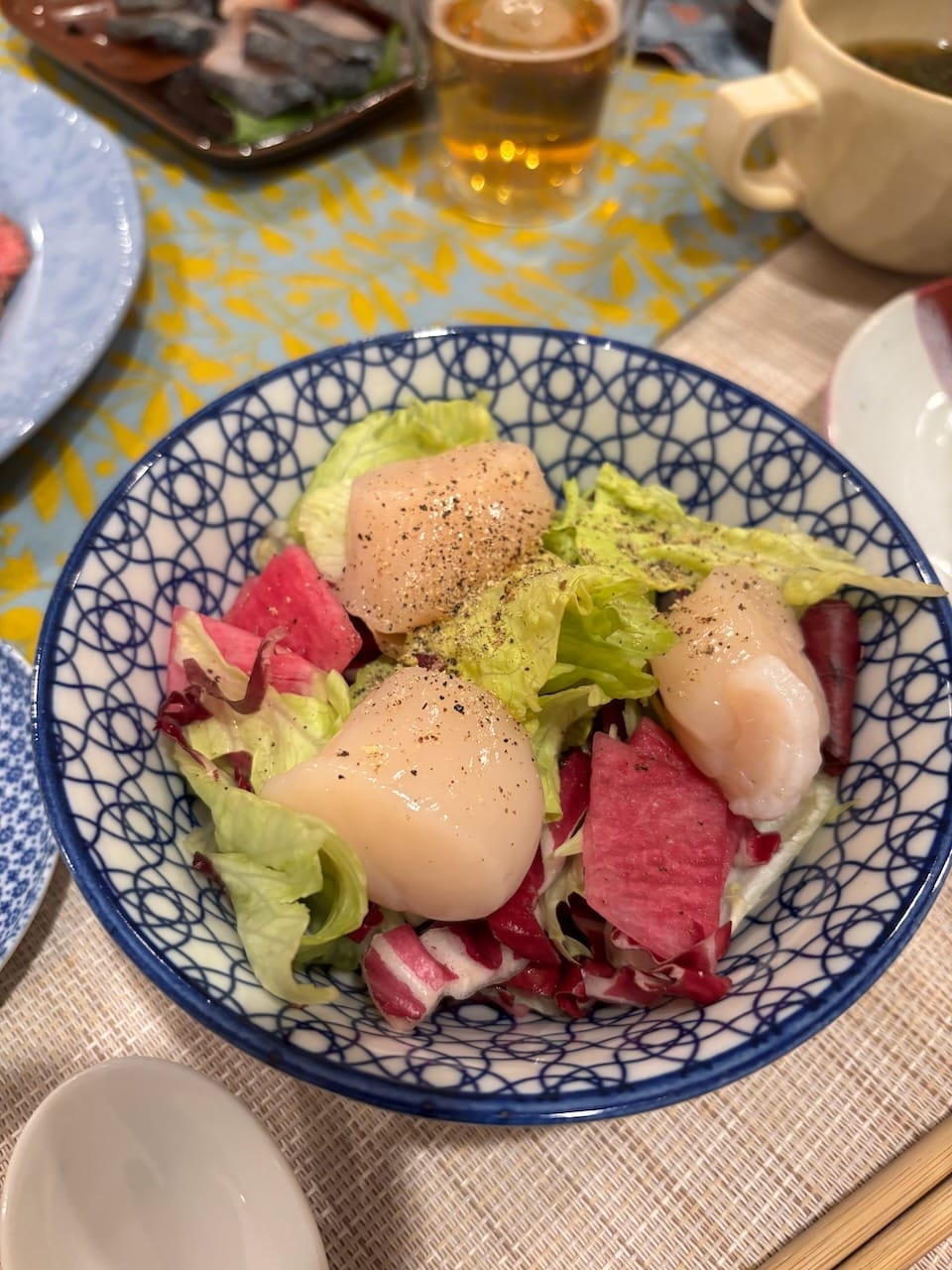
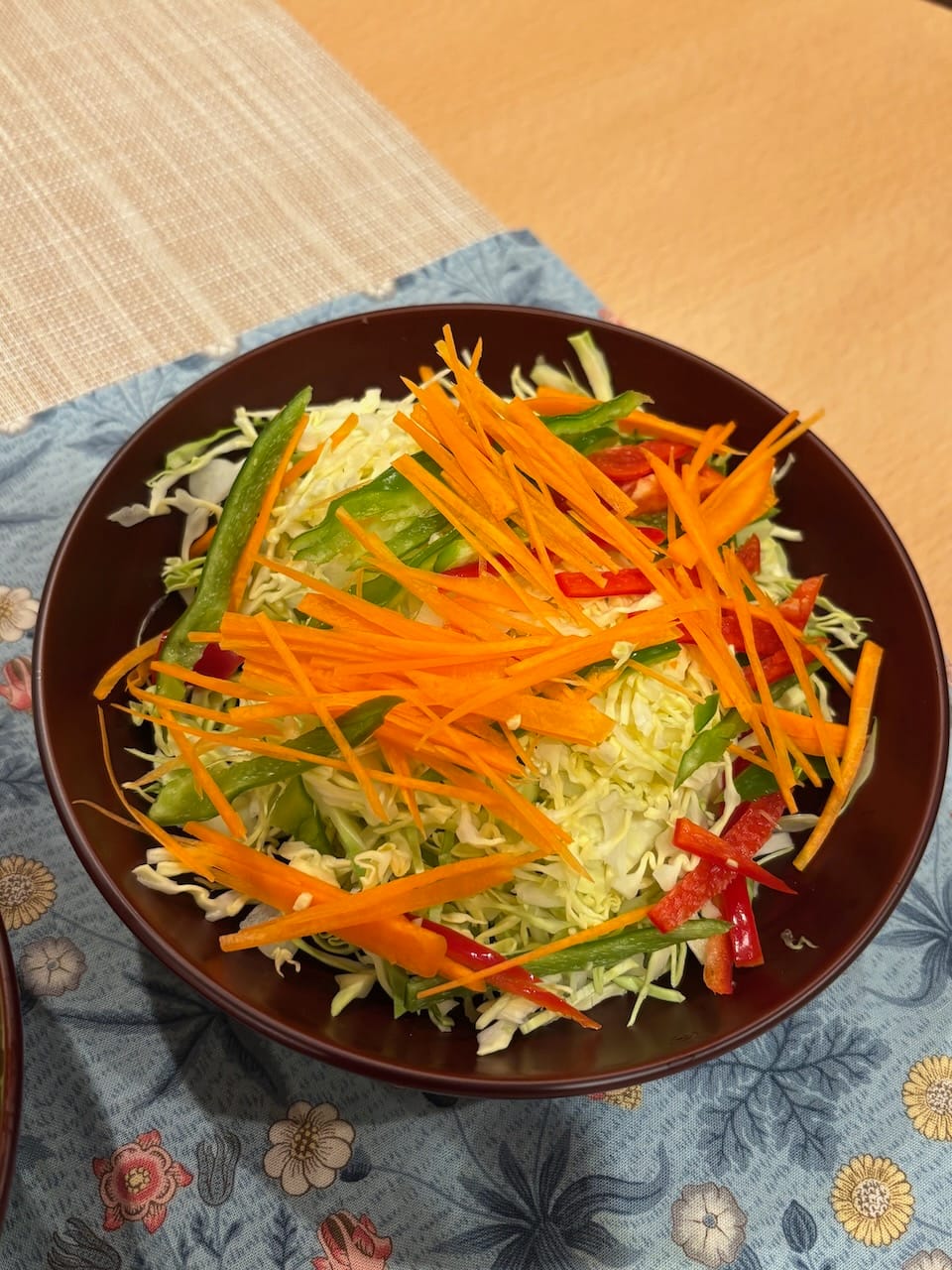
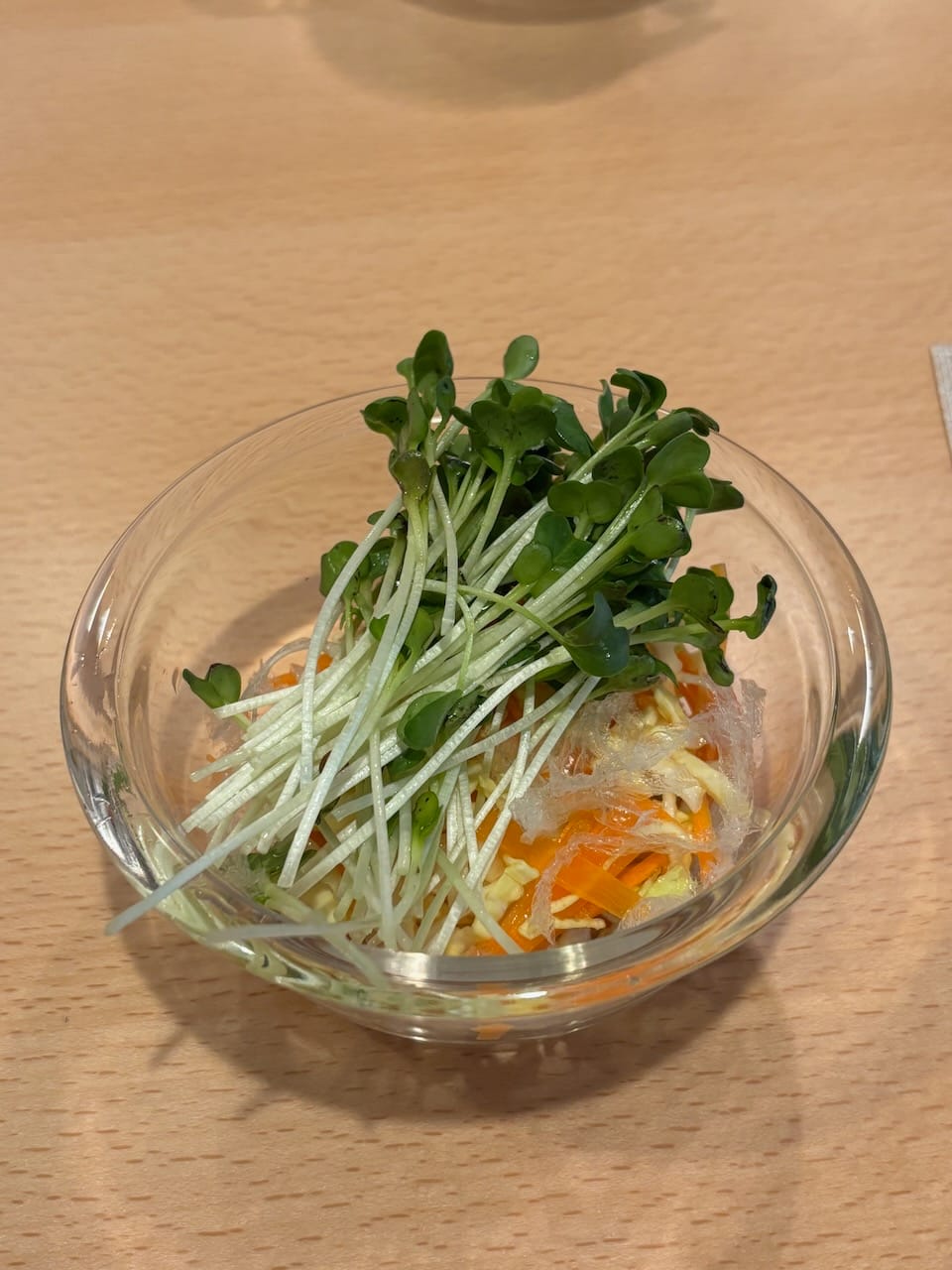
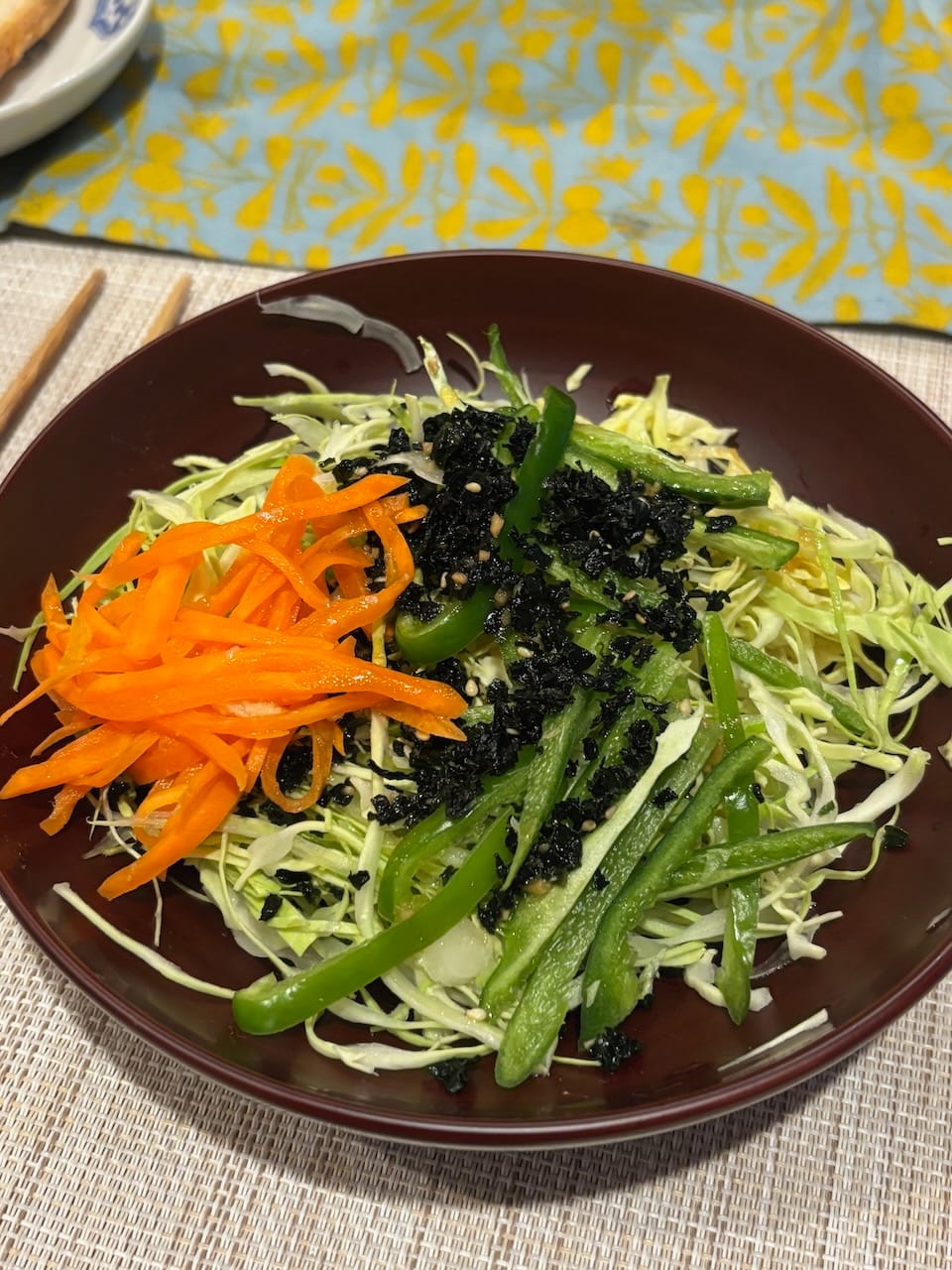
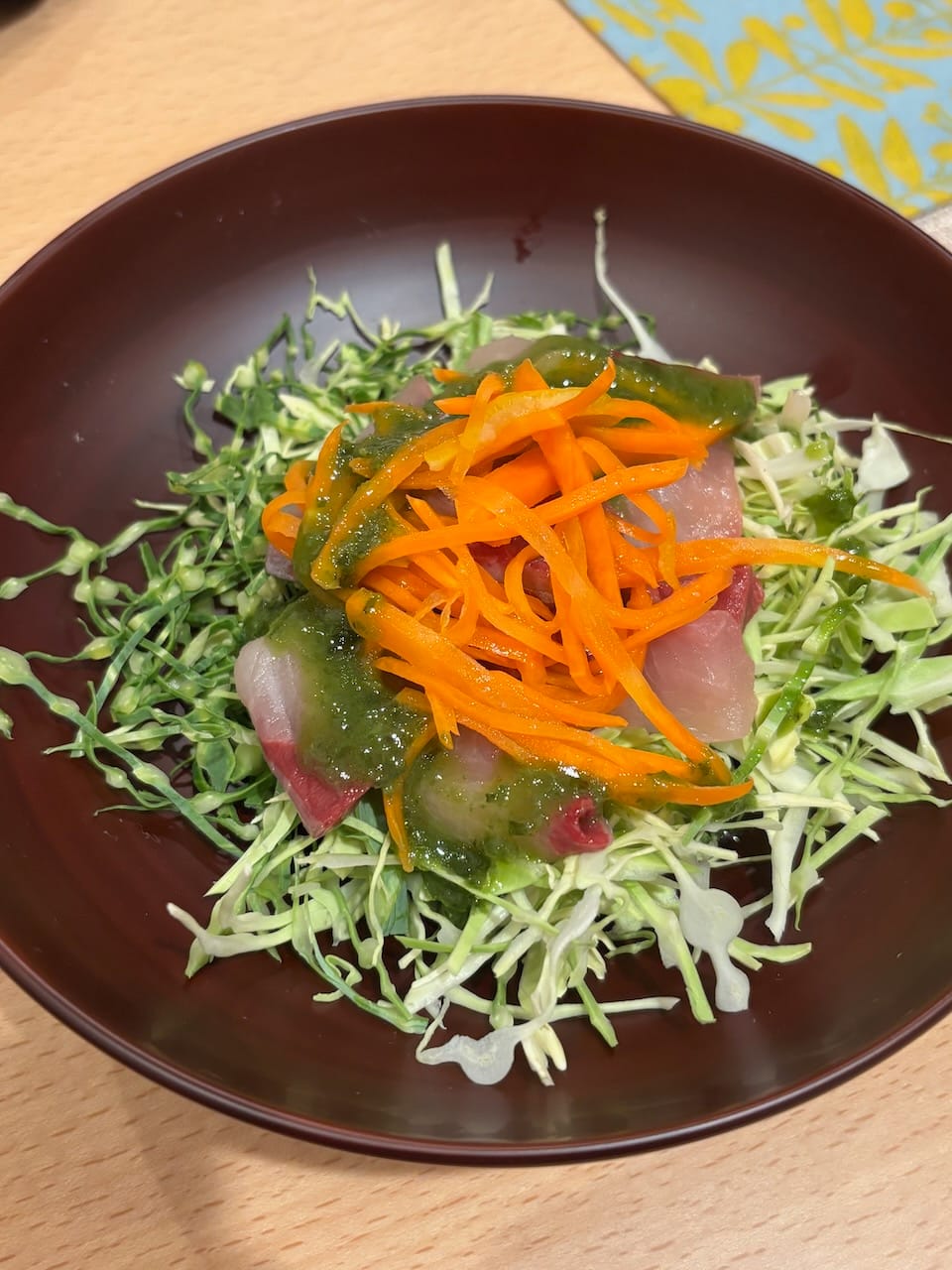
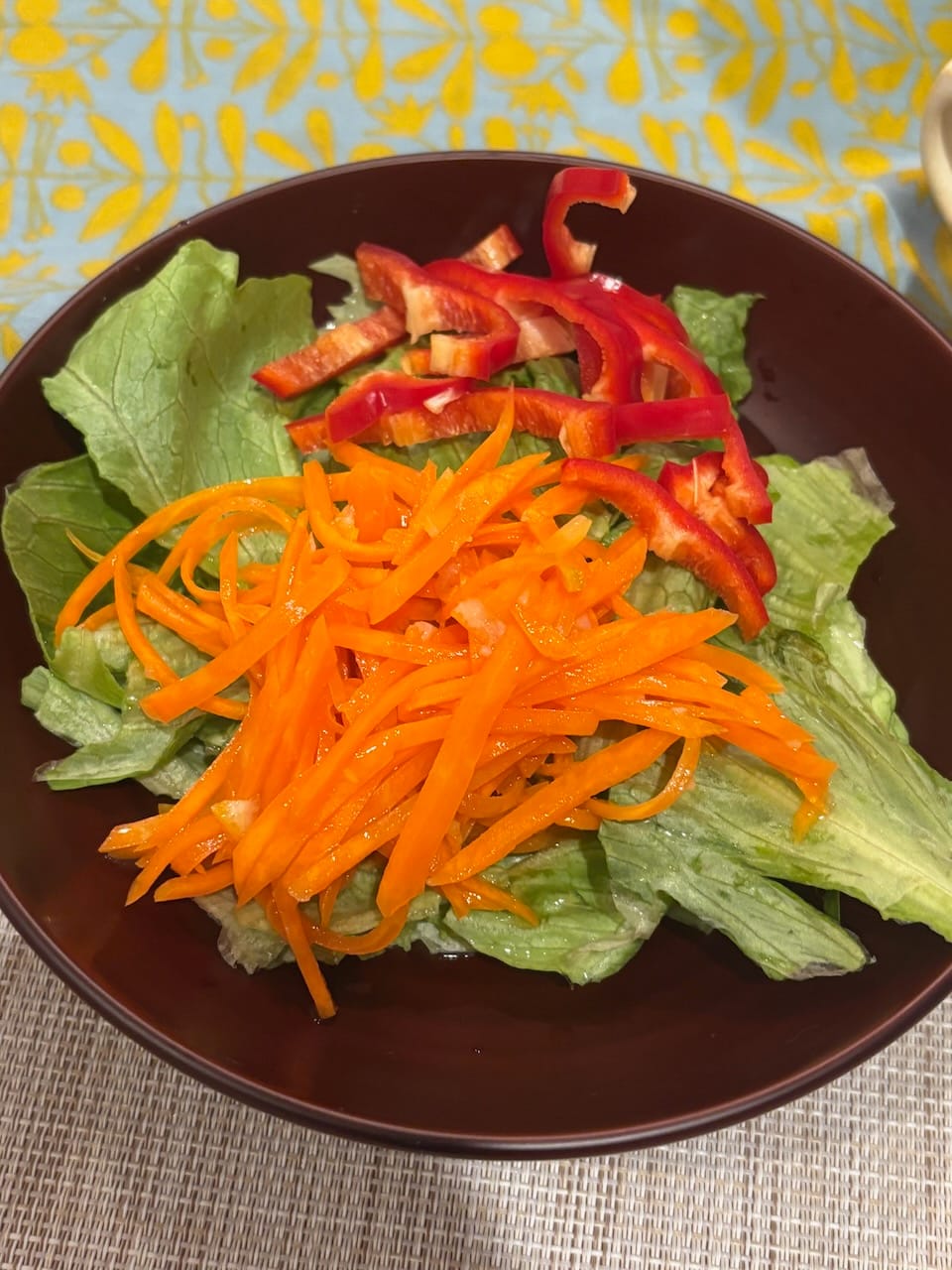
I now try to eat at least 200g of salad over breakfast and dinner.
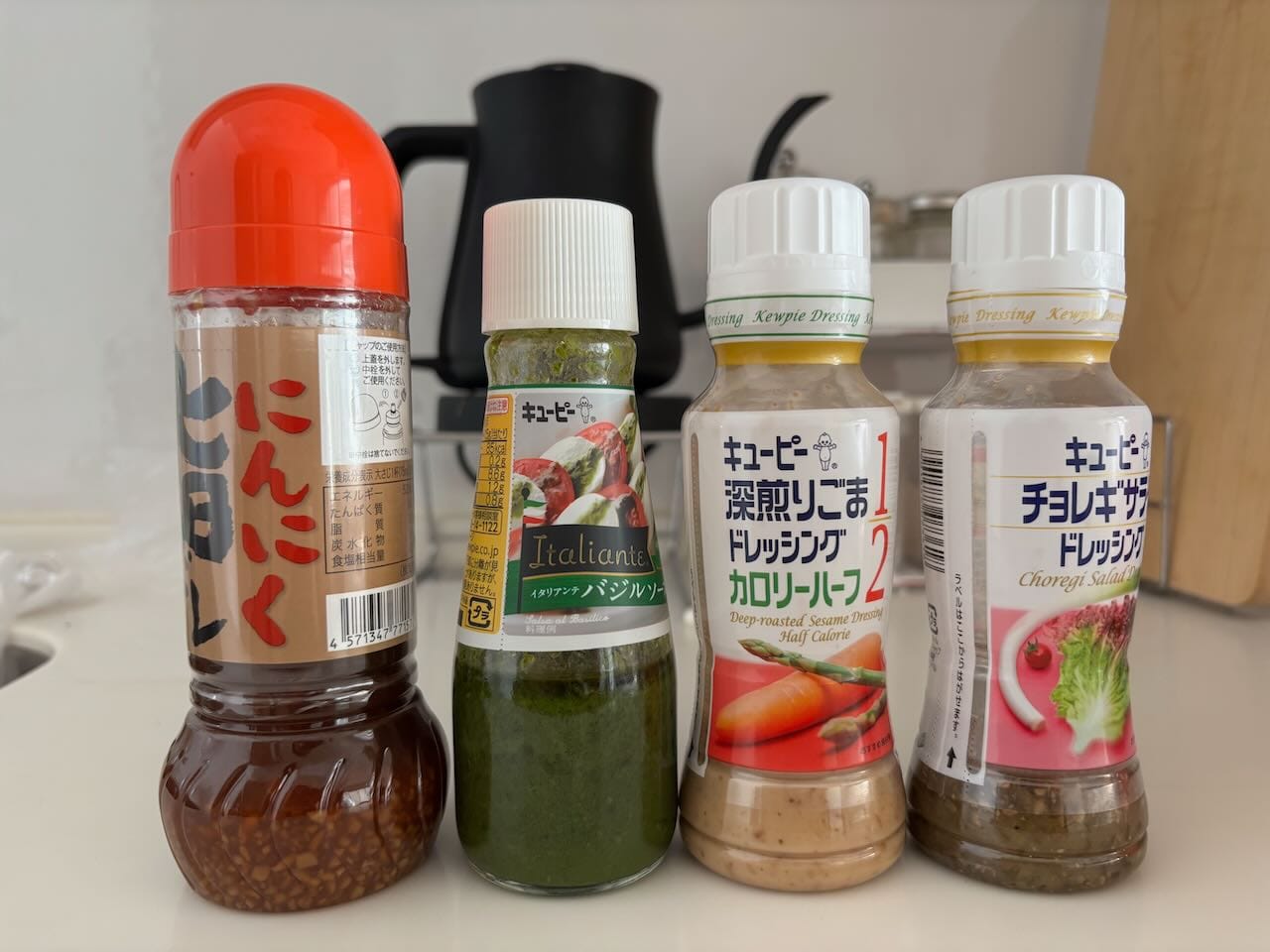
One game changer that has helped is adding salad dressings (in moderate amounts) to my salads. These dressings are not by any means healthy, but I think the ends more than justify the means.
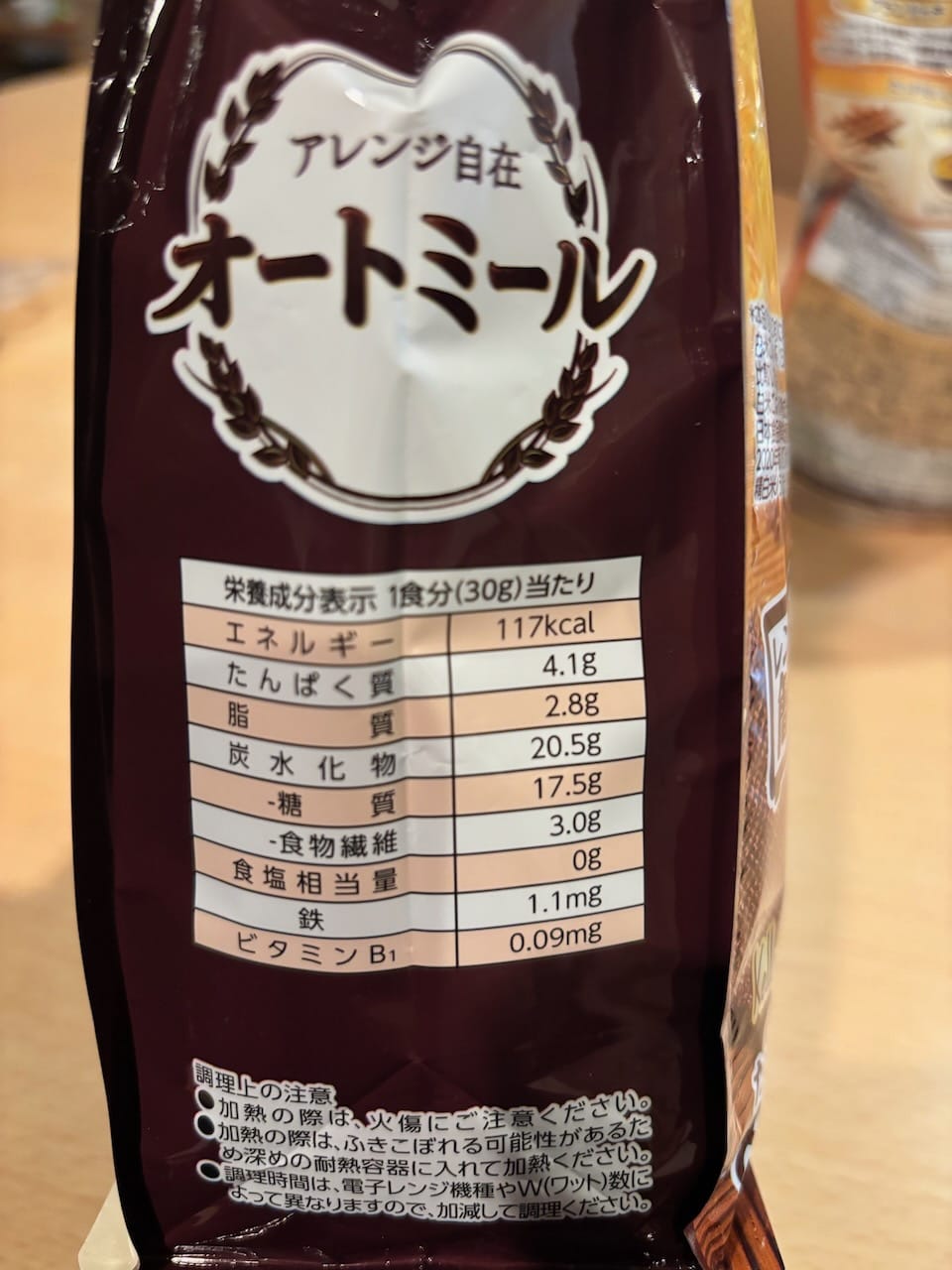
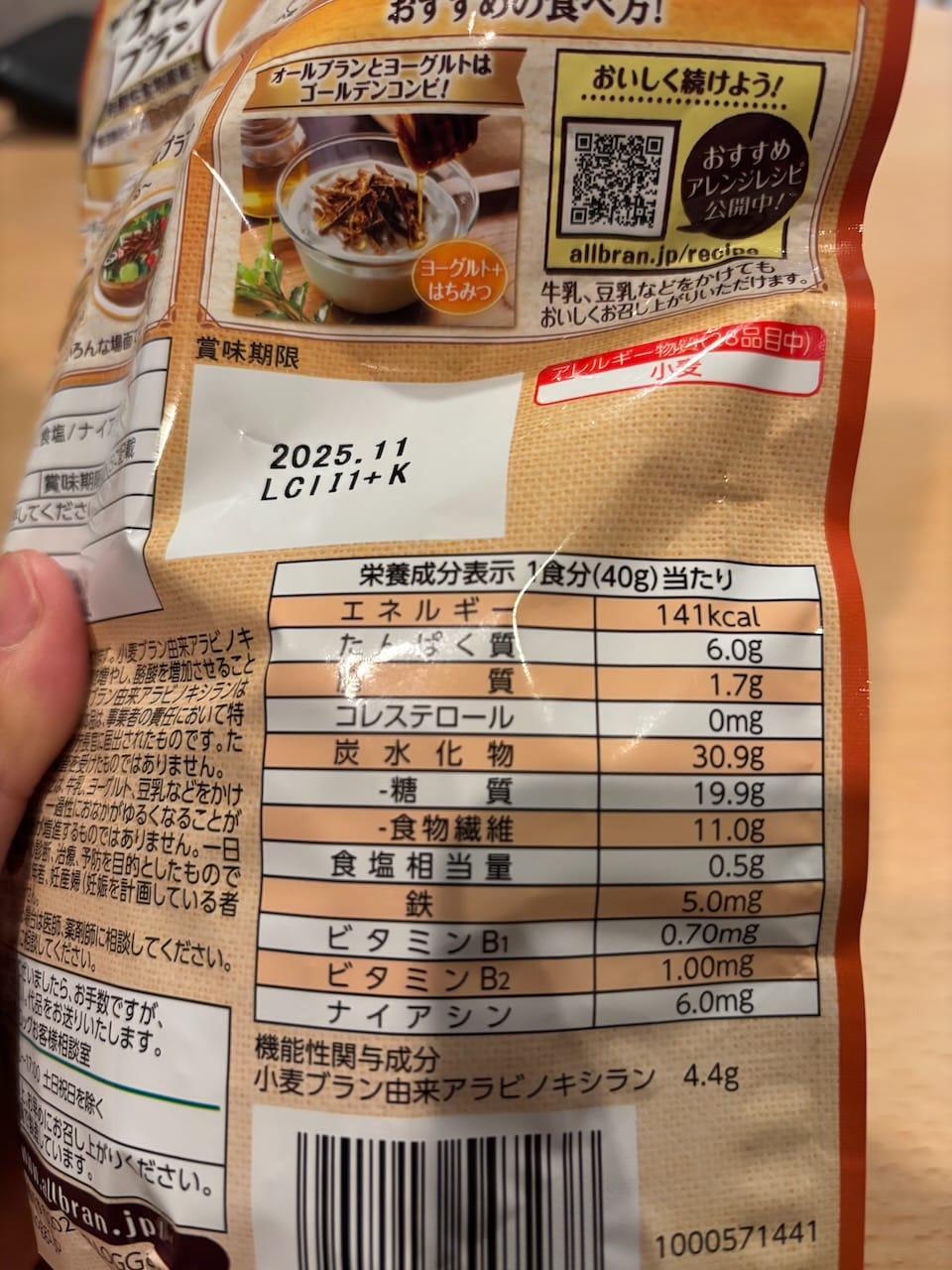
Learning the link between dietary fibers and cholesterol also taught me how to interpret the nutritional disclosures on food packaging, leading me to take a more measured approach to preparing my daily oats.
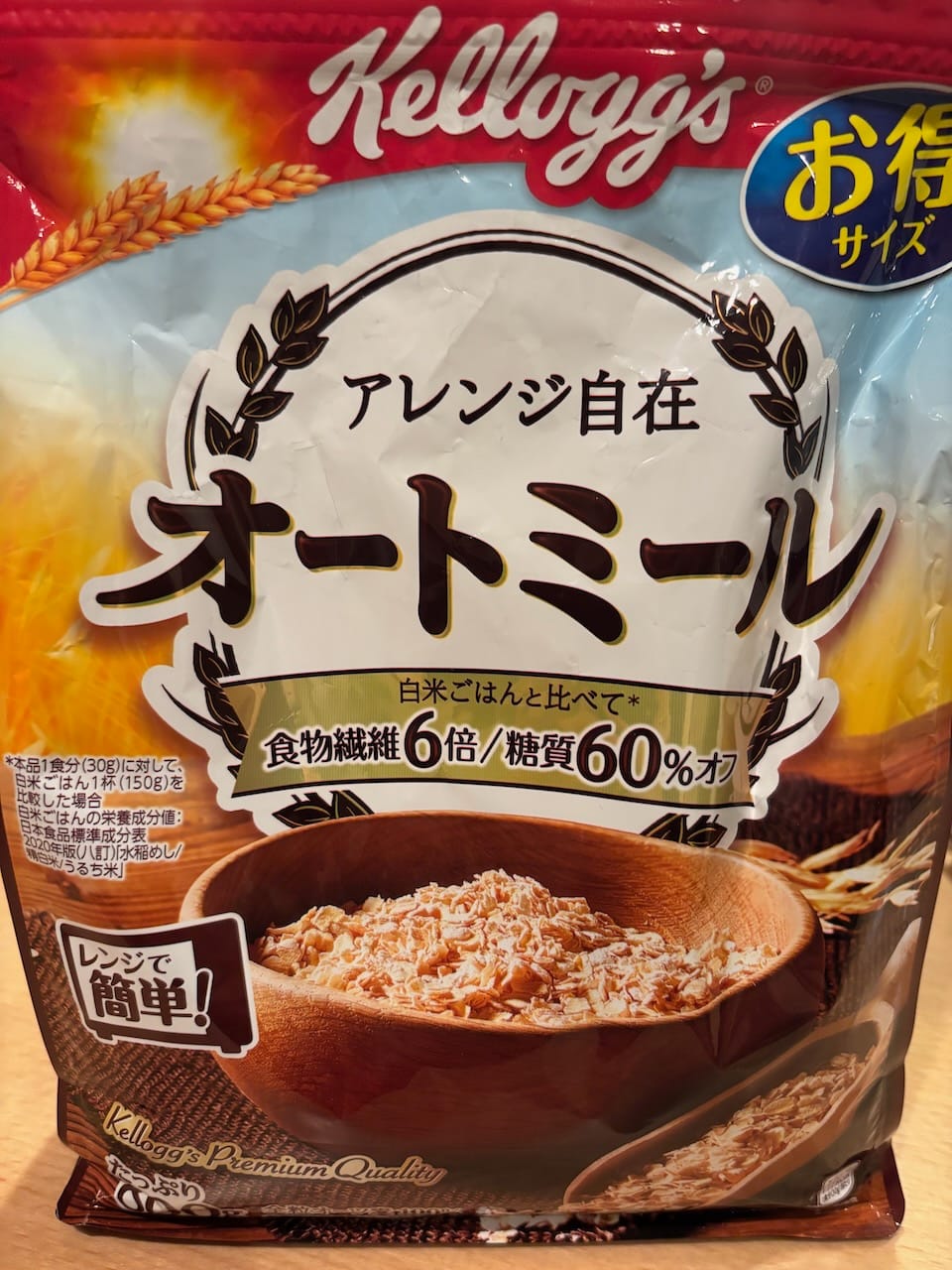
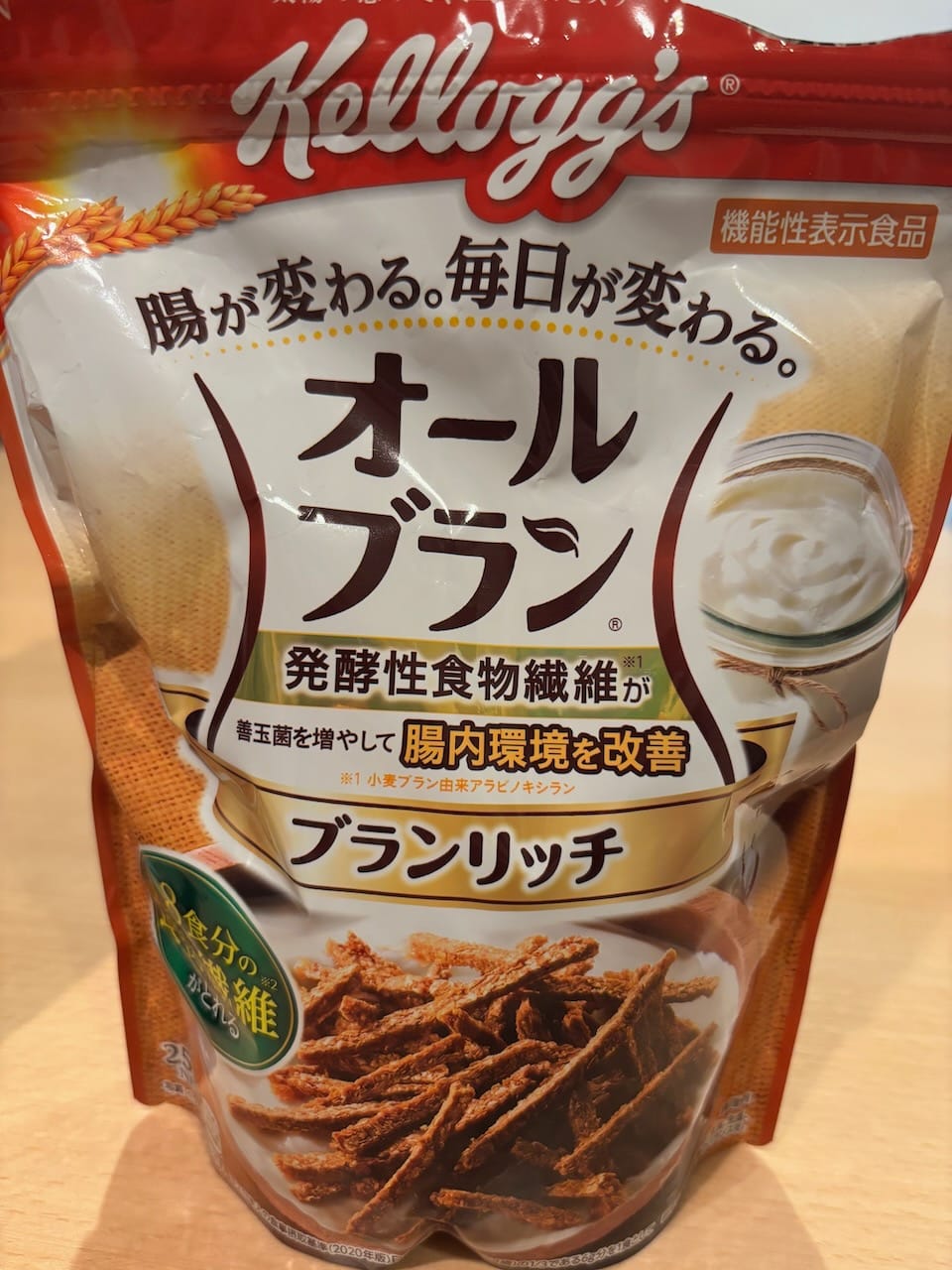
For example, 30 grams of Kellogg's オートミール (English: Oatmeal) has 3 grams of dietary fiber, while 40 grams of Kellogg's ホールブラン (English: All Bran) has 11 grams of dietary fiber ("Dietary fiber" is 食物繊維 ("shokumotsueni") in Japanese).
The current dietary guidelines for Americans recommend 14 grams of fiber for every 1,000 calories.
Keeping tabs the old-fashioned way
Having a good, tasty beer at the end of the day is something I look forward to. This is within the recommended guidelines, if I am not mistaken.
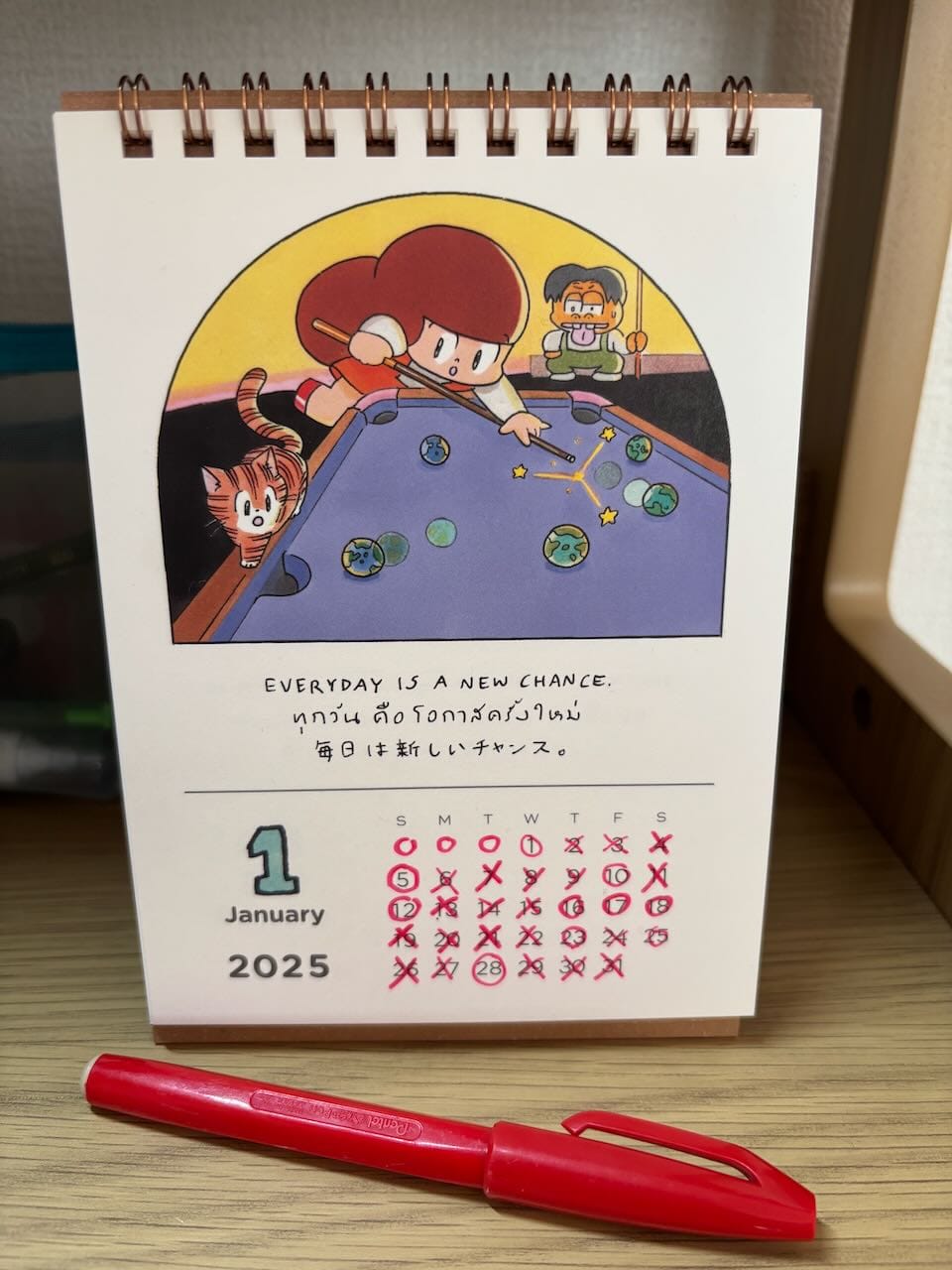
But since receiving my medical results, I have been determined to limit my drinking to twice a week. Since the start of January, I've had some success, chalking up 20 dry days out of 31 days.
I was initially unsure whether I could cut down by so much, but two things have helped.
The first is keeping a record using a table calendar and red marker (over a digital approach). Drinking days are marked with a circle, while non-drinking days are marked with a cross. In hindsight, it should be the other way around, but it's a little late for that.
There's a lot of satisfaction from memorialising your achievement or failure with the stroke of a pen, compared to using a digital tool. Visually, red is a very impactful colour.
The second change is switching to non-alcoholic beer (Japanese: ノンアルコール ビール), a novel experience for a beer-lover like me.
Non-alcoholic beer is gaining popularity in Japan, as younger people become more health conscious. This is quite surprising since alcohol (and tobacco) play a big part in Japanese dining culture and daily life.
I've always found the taste of non-alcohol beer quite strange. But given the circumstances, I decided to give it a chance. To date, I find Suntory's ALL-FREE the most palatable brand so far.
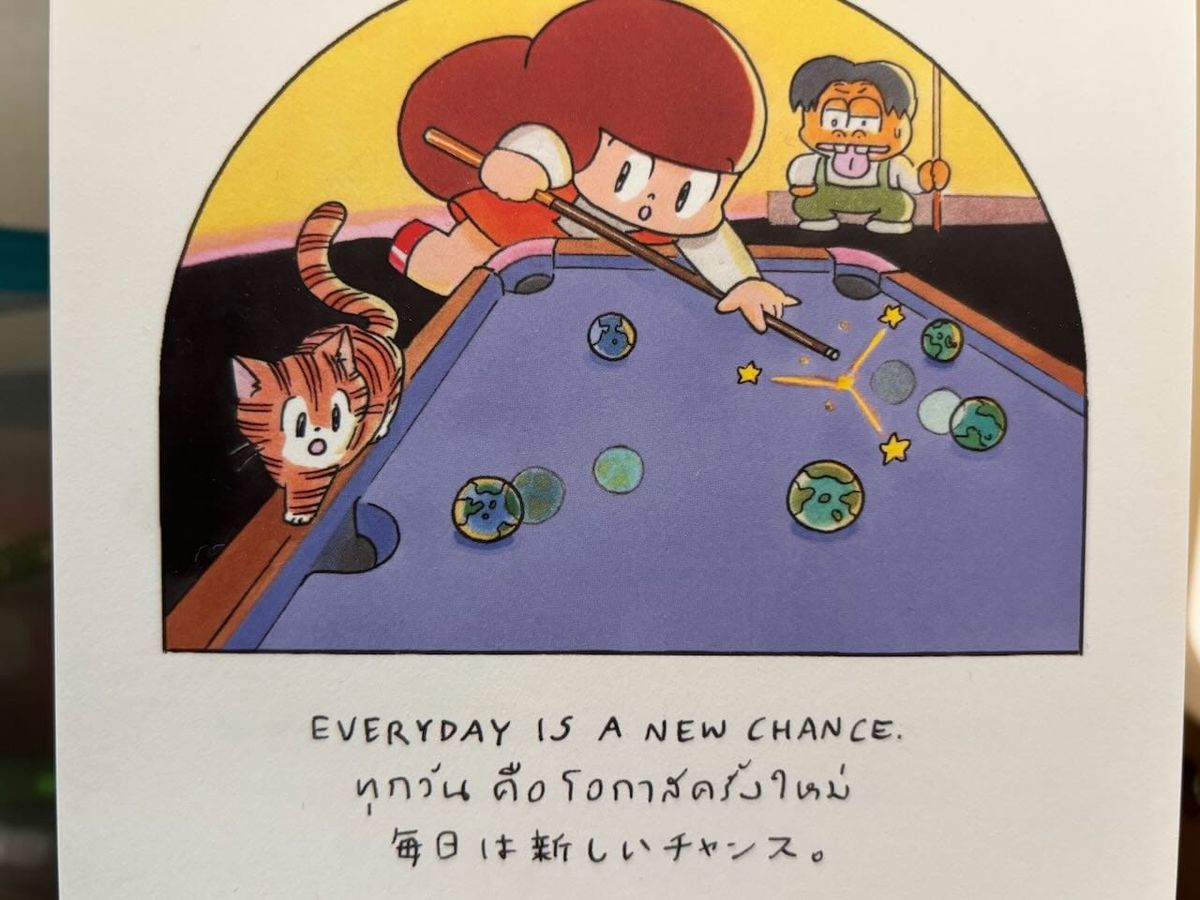
Everyday is a new chance to make a small discovery. Who knows, this might someday lead to a positive change.
--Ends