WB036: Ume Matsuri
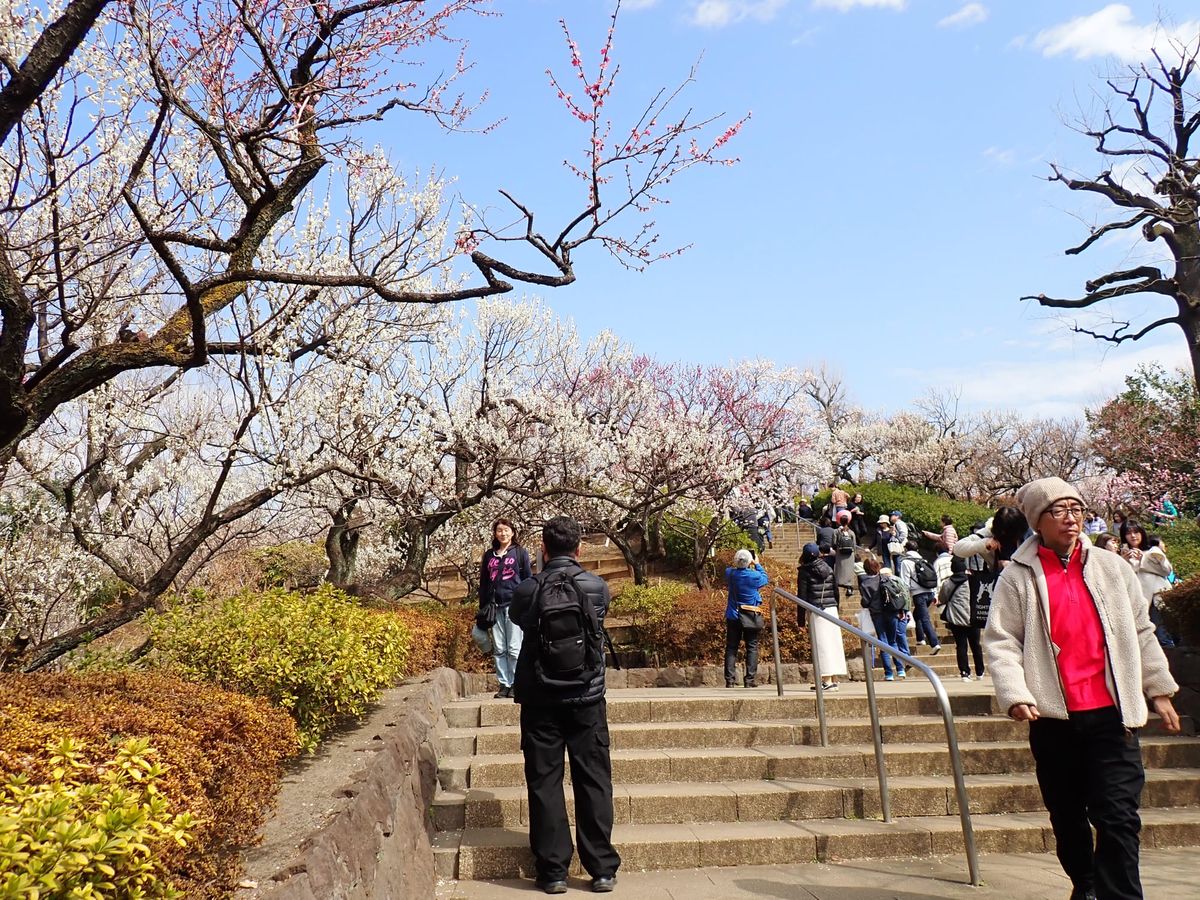
The Japanese plum, ume (Japanese: 梅), is associated with the start of spring in Japan, which is usually in mid-February. During this period, plum festivals known as umematsuri (Japanese: 梅祭り) are held.
A few weeks ago, we went to the plum forest in Hanegi Park (Japanese: 羽根木公園) for its 46th annual umematsuri. Hanegi Park is located in Umegaoka (Japanese: 梅ヶ丘), a town in the Setagaya (Japanese: 世田谷) district.
A literal translation of Umegaoka is "a hill with many plum trees", so I guess it's an apt location for the plum forest. Though I have walked past Hanegi park a couple of times on my way to a public swimming pool I use, I have never been to the plum forest.
The Hanegi Park umematsuri we went to had stalls selling cooked foods & drinks (a common matsuri thing) and plum-based products. There was quite a good crowd, as the weather was great and it was also the last day of the umematsuri.
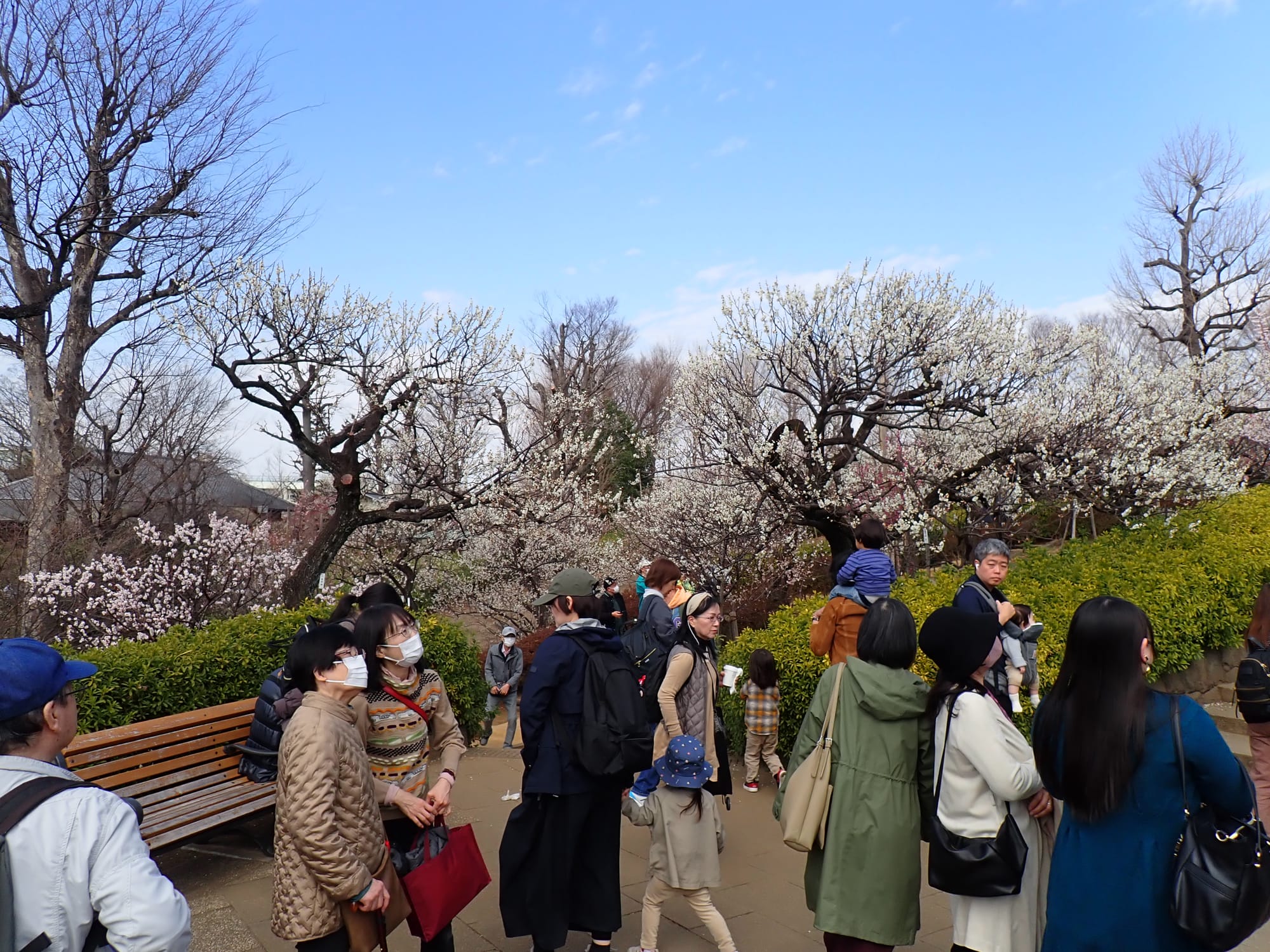
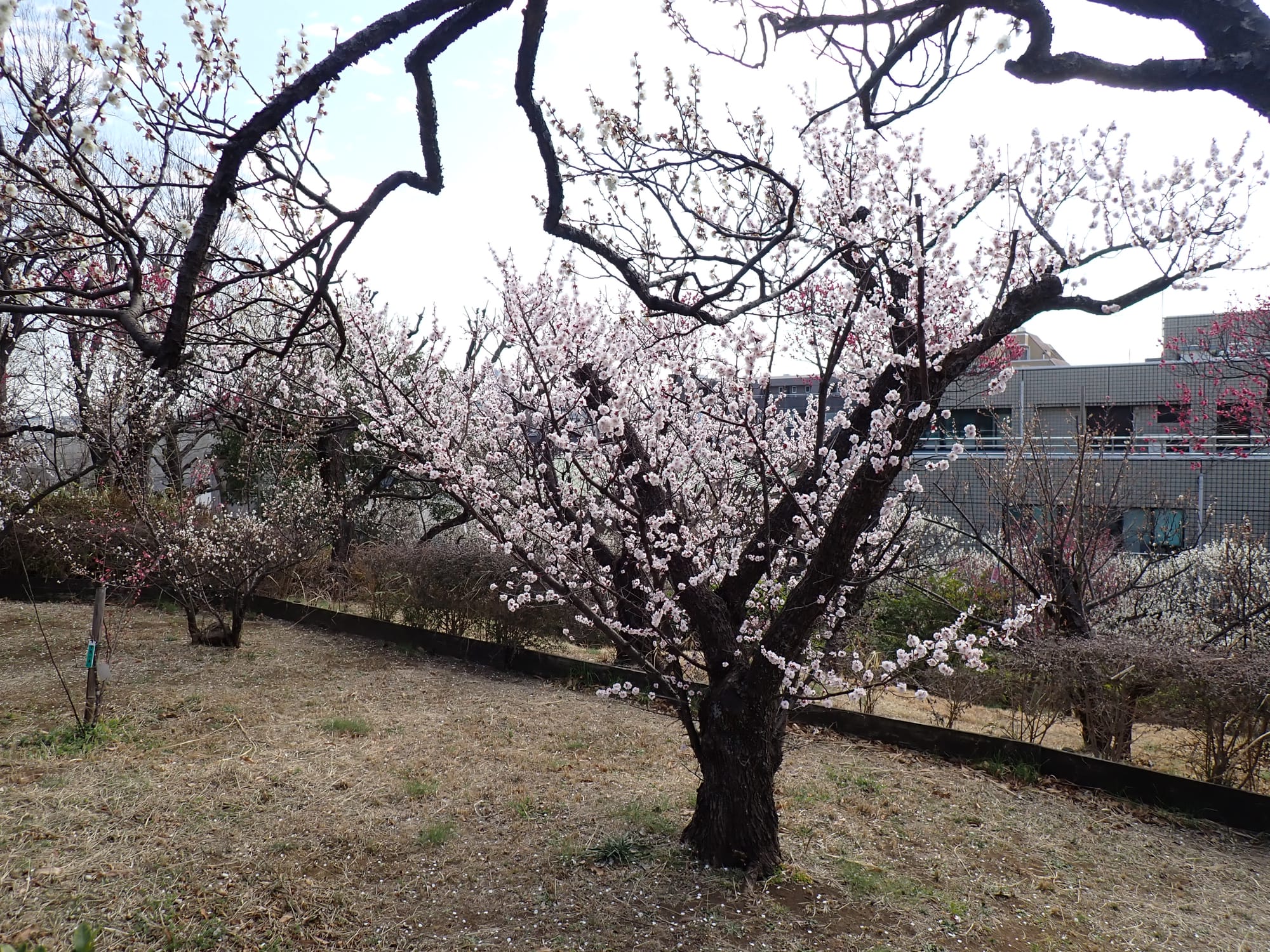
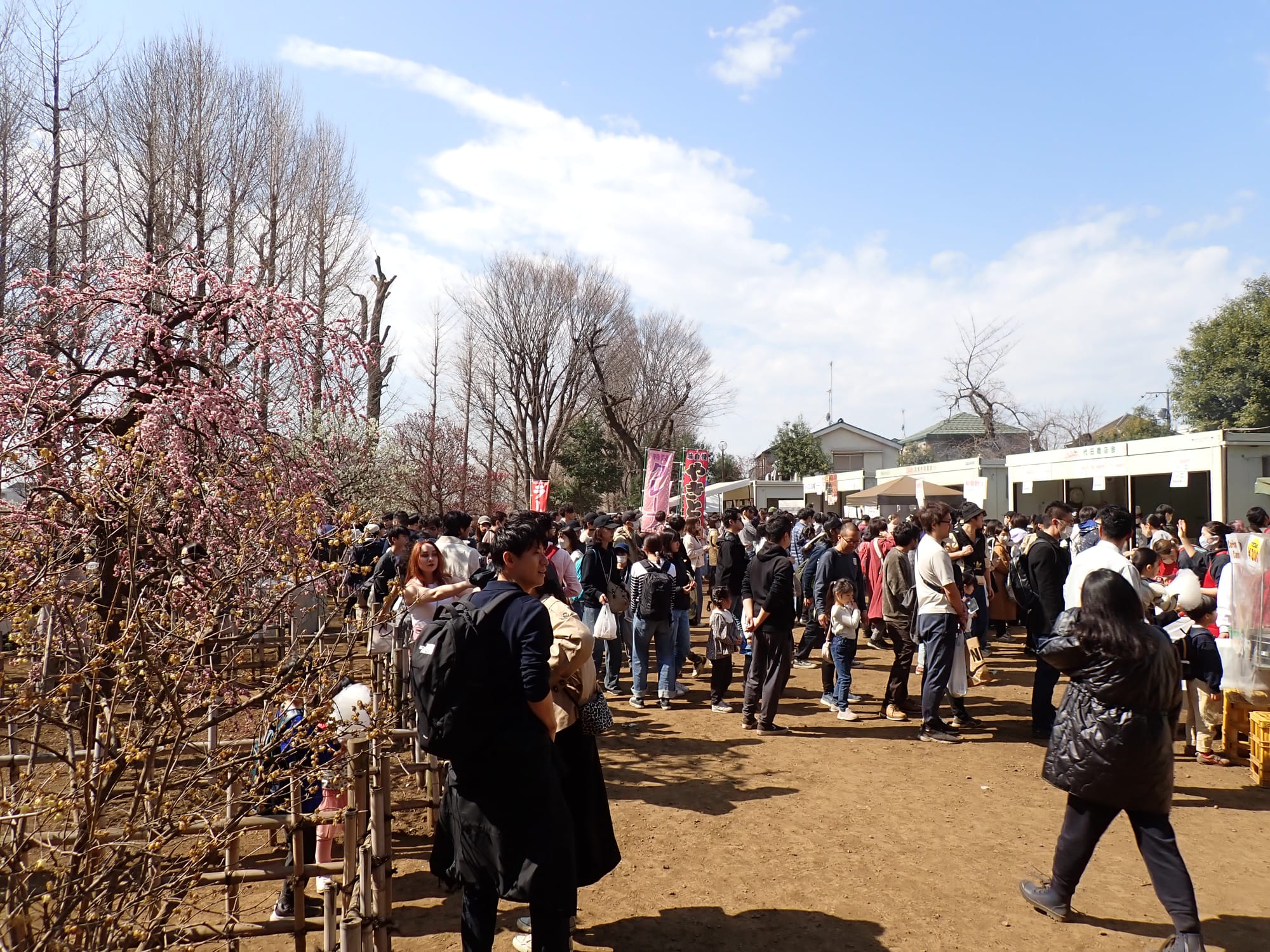
Busy day in Hanegi Park
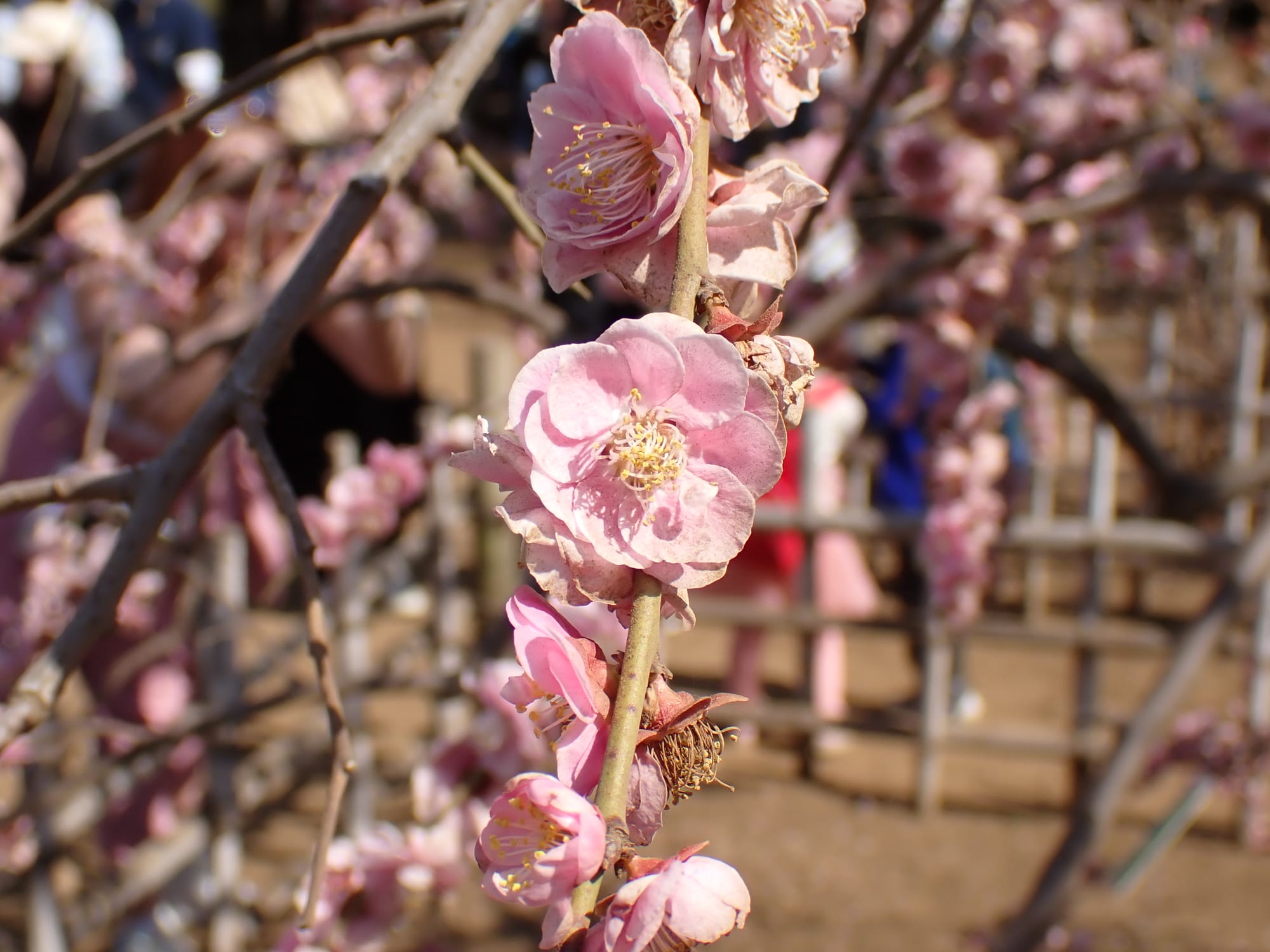
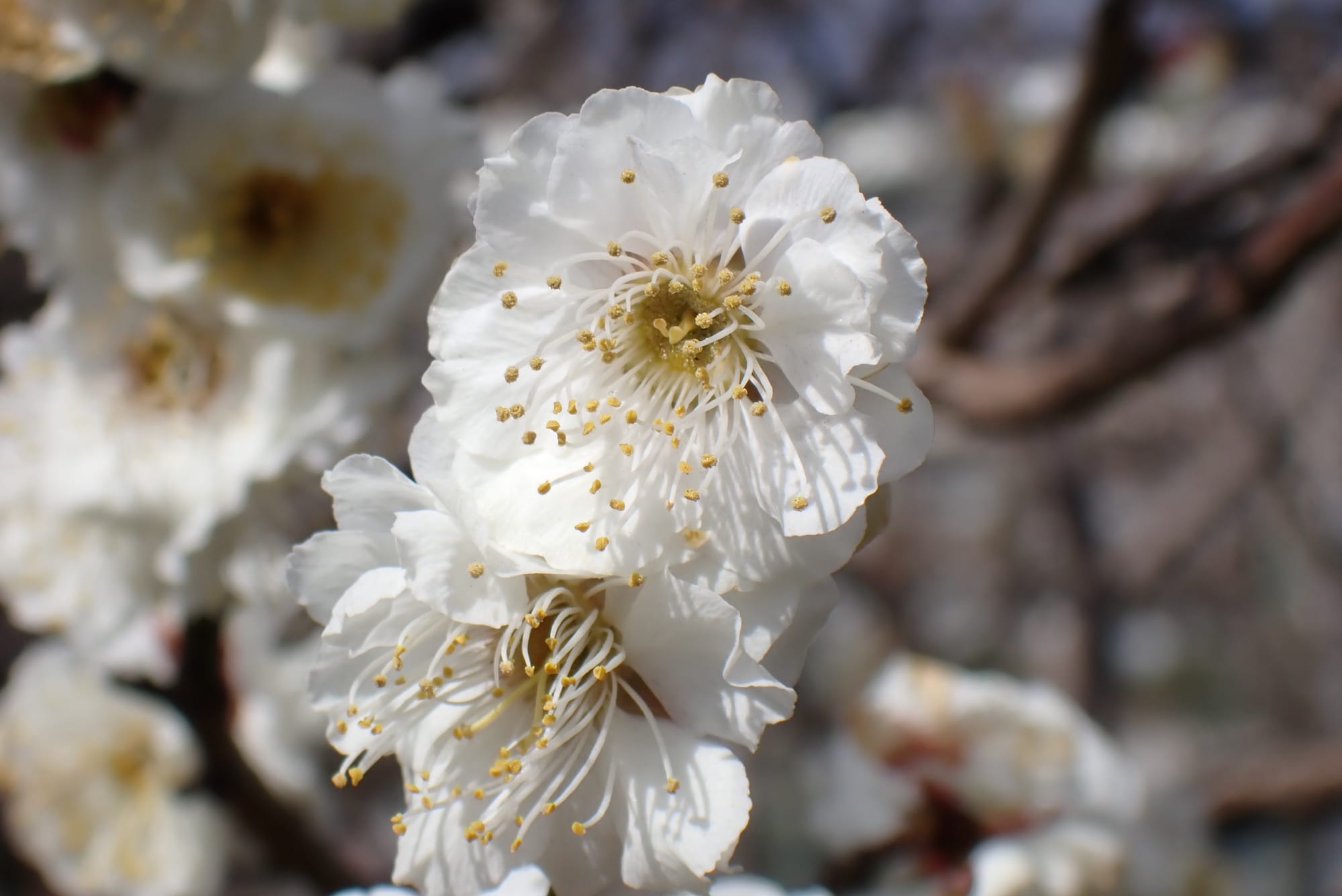
I was quite surprised to see so many species of plum trees, which were all in full bloom. The plum flowers are sometimes mistaken for sakura (Japanese: 桜, English: cherry blossom), which start blooming from end-March to April.
This year, Tokyo's sakura is predicted to start blooming in late March.
Famous sakura-viewing places like Ueno Park (Japanese: 上野) and Nakameguro (Japanese: 中目黒) will definitely be packed with locals and tourists looking to catch a glimpse of the first bloom. This makes the job of making the prediction an awfully stressful (and thankless) one!
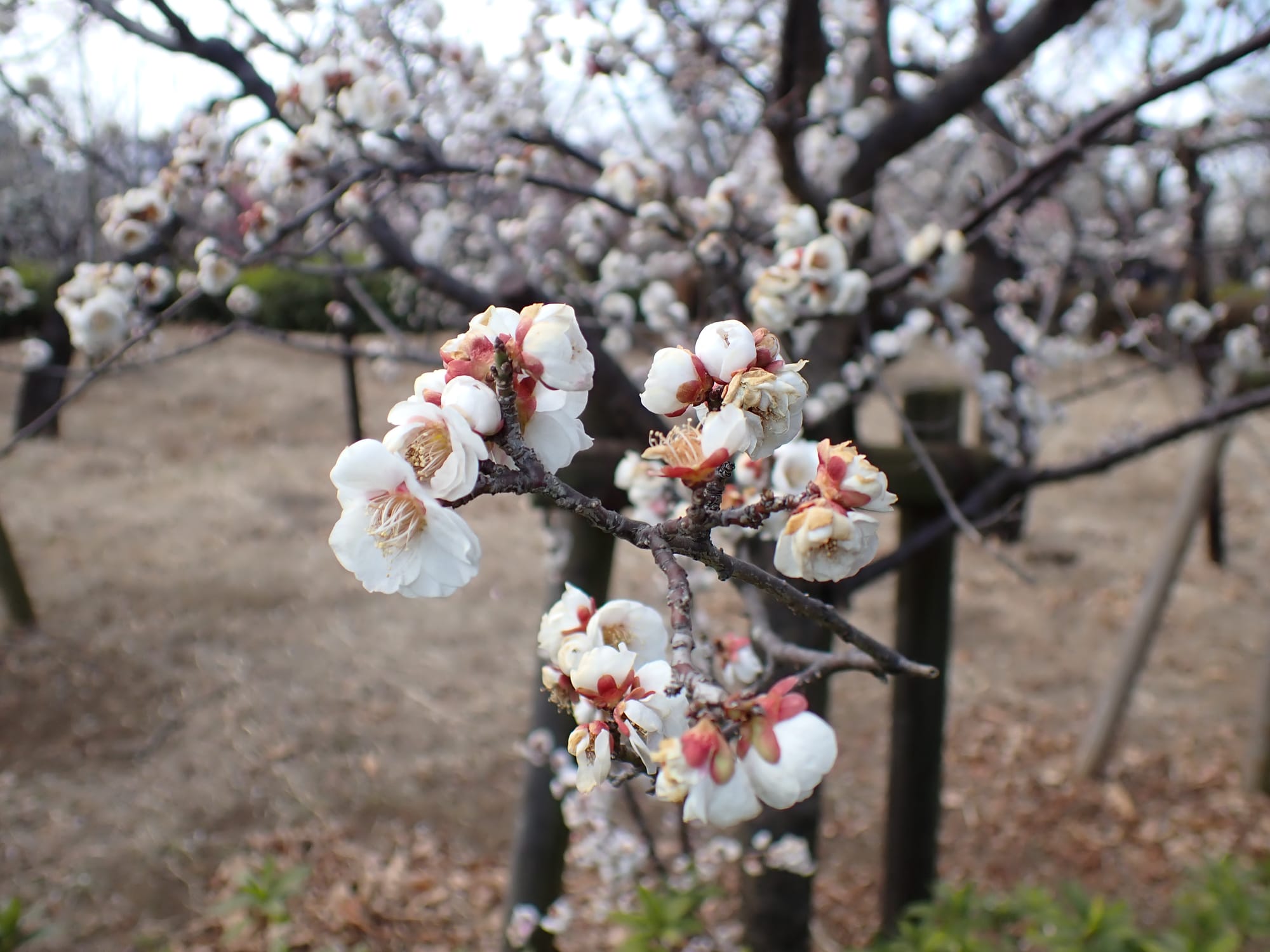
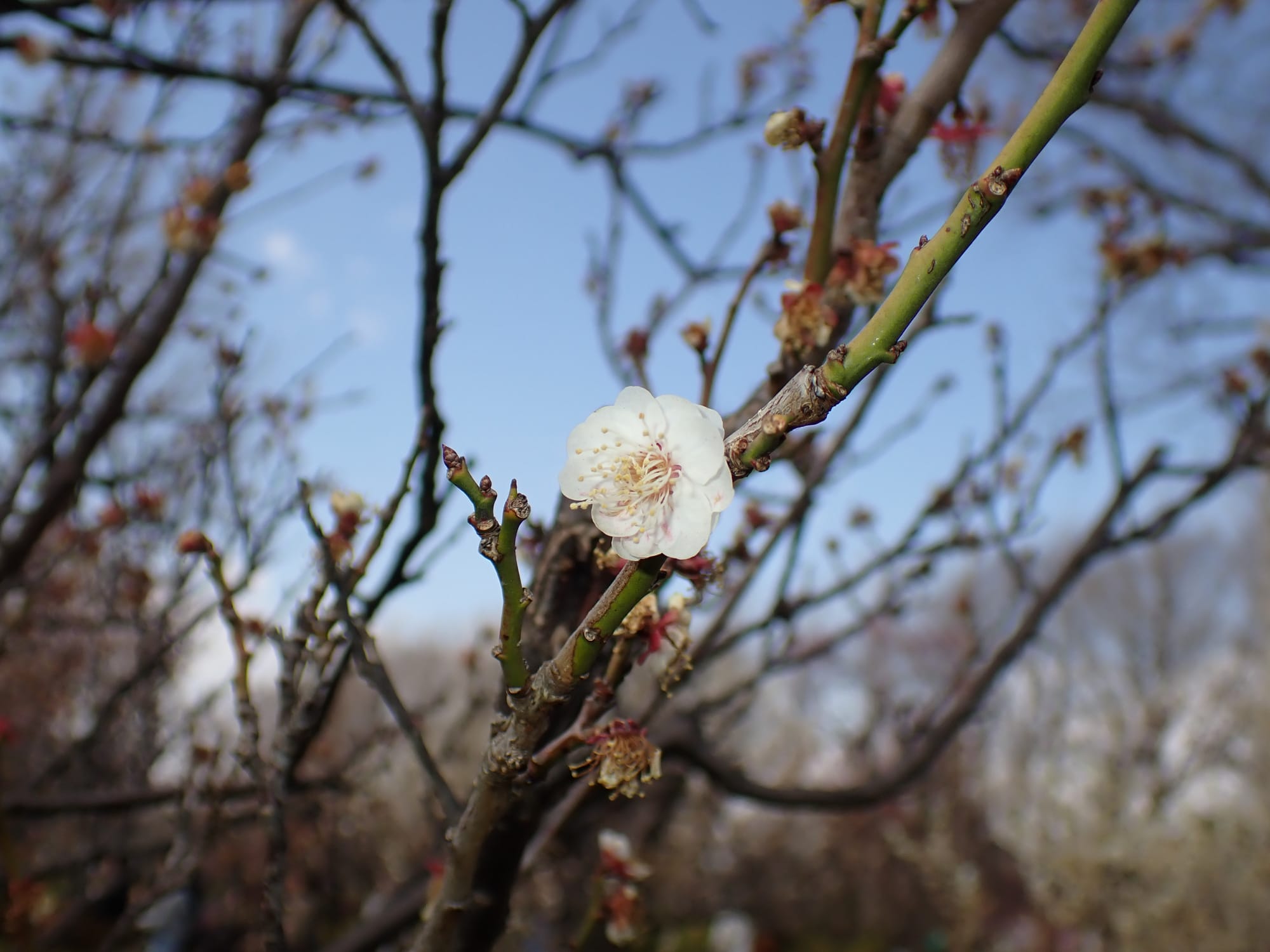
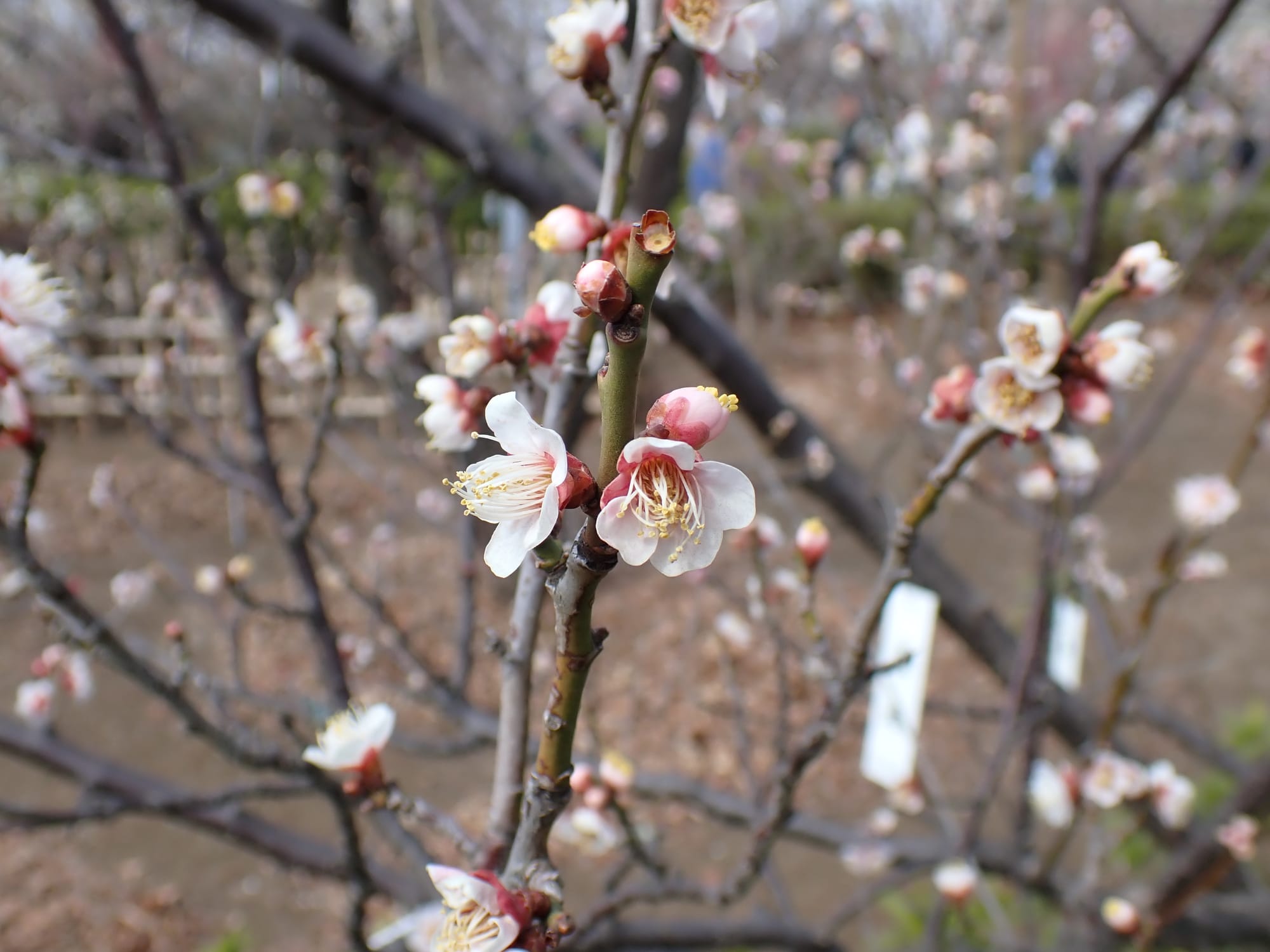
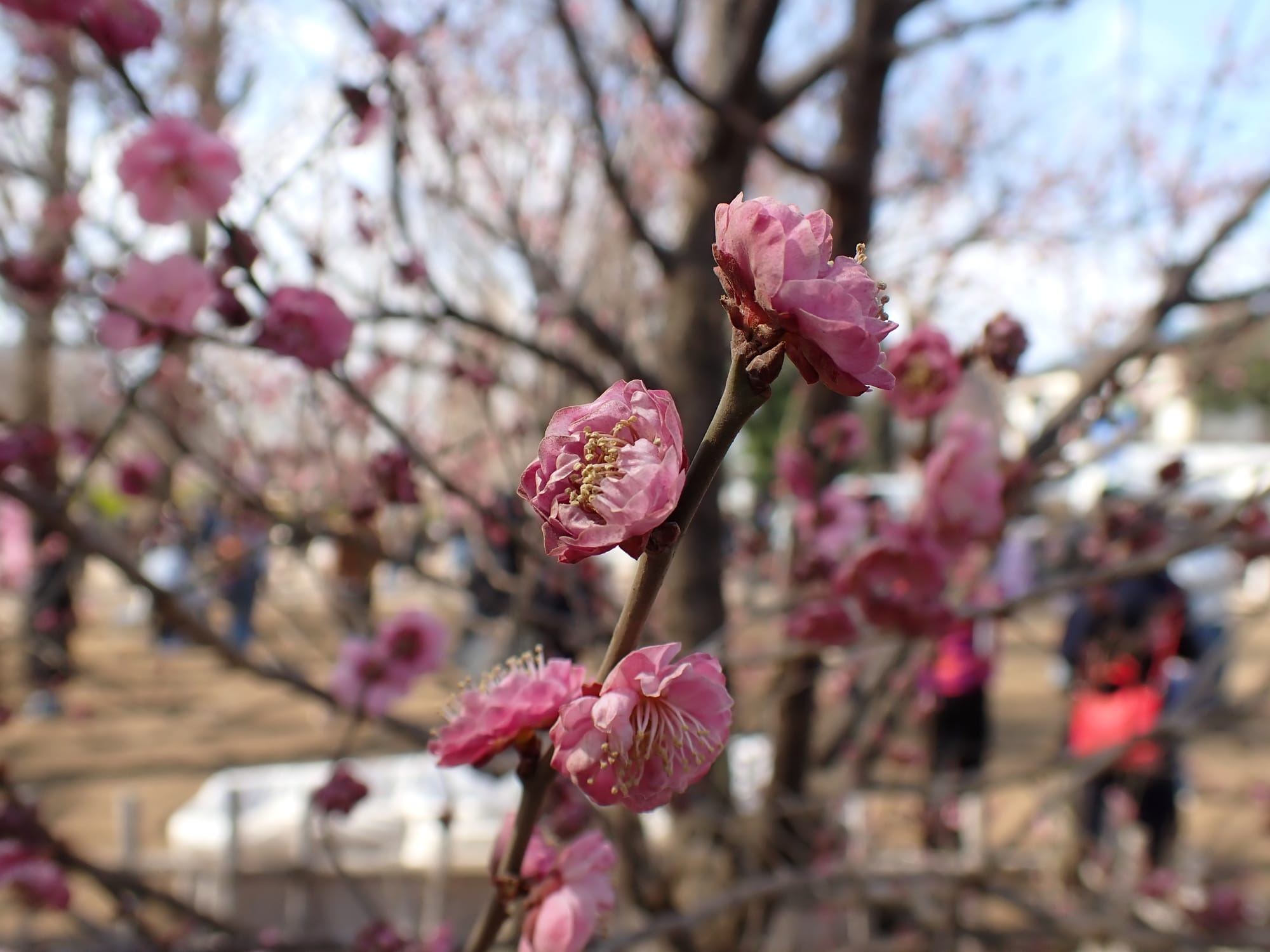
Speaking of ume, I recently learned from my weekly Japanese conversational class that the rainy season in Japan is known as tsuyu (Japanese: 梅雨). A more general term is uki (Japanese: 雨季, English: Rainy season)
I noticed the Japanese character for "plum" - 梅 - in tsuyu and asked my Japanese teacher "why". She elaborated that the start of Japan's rainy season coincides with the ripening of the Japanese plum.
I'll be sure to return to Hanegi Park before tsuyu starts to see if the plums are ripe!
--Ends