WB047: Preparing a Bento Lunch Box!
Eating a home-cooked bento (Japanese: 弁当) box for lunch is common among school-going Japanese children and some working folks.
These meals offer much better value than eating out, especially as rising food inflation and a weak Japanese Yen persist. From a health perspective, home-cooked meals also tend to be healthier.
That said, preparing bento lunch boxes everyday can be tedious. Not to mention, the cleaning up. Adopting an efficient preparation system is therefore quite important to make this activity enjoyable and less of a chore.
I find public libraries in Japan a great starting point for any knowledge acquisition exercise. Setagaya (Japanese: 世田谷) district has many well-stocked libraries with all manner of content. To unlock this knowledge, all you need is a library card.
Browsing YouTube for ideas is also another option, though the risks of doom-scrolling and getting sidetracked are very high. Some might also argue it is easier to just buy a book from a bookstore.
That said, what's there to lose by first seeing what your local library has to offer? You also cut down on waste and save on having to store many books at home.
Hitting up the local library
During a recent trip to the Daita library (Japanese: 代田図書館), we found a very comprehensive selection of books on bento box preparation in the library's cooking section. I guess this is a strong indication of the bento box's cultural importance in Japan.
After about 20 minutes of browsing, we settled on three books:
- Spice Bento (Japanese: スパイス弁当)
- Mainichi kawaii enjibentou (Japanese: 毎日園児弁当, English: Cute, everyday recipes for kindergarteners)
- Rakubentounohon (Japanese:ラク弁当の本, English: A Book on Simple Bento)
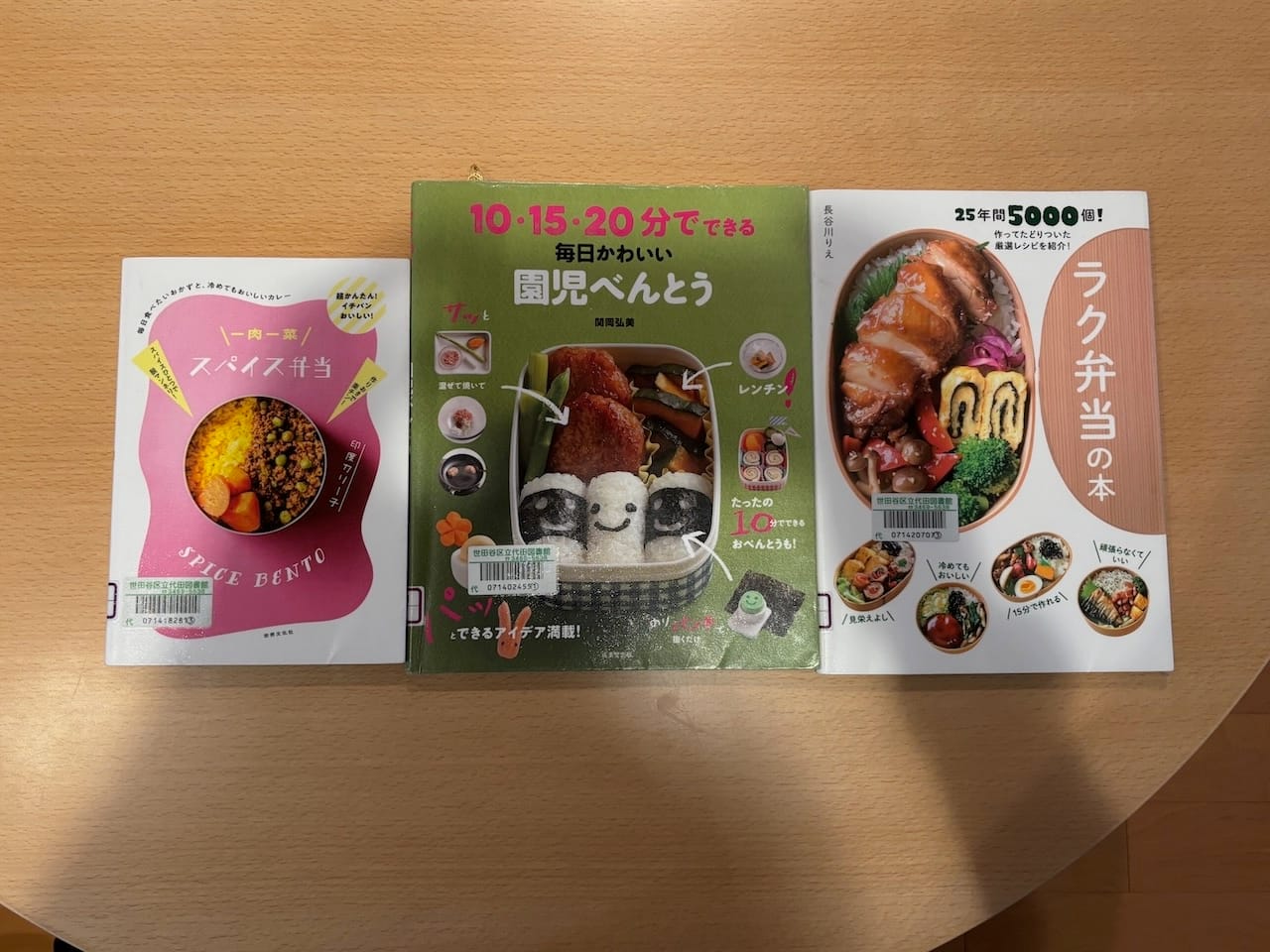
Whether these are the best books, we're not entirely sure. But I think it's far better to be decisive and get started with a few books rather than going down the rabbit hole of searching for the Holy Grail of bento box books.
These three books are written in Japanese. I find them not too difficult to understand, as the instructions are concise and straight to the point. The pictures and diagrams are also a great help. I also think my reading capabilities have improved quite a lot thanks to the Japanese Language Proficiency Test that I am studying for.
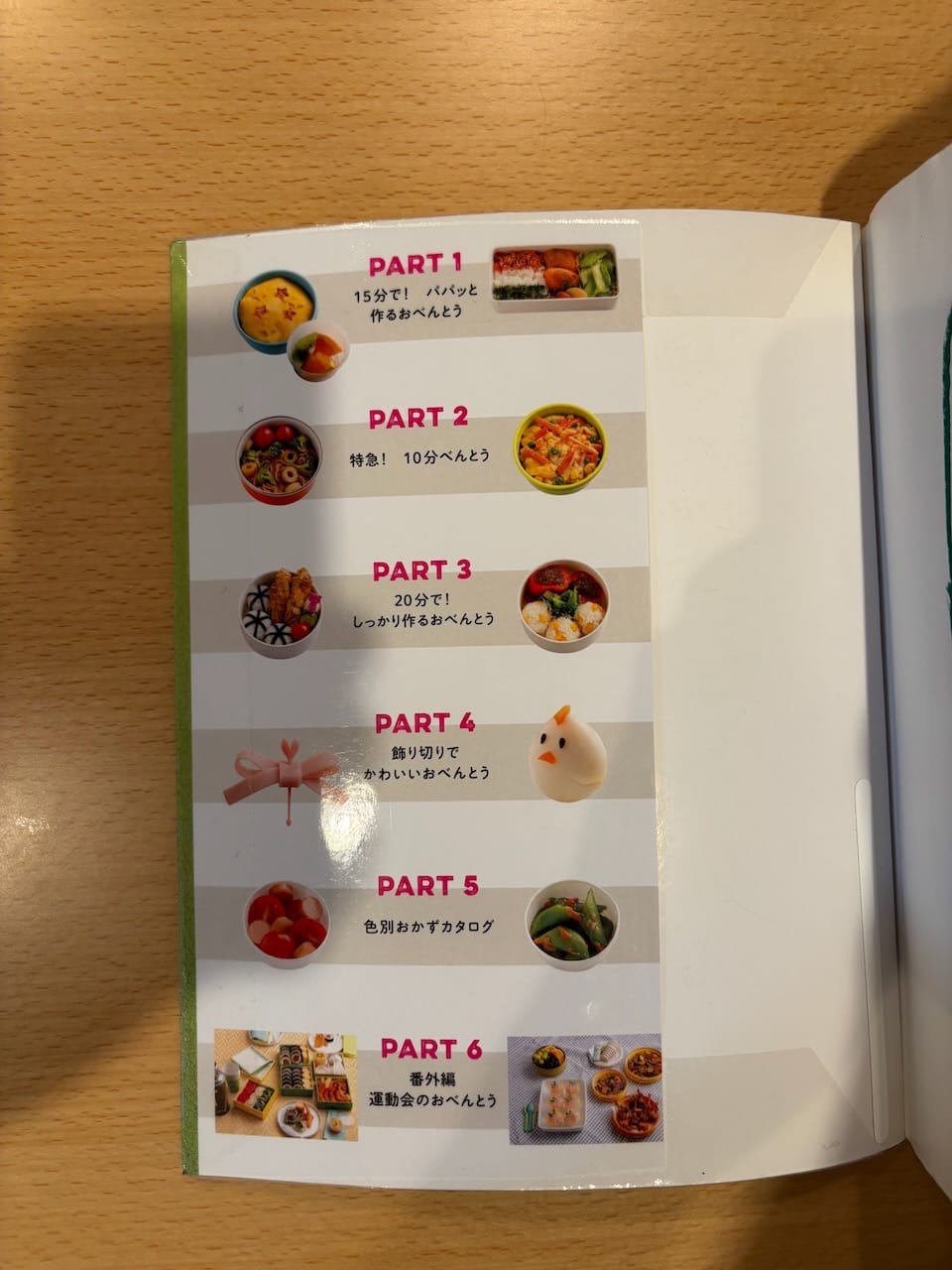
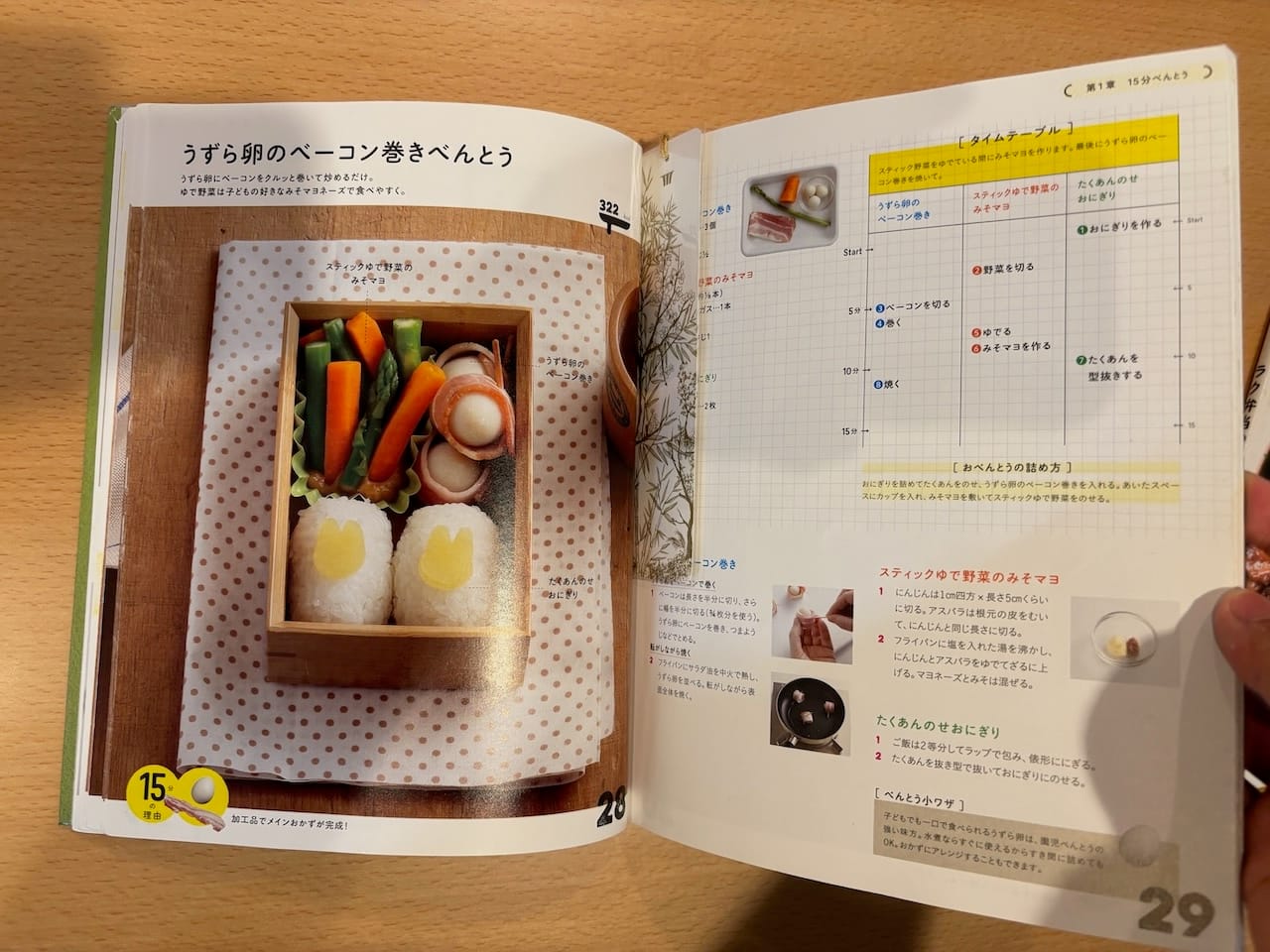
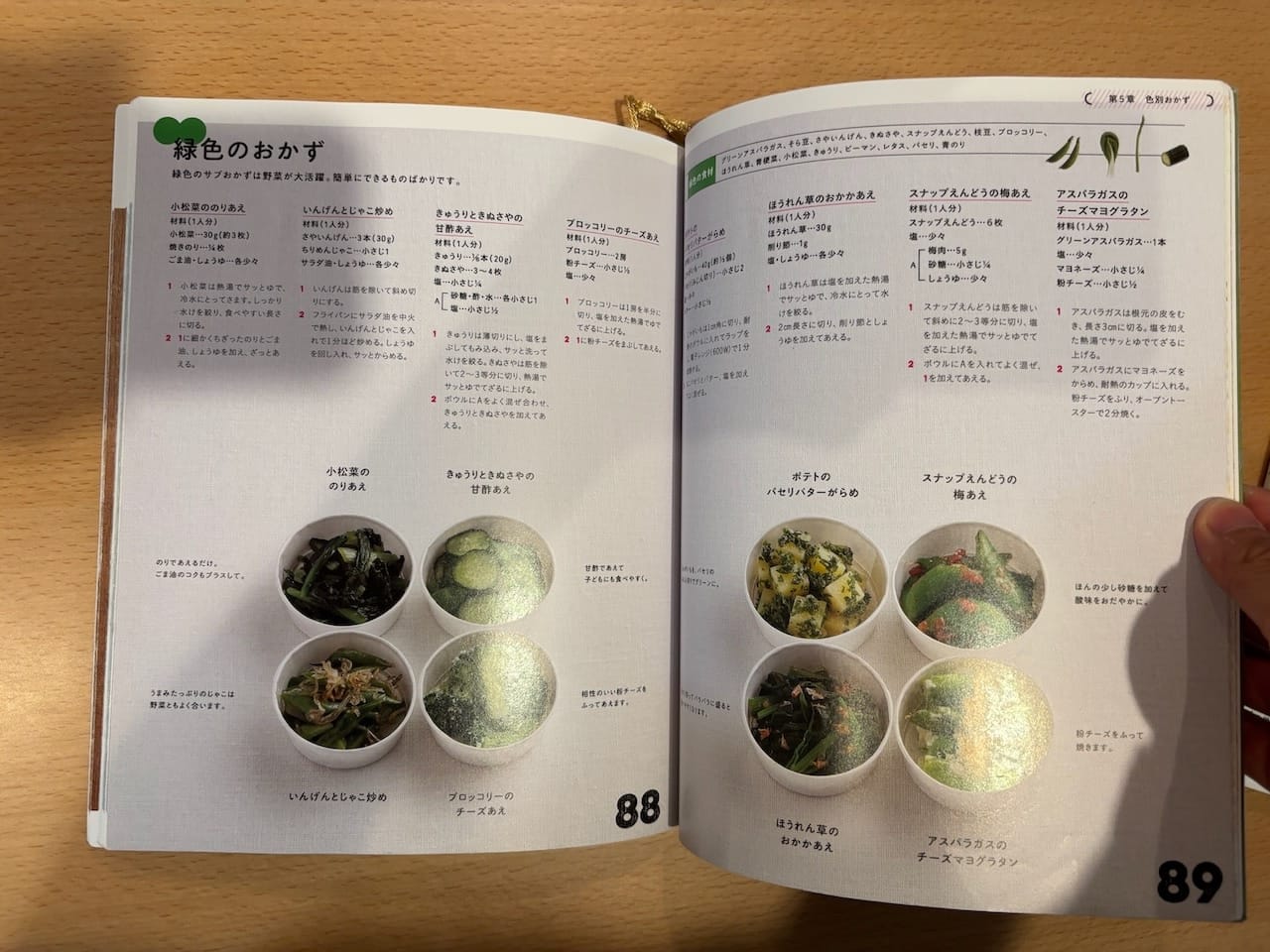
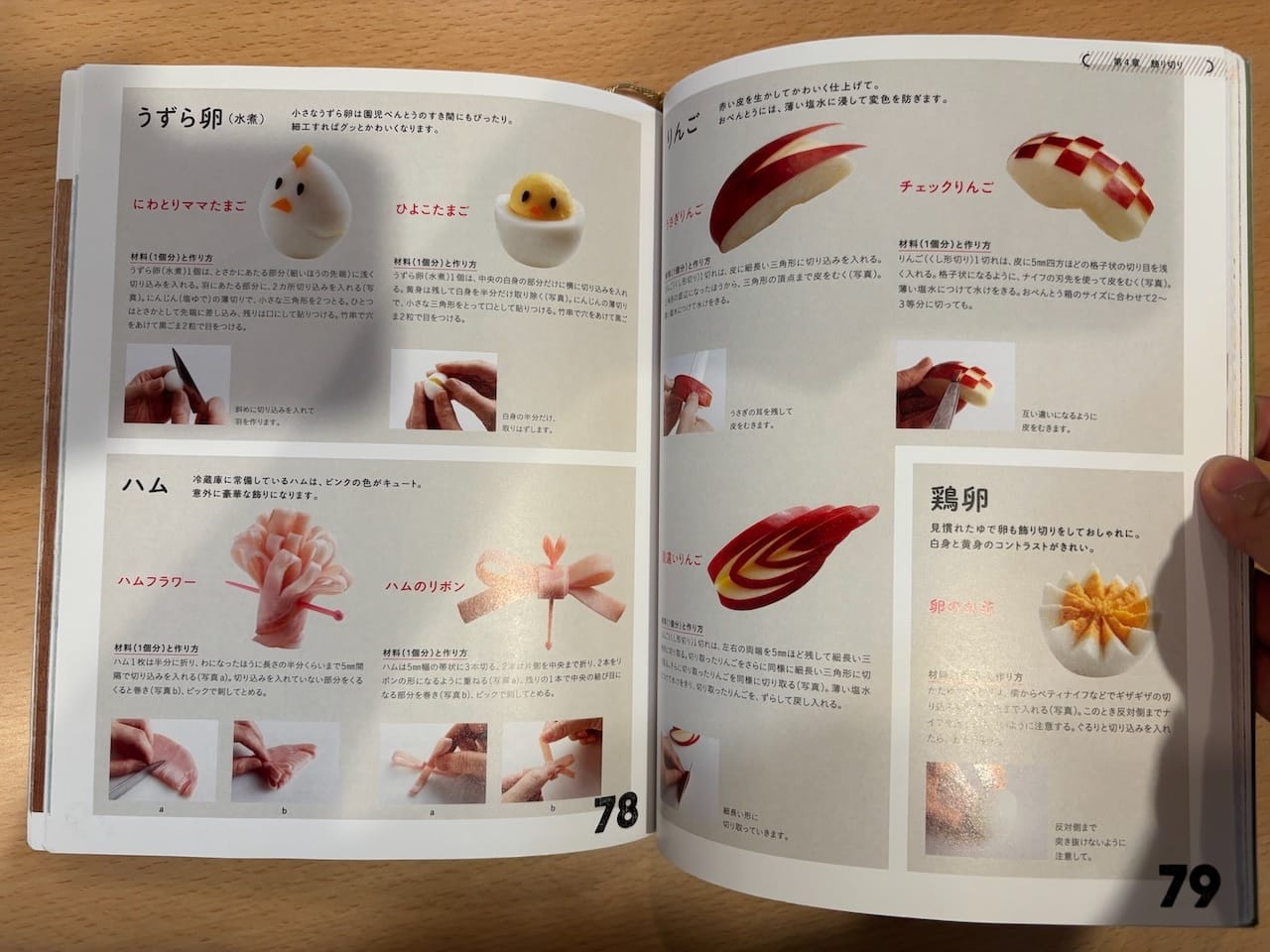
Information overload!
Reading consistently is less about finding the time but more about finding the right content. Who knows, if this content is interesting enough my Japanese will improve faster.
The homemade bento experience
Based on our experience so far, preparing a bento box with minimal fuss is all about keeping things simple and focusing on "modular" meals. For example, prepare several dishes that can be refrigerated for a few days, and assemble different combinations each day.
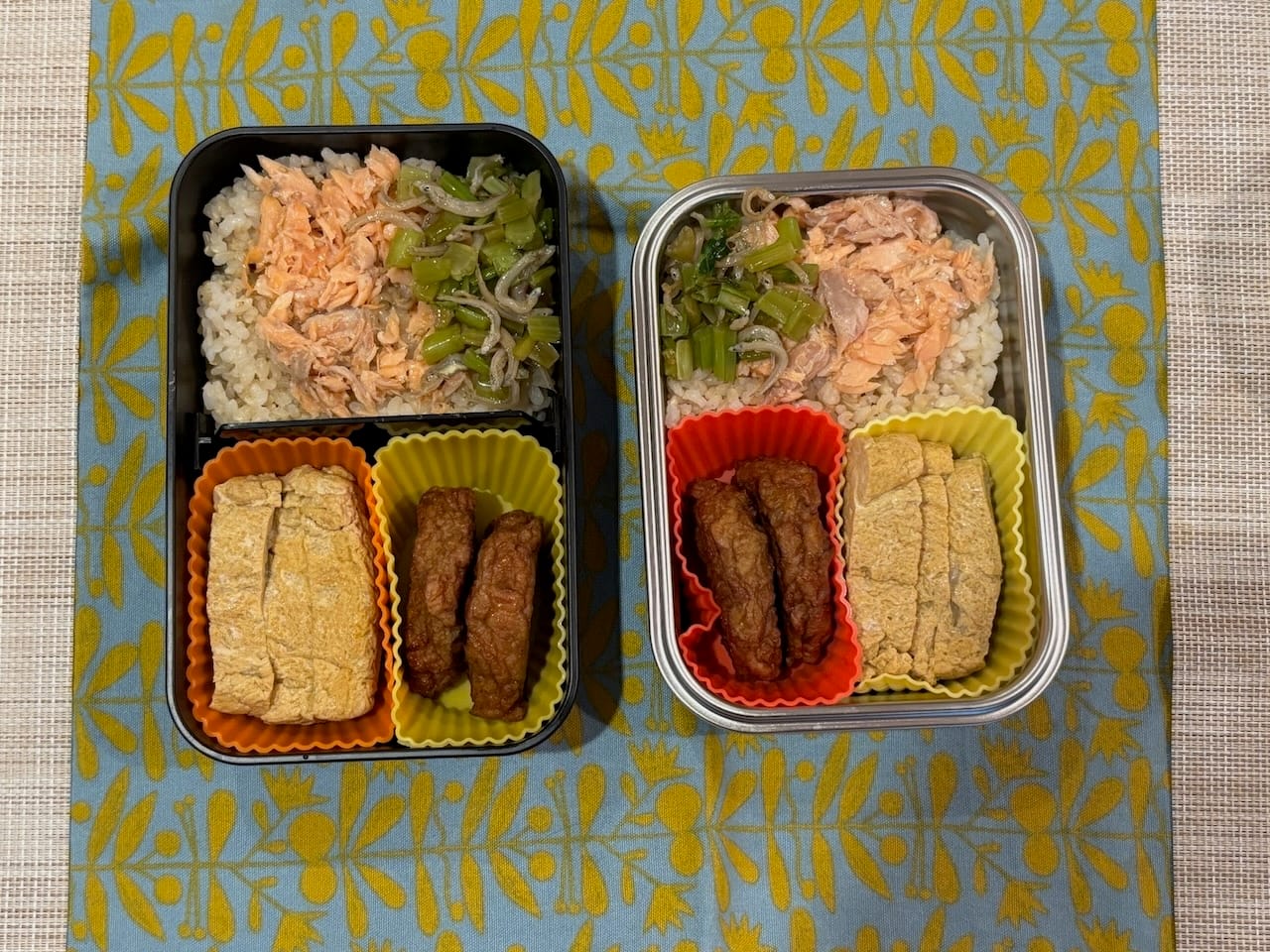
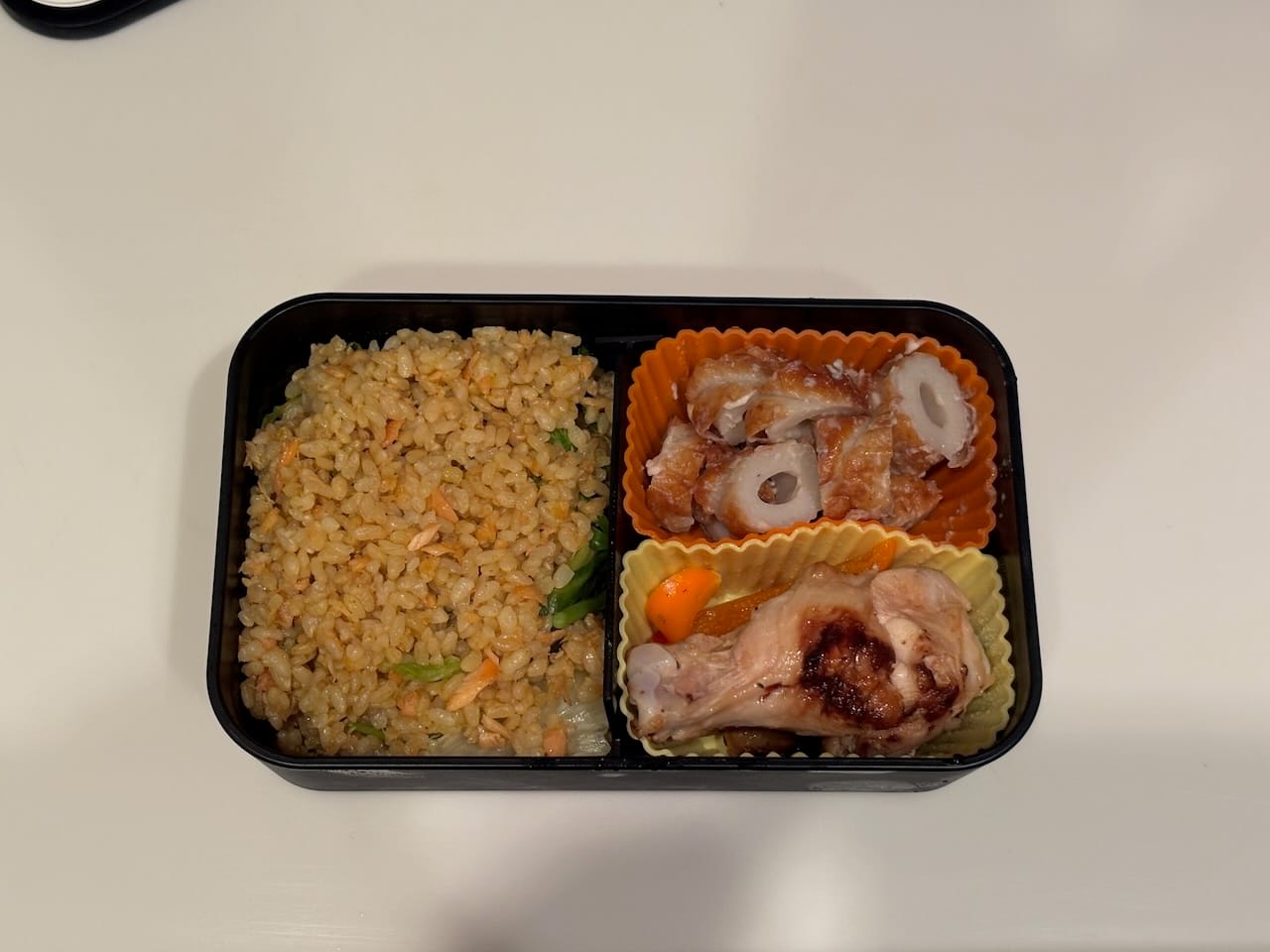
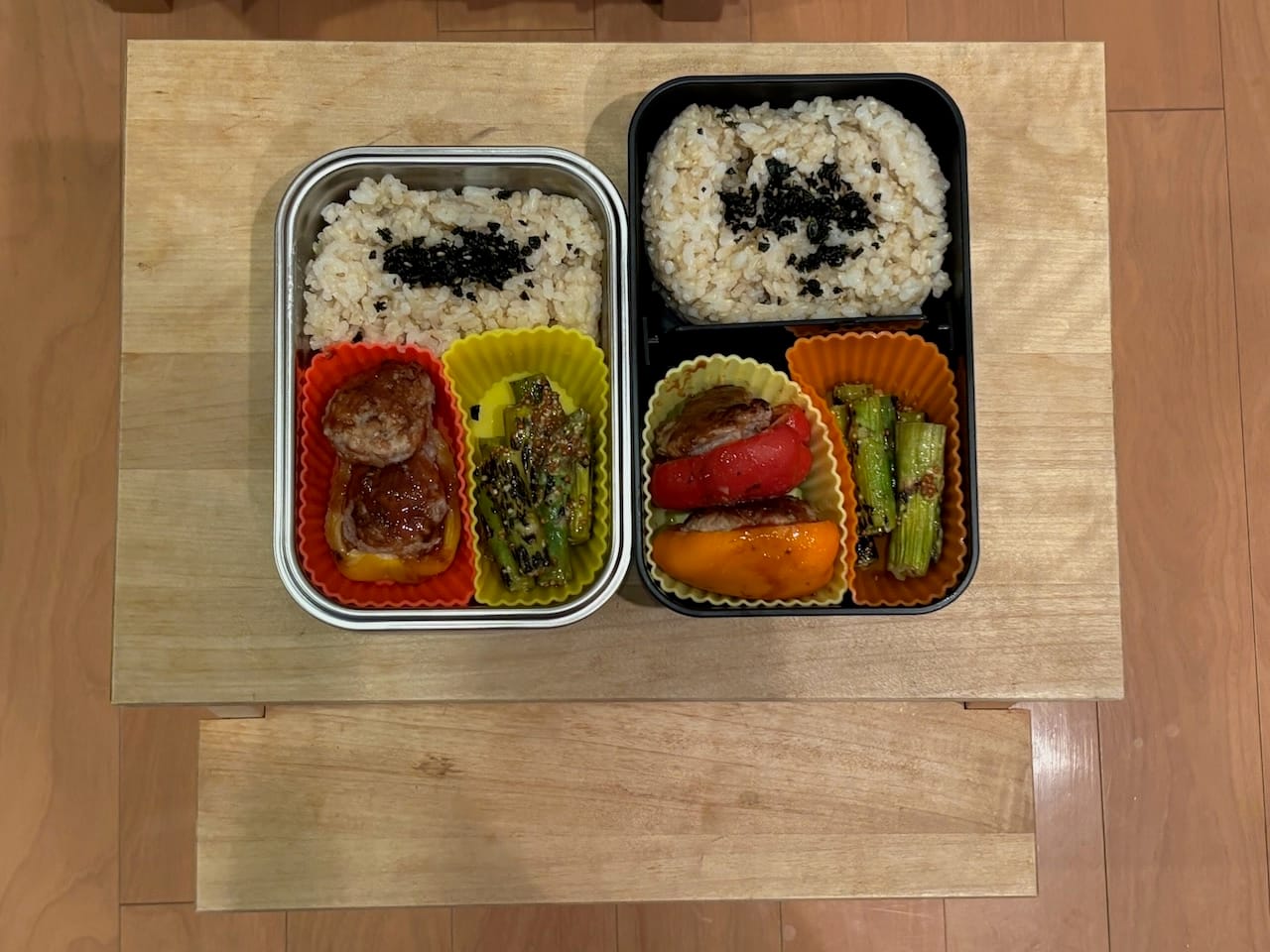
So how much does a bento lunch set for two people, such as the one in the far left, cost to put together? If we consider just the raw ingredients:
- Tamagoyaki (Japanese: 卵焼き): Three eggs at ~JPY25/egg = JPY75
- Brown rice: 160g serves two people. A 5kg bag costs JPY4,000, so a 160g serving equates to JPY128.
- Shredded Salmon: JPY300. Cheap, as a discounted offcut was purchased
- Turnip leaves: JPY50. Cheap, as these are the leftover leaves from the turnip bulb
- Fishcake: JPY150 for two whole pieces
The total comes up to JPY703 for two people, so let's say an even JPY800 if we include utilities.
In Tokyo, a typical lunch set at a local food chain or value restaurant will set you back north of JPY800 per person on average. This means we're looking at monetary savings of at least 50%. There's also the nutritional aspect to consider - cooking at home is far healthier as you control how things are cooked.
There is a lot more knowledge to extract from these books and we're excited for the journey ahead!
--Ends