WB050: Getting a Japanese Driver's License (Part 2)
Three months ago, I submitted an application to convert my driver's license to a Japanese one via the gaimen kirikae (Japanese: 外面切替, English: foreign license conversion) process.
To recap, my application and supporting documents were checked and verified on the spot. On the same day, I passed an eye test and 10-question multiple choice knowledge test. These steps unlocked the final step - sitting for the unten ginou shiken (Japanese: 運転技能試験, English: driving skills test).
This week, I finally sat (and passed!) the driving skills test.
Preparing for the driving skill's test
The gaimen kirikae's driving skills test has a notorious reputation amongst candidates, who are mostly foreigners living in Japan.
Many candidates complain how strict and unfair the examiners are, with little mistakes harshly penalised.
To be fair, I think this is completely understandable as the examiners are police officers responsible for keeping the roads in Japan safe. Also, everyone will have their own biased take on how good a driver they are.
A lot of complaints also focus on the driving skills test being less about one's driving skills but more about one's test-taking skills. There's nothing unusual about this, as many standardised tests around the world share this trait.
This 10-minute YouTube video of a driving instructor best illustrates what examiners look out for. Note the rigid emphasis on "check, check, check". This may seem over-the-top, but in theory they are meant to ensure safe driving.
It is normal human behaviour to grumble when the odds appear stacked against us. What's important is to first take a step back and examine the facts, then decide objectively what does and doesn't warrant a complaint.
The fact is, if you know examiners are looking out for specific things, then it's best to find out what they are and get well acquainted with them before the exam.
I should also add that ahead of the test, candidates are given printed notes showing the four variations of the test course map and what examiners expect to see. What you make of this information is entirely up to you.
"Cannot say you don't know ah!" seems to be the point being driven across.
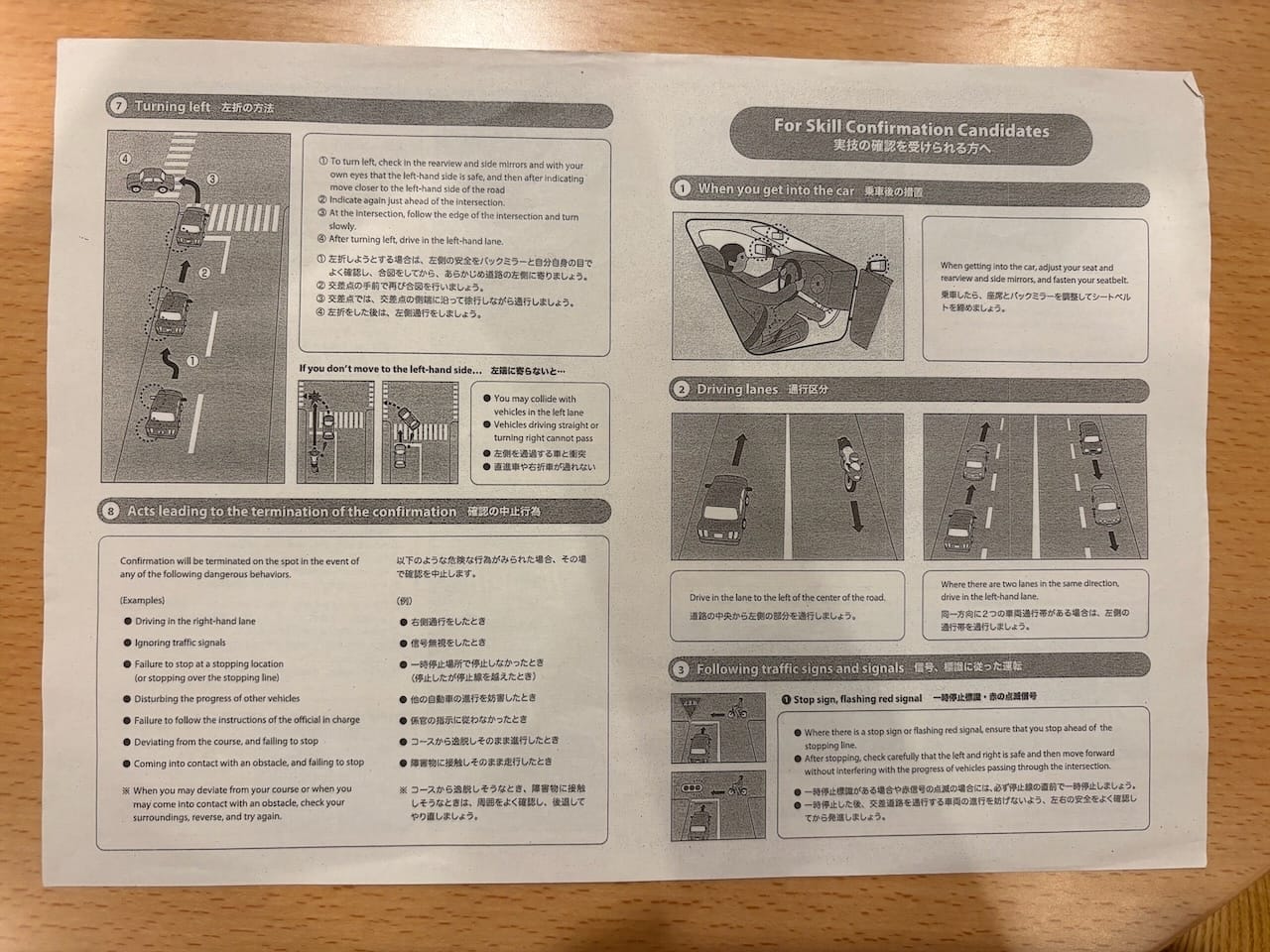
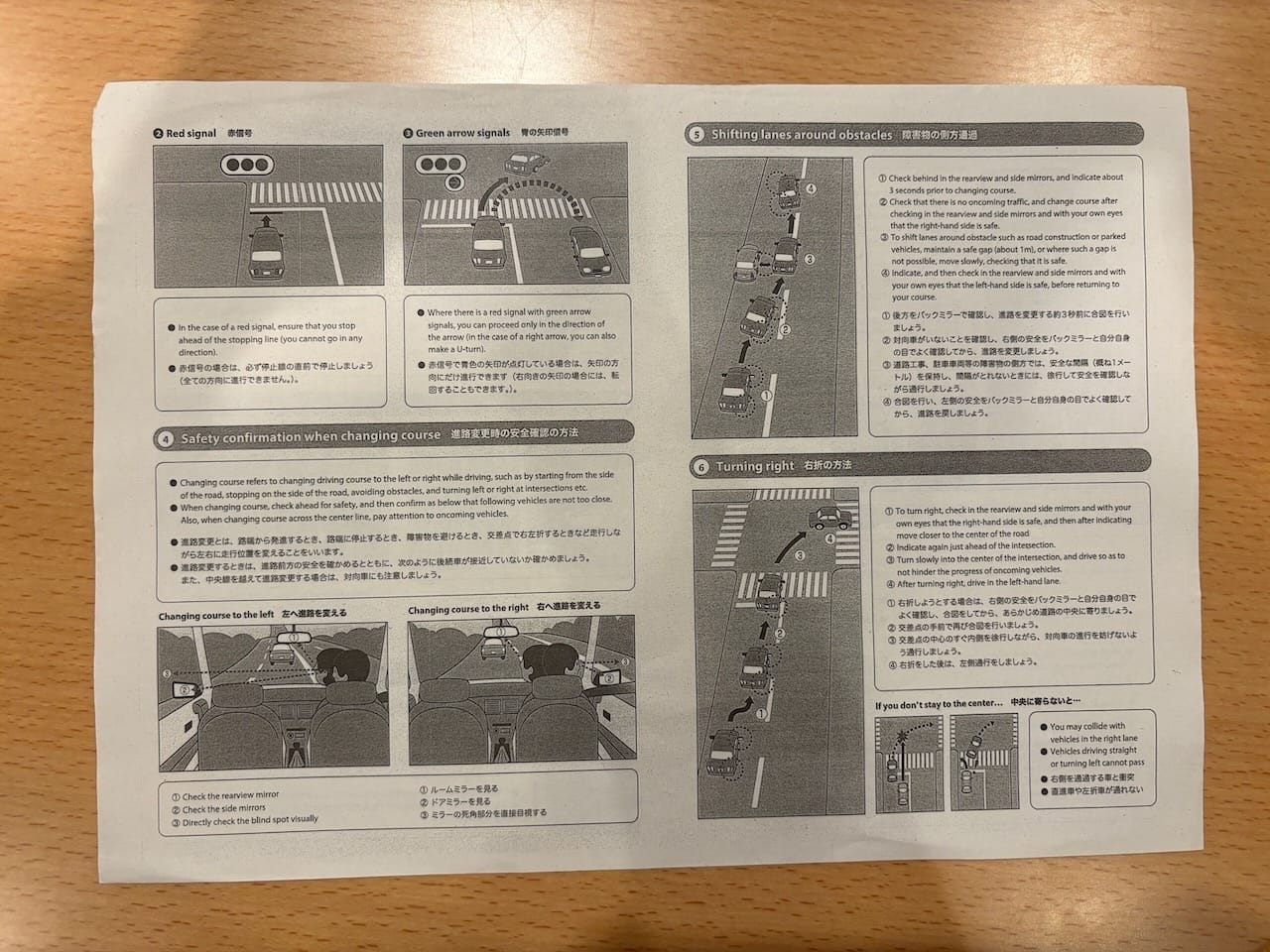
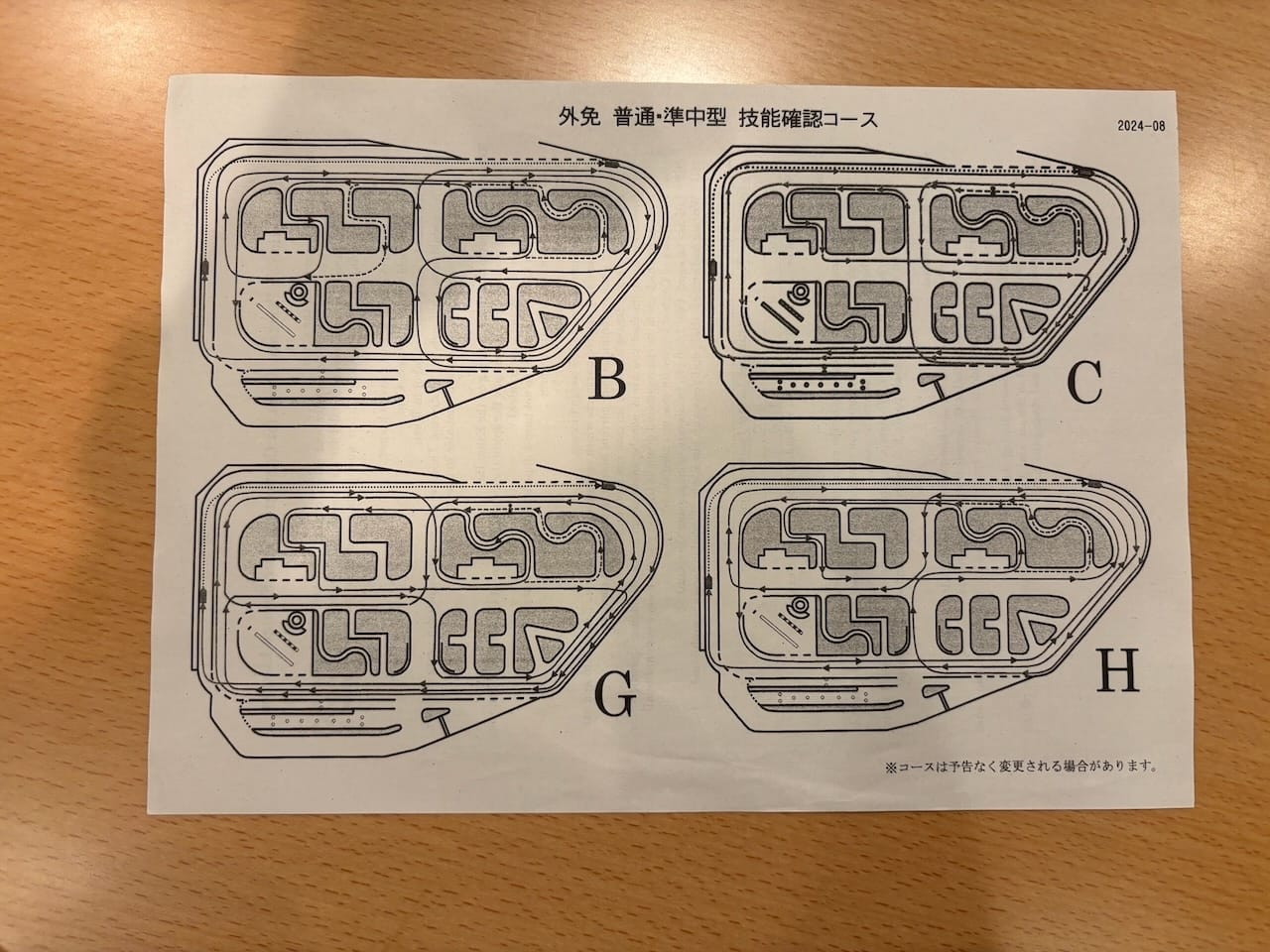
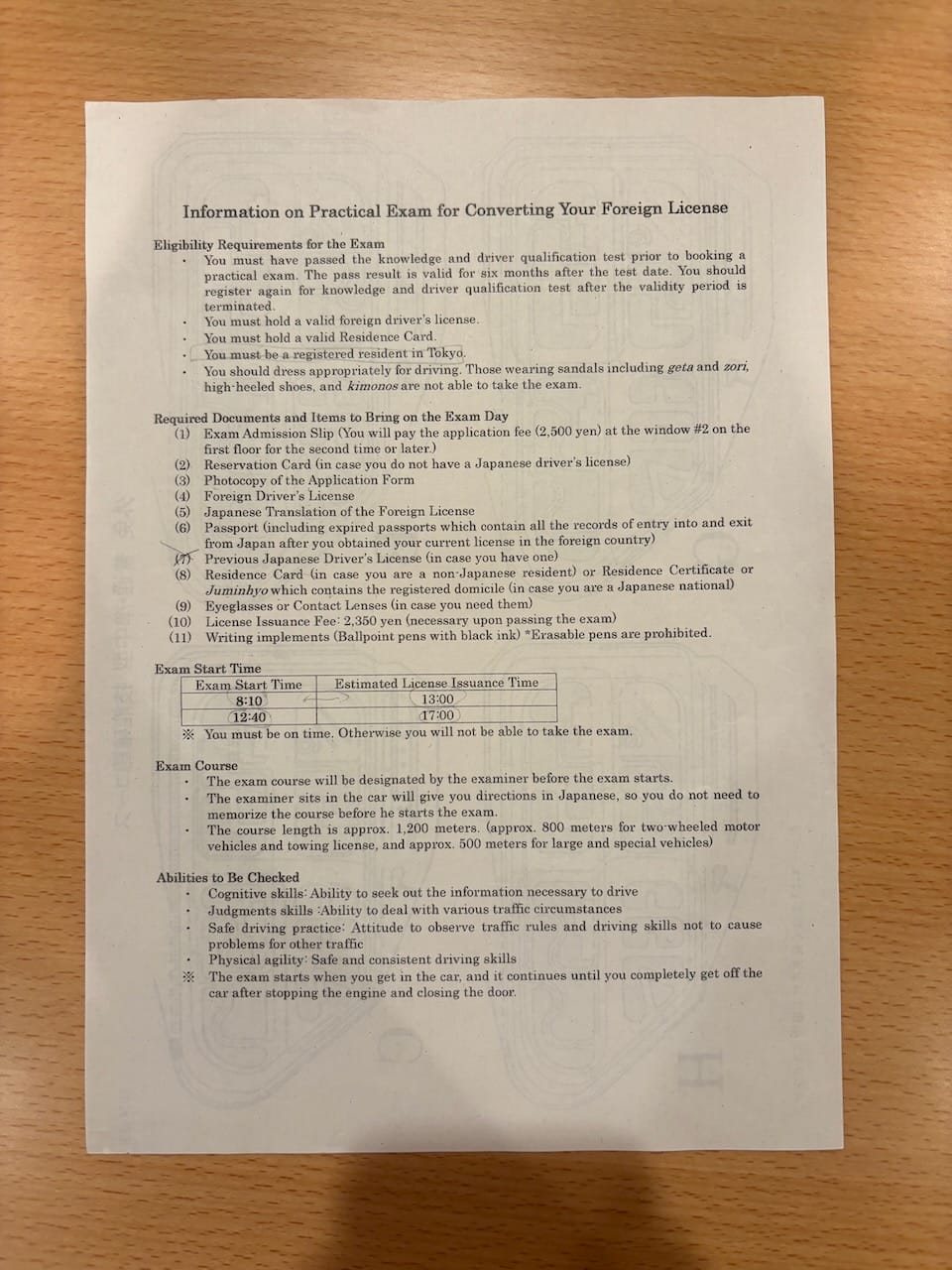
Detailed information on what the examiners expect.
With all these facts in mind, I decided to give myself the best chance of success by signing up for a 100-minute Foreign License Conversion lesson with EDS International Driving School, a local driving school.
For JPY17,500 (~US$118), the driving instructor teaches you how to pass the test. You also get to practise in a driving course that simulates the real one. On the day I took my lesson, there were many other students practising.
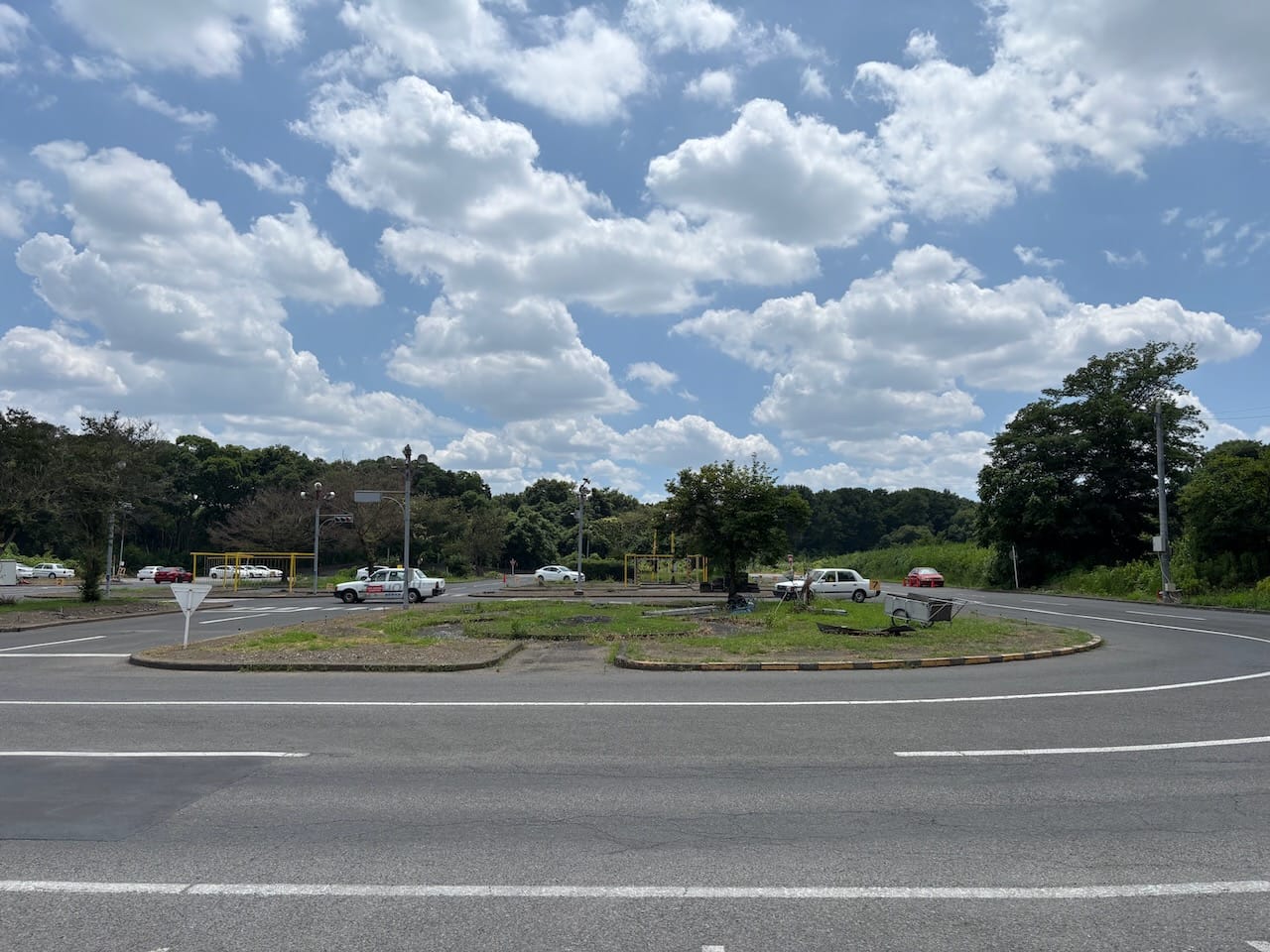
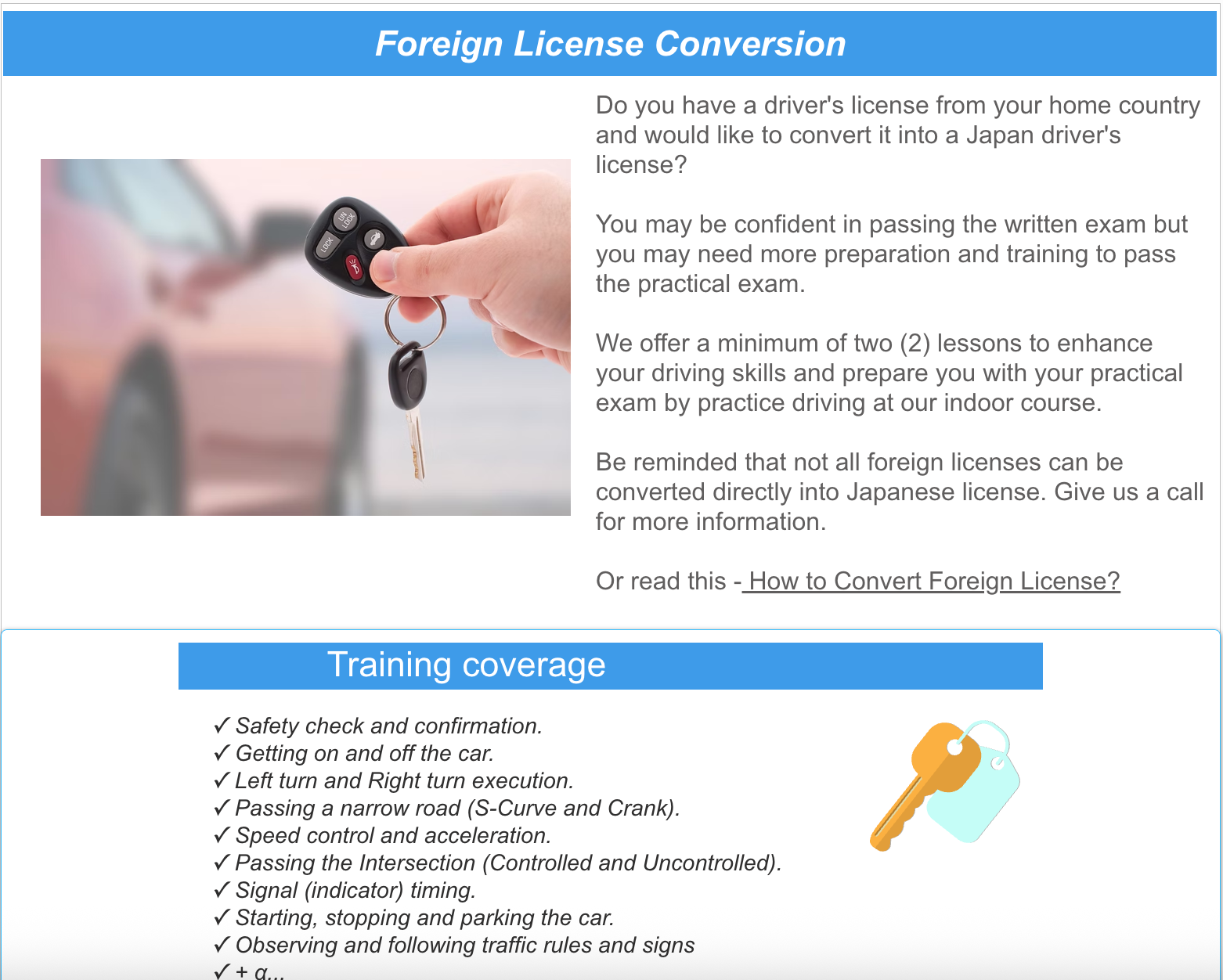
Paying the price to give myself the best chance of success.
The cost of the lesson is exorbitant. But to me, the monetary and time cost of having to redo the exam made the lesson a worthwhile investment.
Compounding my worries was news that the National Police Agency will make make it stricter to pass the gaimen kirikae written and driving skills test from October this year. This is in response to an increasing number of accidents involving foreign drivers. More on this in another post.
Exam day jitters
I sat for the exam at the Samezu Driver's License Center, the same venue where I submitted my application. The centre is about 50 minutes (by bus and train) from where I live, and I arrived bright and early at 730AM for my 810AM test slot.
Candidates are first assigned to a classroom, which functions as a pre-test briefing room and waiting room. The schematic below explains the layout of the classroom.
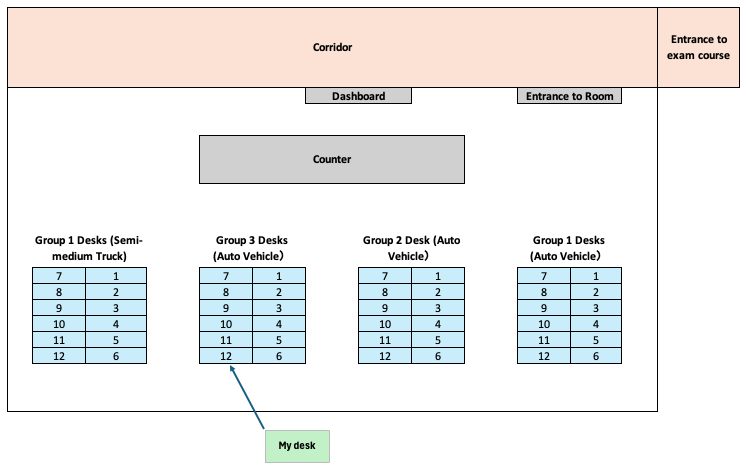
In the classroom, each candidate is assigned to a group and a desk number (within the group). One police officer, who is also the examiner, is in charge of each group. I was assigned to Group 3 (Auto Vehicle), desk no. 12.
Before the start of the test, a police officer read out the rules of the test in Japanese. He was strict and expressionless, almost robot-like. That said, he was very professional the whole time.
There was an obvious atmosphere of nervousness and tension permeating throughout the room.
The dashboard in the front of the room notified upcoming candidates to head to the examination course. The order is sequential, starting from 1 to 12, meaning I was the last from my group to take the test.
It is immediately clear who passes or fails - candidates who pass return to their assigned desk (post-test) with a pink slip. Those who fail head straight to the reception to book a date for the next exam. The others just wait for their turn.
Psychologically, I found this very unnerving. As I was the last in my group, I could see how many people had failed before me (only three of the 11 candidates ended up passing).
Surprisingly, in the group of semi-medium truck test takers, one after another came back with their pink slips. I think this only heaped pressure on the tail-end candidates!
As luck would have it, I was the last candidate in the whole room to take the test. By then, I had waited about an hour and a half.
When I got to the test car, the candidate before me had just exited and received her "fail" result from the police officer. The police officer made it a point to explain to her in detail where exactly she went wrong. To me, this act of professionalism was conveniently overlooked by keyboard warriors complaining about the test.
I greeted the officer in Japanese. He acknowledged me briefly, confirmed my details and looked straight ahead. This definitely was not the time to make small talk about the weather.
The test itself is not overly difficult. Each turn in the course is numbered and the police officer will tell you in advance where to go. I made it a point to respond with a humble "Hai! (English: Yes)" each time. I also said "Check!" out loud before changing lanes and turning.
It sounds silly, but you just have to go with the flow if you want to pass.
After 10 stressful minutes, my exam concluded and I was handed my pink slip. The police officer said I was a very safety-focused driver. However, in a serious tone, he noted that it is dangerous to do my checks while turning the steering wheel.
I politely said thank you, and walked back to the waiting room. After another two hours of waiting, I was finally issued my Japanese driving license.
--Ends