WB053: Visiting Mashiko
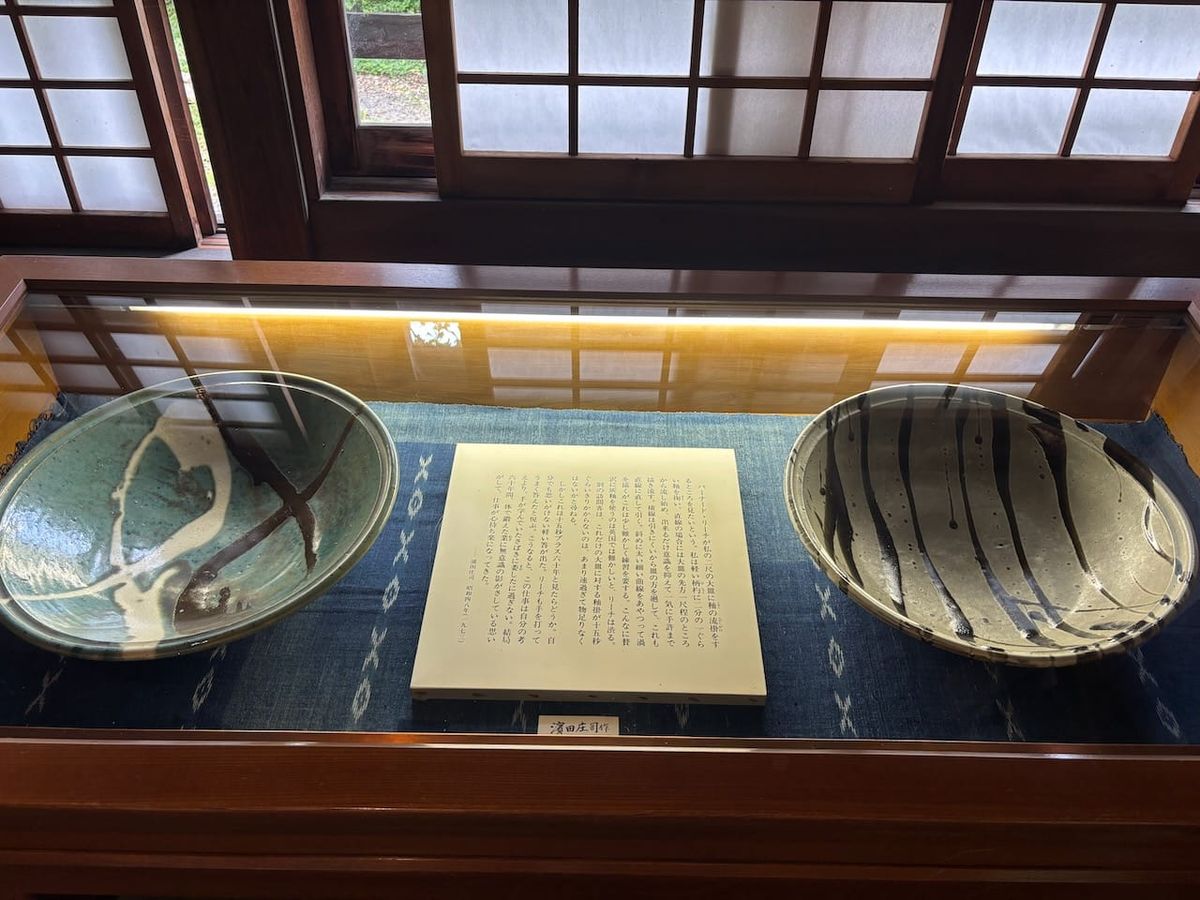
If you appreciate good quality earthenware, whether it be for decorative purposes or as dining ware, be sure to visit the quaint, rural town of Mashiko (Japanese: 益子).
About 150km north of Tokyo, Mashiko is located in Tochigi Prefecture (Japanese: 栃木県) and has a population of around 21,000. The town is most famous for its traditional Japanese pottery called mashikoyaki (Japanese: 益子焼). The town is also home to a local sake brewery called Tonoike Sake Brewery.
Last month, we took a short three day, two night trip to Mashiko. We first hopped on the Tohoku Shinkansen (Japanese: 東北新幹線, English: Tohoku line bullet train) from Tokyo Station to Utsunomiya City (Japanese: 宇都宮市), with the journey taking under an hour. We then rented a car and took a leisurely 45-minute drive to Mashiko.
Being a rural town, it's best to rent a car as public transport options are more limited, especially if you want the freedom to explore. We stayed in a local onsen (Japanese: 温泉) hotel called Mashikokan (Japanese: 益子館), which I believe is a family-run establishment.
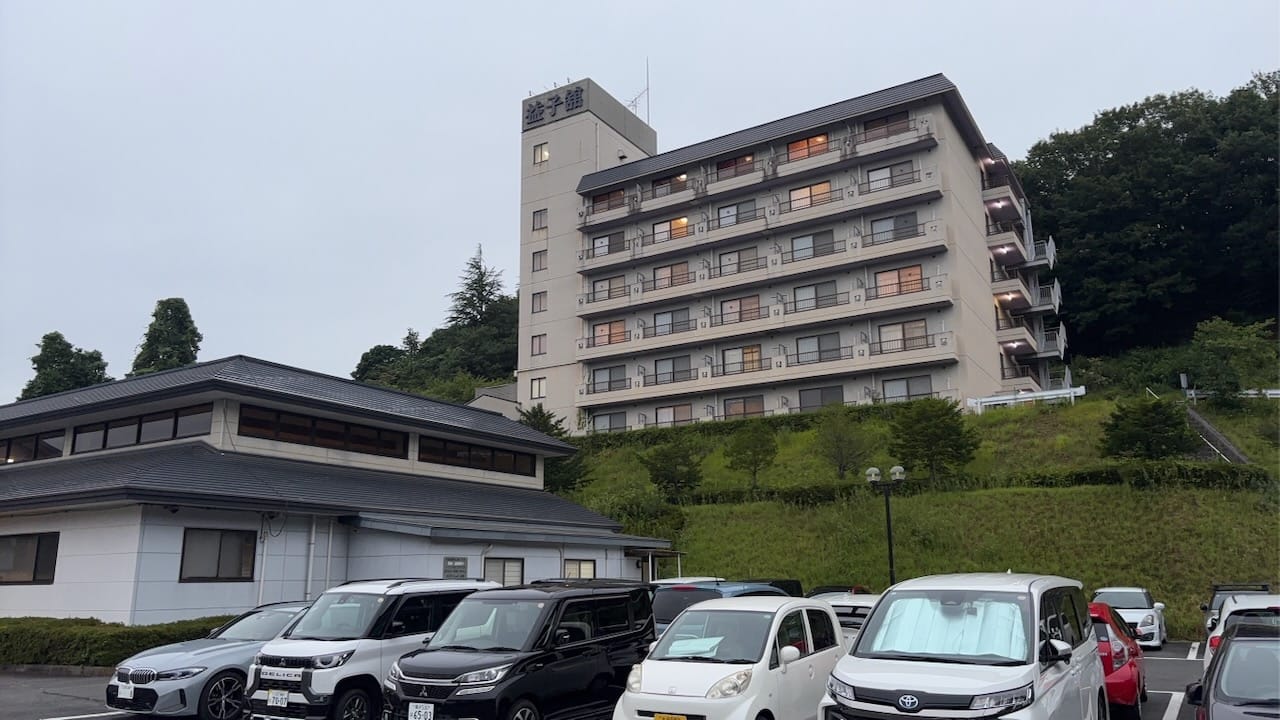
Mashikokan, a small onsen hotel in Mashiko
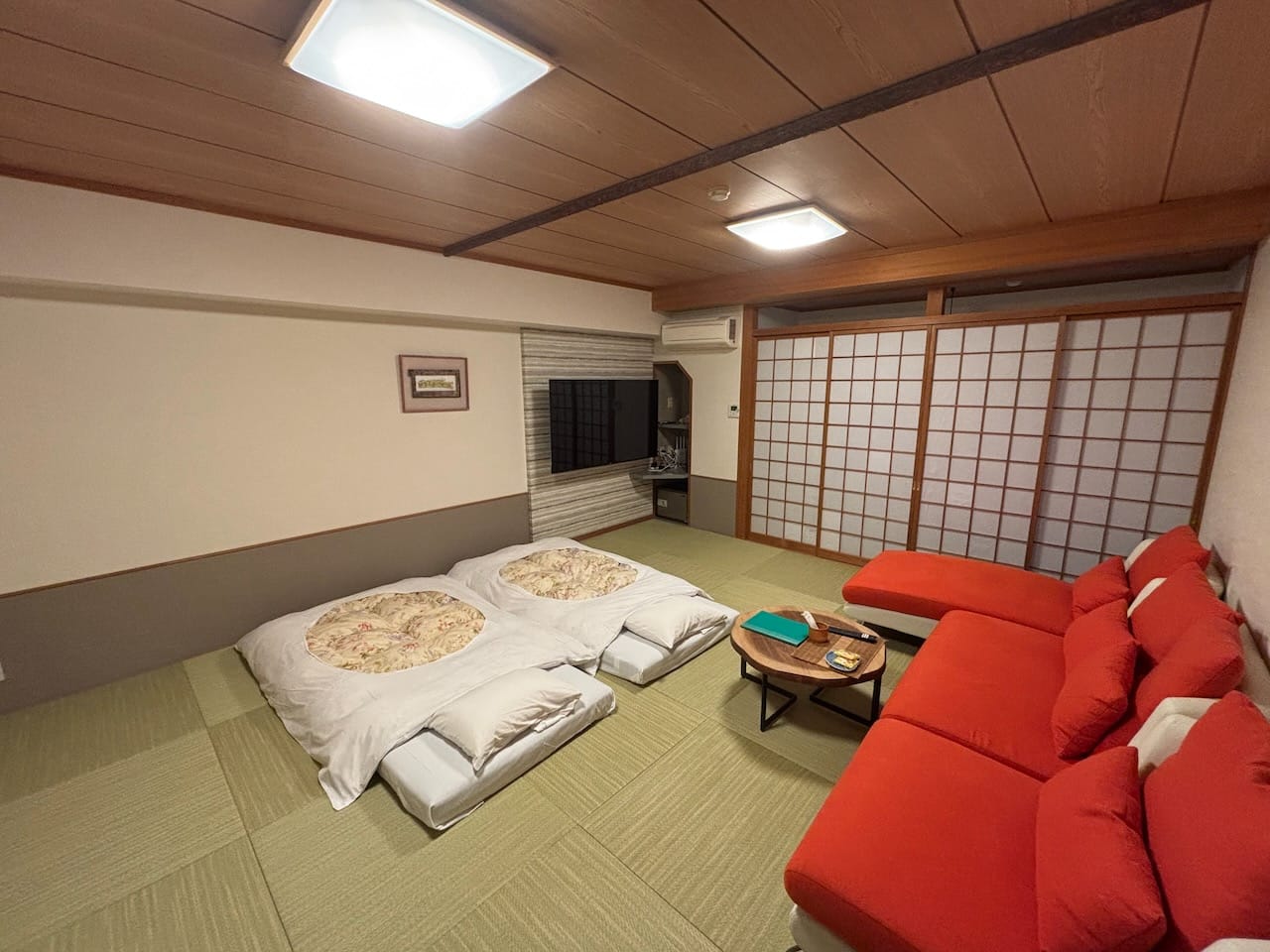
Mashikokan was very comfortable and homely. The rooms appeared to have been refurbished a couple of years ago and the pricing was quite reasonable.
We like staying in onsen hotels as breakfast & dinner are included, the rooms have traditional tatami (Japanese: 畳) flooring and you get to relax in the onsen. The onsen not only serves as a place for guests to soak and relax, but also where guests have their daily shower.
As I mentioned earlier, mashiko is most famous for its pottery, so a must-do is to browse the many pottery shops in the town's main street.
Mashiko pottery products all seem to hew to the same, distinct design language. This is due to the influence of Japanese potter Hamada Shoji (Japanese: 浜田 庄司) (December 9, 1894 – January 5, 1978).
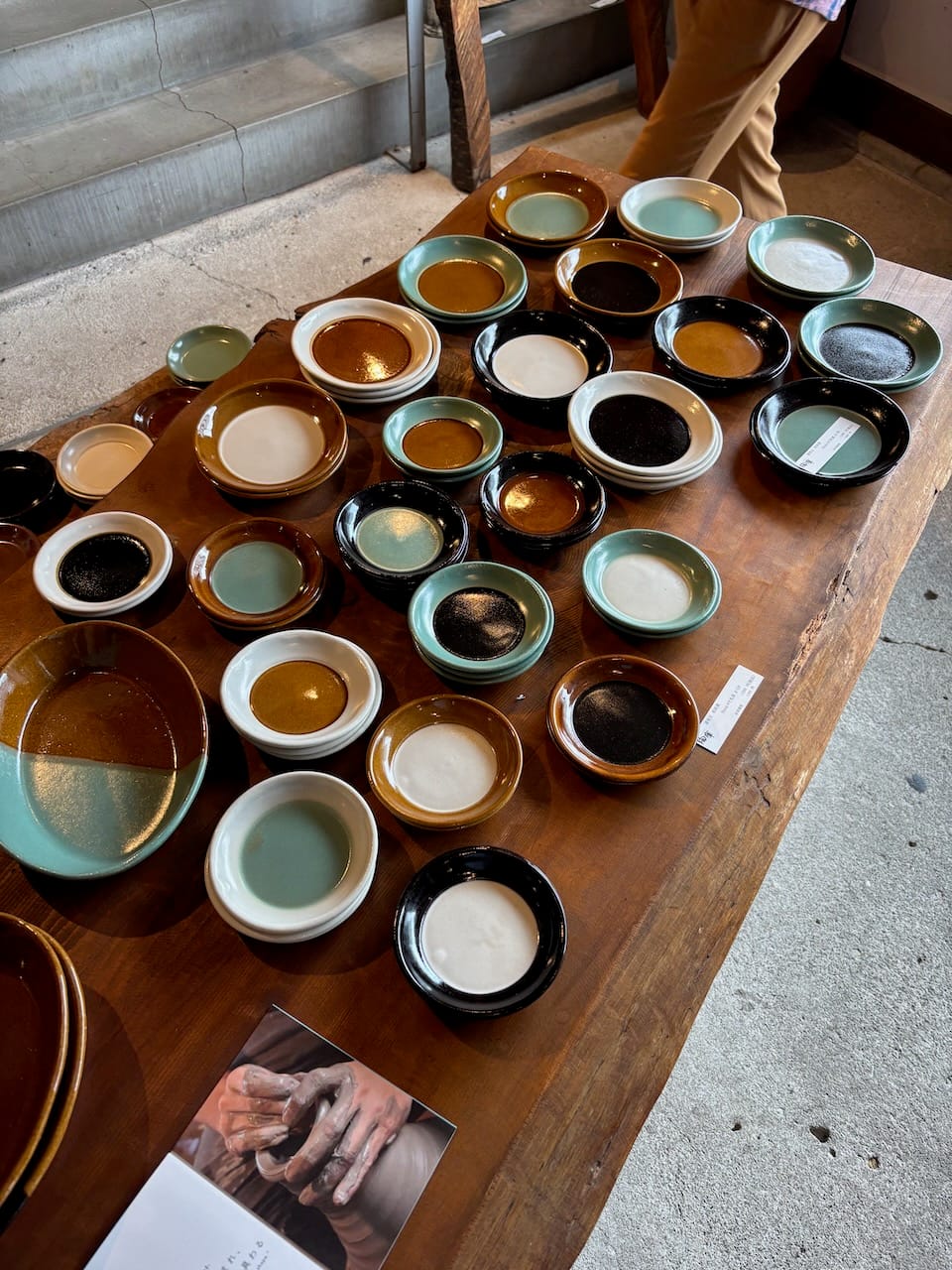
Mashiko pottery mostly looks like this.
Hamada was responsible for establishing Mashiko as a pottery centre. He was designated one of Japan's Living National Treasures in 1955. Hamada's home in Mashiko, which doubled up as his workspace, is now a museum open to the public.
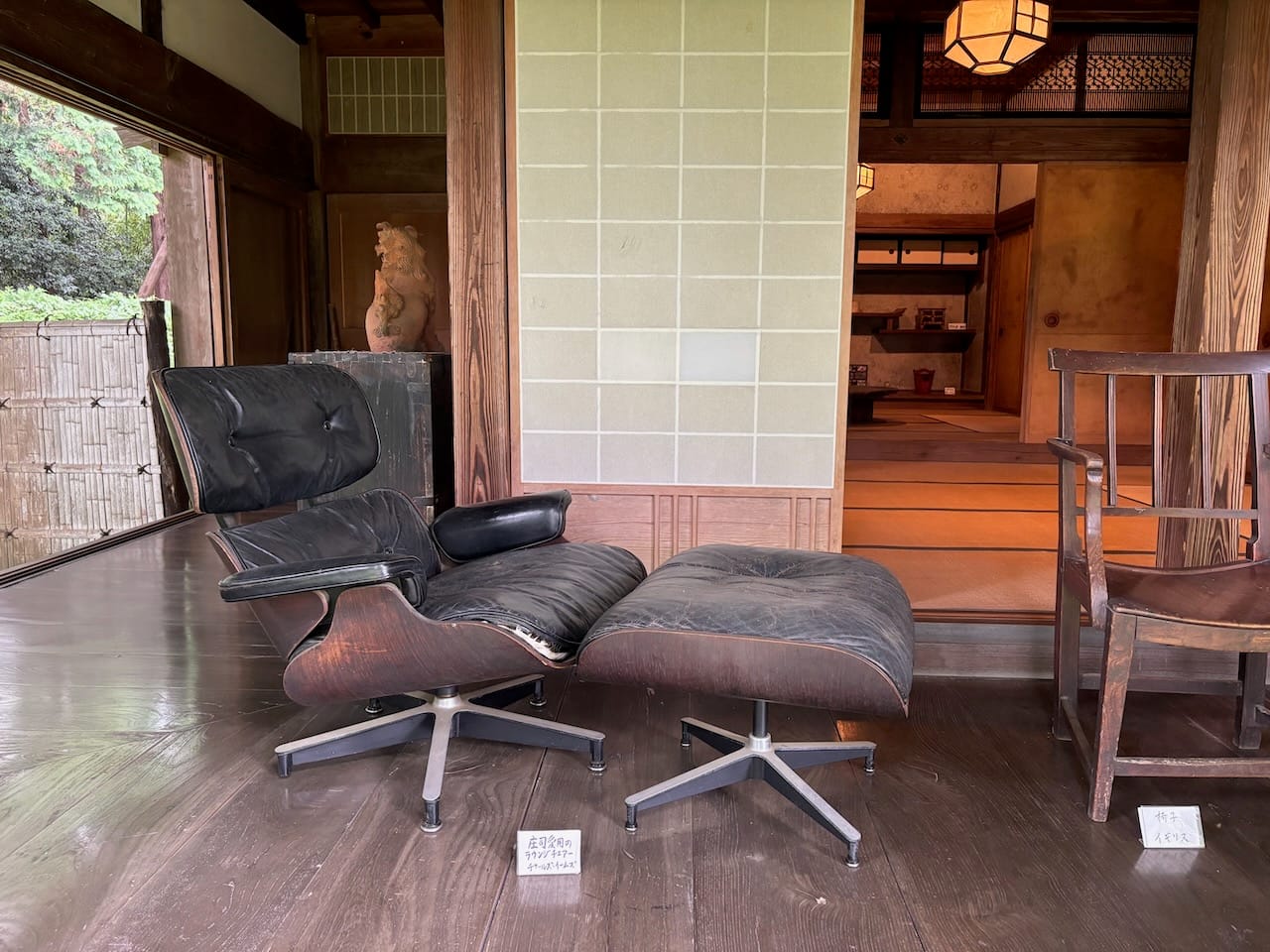
The museum contains Hamada's personal collection of arts and crafts collected from his travels around the world, along with his own creations. There was also a vintage Eames lounge chair that he used.
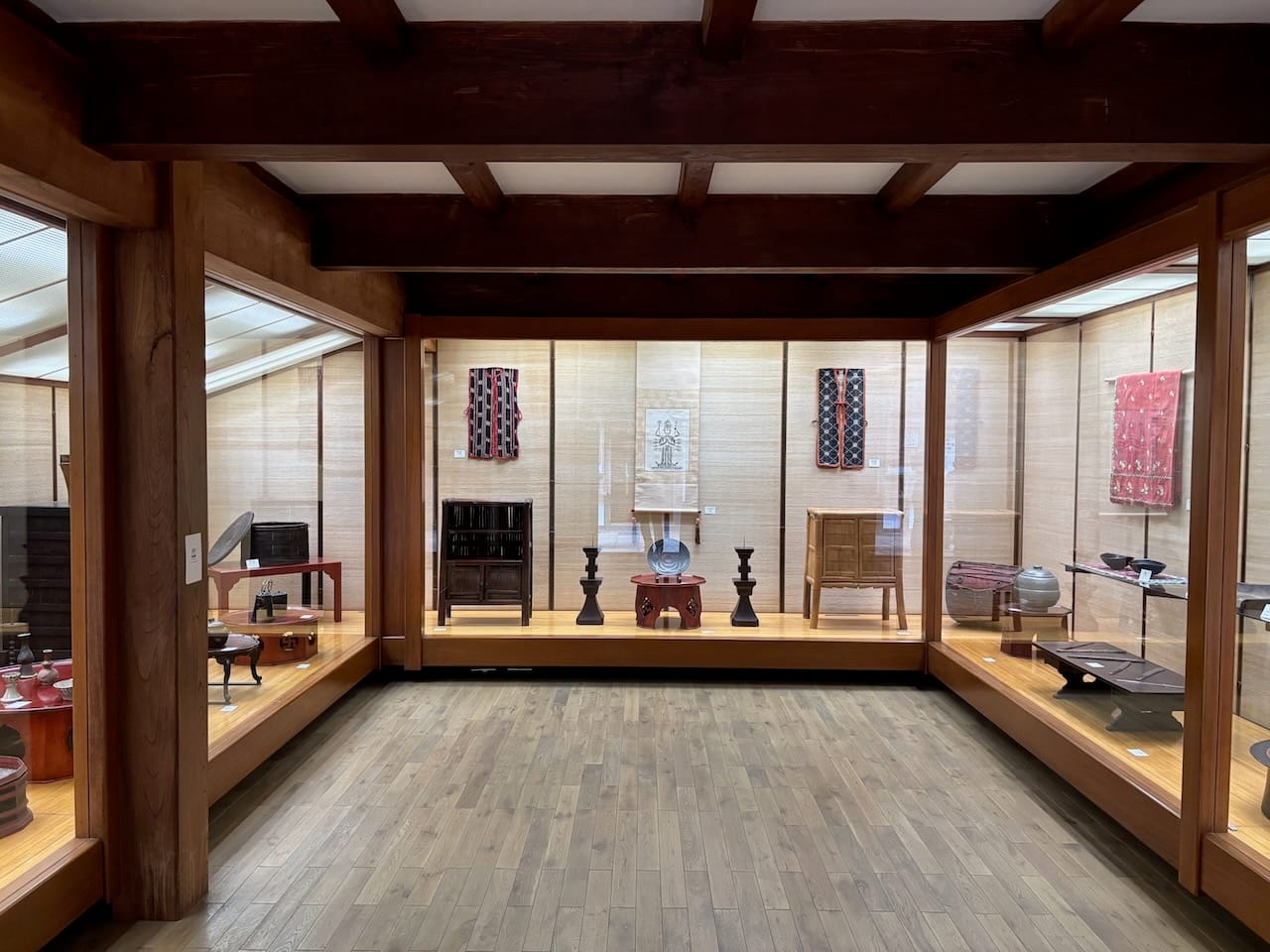
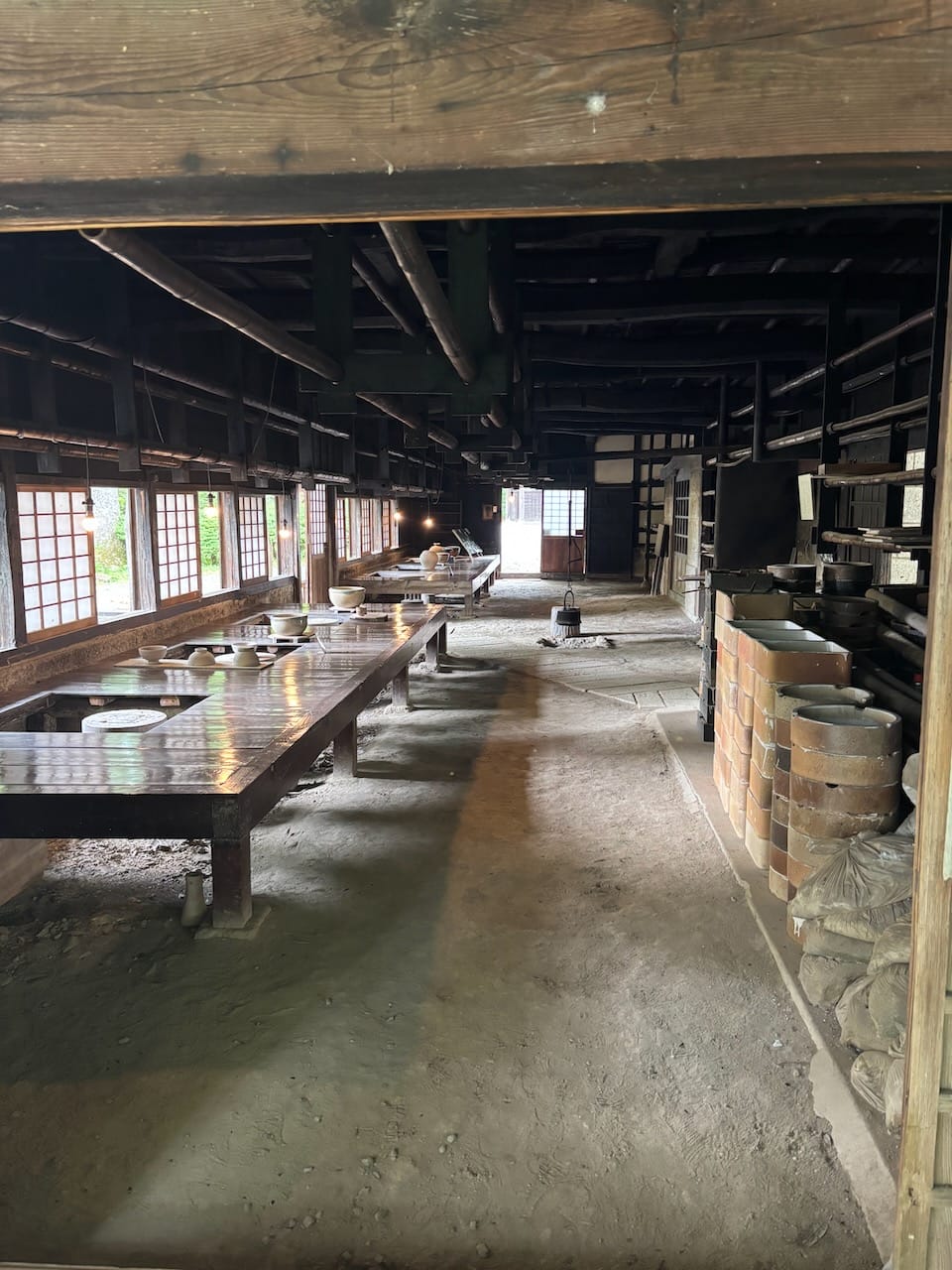
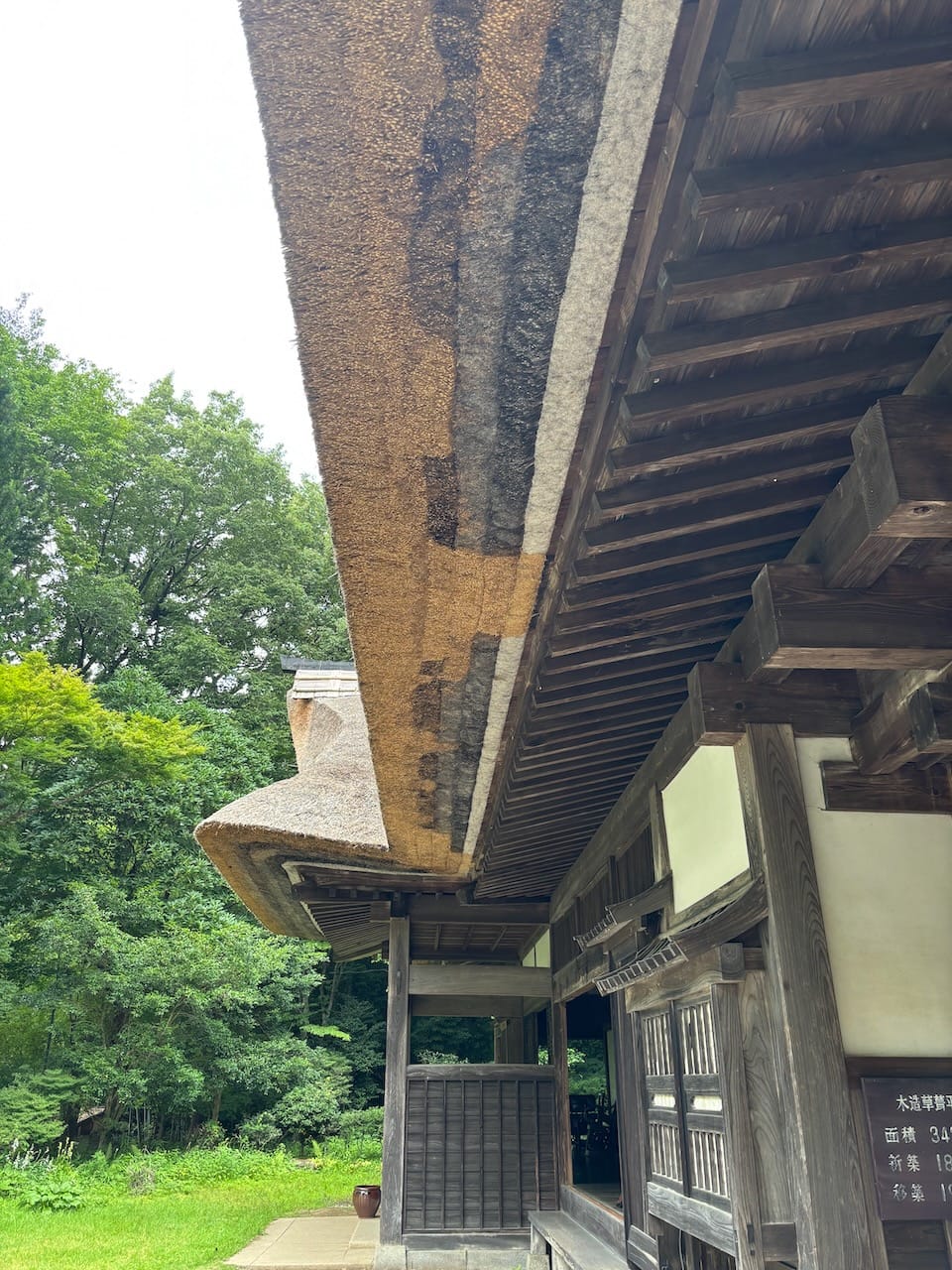
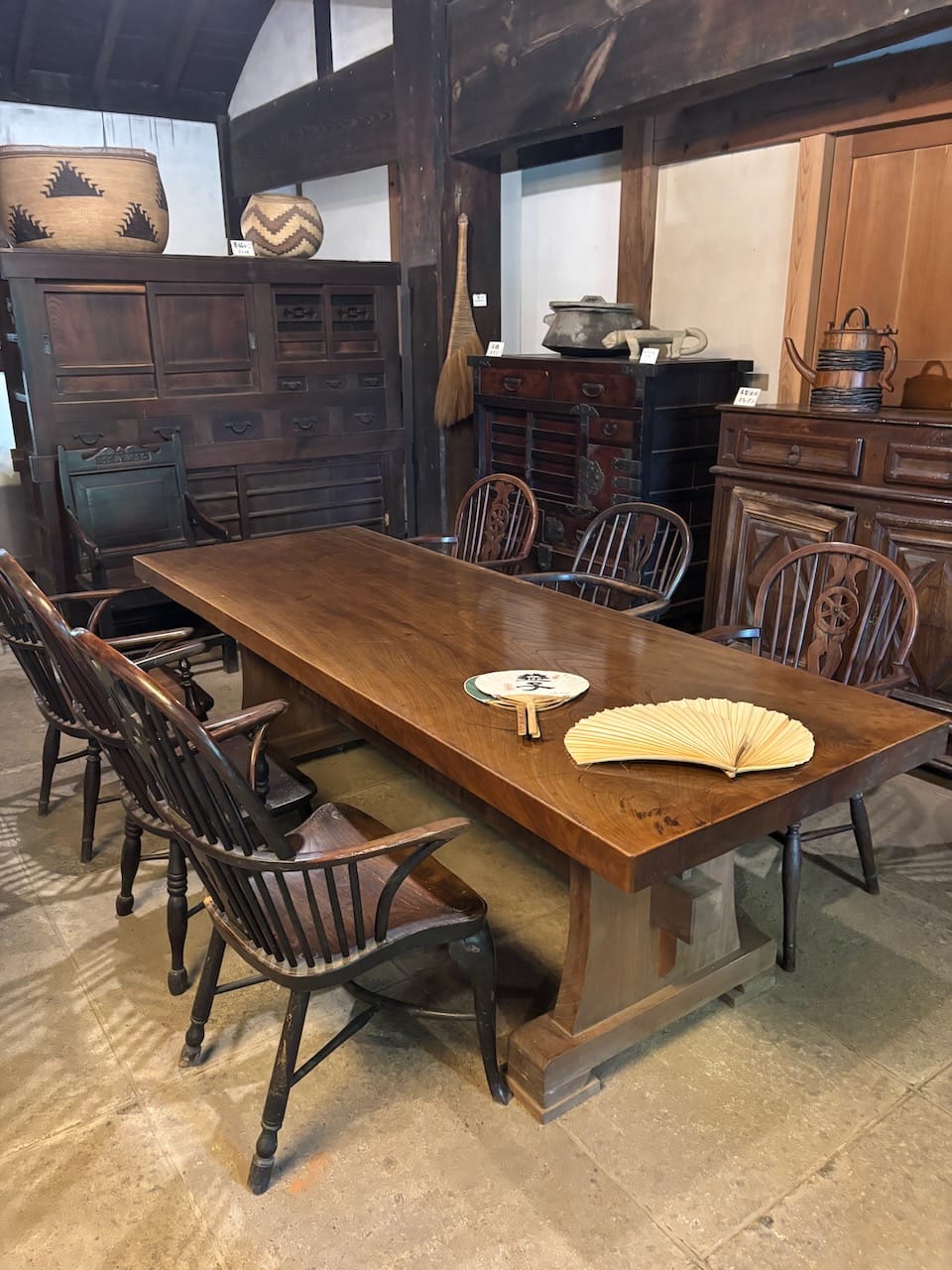
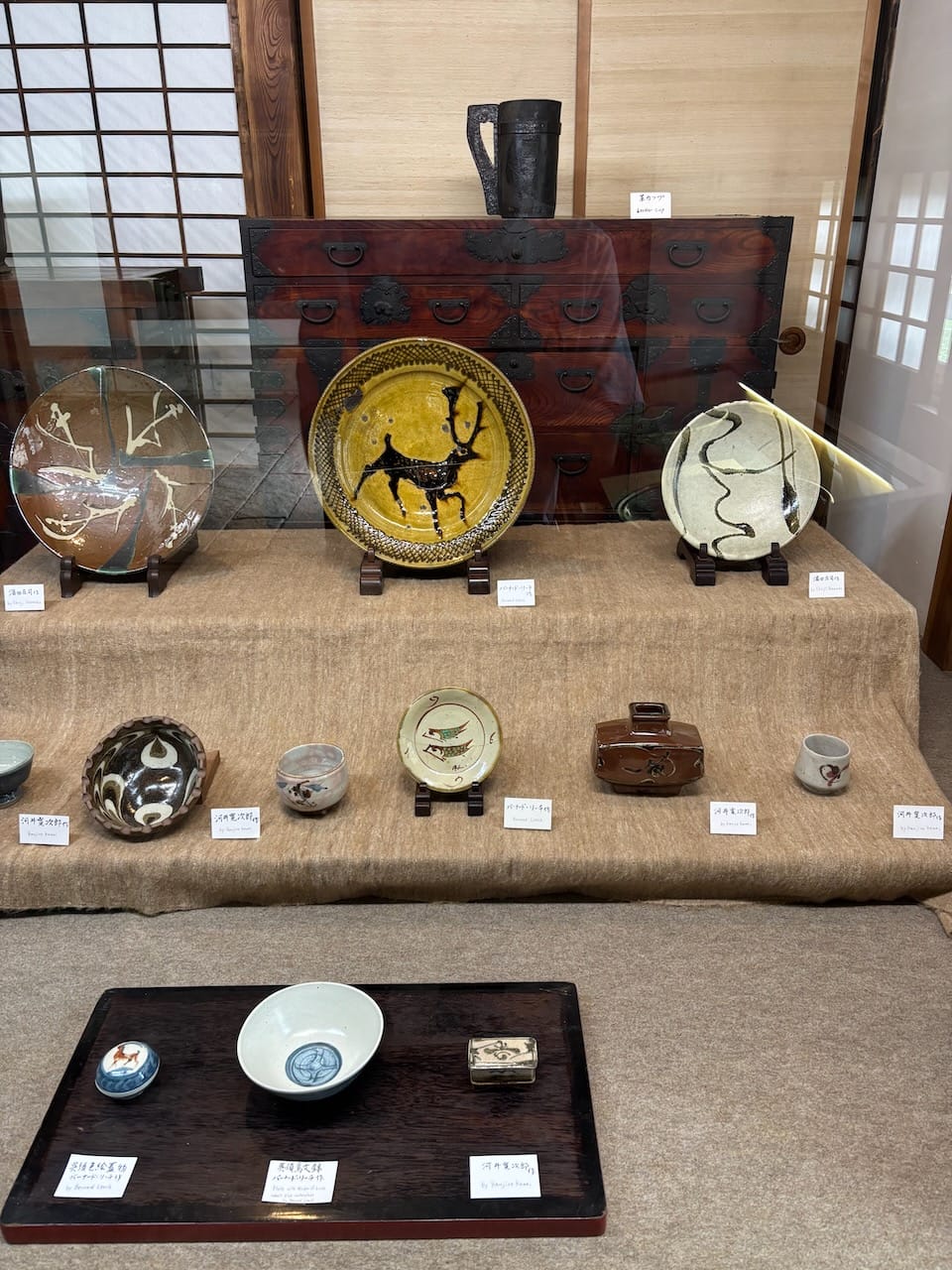
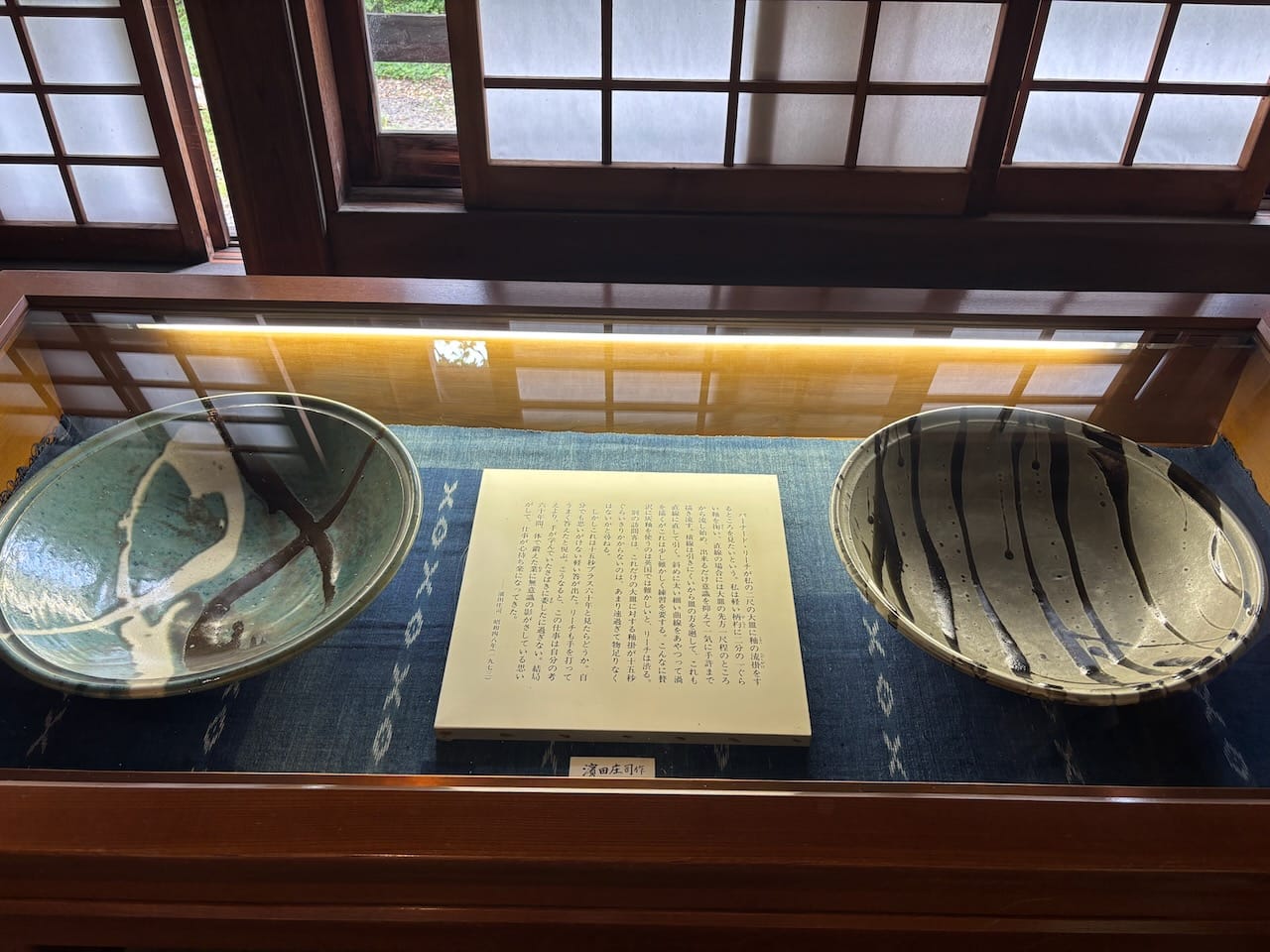
In his lifetime, Hamada spread the art of Japanese pottery overseas to the United Kingdom during his time living in St. Ives, Cornwall for three years from 1920. There, he collaborated closely with Bernard Leach, regarded as a "the Father of British studio pottery" in the UK.
There's something quite relaxing about visiting small, rural towns. Most visitors to rural towns are locals looking for a relaxing weekend getaway.You also get to escape the hoards of tourists who crowd the major cities like Tokyo, Kyoto and Osaka.
On these trips, we make it a point to buy fresh, local produce back home to cook. The produce is often sold at the local Japan Agriculture Cooperative ("JAC") building. JAC acts as the aggregator and distributor of agricultural products for local farmers. You get some really nice, seasonal products that are quite reasonably priced and delicious.
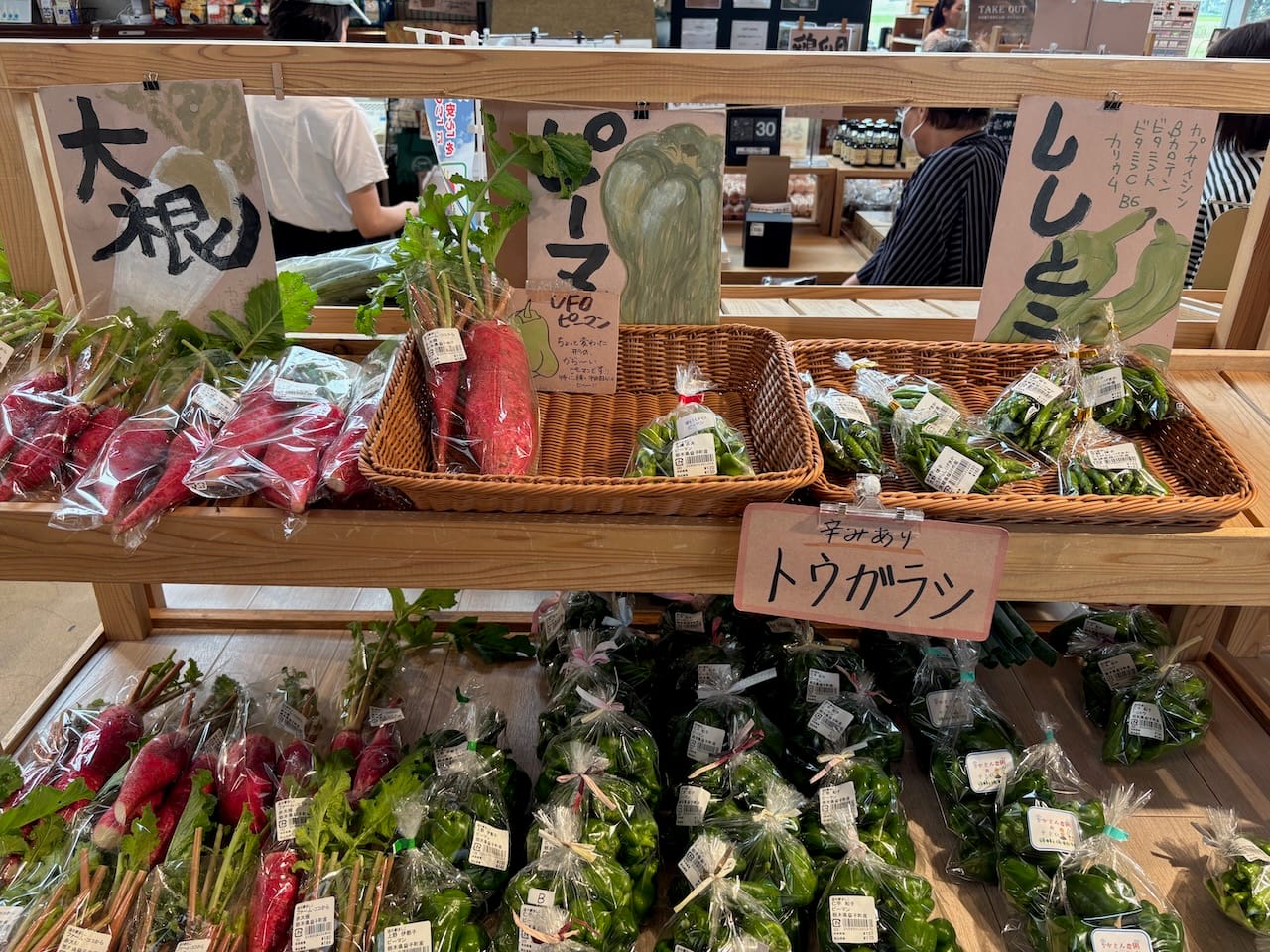
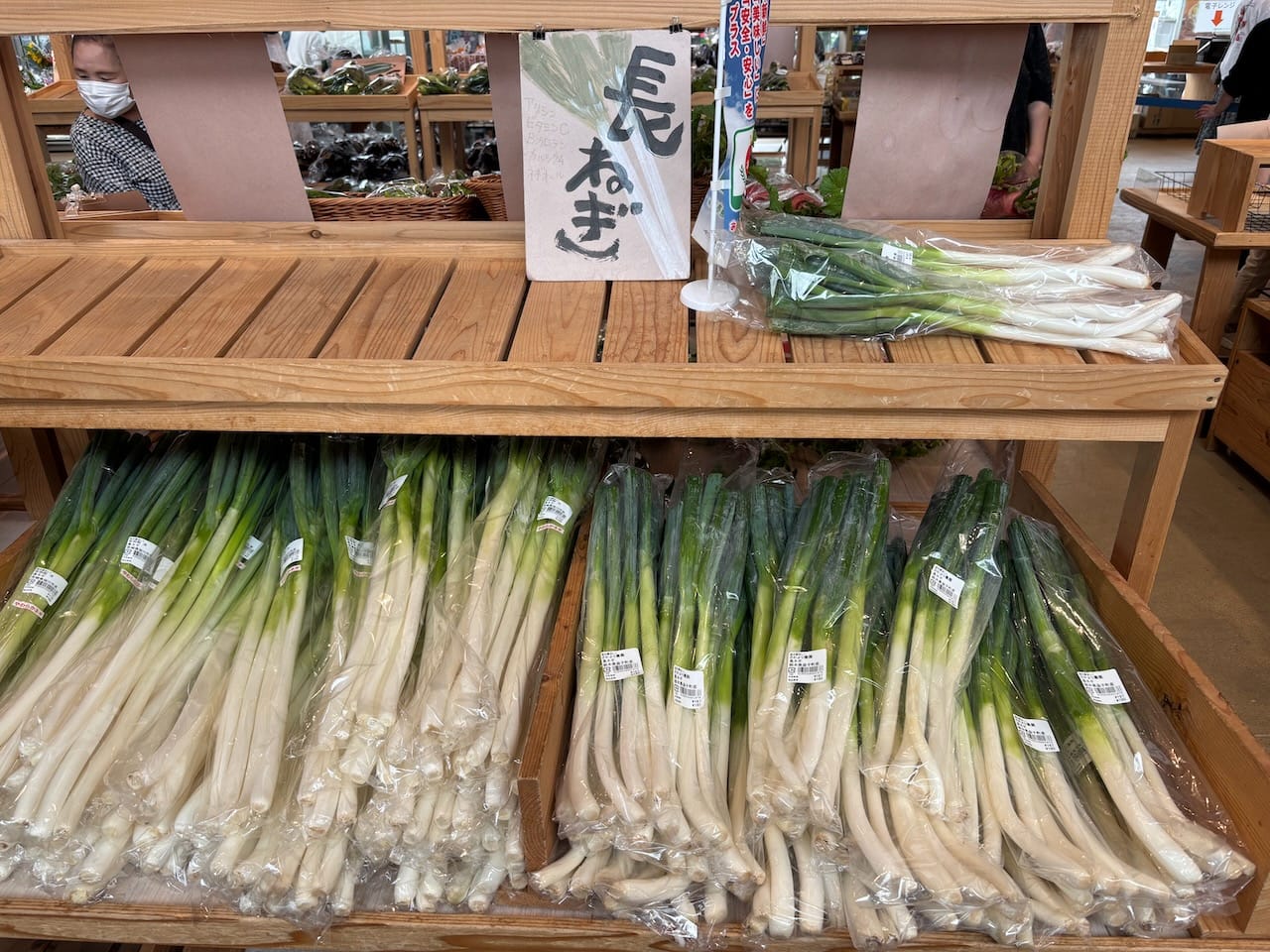
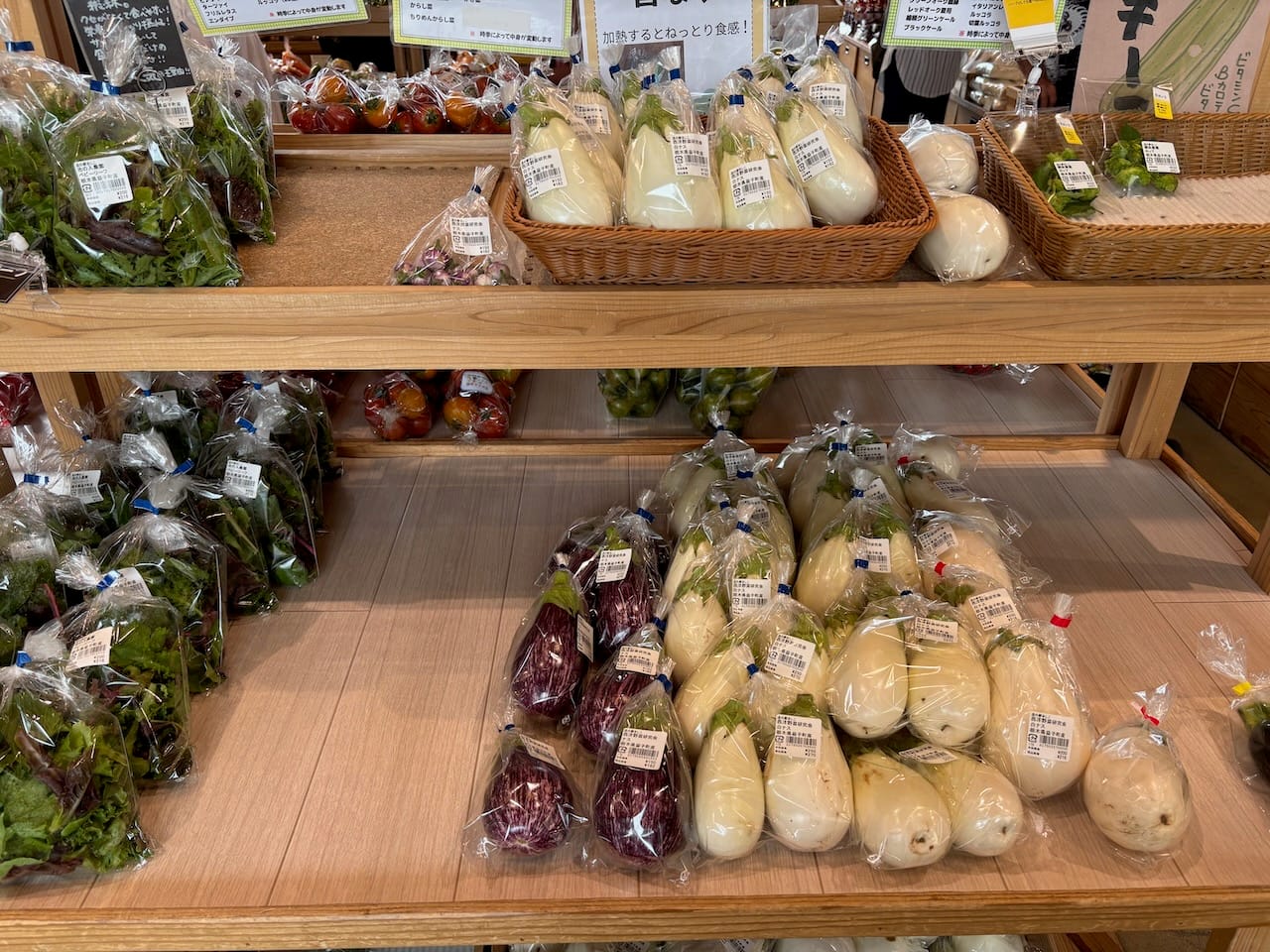
Fresh, local vegetables at the JAC.
--Ends