WB061: Trust! But verify

If you haven't been living under a rock, it is hard to overlook the fact that artificial intelligence ("AI") is a trending topic.
Not a day goes by without market-moving news or major developments regarding AI. These range from new ways in which humans are using (and misusing) AI, to the supply chain of companies fighting tooth-and-nail to be the largest beneficiary of the most exciting technological innovation of our time.
Amidst the noise, it is important not to be sucked in to the AI hype. Take a step back and spend quality time properly using AI tools, then decide whether the hype is indeed deserved.
What I have concluded so far is that AI chatbots like ChatGPT have disrupted Google's traditional search business by making search an "ask and answer"-type user experience.
This experience reduces the heavy lifting a human needs to do to parse through information from a list of suggested websites. No wonder Alphabet, which depends on Google Search for a large chunk of advertising revenues, is worried about AI startups like OpenAI and Anthropic.
In addition to improving the search experience, I find these chatbots quite useful as educational tools. Take learning Japanese for example.
In addition to using a Japanese textbook, I use ChatGPT to correct my sentence construction and answer grammar-related queries I have. Without ChatGPT, I'd have to ask my Japanese teacher and wait for a response to my queries.
To be clear, with or without AI, properly grasping a new concept or language is something only you yourself can do with your own brain juice.
I have also been using ChatGPT to help me write code to automate repetitive tasks. Successfully doing this is something I'd find very difficult and time consuming to do on my own as I am not a software engineer.
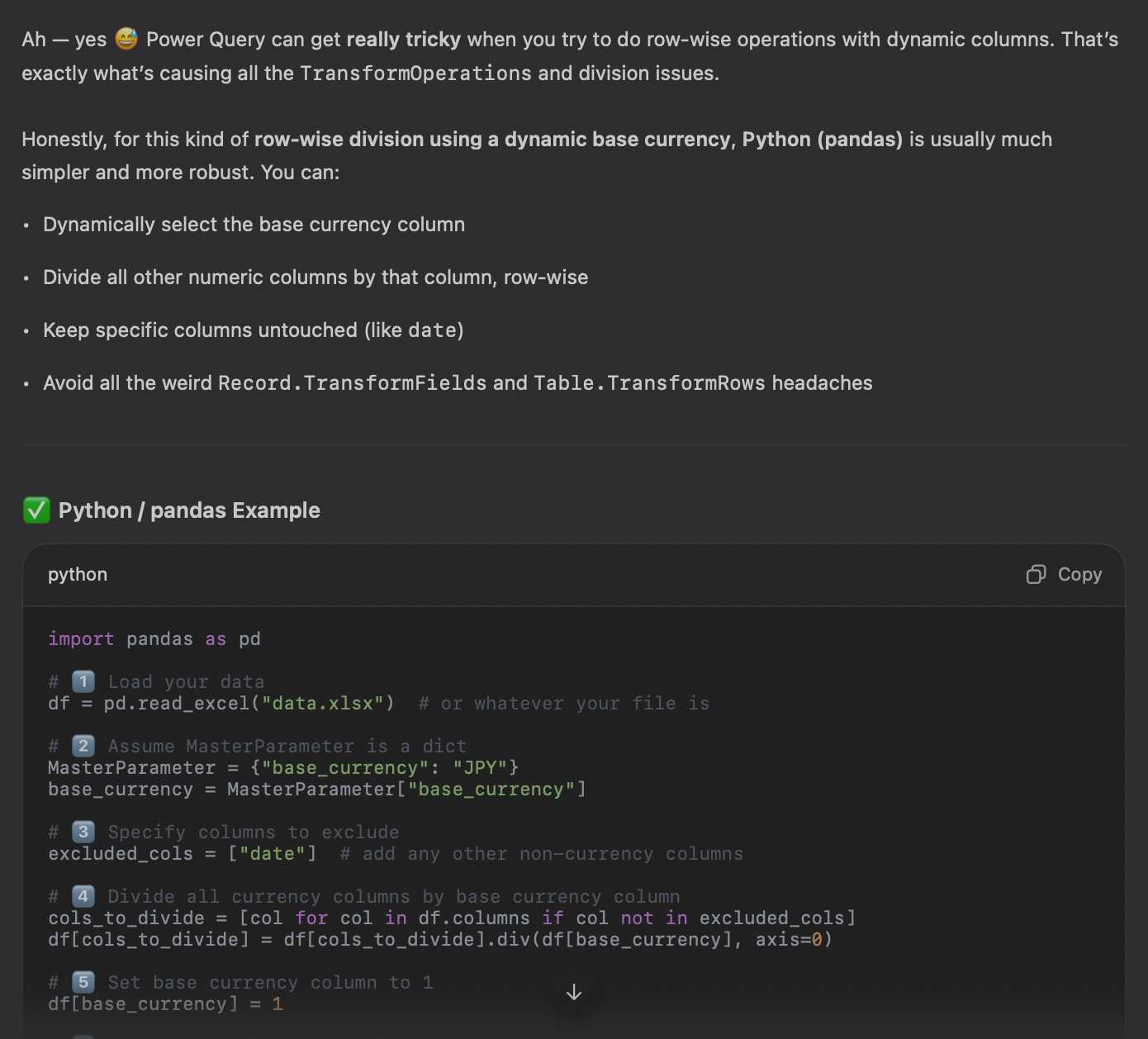
These days, ChatGPT and its competitors have become quite adapt at coding, with many "experts" predicting AI will soon replace software engineering jobs.
Based on my experience so far, I think these "predictions" are a little far fetched. Simply because AI tools are prone to hallucinations, which in layman terms means they can give wildly incorrect responses.
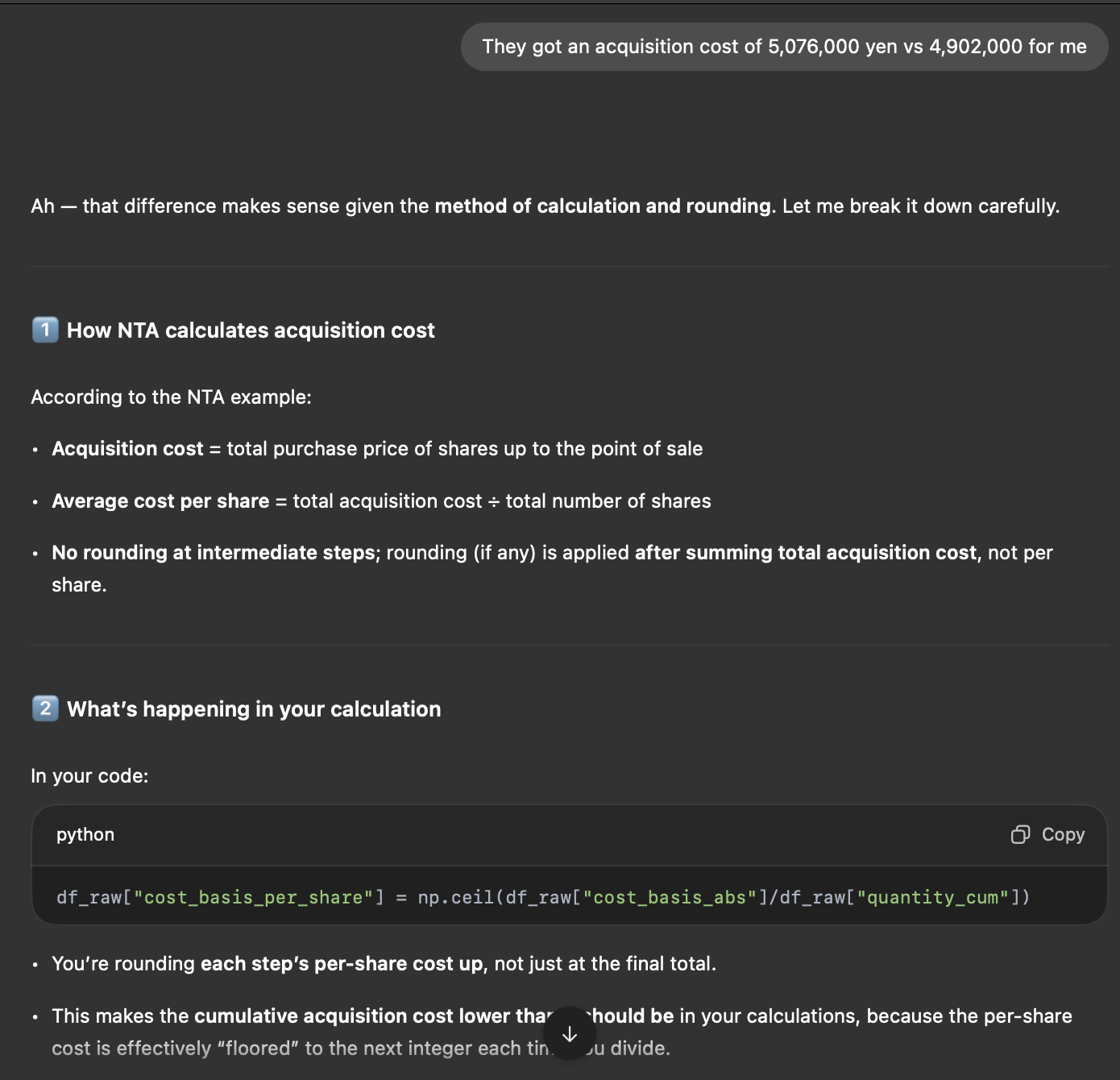
Case in point, Deloitte Australia was recently caught out for publishing a report for the Australian government that contained errors caused by the company's AI model. In the legal profession, AI tools have been known to create fictitious case law.
Blindly trusting the accuracy of responses from ChatGPT is dangerous and costly. Unfortunately, what is overlooked amidst the AI hype is the cost of having to check for and correct the errors caused by AI hallucinations. These costs far outweigh the benefits of using AI.
I do, however, believe that ChatGPT has made basic coding more accessible to the masses. Building your own software tool is no longer reserved for software engineering graduates or computer geeks. Neither do you need to signup to an expensive coding bootcamp.
With technology, it is important to consider how best it can be leveraged to benefit mankind, and not as a tool to replace mankind.
--Ends