WB066: Bathing in a Japanese sentou
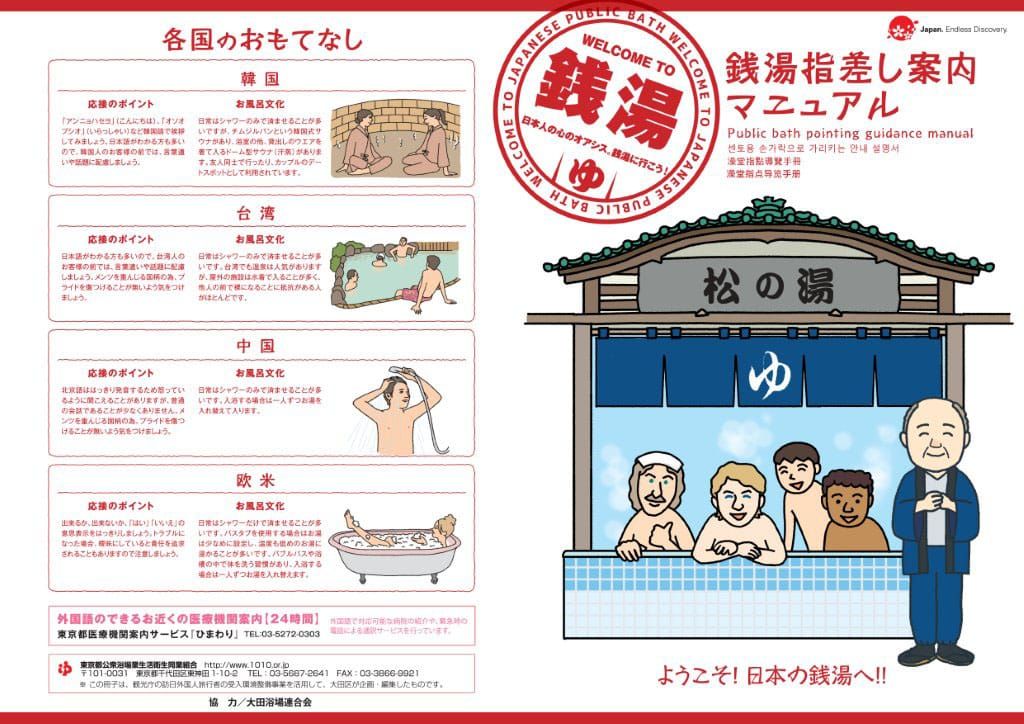
A public bathhouse or sentou (Japanese: 銭湯) is a neighbourhood facility that has showering and bathing facilities.
Sentou's were particularly widespread in the olden days when many Japanese homes lacked modern bathing facilities. Locals would therefore head to their neighbourhood sentou to have a shower and a good soak in a large communal bath.
Over the years, the number of sentou in Japan have declined, largely because most modern homes come with bathing facilities. The younger generation also favour the convenience (of bathing at home), over a walk to their neighbourhood sentou.
That being said, there are still sentou's scattered around neighbourhoods, especially older ones. This website called Tokyo Sentou (Japanese: 東京銭湯) aggregates all the sentou's located in Tokyo.
Some local hotel chains also have a large public bath for their guests, who have the option of bathing in their room or heading to the communal bath.
A novel experience
Before coming to Japan, I would not have entertained the the idea of soaking naked in a large communal bath with random people. To me, a bath was a place to clean yourself, so why soak (naked) in the filth of others?
I later learned that a sentou's communal bath is a place to have a relaxing soak after you've had a shower to thoroughly clean yourself. This revelation greatly changed my perception. That said, it still took me a while to overcome the idea of being naked amongst strangers.
A few months ago, I used a sentou for the first time. Unlike a hotel's onsen (Japanese: 温泉), a public bathhouse is much more crowded. This explains why it took me quite a while to warm to the idea.
I went to a sentou called Kosugiyu (Japanese: 小杉湯), located in a charming, old neighbourhood called Koenji (Japanese: 高円寺).
Kosugiyu first opened its doors to the public in the 8th year of the Showa (Japanese: 昭和) period, i.e. 1933 in the Gregorian calendar. This makes Kosugiyu 92 years old this year.
The entrance fee, which is regulated, is a very reasonable JPY500 (exc. tax). You can pay an extra JPY100 to rent a face towel, or JPY200 to rent a full-body towel.
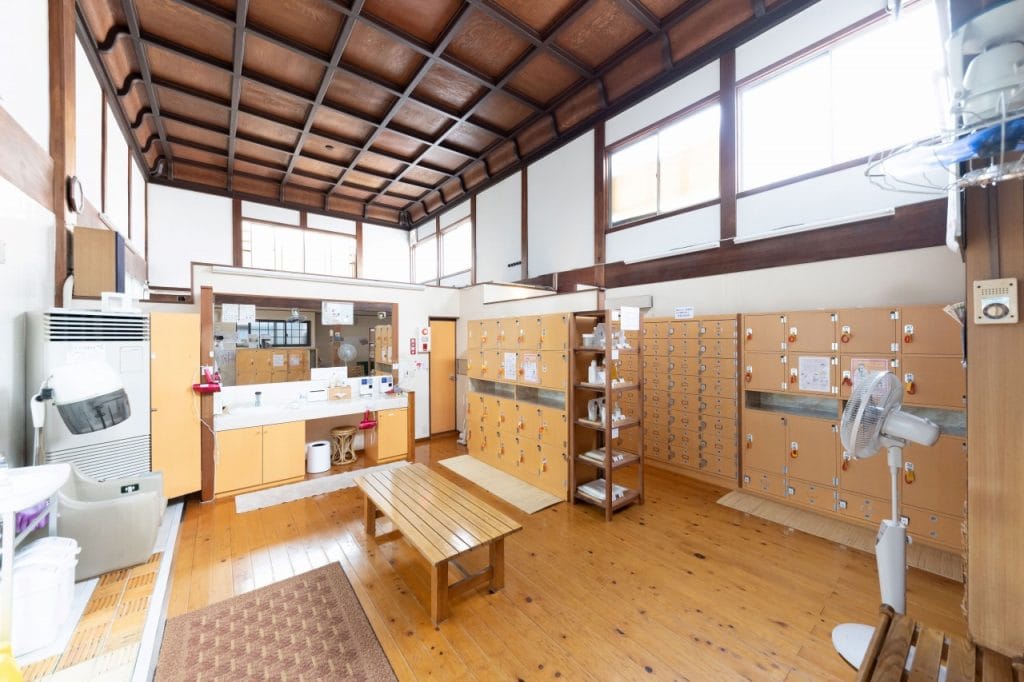
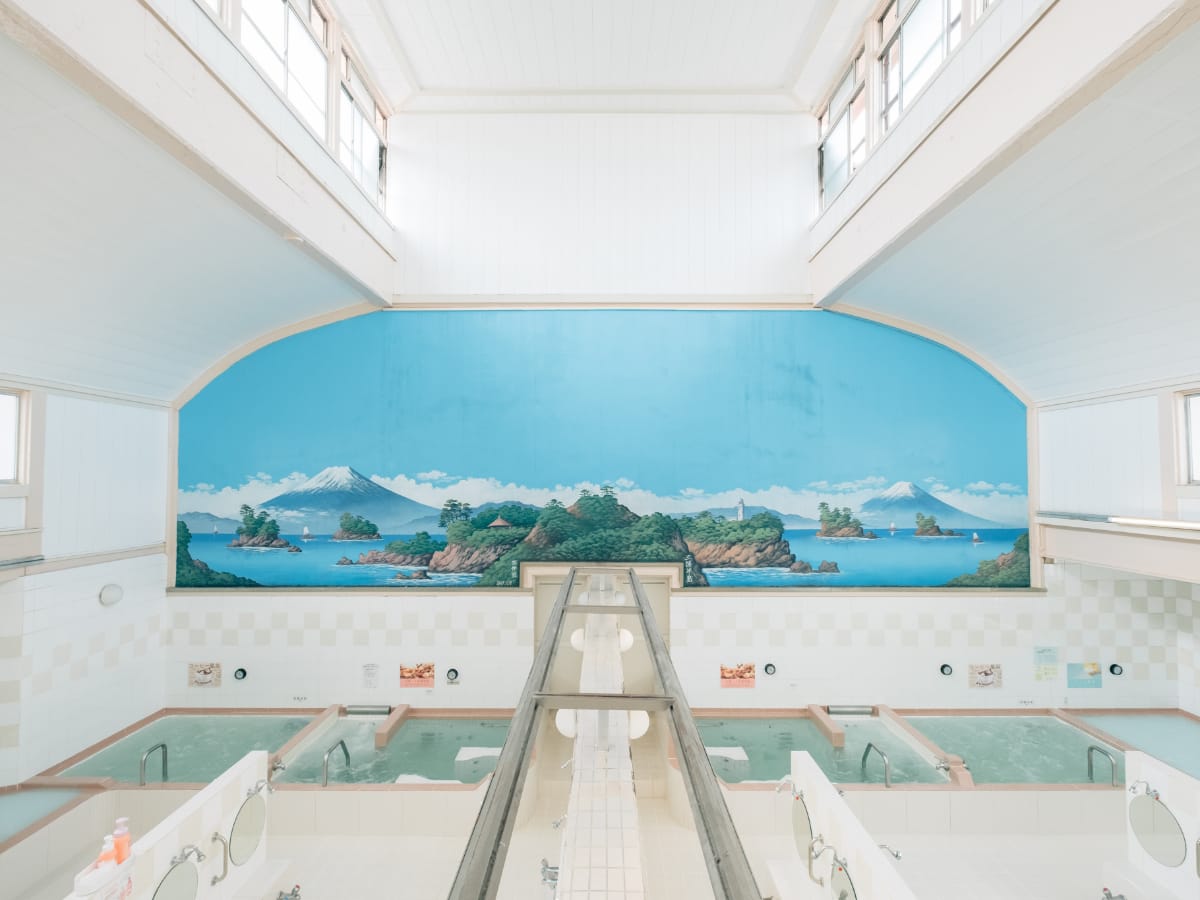
(L) Changing area with lockers (R) The gender-separated shower and bathing area. (Source: Kosugiyu)
After entering the bathing area, you can shower and soak for as long as you want. That said, once you exit this area, you cannot return with the same entrance ticket.
The rules of sentou are the same as onsen.
As the purpose of the bath is to soak and relax, you must first clean yourself thoroughly using the shower facilities. Some sentou's like Kosugiyu come equipped with amenities such as soap and shampoo. Others do not, so you need to bring your own amenities.
Becoming a repeat Kosugiyu customer
I've taken quite a liking for Kosugiyu, despite it being a nearly 45 minute door-to-door commute from my home. I've been back three times since my first visit.
There are a few things I like about this place.
Firstly, Kosugiyu has three types of baths: cold bath or mizuburo (Japanese: 水風呂), hot bath or atsuyu (Japanese: 熱湯) and a hotter atsuyu. You get to do a relaxing soaking cycle: start with the hot bath, then the very hot bath and end with the cold bath.
It is quite a relaxing sensation sitting in the mizuburo at the end of the soaking cycle. Before going in, there's always a sense of trepidation brought about by the anticipation of the freezing cold that hits you when you first touch the cold water.
Once you've dunked your entire body in the mizuburo, your body immediately warms up as a natural counter reaction to the drop in temperature. As a result, you actually warm up once you step out of the mizuburo.
I usually do three to four soaking cycles. Combined with my shower time, I spend nearly an hour in the bathing area. What would be nice if I could just jump into my bed straight after!
Secondly, I like using the nice-smelling Merit-branded soap and shampoo - a mass market product made by Kao - provided in the shower area.
Using my face towel, I give myself a good scrub all around my face and body. This makes me feel extra clean.
It is quite common to see people shaving themselves or brushing their teeth in the shower area. These are basically things you would have done in a sentou in the old days when there were no such facilities at home.
Thirdly, I enjoy the traditional Japanese ritual of having a delicious, locally-made yoghurt (in lieu of milk) after a good soak in the small sitting area outside the bathing section.
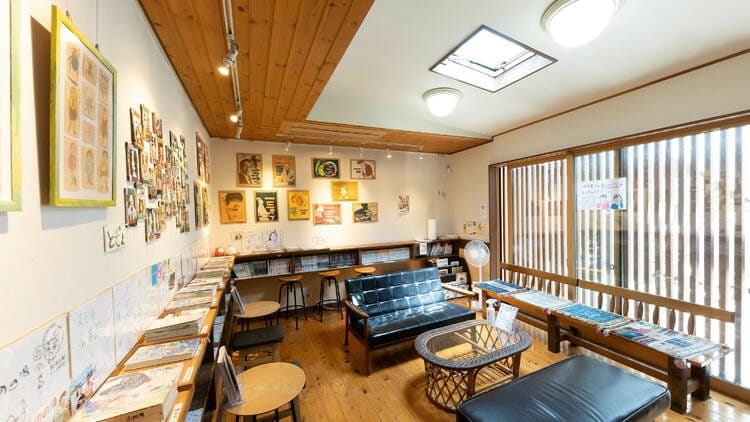
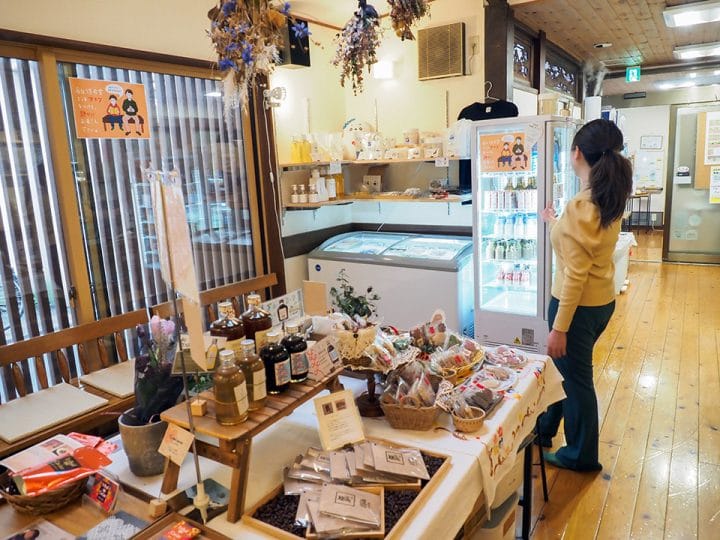
Beverages, including milk and yoghurt, are sold in the small chilling area. (Source: Kosugiyu)
I am not sure what health benefits this tradition brings, but it sure feels good and refreshing. I guess selling these products is also another way for the sentou to generate revenue, otherwise entrance fees alone are unlikely to sustain their business.
Finally, it is quite an experience marvelling at a mural of Mount Fuji (Japanese: 富士山) in the bathing area that was hand-painted by Japanese bathhouse painter Morio Nakajima (Japanese: 盛夫中島).
Nakajima is one of only two or three (!!) sentou painters left in Japan, so this mural is quite precious.
The decline in number of sentou's in Japan and the aging population sure has taken a toll on this dying trade. One of Nakajima's younger students, Mizuki Tanaka (Japanese: みずき田中), can hopefully keep this trade going in the years to come.
--Ends