WB069: Sayonara, Fujimiyu
In Japan, official notices or announcements usually have titles containing these four Japanese characters: お知らせ (oshirase).
These notices, often written in formal, honorific Japanese called 敬語 (keigo), are a little difficult for me to comprehend. That said, I can generally guess what a notice is about if I recognise and understand a few of the Japanese characters.
While cycling back home one fine day, the corner of my eye caught sight of an A3-sized, hand-written notice pasted on the metal shutters of a sentou (Japanese: 銭湯, English: Public bathhouse) near my home called Fujimiyu (Japanese: 富士見湯).
(Fun fact: Most sentou's have names ending with ~湯 (yu), which means "hot water")
I stopped to take a closer look and saw that the notice was signed off by the sentou's proprietor, or 店主 (tenshu).
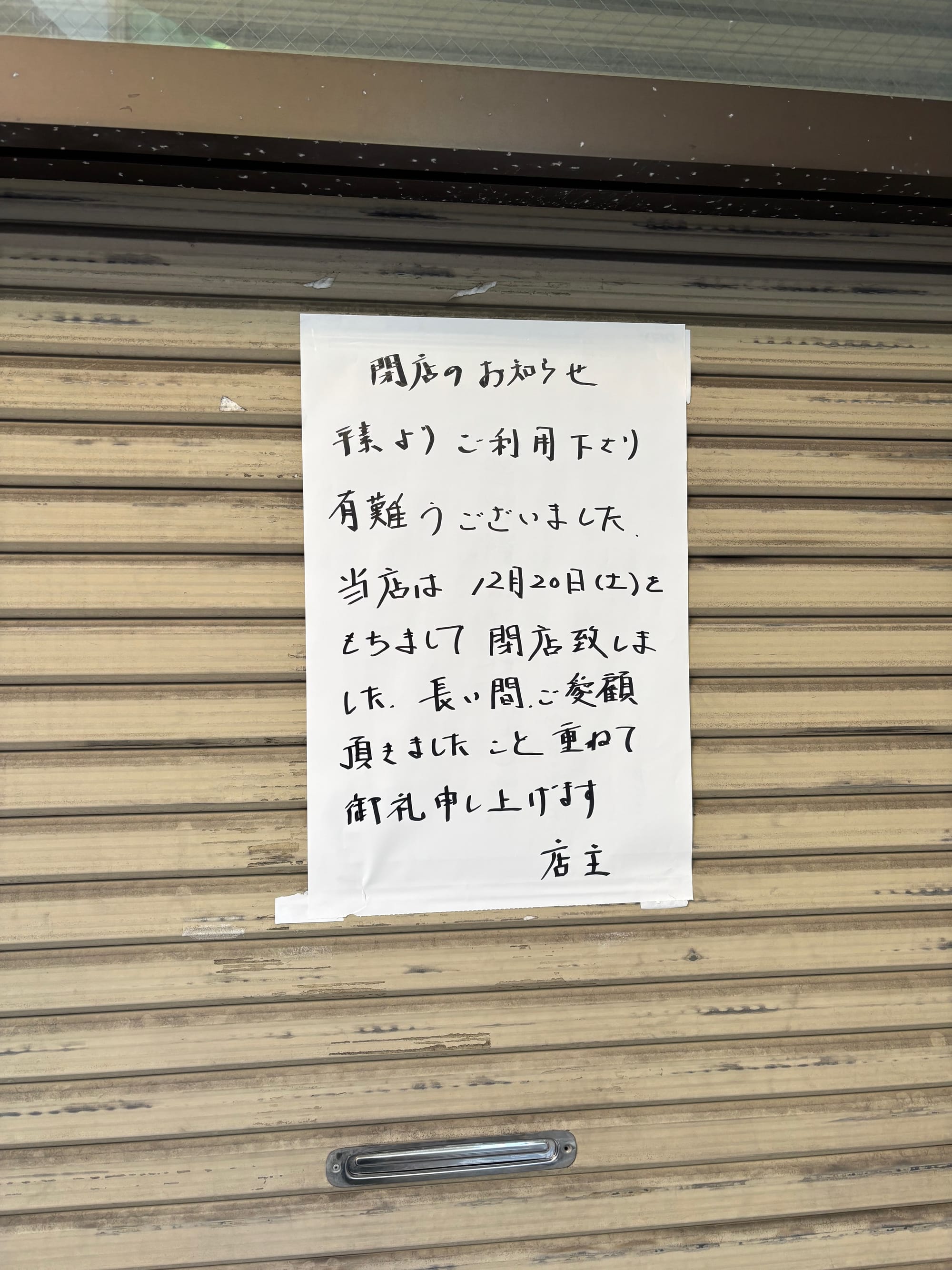
Sadly, the notice was entitled 閉店のお知らせ (heiten no oshirase), which means "Notice of Closing of Business". The proprietor said that the last day of business was December 20th and also expressed gratitude to the sentou's long-time customers.
I had made my first visit to Fujimiyu in November last year, having walked past it many times but hesitant to enter as sentou's are very local facilities. Some of these places are said to have regulars who politely impose their house rules on newbies or those who break the rules.
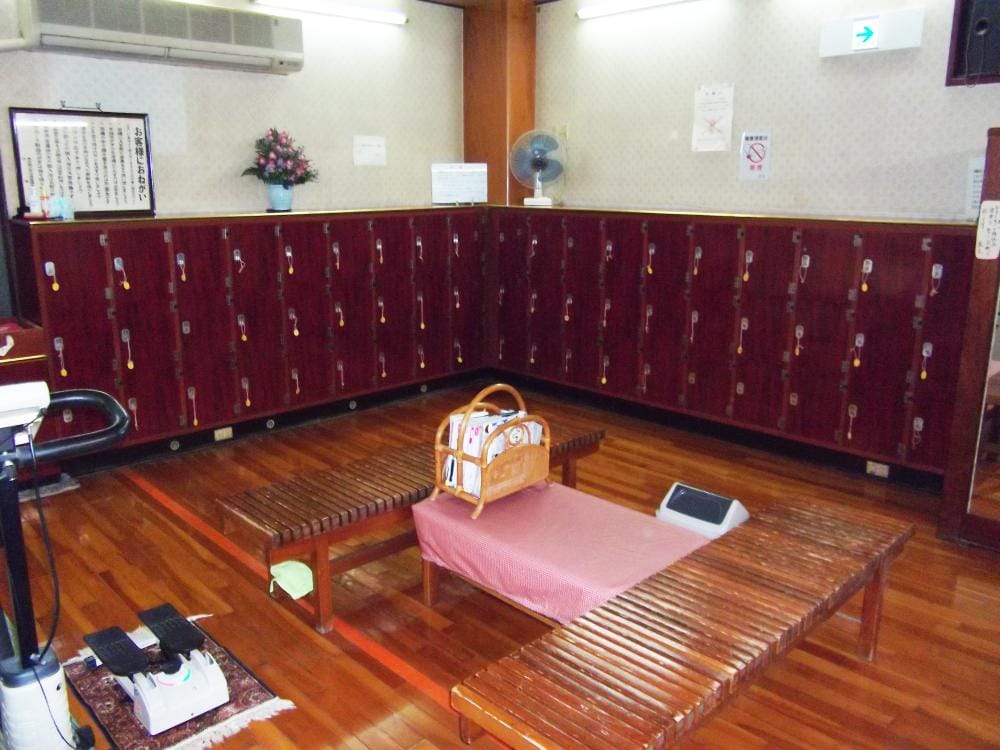
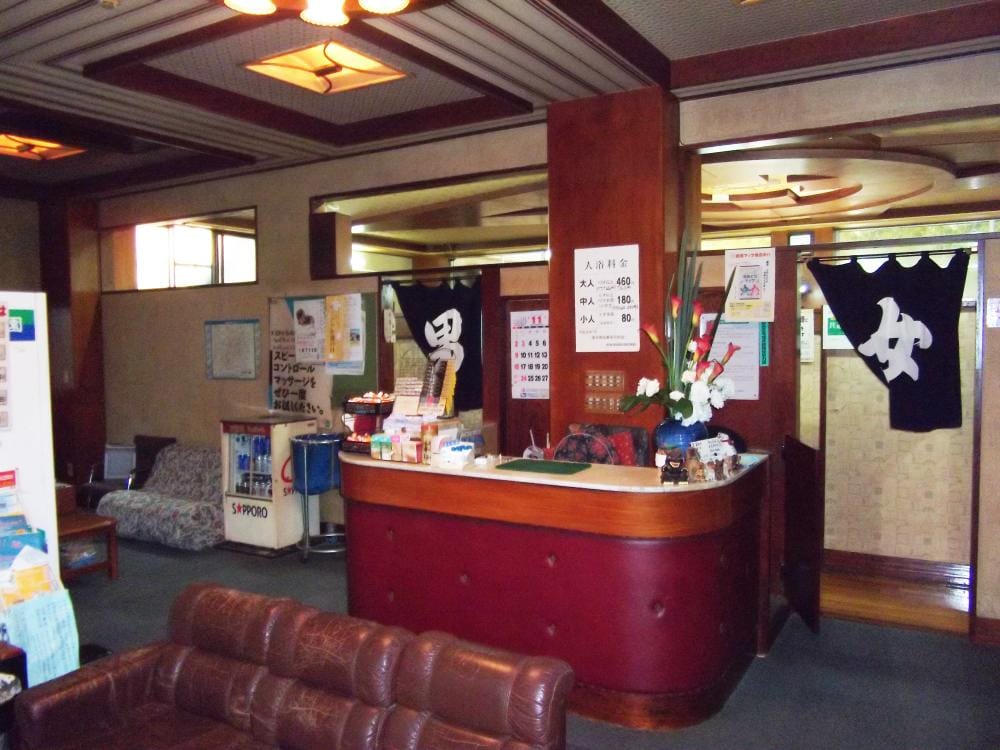
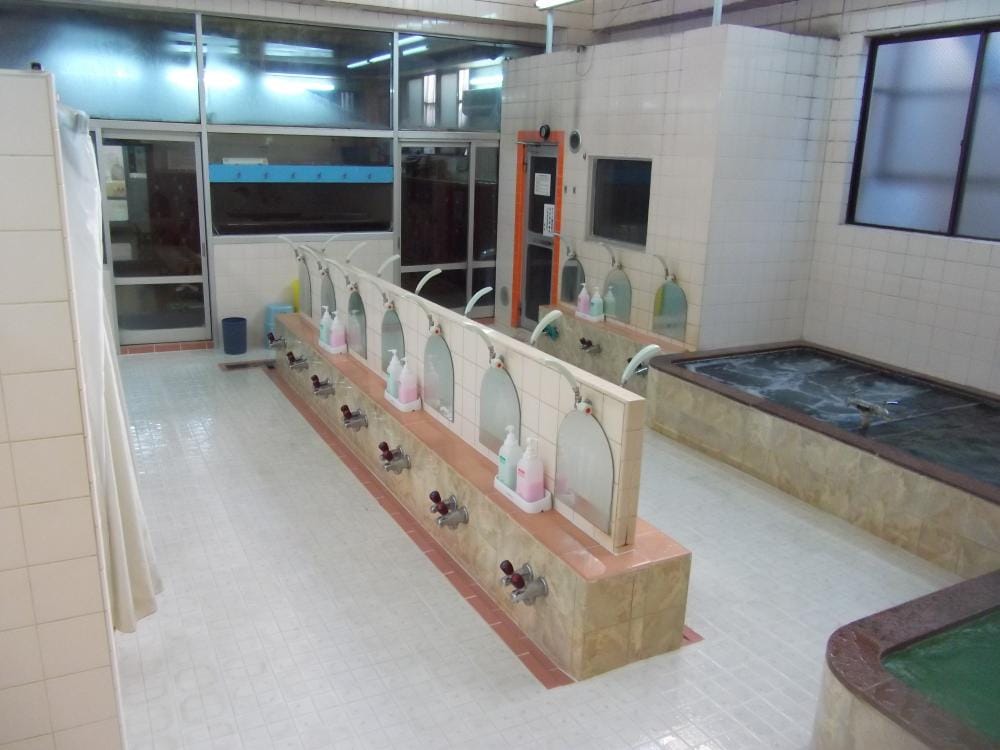
Source: 1010.or.jp
My first impressions were that Fujimiyu had definitely seen better days, evidenced by the worn-out carpets, stained tiles and smell of nostalgia. I distinctly remember the reception being manned by a tired-looking elderly man, who would have been at least 80 years old. There were no young staff in sight.
There's not much information online, but apparently Fujimiyu opened its doors in 1926 and did its last major renovation in the late 80's. Including the year it opened, the business would've been in existence for 100 years.
To me, the sentou's intangible value from its long, established history and enjoyable hot and cold baths more than made up for its less-than-appealing appearances.
Seeing such an established business close down was a stark reminder that change and impermanence are certainties in life that we can only postpone, not escape.
Running a sentou business these days is a labour of love for this cultural treasure. Business-wise, there are too many headwinds: the rising cost and shortage of labour, rising raw material (water and gas) costs, Japan's demographic decline and the fact that most modern homes now have bathing facilities.
Entry fees for sentou in Tokyo are also regulated and capped at JPY550 (~US$3.50). This is to ensure elderly Japanese and neighbourhood residents who don't have baths at home can still access what is a mainstay of daily Japanese life: soaking away their worries in a nice, relaxing bath.
According to this article published in 2022, Japan has the most enterprises (close to 38,000) that are at least 100 years-old. In a way, Fujimiyu's owner calling it a day at the end of the business' 100th year was symbolic.
Come to think of it, this sentou survived World War II, Japan's "Bubble Years" followed by decades of economic stagnation, and finally the Covid pandemic.
In the years to come, the reality is there will likely be more sentous like Fujimiyu that close their doors for the last time, given the lack of younger successors.
On the bright side, there are sentous that have successfully passed the torch to the next generation, such as Kosugiyu (Japaneses: 小杉湯). I hope to continue patronising and supporting sentous in the years to come, especially those run by elderly proprietors.
In Japanese, you use sayonara (Japanese: さよなら, English: Farewell) when you bid farewell to something or someone.
So for now, "Sayonara, Fujimiyu".
-Ends