WB070: New Year's Day in Japan

Japan celebrates the new year, called oshogatsu (Japanese:お正月), on the first of January.
Many salarymen and salarywomen go back to their hometowns for a few days to celebrate oshogatsu. As a result, most businesses are either closed in the first week of January or have limited operating hours.
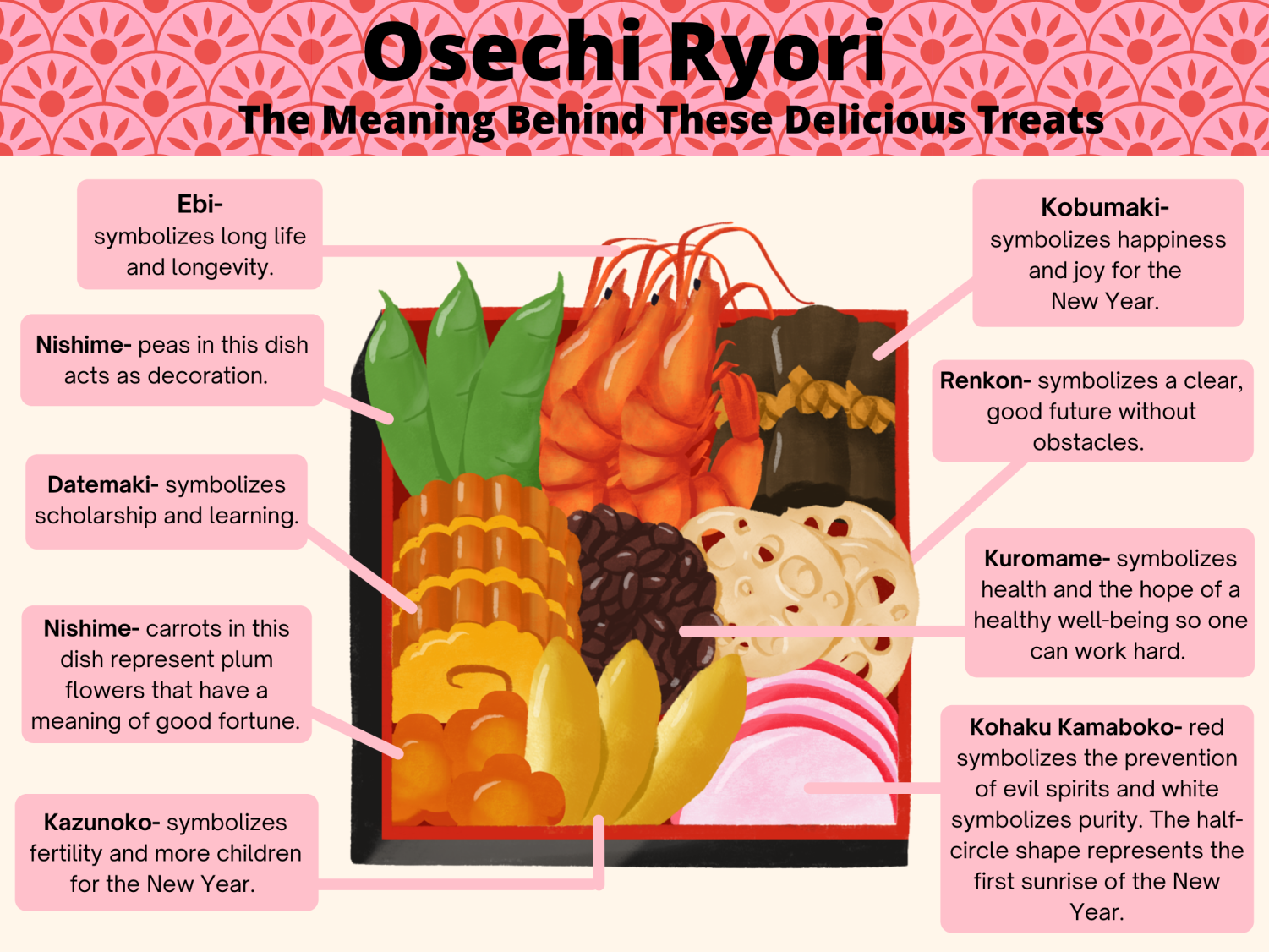
Families celebrate oshogatsu by making a toast with sake (Japanese: 酒) and eating osechi (Japanese: おせち), a traditional New Year's dish comprising an assortment of dishes. I've included a graphic below that explains the meaning of each dish.
The New Year holiday period is also when the Hakone Eki-den (Japanese: 箱根駅伝) event takes place (Jan 2nd & Jan 3rd). This race dates back to 1920, with this year's race being the 102nd edition.
An eki-den is a relay marathon, where runners from each team take turns running a fixed distance. The winner is the team that completes the route in the shortest time.
In Japan, this is a national sport that is taken very seriously. The Hakone Eki-Den - an inter-university competition - is the most popular eki-den race.
During this two-day event, Japanese university running teams run from Otemachi (Japanese: 大手町) in Tokyo to Hakone (Japanese: 箱根) in Kanazawa Prefecture (Japanese:神奈川県) and back.
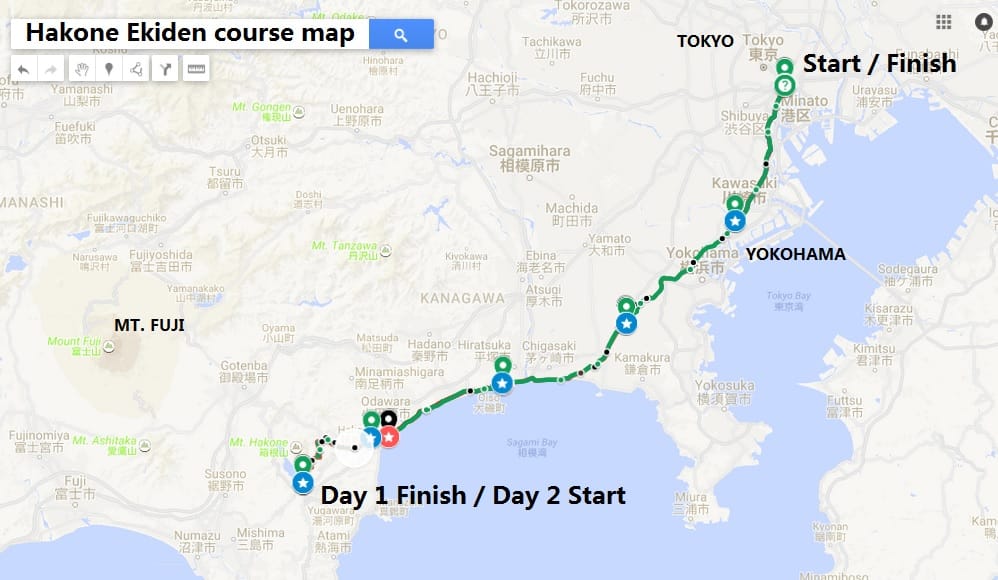
The entire race covers a distance of about 220km, with each day comprising five separate legs.
To an outsider, this event might not seem like a big deal. After all, who would bother waking up bright and early on a cold wintery morning to watch a bunch of university kids run from Tokyo to Hakone and back?
Well, it turns out a lot of people do.
I feel that in Japan, cheering athletes on for their hard work and perseverance is just as important as supporting them for their capabilities. The atmosphere reminded me of the World Athletics Championships marathon race in Tokyo in September last year.
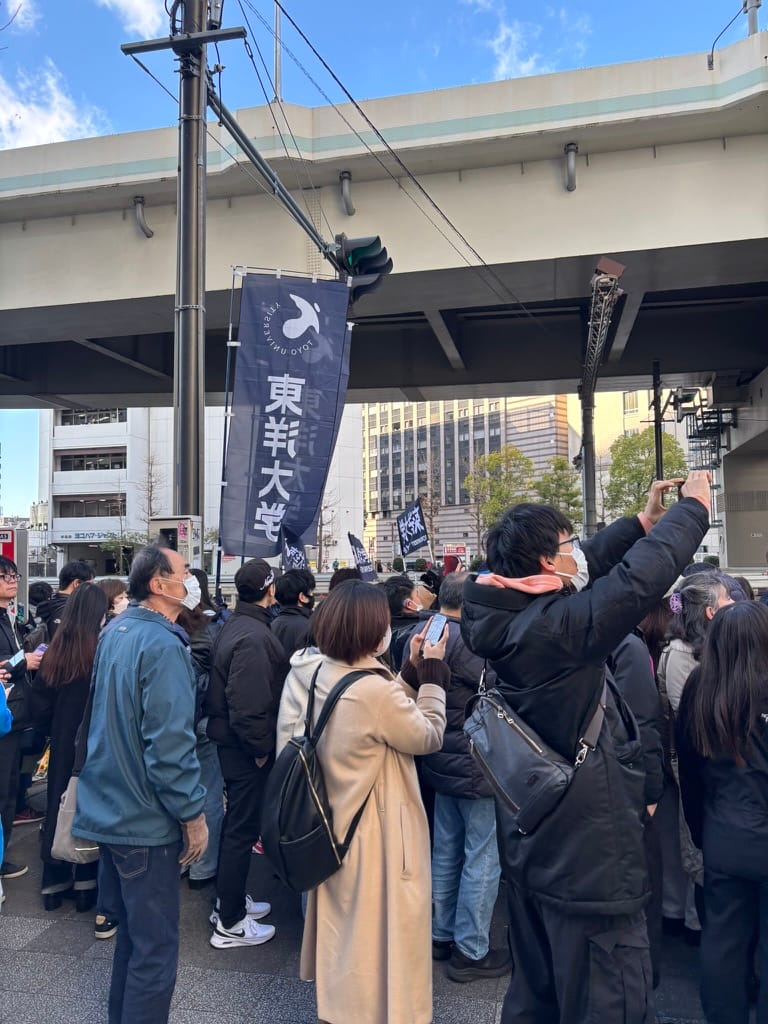
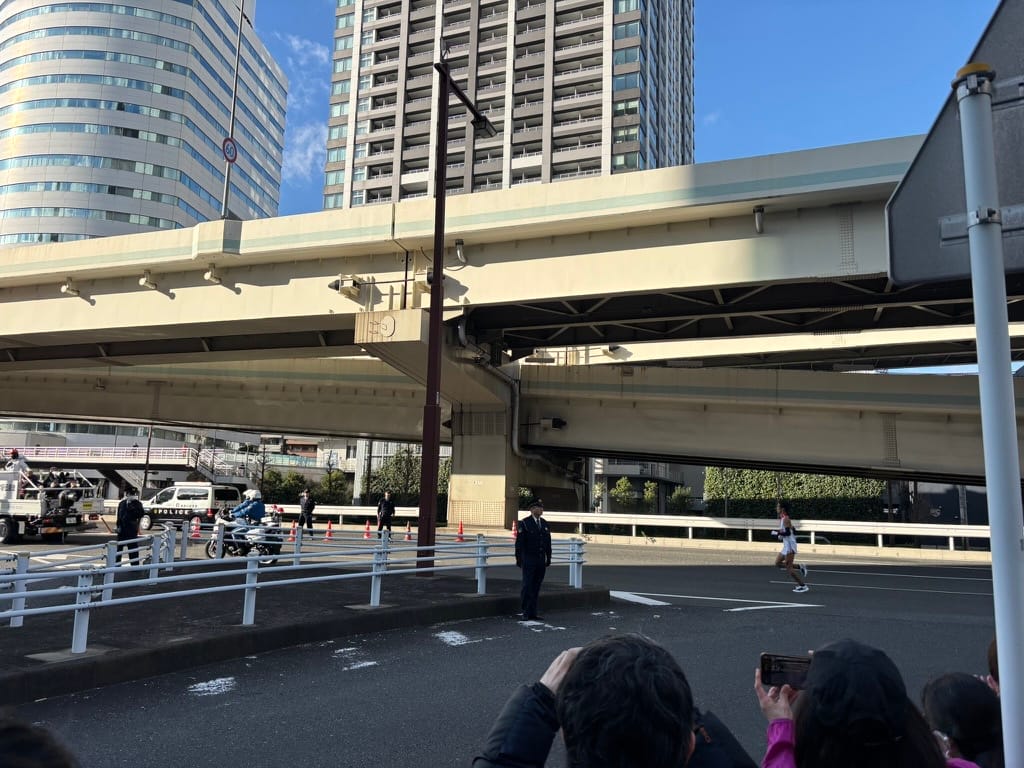
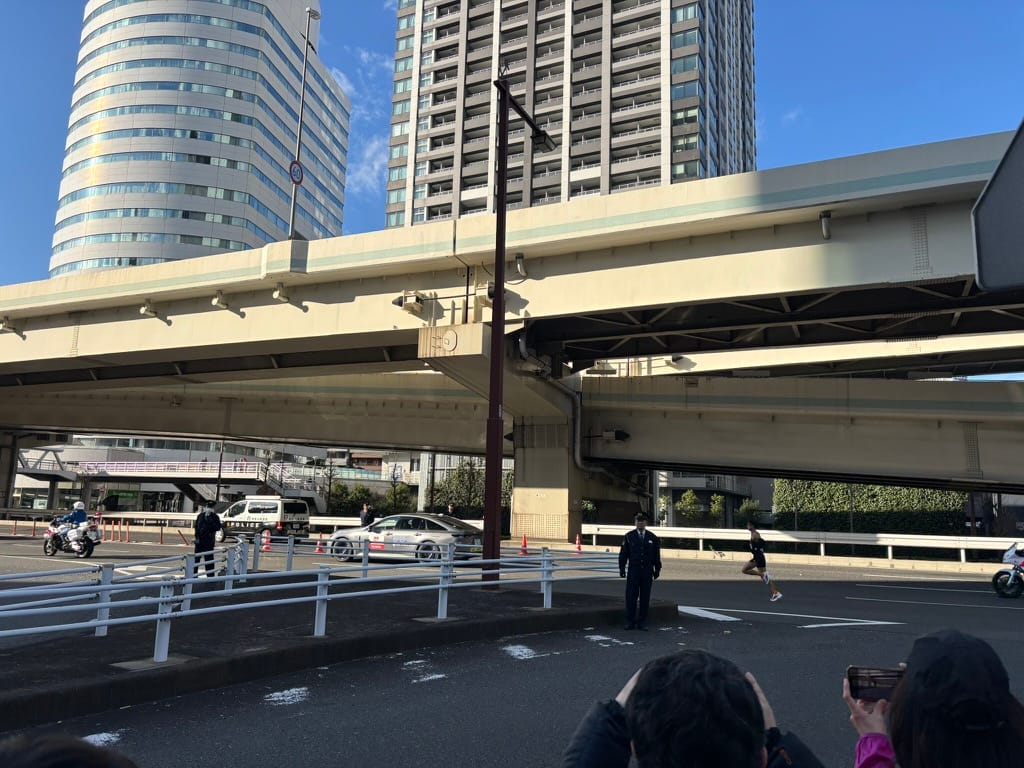
We happened to be in Yokohama (Japanese: 横浜) - one of the Hakone Eki-Den legs - over oshogatsu, so we made a trip to catch part of the race.
By the time we reached the Yokohama Station, it was already lined with spectators. After watching all the athletes zip past us, we went for a bit of shopping and continued watching the race on television at home.
Speaking of running, I recently came across a book called "What I talk about when I talk about running" (Japanese: 走ることについて語るときに僕の語ること) by Haruki Murakami (Japanese: 村上 春樹), a well-known Japanese novelist.

Some of Murakami's well-known works include "Norwegian Wood" and "Kafka On The Shore". I've read both the English-translated versions and found them enjoyable and easy to read. Perfect books for a lazy, Sunday morning or a rainy day.
Murakami's book on running is a collection of his thoughts and his observations while running. These are, admittedly, not the most exciting reasons to be drawn to a book.
But I think I am keen to read this book because I do find myself sub-consciously pondering about random things while I run. So perhaps it might just be a good exercise to jot down these thoughts in my diary, which I currently use to record my daily diet and running mileage.
I initially toyed with the idea of getting a new journal to capture these thoughts. Unfortunately, I found myself becoming more absorbed in what type of journal would be suitable and what pen or pencil to use. And how long will I be able to consistently keep up this exercise?
Before slipping down this rabbit hole, I caught myself and reminded myself to keep things simple.
When it comes to starting something new, the most important thing is to start first, then adapt along the way. Don't get caught up in the finer details of the what, the how and the why.
And don't try to assess whether a new activity becomes a good, long-term habit. The beauty in a these types of habits is that they become one without you even realising.
I've made a reservation at the local library for the Japanese version of the book, as the English-translated one is currently out on loan. It will be another journey into the unknown to see whether my level of Japanese is good enough to comprehend Murakami's work.
--Ends