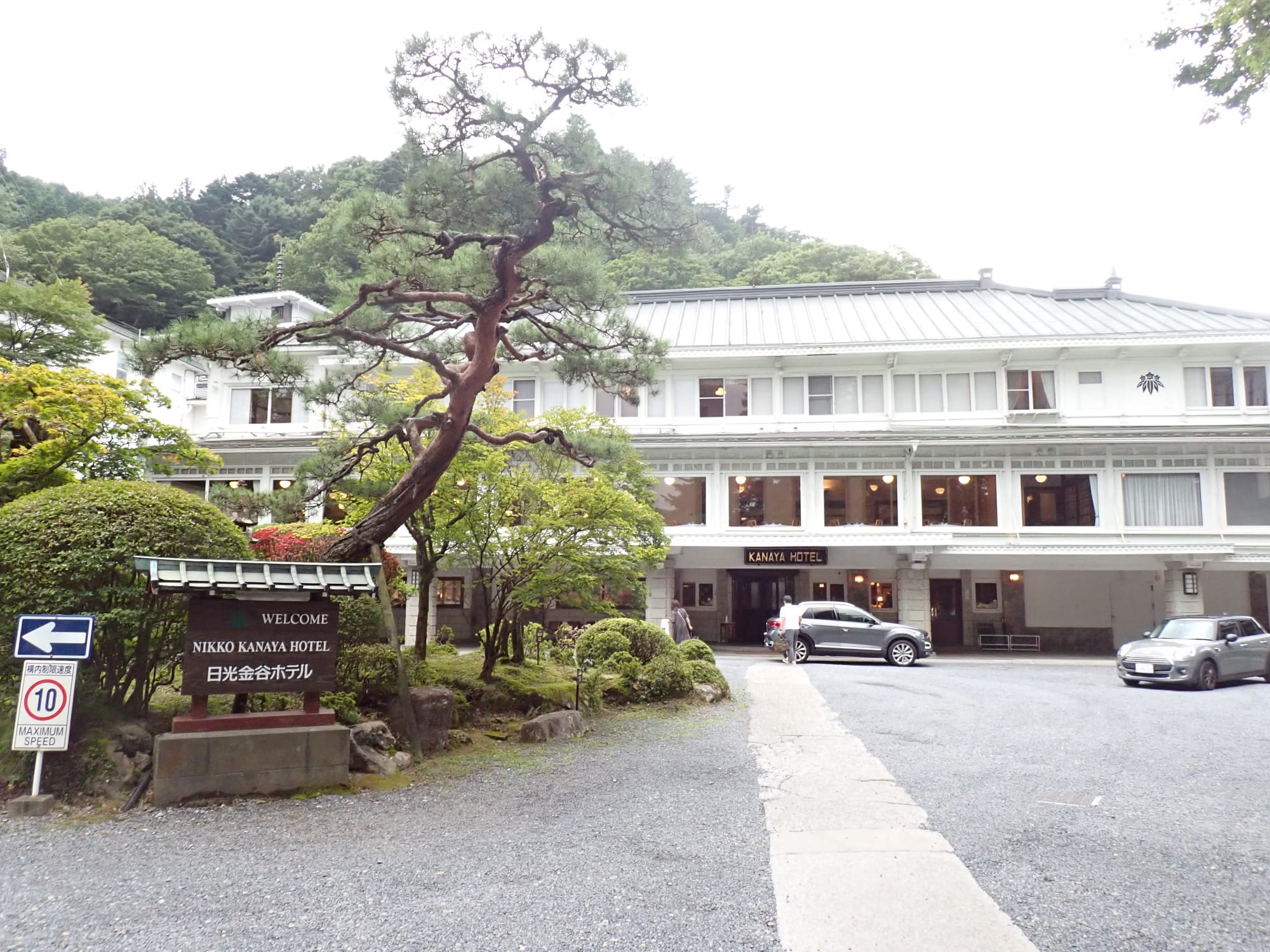
WB007: Nikko Kanaya Hotel
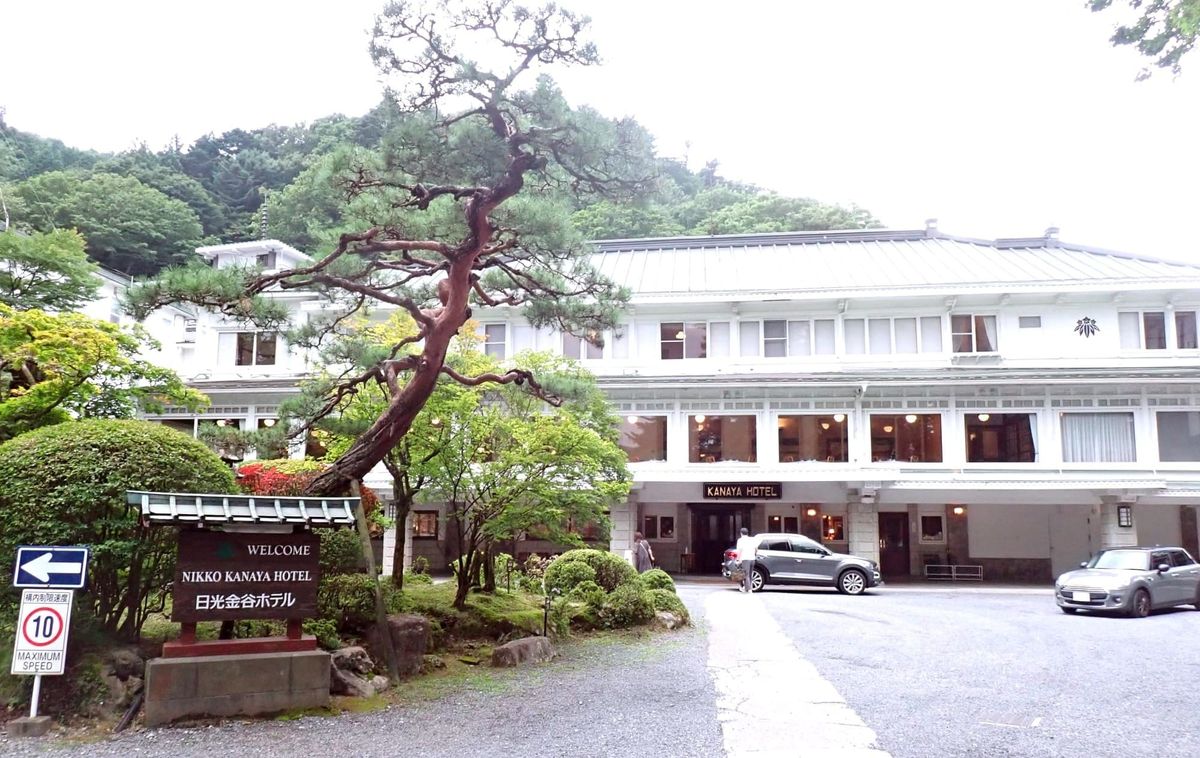
The Nikko Kanaya Hotel (Nikko Kanaya)(Japanese: 日光金谷ホテル) was founded in 1873, making it 151 years-old.
My trusty Frommers guide says it is the most famous hotel in Nikko, describing the hotel as combining "the rustic heartiness of a European country lodge with elements of old Japan".
Think Western architecture with the quality of Japanese craftsmanship and service.
I learned that Western culture started becoming influential in Japan in the Meiji era, which began in October 1868. As a result, hotels built during this time had a lot of western influence.
In 2016, Tobu Railway Co., Ltd. (Tobu Railway) acquired a 60% stake in Nikko Kanaya for an undisclosed sum, bringing the company's number of Nikko-based hotels to four.
This strategy makes sense, as Tobu Railway potentially monetises both the journey (to and fro) and accommodation aspects of a Nikko-visiting tourist. We were a case in point: we used Tobu's rail network to get to Nikko for this trip and stayed in one of it's hotels.
Stepping into history
If you're into history, this is the hotel for you.
The hotel has played host to many historical figures, including Albert Einstein, Charles Lindbergh and Helen Keller.
The latter lost her sight and hearing at 19 months, but became widely admired in Japan for raising awareness on disabled people. Where there is a will, there is a way. And where there is a way, there will be an outcome.
Despite the hotel's age, its original structure and interior are well preserved and maintained. I could feel (and smell!) the history while touring the hotel. A sense of nostalgia arose as I took in the hotel's many historical artefacts on display.
No amount of money can replace the historical value of these original artefacts.
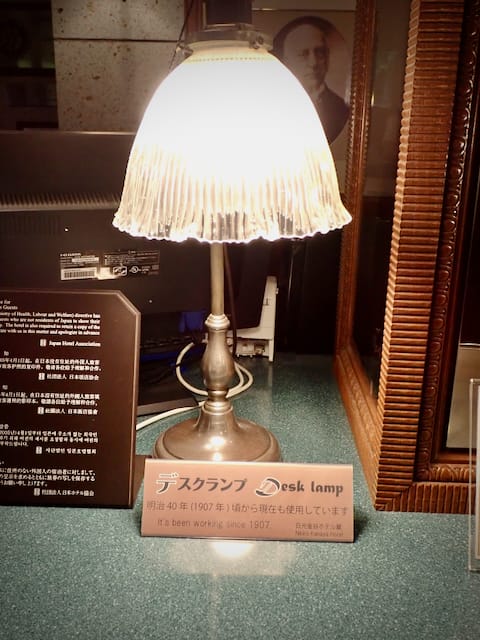
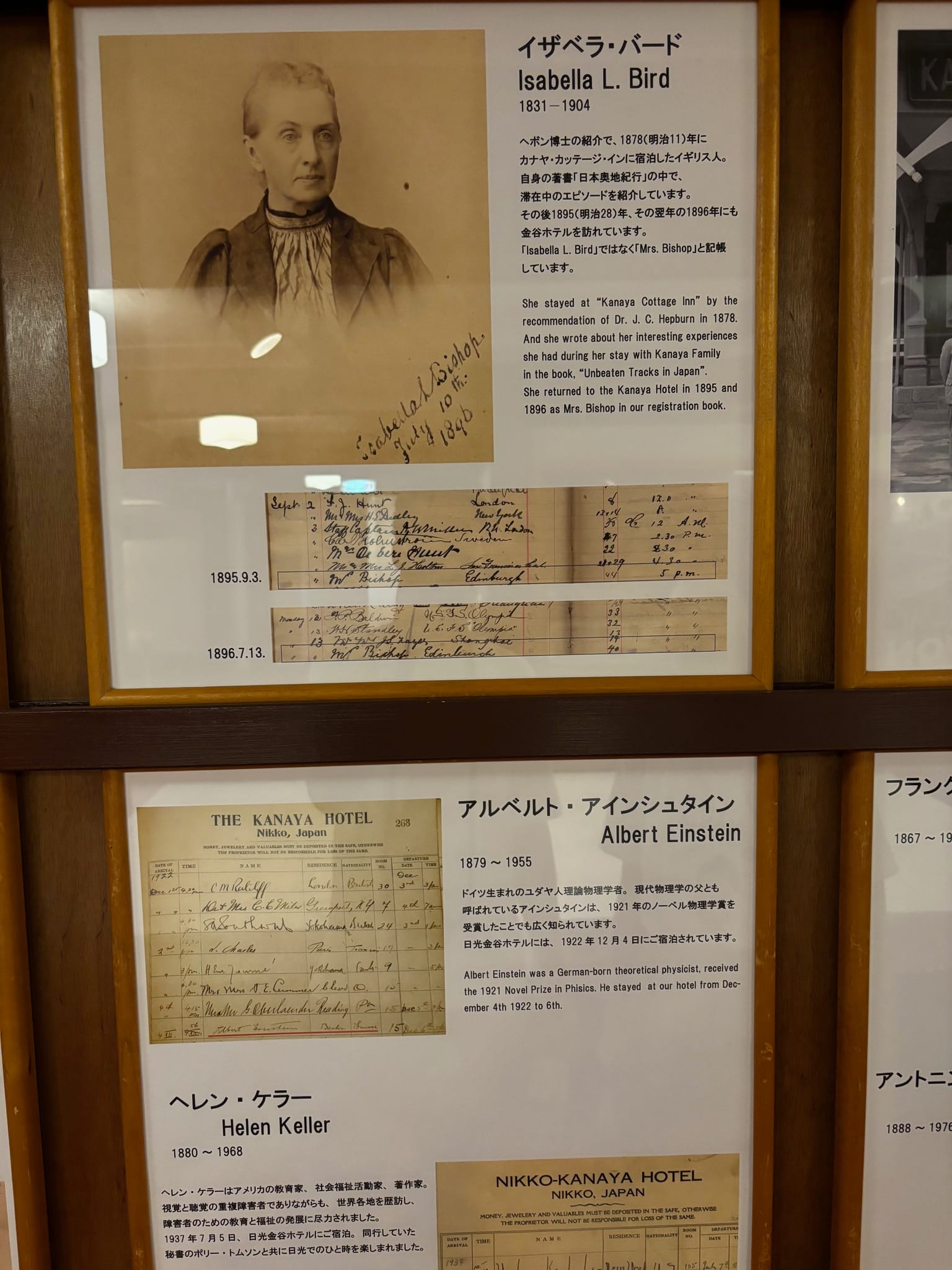
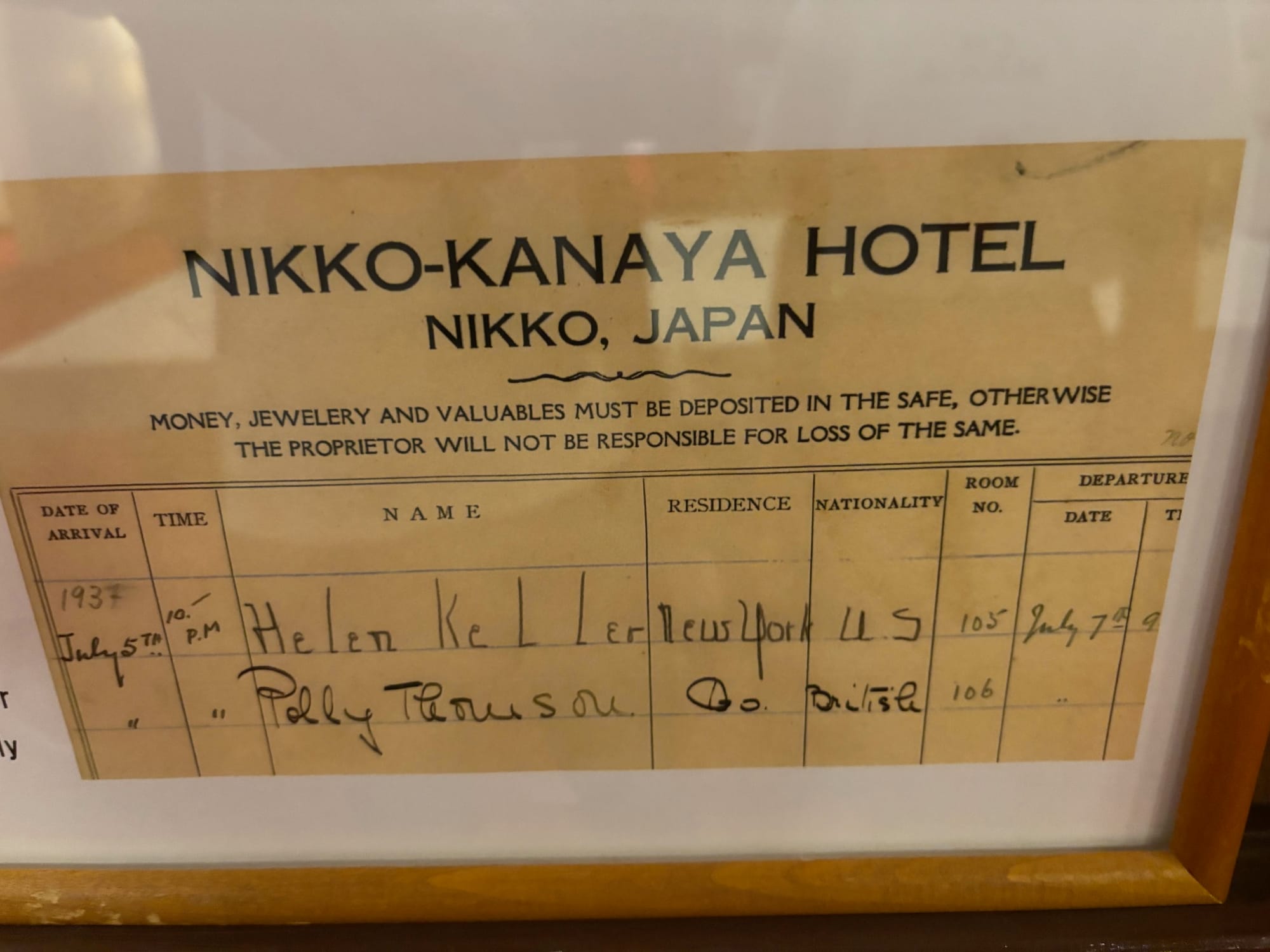
Historical artefacts on display
There is also a small museum in the hotel's grounds, which contains more historical artefacts.
The stay
We stayed in a room located in the recently-refurbished Royal House wing. The refurbishment coincided with the hotel's 150th anniversary celebration last year.
Many of the wing's original fixtures, such as door-knobs, lights and doors, are preserved. The interior was clean and comfortable. You may refer to the hotel's website for pictures of the rooms.
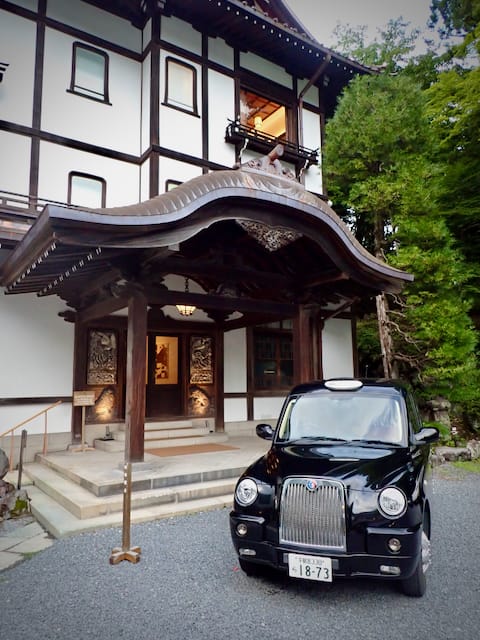
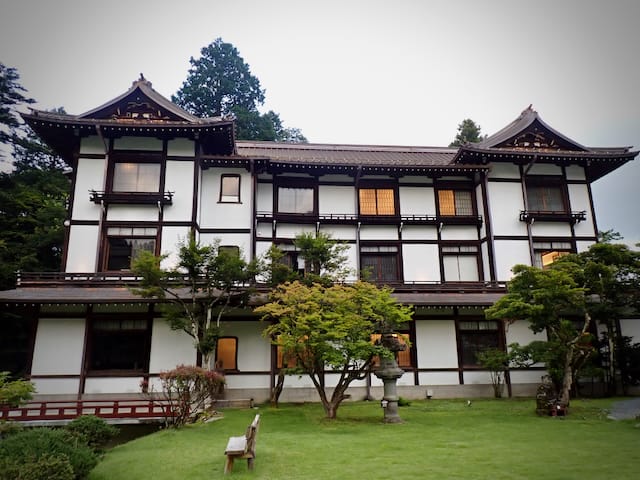
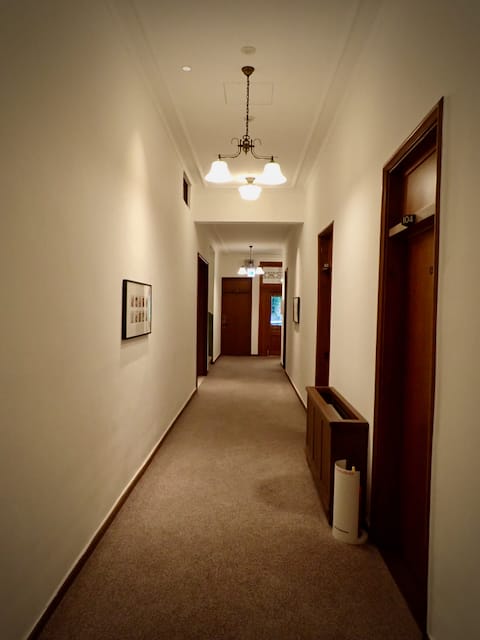
The Royal House
Next to the Royal House is the Daiya River or Daiyagawa (Japanese: 大谷川) - a short, five-minute walk through a lush, green forrest.
Walking sticks are provided and there are signs warning about leeches. I was surprised leeches exist in Japan, though not at all surprised when I got bitten one. From the riverside, the Shinkyou bridge (Japanese: 神橋) is visible.
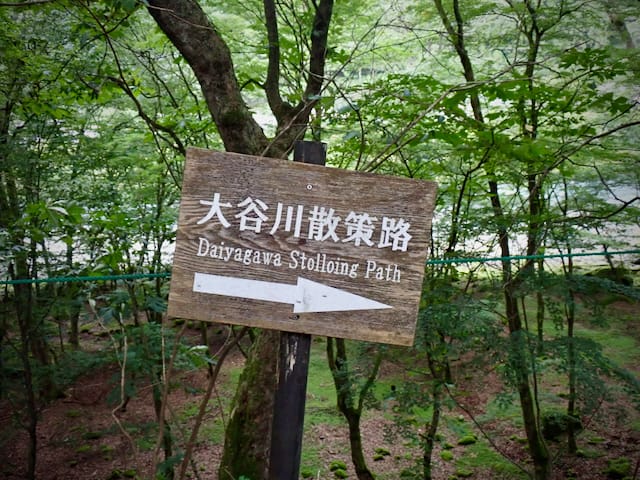
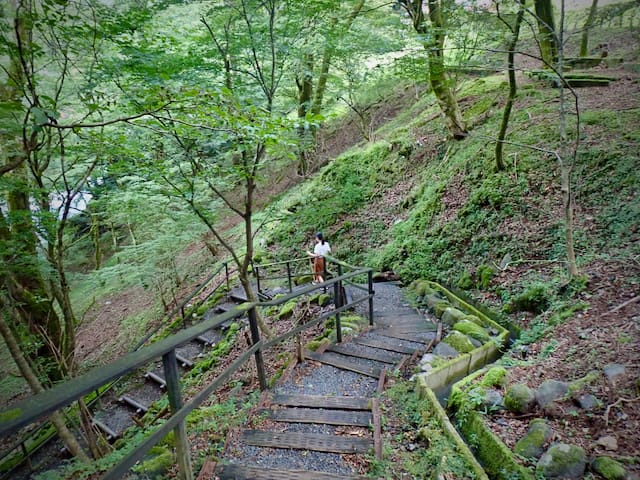
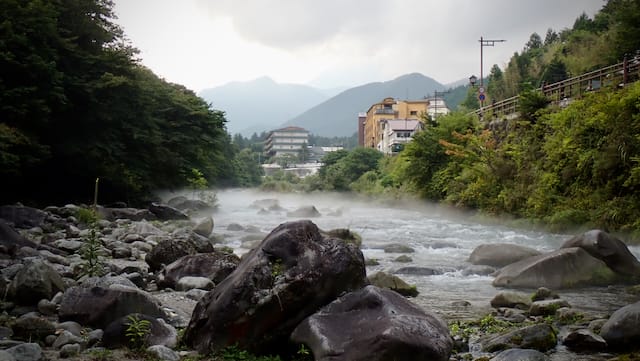
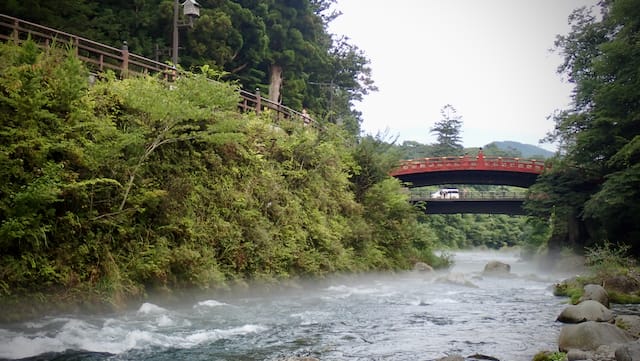
Walking to Daiya River from the Royal House. Shinkyou Bridge (bottom RHS) is visible
We ate dinner in the hotel's Main Dining Room. Sometimes, there is a risk that the food in a historical hotel might also end up tasting "historical", i.e. not good.
This was certainly not the case, as the meal and service were excellent. The Old Style Croquette (Crab) and Nikko rainbow trout sauce Kanaya style - from the hotel's original, signature dish menu - were my favourites. Copies of the original menus and antique Noritake cutlery were also on display in the Main Dining Room.
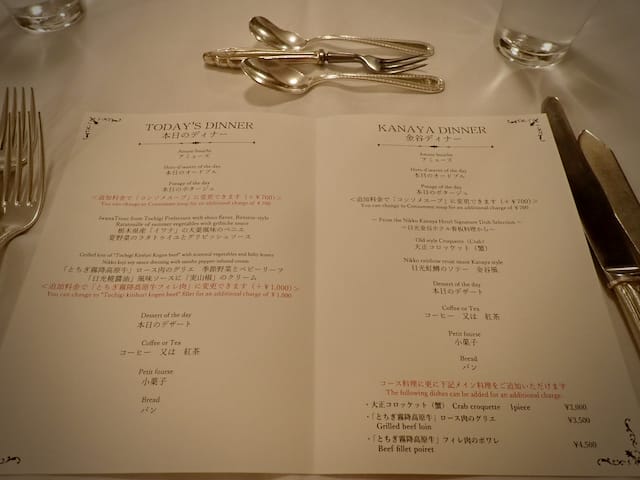
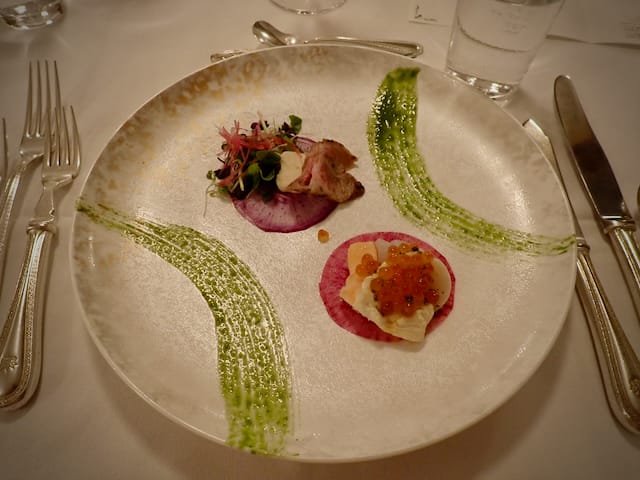
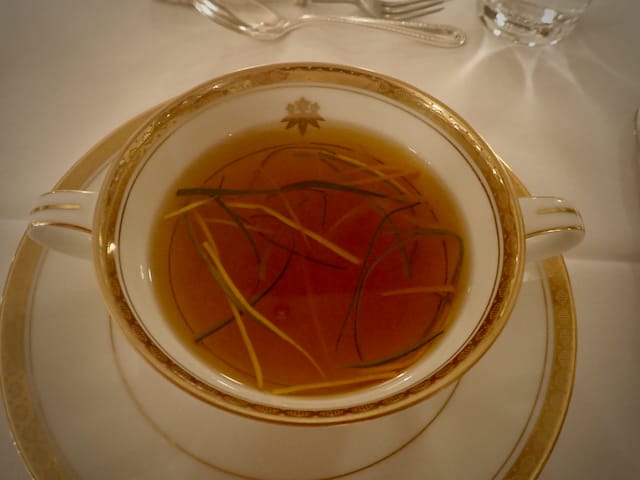
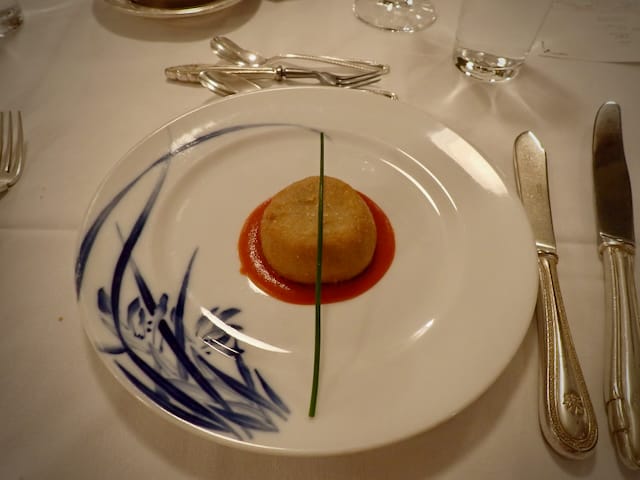
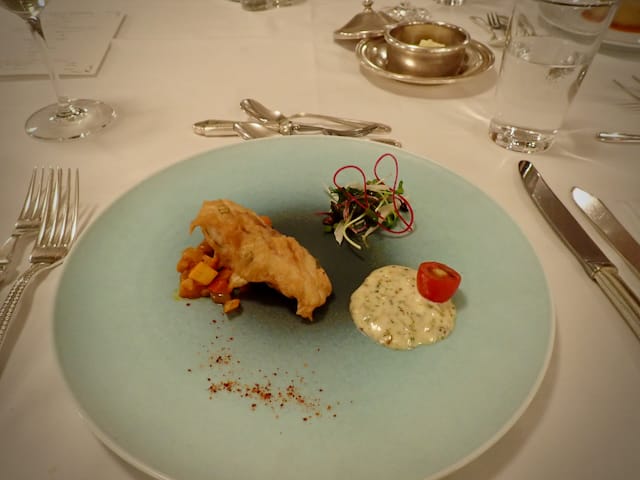
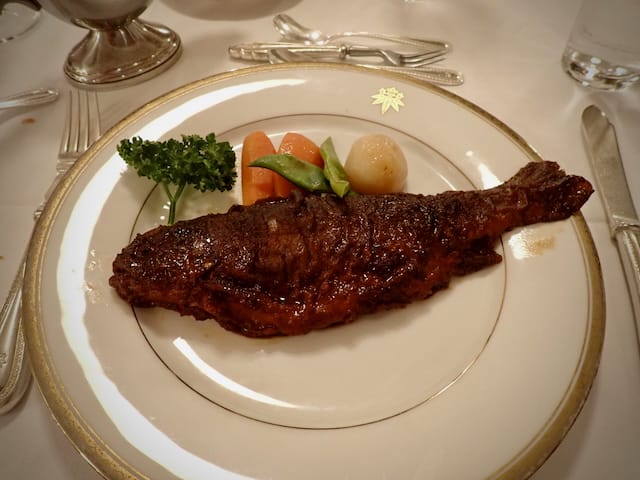
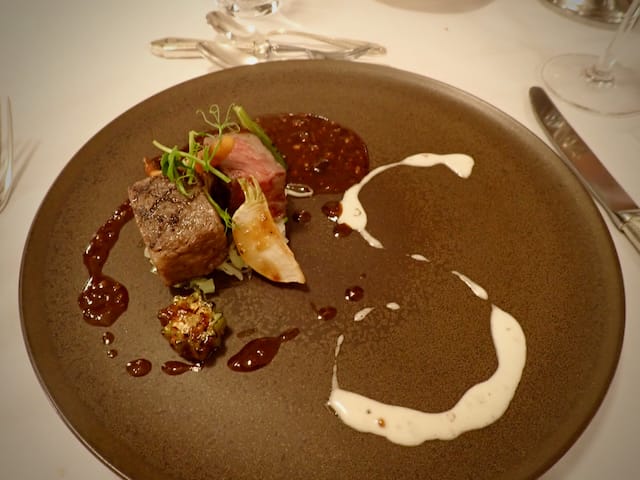
The Kanaya Dinner
We really enjoyed our experience at Nikko Kanaya, and in the process learned that the hotel is the oldest of the exclusive nine-member Japan Classic Hotel Association (JHCA).
What is the JHCA?
According to the JHCA's website, "Japan Classic Hotel Association is formed exclusively by the 9 hotels which satisfy the defined conditions, i.e being built before World War II, restored to maintain their consistent looks and selected as cultural property and industrial heritage."
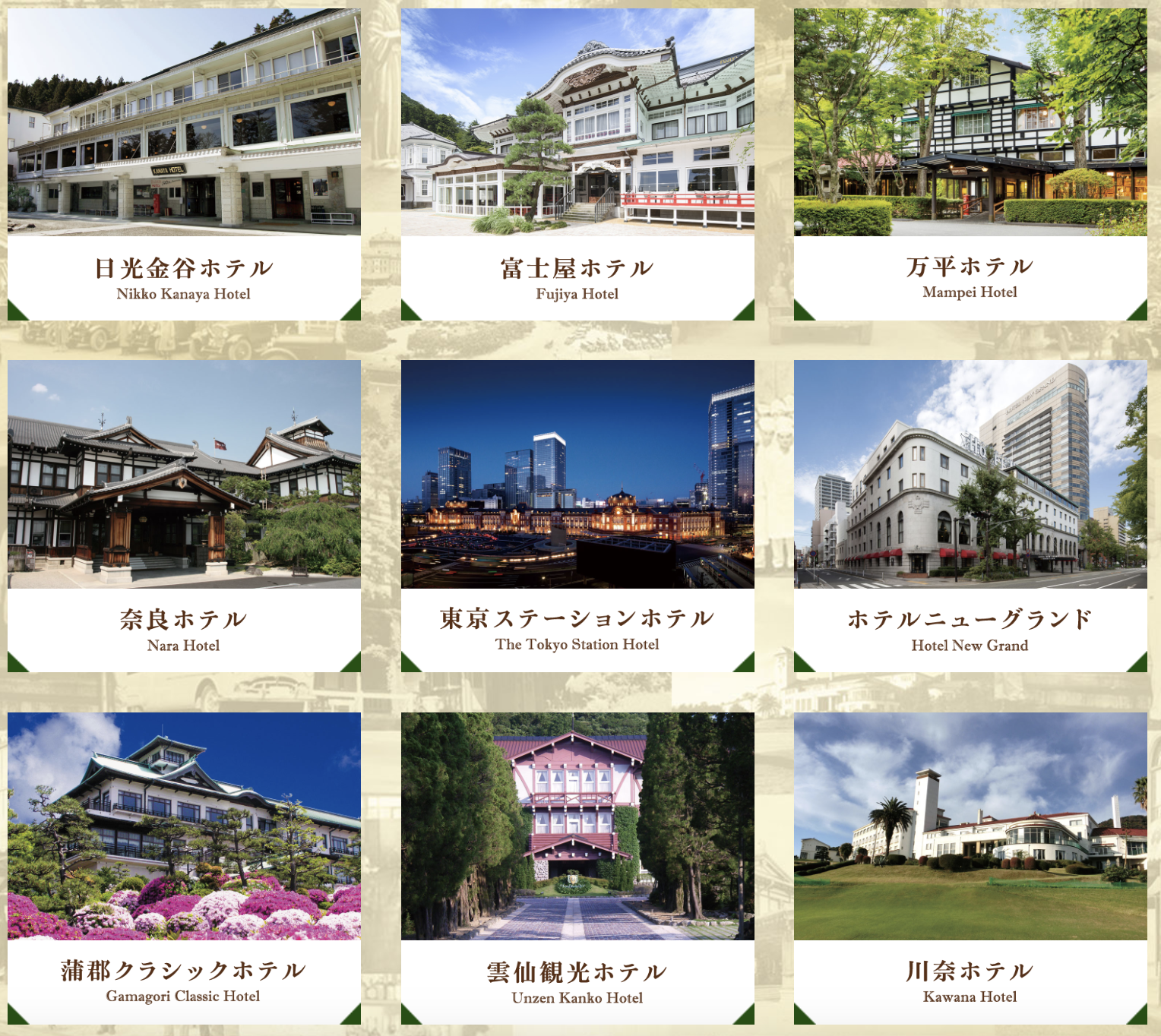
All the Association's hotels look pretty good and historical. This makes for a product that has strong marketing potential! Sure enough, the JHCA promotes / cross-sells its member hotels through the Classic Hotel Passport, which can be purchased at any JCHA hotel.
Collect four stamps from four different hotels, and you get a free lunch voucher for two. Collect nine stamps from nine different hotels, and you get an accommodation voucher for two at a hotel of your choice.
We resisted the urge to buy the Passport.
Side note, the Tokyo Station Hotel is probably familiar to most tourists passing through Tokyo Station. Like the Nikko Kanaya, it is also owned by a railway company: Japan Railways Group.
--Ends