WB012: Hiragana Times
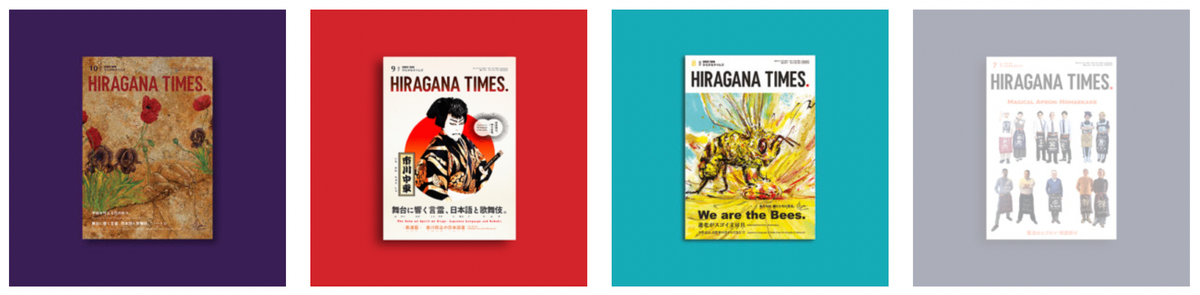
The Daichi and Genki series Japanese textbooks I am using to prepare for my Japanese Language Proficiency Test ("JLPT") have similar teaching formats.
Each chapter starts with a dialogue between two people about everyday topics, such as going to the zoo, meeting a long-lost friend or a romantic walk on the beach (really??). New vocabulary and grammatical concepts are introduced at the same time.
This structured approach helps in learning Japanese. But of late, I am finding it increasingly mundane.
I learn more effectively when consuming content that is enjoyable and a value-add to my knowledge. This is why I enjoy the Japanese book "Mukashi no kurashi, mukashi no dougu, korenaani?" (Japanese: 昔の暮らし昔の道具 これなあに?).
One pain point I have, however, is that figuring out the meaning of each sentence in this book is a hit and miss job, even with a dictionary in hand.
Chance encounter with a hidden gem
One day, I randomly came across a monthly publication called the Hiragana Times while visiting the Setagaya Central Library (Japanese: 世田谷中央図書館), a library I rarely visit.
Founded in 1986, the Hiragana Times describes itself as a "hybrid Japanese learning magazine". After a quick glance, I had a strong feeling it would be an enjoyable learning supplement to my Japanese textbooks. Here's why.
- The content focuses on topics and affairs current to Japan. Whether you're an expert or novice on Japan, you will learn something new
- Each article is written in both Japanese & English, making the content accessible to a wide reader base
- Some articles deconstruct each sentence into individual nouns, verbs and particles, addressing a pain point I have with reading a 100% Japanese publication
- All articles have Japanese and English audio versions, aiding the improvement of your listening skills
After returning home, I decided this was a chance encounter worth acting on, so I purchased a one-year subscription.
Kabuki & the middle-aged fairy Atsuo
In the September issue of the Hiragana Times, I learned about kabuki (Japanese: 歌舞伎) and a middle-aged fairy called Atsuo.
Kabuki is a form of live entertainment born in the Edo period involving song and dance. Only males are allowed to be kabuki actors, and they are often descendants of families having long histories of producing kabuki performers.
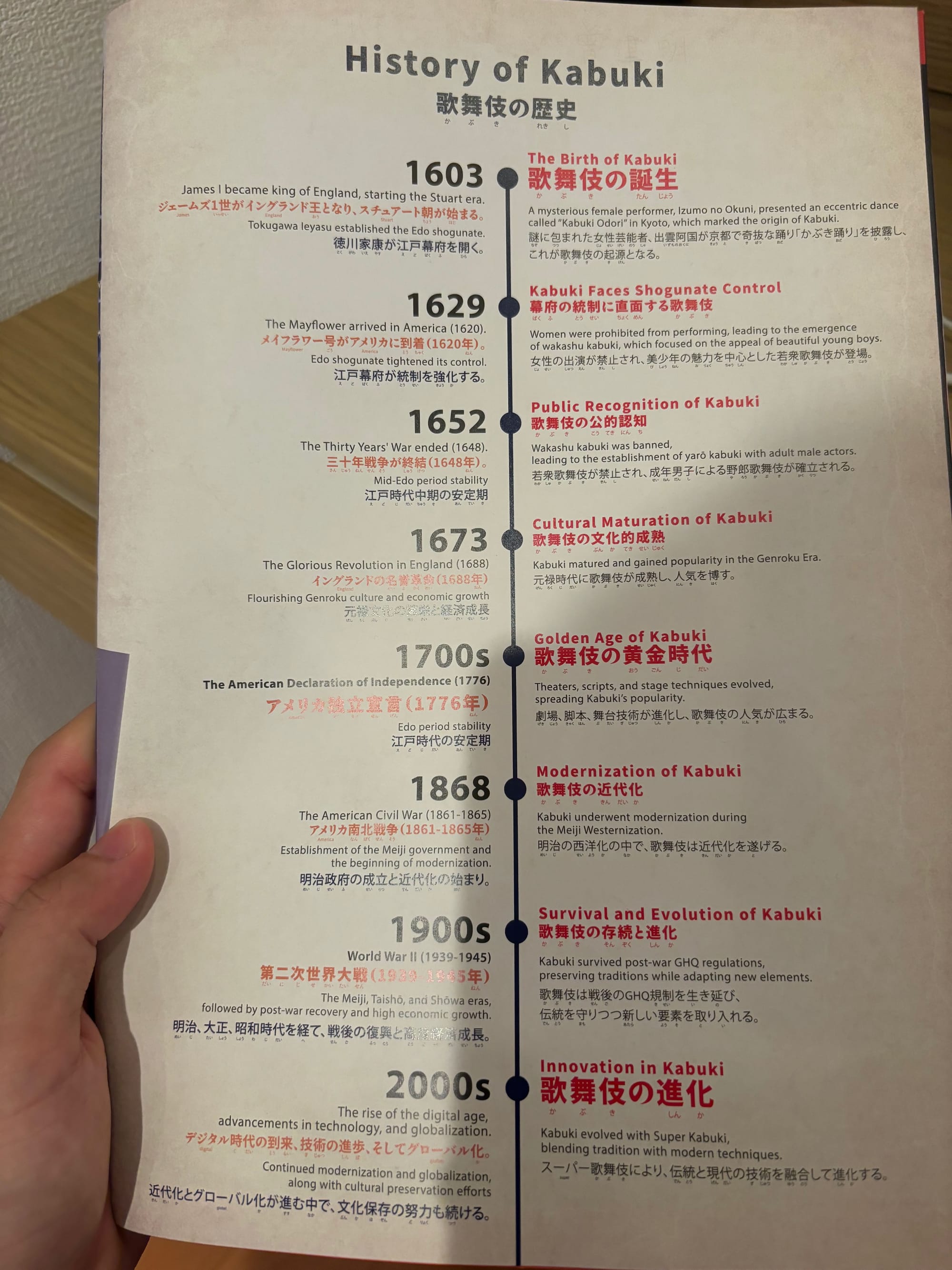
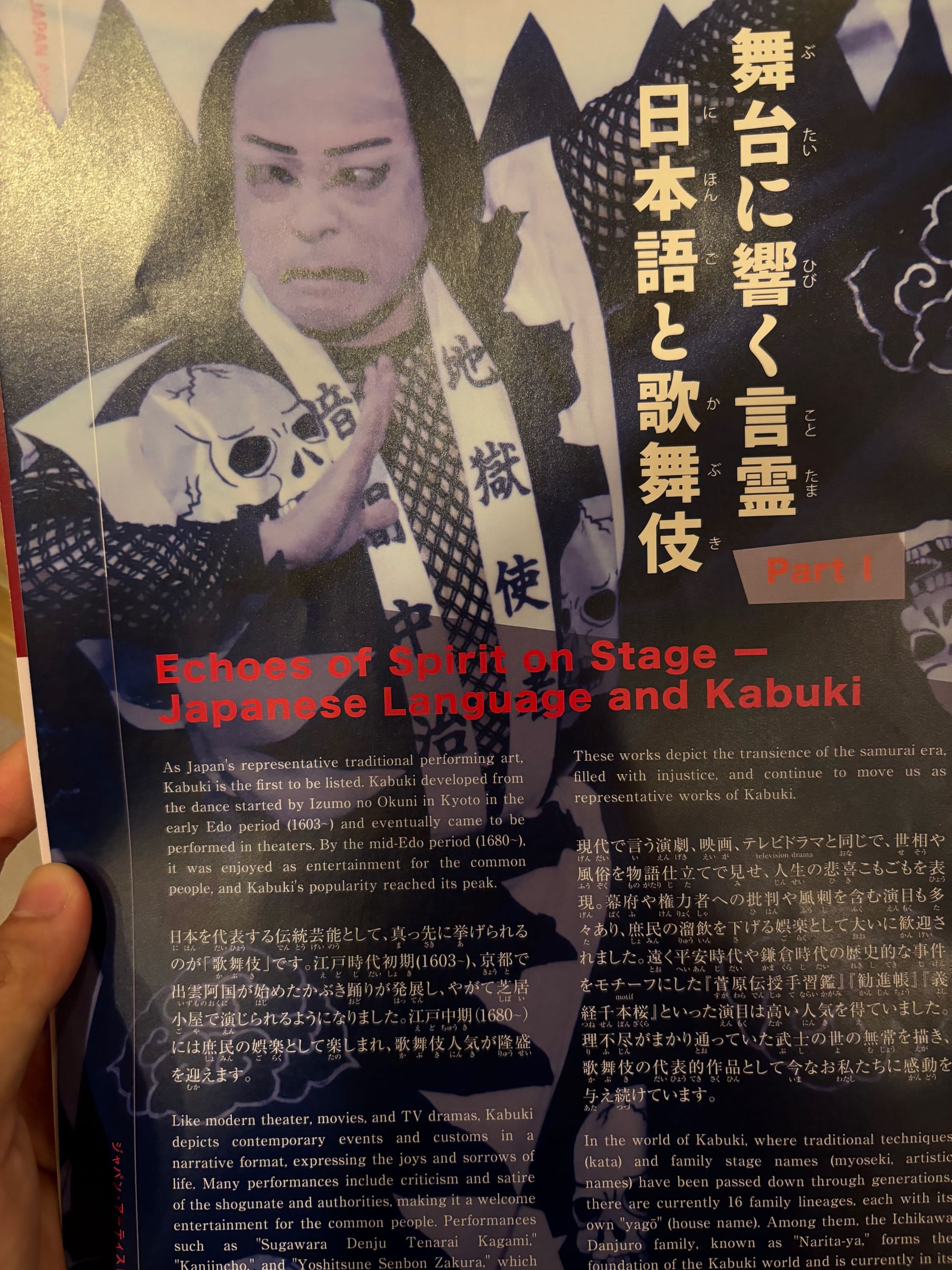
The Hiragana Times interviewed kabuki actor Kagawa Teruyuki (Japanese: 香川 照之), a descendent of the Omodakaya (Japanese: 澤瀉屋 ) family that has been performing Kabuki since the late 1800s.
There are currently 16 kabuki family lineages, which each have their own house name. After reading this article, I plan to watch kabuki in a theatre.
Meanwhile, Atsuo (Japanese: あつお) is a middle-aged, genderless fairy who is the local mascot of Atami (Japanese: 熱海) - a city in the Shizuoka (Japanese: 静岡) prefecture, which is famous for its hot springs.
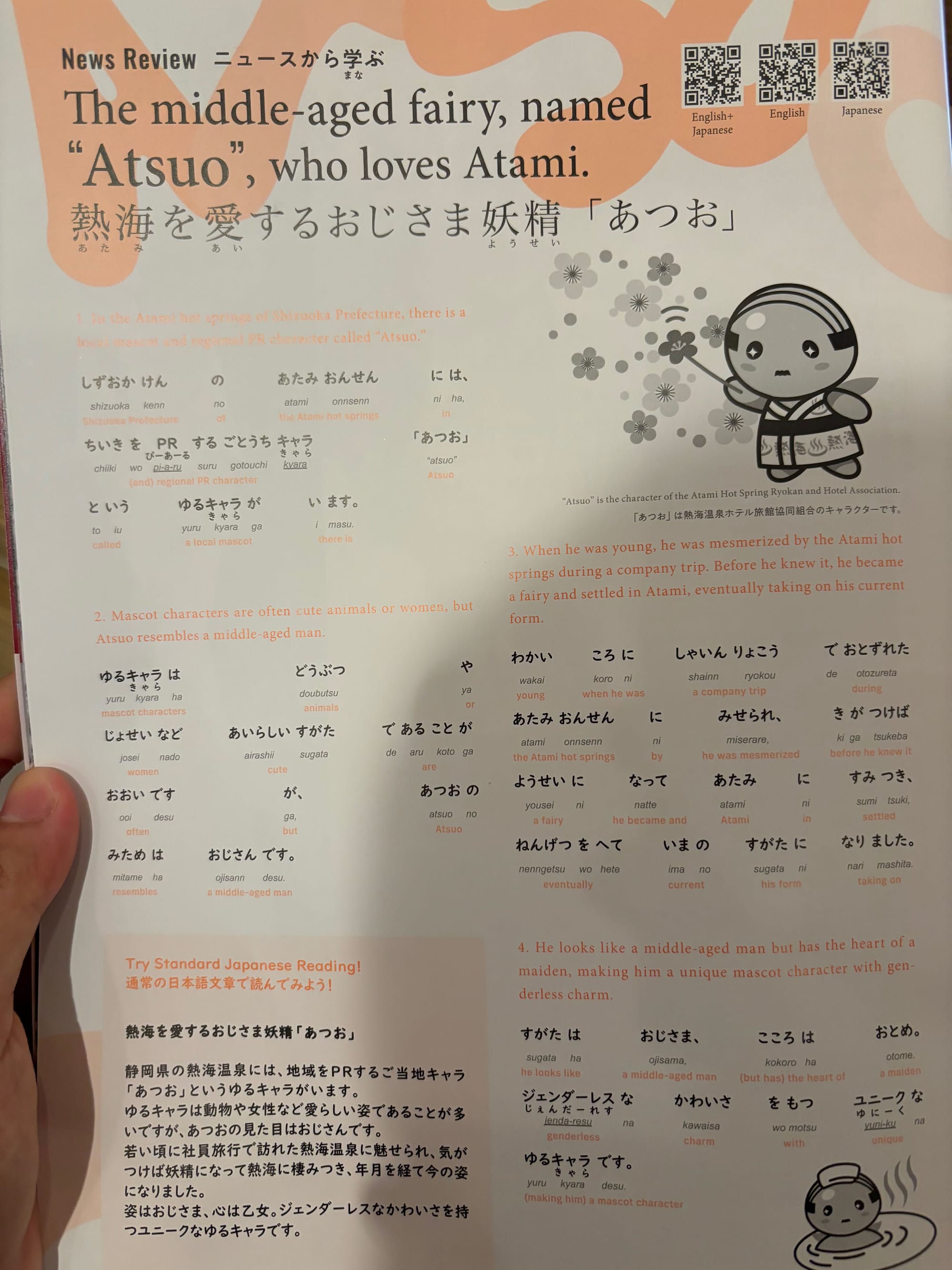
If you've travelled around Japan, you'll notice many prefectures and cities having their own mascot. Kumamon (Japanese: くまモン), for example, is the world-famous mascot of the Kumamoto (Japanese: 熊本) prefecture.
Coincidentally, I read about Atsuo while passing by Atami in a train last week. It was a memorable, "Wait a minute..." moment that makes you realise the universe sometimes works in mysterious ways.
Supporting quality media
Good quality publications are hard to come by these days, as media outlets focus on poor quality, click-bait articles to attract advertising dollars.
Compounding this problem are consumers who are simply not willing to pay, even though there's so much embedded value in plain sight.
Despite these struggles, a wise man once told me that "good quality content is king", and publications that focus on this Northstar will survive.
I believe the Hiragana Times is one such publication, and in investing speak, this magazine is a value buy. The educational value this magazine delivers far exceeds the JPY9,900 (US$70) you pay for a one-year print subscription (there is also a digital subscription plan).
To put things in perspective, this works out to JPY825 (US$5.80) per issue - the price of one-and-a-half cups of coffee.
For those who truly cannot afford to subscribe to it, you can get your educational fix for free at the Setagaya Central Library.
--Ends